Tag Archives: Maulana Mazharul Haque

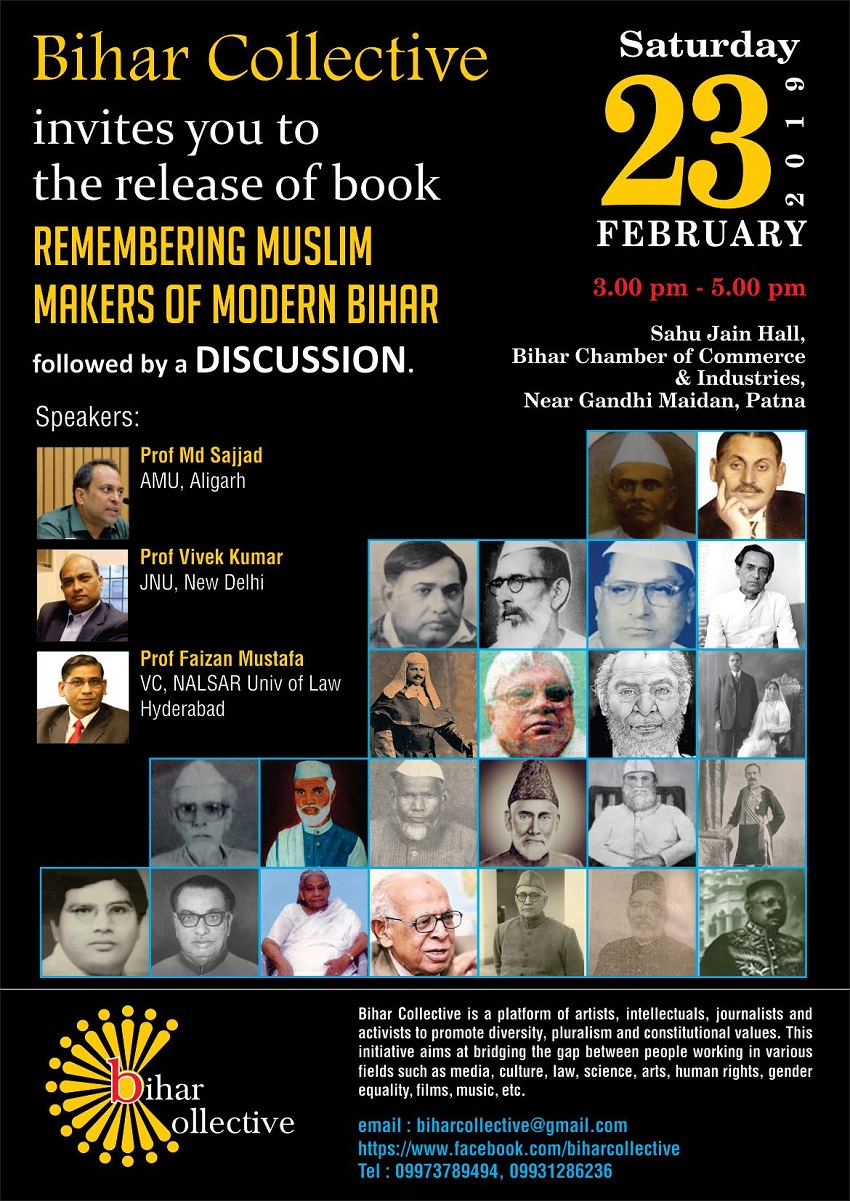
Bihar Collective to Release Booklet “Remembering Muslim Makers of Modern Bihar” in Patna on Feb 23

Patna, BIHAR :

Patna :

In an era of unprecedented majoritarian ascendance and anti-Muslim hatred, Bihar Collective, a platform of intellectuals and activists, has brought out a booklet highlighting the contribution of eminent Muslims in making the modern Bihar in the last 200 years.

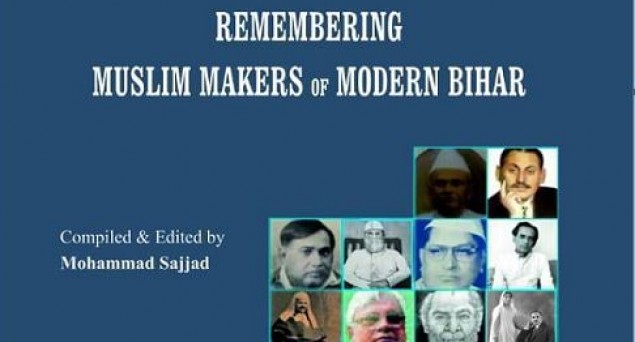
The booklet titled Remembering Muslim Makers of Modern Bihar has been compiled and edited by renowned academician and writer Prof. Mohammad Sajjad on the initiative of Bihar Collective.

The booklet will be released at an event in Patna on Saturday (February 23).

On the occasion, a discussion will also be held with Prof Faizan Mustafa, Vice Chancellor, NALSAR University of Law, Hyderabad; Prof Vivek Kumar, JNU, New Delhi; and Prof Mohammad Sajjad, AMU, Aligarh as panelists.

A Brief about Booklet:


Pre-empting a reasonable question about the title of the booklet, Prof Sajjad, who has compiled and edited it, writes in its preface: “A simple and obvious question that may readily arise is: why only Muslim makers of modern Bihar? Why not others too? This is indeed a valid and pertinent question.”

Responding to the question, he further says: “Candidly put, this is because of an unprecedentedly menacing rise of majoritarianism, bigotry, and anti-Muslim hatred, with open support of the state.

The Muslim identities are ominously threatened. There are also unabated attempts to dilute (or even take away) whatever little accomplishments have been made by the forces of social justice and secularism.

Only the Muslim segment however is threatened by the jingoist, exclusionary, violent nationalists, to be thrown out to another country. As if the other country is a dustbin, owned by these bigots, into which they can throw away everything they dislike! As if only the religious majority constitutes the nation! Notably, these jingoists had aligned with the British and had stayed away from the national movement.”

“Muslim contributions in the nation-making (and in the freedom movement) remain under-acknowledged, forgotten or even omitted. Erasure of their histories and memories seem to have become even more pronounced and vociferous, now, than ever before…The Bihar Collective therefore decided to compile a short profile of these inspiring role models, history-makers…This is small and humble step towards retrieving and restoring the nationalist provincial pantheons bearing Muslim identities,” says Prof Sajjad.

He, however, admits that the list of Muslim heroes of Bihar given in the booklet is not exhaustive as “…many have been left out essentially because of lack of documentations and researches. Not many have left their own accounts/memoirs; the available memoirs/accounts have not written much about all the personalities. In many cases, even otherwise “resourceful” descendants and/or associates of the history-makers have not been able to provide us with adequate (and credible/verifiable) details.”

Prof Sajjad hopes this small exercise may lead to some big academic work on these history-makers. “In short, this kind of venture may be said to be an ongoing exercise. This effort may hope to open up (and obtain) more details about such history-makers and would also get to know about many more of such peoples and processes, we failed to include here in this hastily prepared tiny volume, amidst constraints of resources and time.”

Names of Muslim Makers of Modern Bihar Mentioned in Booklet:
1. Syed Imdad Ali (d.1886]
2. Khuda Bakhsh (1842-1908)
3. Syed Amir Husain (1843-1910)
4. Imdad Imam Asar (1849-1934)
5. Shah Badruddin(1852-??)
6. Syed Ali Bilgrami (1853-1911)
7. Rasheed-un-Nesa (1855-1926)
8. Syed Noorul Huda (1855-1939)
9. Justice Syed Sharfuddin (1856-1921)
10. Shaikh Gulab (1857-1920)
11. Sarfaraz Husain Khan (1860-1931)
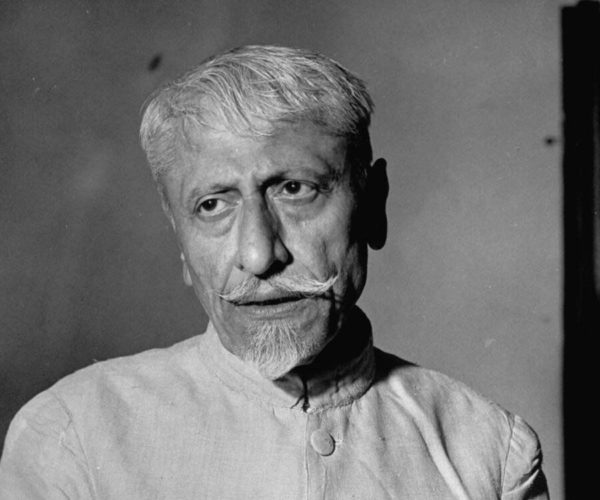
12. Maulana Mazharul Haque (1866-1930)
13. Batakh Miyan Ansari (1867-1957)
14. Sir Fakhruddin (1868-1933)
15. Syed Ali Imam (1869-1932)
16. Syed Hasan Imam (1871-1933)
17. Salahuddin Khuda Bakhsh (1875-1931)
18. Shafi Daudi(1875-1949)
19. Khwaja Md. Noor(1875-??)
20. Abdul Wadood (d.1955)
21. Syed Abul Hasan (1878-1960)
22. Sir Sultan Ahmad (1880-1963)
23. Maulana Sajjad (1880-1940)
24. Pir Mohammad Munis (1882-1949)
25. Abdul Bari (1882-1947)
26. Syed Sulaiman Nadvi (1884-1953)
27. Mohammad Yunus (1884-1952)
28. Shah Md. Zubair (1884-1930)
29. Syed Abdul Aziz (1885-1948)
30. Zubaida Begum Daudi (1886-1972)
31. Syed Tafazzul Karim (1886-1964)
32. Mr. Mohammad Shafi (1888-1955)
33. Qazi Ahmad Husain (1889-1961)
34. Dr. Syed Mahmud (1889-1971)
35. Ali Husain Aasim Bihari (1890-1953)
36. Shah Mohammad Umair (1894-1978)
37. Abdul Ahad Mohammad Noor (1894-1975)
38. Hakeem Md. Kabiruddin (1894-1976)
39. Maulana Usman Ghani (1896-1977)
40. Manzoor Ahsan Aijazi (1897-1969)
41. Shah Md Ozair Muni’mi (1899-1961)
42. Maghfur Aijazi (1900-1966)
43. Syed Jafar Imam (1900-1965)
44. Syed Badruddin Ahmad (1901-1983)
45. Mohammad Tahir (1903-???)
46. Syed Jafar Imam (1903-1979)
47. Syed Fida Husain (1904-80)
48. Abdul Qaiyum Ansari (1905-1974)
49. Wajihuddin Minhaji (1907-1984)
50. Syed Md. Aiyub (1910-1964)
51. Abdul Sami Nadvi (1913-????)
52. Abul Hayat Chand (1914-1958)
53. Ahad Fatmi(1915-1980)
54. Zawwar Husain (1916-80)
55. Shafiqullah Ansari (1917-1980)
56. Shah Mushtaq Ahmad (1917-2002)
57. Abdul Ghafoor (1918-2004)
58. Col. Mahboob Ahmad (1920-1992)
59. Taqi Raheem (1920-1999)
60. Zahra Daudi(1923-2003)
61. Shakoor Ahmad (1924-1981)
62. Syed Hasan (1924-2016)
63. Yunus Lohia (1925-2019)
64. Ghulam Sarwar (1926-2004)
65. Syed Shahabuddin (1935-2017)

A Brief about Author:


Prof Mohammad Sajjad teaches late-colonial and post-independent Indian history at the Centre for Advanced Study in History, Aligarh Muslim University. He has written several books including Muslim Politics in Bihar: Changing Contours; and Contesting Colonialism and Separatism: Muslims of Muzaffarpur since 1857.

His articles are published in reputed academic journals from Routledge, Sage, EPW etc. and also in anthologies from the Oxford University Press and Cambridge University Press.
Bihar Collective:
It is a platform of artists, intellectuals, journalists and activists to promote diversity, pluralism and constitutional values. It aims at bridging the gap between people working in various fields such as media, culture, law, science, arts, human rights, gender equality, films, music, etc.
Email: biharcollective@gmail.com
Facebook: https://www.facebook.com/biharcollective

source: http://www.indiatomorrow.net / India Tomorrow / Home> Society / by India Tomorrow / February 21st, 2019
English, Urdu books on contribution of Indian Muslims in freedom movement released

NEW DELHI :

Patna: 

In a glittering ceremony, two books on Muslims’ contribution in India’s Freedom movement were launched here in Patna on 17th December. The function was presided over by Harsh Mandar, former IAS officer and human rights defender in the country.

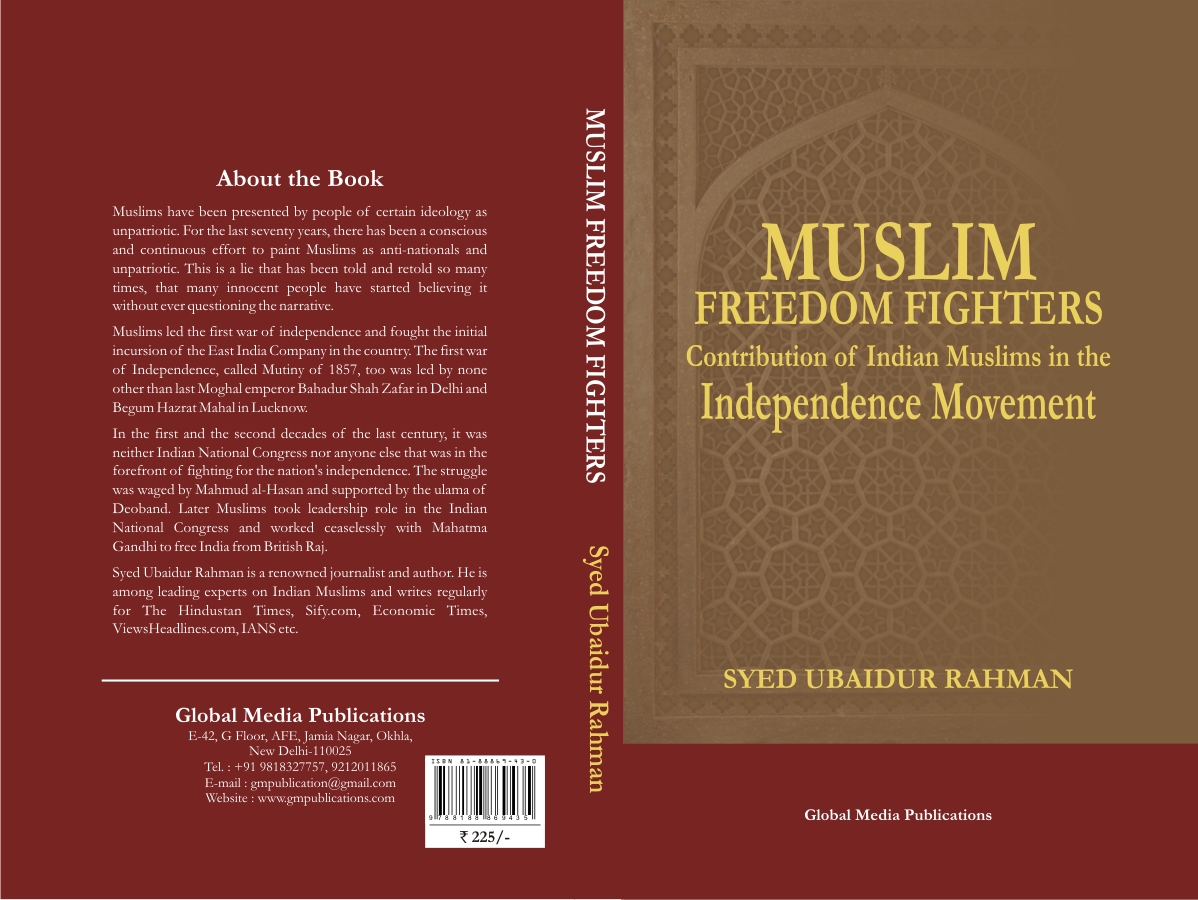
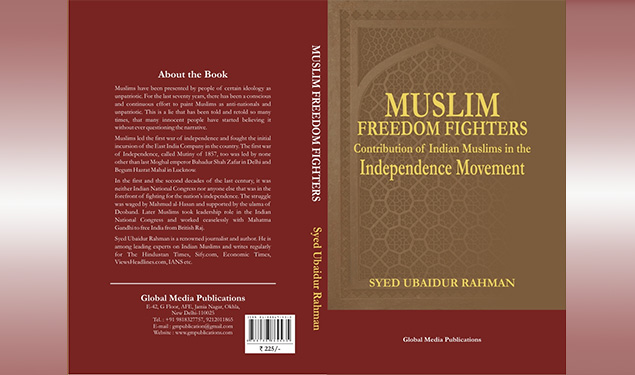
The books ‘Muslim Freedom Fighters: Contribution of Indian Muslims in the Independence Movement’ and its Urdu version ‘Muslim Mujahideen-e-Azadi aur Tehrik-e-Azadi Mein Unki Khidmat’ have been authored by Delhi based author and journalist Syed Ubaidur Rahman.

The two books try to fight the oft-repeated allegations that Muslims are anti-national and have not contributed for the freedom of the nation. The books nail the lie and prove that Muslims not just participated in the freedom movement, they went on to lead the freedom struggle for a long time. The first war of Independence or Mutiny of 1857 was led by Mughal emperor Bahadur Shah Zafar in Delhi and Begum Hazrat Mahal in Lucknow. The Independence Movement in the first two decades of the twentieth century was led by Mahmud Hasan and ulama of Deoband and they had respect and support of everyone including Hindus and Muslims.

If anyone has any doubt about the Muslim contribution in the freedom movement, the fact that the Indian National Congress had as many as nine Muslims as its president till the year 1947 will remove such doubts.

While speaking on the occasion, Harsh Mandar said that the divisive forces in the country are trying to divide the nation on the basis of religion and faith. He said that the danger from such forces for the national fabric and its unity has become grave.

Harsh Mandar added that the threat to the communal amity in the country was never so high as is today as divisive forces are doing every thing to pit one community against the other and create a fear psychosis among the majority community prompting it to turn it against minorities.

Khursheed Mallick, a Chicago based urologist, philanthropist and director of IMEFNA said that the book is a timely reminder to the nation that Muslims and Hindus both sacrificed for the nation and this fact must be clearly told to our young generation. He said Muslims sacrificed heavily for the cause of the freedom of the nation and efforts must be made to tell the history.

Syed Ubaidur Rahman, the author of the two books, while speaking on the occasion said Muslims have been rather loath to write about the sacrifices they have made for the cause of the Independence and freedom. He said Muslims suffered badly throughout the freedom movement. They were the worst suffers in the wake of the mutiny of 1857 and its aftermath when Muslims were hounded across North India and beyond. Tens of thousands of Muslims lost their lives for the freedom.

Syed added that ulama of Deoband played a stellar role in the freedom movement. Unlike the common perception, they were secular to the core and when they established a government in exile in Kabul in 1915, they appointed Raja Mahendra Pratap as its President and Maulana Barkatullah Bhopali as its Prime Minister.

The book documents the lives of forty renowned Muslim freedom fighters including, Shaikhul Hind Maulana Mahmud al-Hasan, Maulana Barkatullah Bhopali, Hakim Ajmal Khan, Maulana Ubaidullah Sindhi, Maulana Abul Kalam Azad, Maulana Mohammad Ali Jauhar, Dr Maghfoor Ahmad Ajazi, Dr Mukhtar Ahmad Ansari, Ashfaqulla Khan, Maulana Hasrat Mohani, Maulana Muhammad Mian Mansoor Ansari, Asaf Ali, Husain Ahmad Madani, Aruna Asaf Ali (Kulsum Zamani), Peer Ali Khan, Saifuddin Kitchlew, Mohammed Abdur Rahiman, Captain Abbas Ali, Abdul Qaiyum Ansari, Prof. Abdul Bari, Moulvi Abdul Rasul, Nawab Syed Mohammed Bahadur, Rahimtulla Mahomed Sayani, Syed Hasan Imam, Sir Syed Ali Imam, M.C. Chagla, Yusuf Meherally, Justice Fazal Ali, General Shah Nawaz Khan, Allama Fazle Haq Khairabadi, Maulana Shaukat Ali, Syed Mahmud, Maulana Mazharul Haque, Badruddin Tyabji, Col Mehboob Ahmed, Begum Hazrat Mahal, Maulana Shafi Daudi, Rafi Ahmed Kidwai, Syed Mohammad Sharfuddin Quadri, Batak Mian

The book launch function was organized at Anjuman Taraqqi Urdu and was presided over by Abdul Qaiyum Ansari, chairman of Anjuman Taraqqi Urdu Bihar.

Name of the Book: Muslim Freedom Fighters: Contribution of Indian Muslims in the Independence Movement
Author: Syed Ubaidur Rahman
ISBN: 81-88869-43-0
Price Rs 225/-
Global Media Publications
E-42, G. Floor, AFE, Jamia nagar, Okhla, New Delhi-110025

source: http://www.ummid.com / Ummid.com / Home> India / by ummid.com News Network / December 12th, 2017

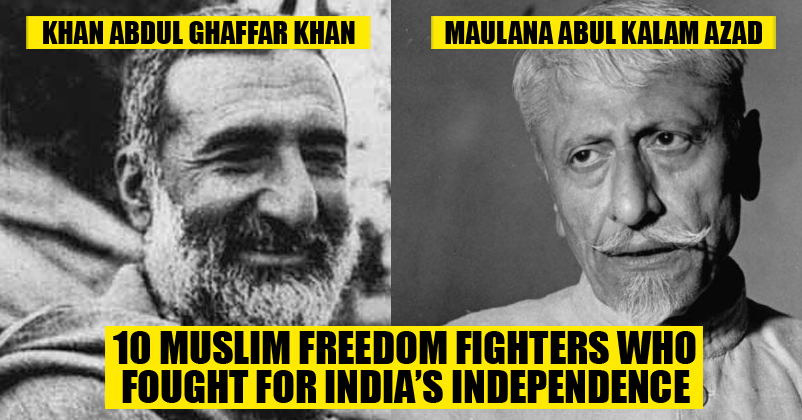
10 Muslim Freedom Fighters Who Fought For India’s Independence

FreedomFightersMPOs26aug2018

Ironically, in our present day India, even freedom fighters are judged on the basis of their religion. Many people believe Muslims didn’t contribute to India’s Independence from the British rule. To make it worse, there are not many sources available that disclose Muslims’ contribution to India’s Independence.

To break the myth of every person who believes Muslims have given no contribution to India’s history, we have tried to come up with a list of 11 Muslim fighters who fought for India’s Independence and are still present somewhere in India’s history.

Maulana Abul Kalam Azad

MaulanaAzadMPOs26aug2018

One of the greatest freedom fighters of India, Maulana Abul Kalam Azad, is our first name of Muslim Freedom Fighters. His service to the nation didn’t just stop after India became independent, he continued serving India till his last breath. He first took part in India’s Independence aged just 16. In his second stint as Congress President, He started the Quit India Movement. He was the first education minister of India. He was conferred a Bharat Ratna in the year 1922. Maulana Abul Kalam Azad, after serving the country for over 50 years, breathed his last on 22 February 1958.

Dr. Zakir Husain

Dr.ZakirHussainMPOs26aug2018

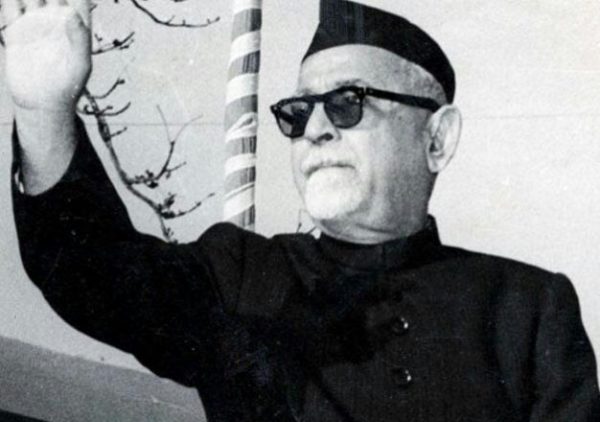
Another Bharat Ratna awardee, Dr. Zakir Husain was the third president of independent India and also the first Muslim president of India. He was a stern follower of Mahatma Gandhi’s non-violence policies. He believed that education was essential to make the Indian youth capable of fighting against the British and thus focused on empowering the education system. He acted as the Vice Chancellor of Jamia Millia Islamia for 22 years (1926-48) and made it one of the finest educational institute of India. He died on 3 May 1969 becoming the first Indian president to die on duty.

Syed Mohammad Sharfuddin Quadri

SharafuddinQuadriMPOs26aug2018

A forgotten hero of India’s freedom struggle, Syed Mohammad Sharfuddin Quadri is included in our list for his supreme acts of nobility. He joined India’s freedom struggle during the Salt Satyagraha movement in 1930. He ably supported Mahatma Gandhi in every struggle and was imprisoned in the same cell as Mahatma Gandhi. Even after independence, he stayed away from politics and still continued to contribute his bit to the nation. He died on 30 December 2015, at the age of 114, 8 years after getting awarded with a Padma Bhushan.

Bakht Khan

BakhtKhanMPOs26aug2018

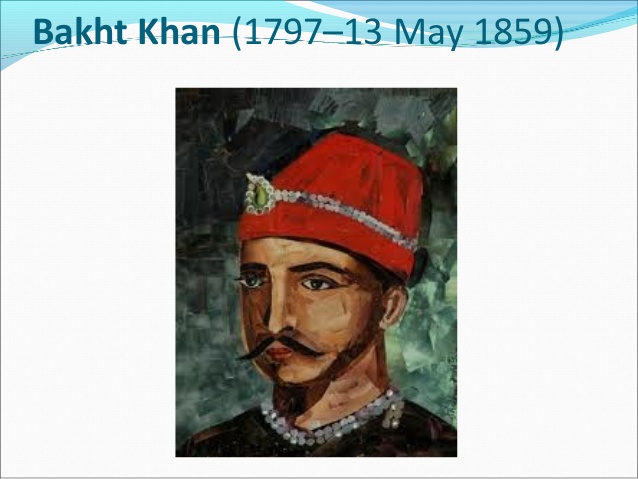
Hailing from Bijnor district of Uttar Pradesh, Bakht Khan was a major part of the rebellion of 1857. An experienced army-man, Bakht Khan served as a Subedar in the Army of East India Company. Bakht Khan took command of the rebel forces. He lacked ammunitions, food and other necessities and still managed to improve the standard of rebellion forces drastically. His strong and powerful rebellion activities prompted the British rulers to launch a man hunt. In May of 1859, the British had their prime target, Bakht Khan, shot dead.

Muzaffar Ahmed

MuzaffarMPOs26aug2018

Born in the present day Bangladesh, Muzaffar Ahmed initiated a magazine Navayug to promote the nationalist feeling amongst the Indian youth. He was one of the founders of the communist party of India. He was jailed several times for his involvement in various conspicuous deaths of British officers. The headquarters of Communist Party Of India in Kolkata is named after him. He died in Kolkata in the year 1973.

Mohammad Abdur Rahiman

MohamedAbdulRahmanMPOs26aug2018

Born in the Thrissur district of Kerala in the year 1898, Mohammad Abdur Rahiman was known for his heroics in restoring peace in the riot affected areas of 1921. He was jailed for two years for the same. He practised Salt Satyagraha and was again sentenced for rigorous imprisonment for 7 months. He mobilised the Muslim masses against the two nation theory of Muslim league Party. Soon after addressing a public meeting at Kodiyathur on 23 November 1945, he breathed his last.

Khan Abdul Ghaffar Khan

KhanAbdulGhaffarKhanMPOs26aug2018

Known as ‘Frontier Gandhi’, Khan Abdul Ghaffar Khan was one of the major reasons behind the Britishers leaving India. He pioneered the famous Khudai Khidmatgar (“Servants of God”) movement in 1929 and it successfully guided it to its Destiny. After independence, he opposed the partition of India but failed. He moved to Pakistan and started a movement for a separate Baloch province. He was jailed many times for the same cause. He died in 1988. During that period, a war was going on between the Afghani rebels and soviet forces. However, both sides halted their proceedings to lend a tribute to this legend.

Abbas Ali

AbbasAliMPOs26aug2018

Inspired by Bhagat Singh and Chandrashekhar Azad, Abbas Ali joined the Indian freedom movement in his teenage after completing his education. He joined the Indian National Army (INA) or the ‘Azad Hind Fauj’ and was subsequently court-martialled and sentenced to death. However, before he could serve his punishment, India attained independence and Abbas was eventually set free. He was in jail for over 50 times all throughout his life and stayed in jail for 19 months when Indira Gandhi imposed the emergency. He died on 11 October 2014 due to a heart failure.

Asaf Ali

AsafAliMPOs26aug2018

When tons and tons of freedom fighters were getting jailed everyday, Asaf Ali stepped up and fought their legal battles to bail them out. He was even jailed alongside Jawaharlal Nehru. He participated in the ‘Quit India Movement’ and did everything he could for helping India achieve independence. On 1 April 1953, Asaf Ali died in Bern (Switzerland) while serving as India’s representative. A postal stamp was issued in his honour in 1989.

Maulana Mazharul Haque

MaulanaMazharalHaqueMPOs26aug2018

Born in Patna district of Bihar on 22 December 1886, Maulana Mazharul Haque was known for his his social works during the famine of 1897. He became the Vice Chairman of Bihar Congress Committee and started taking part in the freedom struggle. He played a major role in making the Non-Cooperation and Khilafat Movements and the Champaran Satyagraha a success. He died in January 1930 before which he donated every single bit of his property for encouraging education. In his honour, in April 1988, the Maulana Mazharul Haque Arabic and Persian University was founded at Patna.

Not just these 10, there are many many more of such brave souls who fought for their nation while being active followers of Islam. Maghfoor Ahmad Ajazi, Saifuddin Kitchlew, Moulvi Mohammad Baqir, Vakkom Majeed and many more names can be added to this list.

Yes patriotism is a religion in itself and tagging it with another religion is completely unacceptable. Do let us know if you know about other such Muslim Freedom Fighters in our comments section below.

source: http://www.rvcj.com / RVCJ / Home> Extras / by Kashif Sheikh / February 13th, 2017

Sify columnist releases book on Indian Muslim freedom fighters

NEW DELHI :

FreedomFightersMPOs22dec2017

Patna:

In a glittering ceremony, two books on the Muslim community’s contribution to the Indian freedom movement were launched in Patna last week. The function was presided over by Harsh Mander, former IAS officer and human rights activist.

The books ‘Muslim Freedom Fighters: Contribution of Indian Muslims in the Independence Movement’ and its Urdu version ‘Muslim Mujahideen-e-Azadi aur Tehrik-e-Azadi Mein Unki Khidmat’ have been authored by well-known Delhi based author and journalist Syed Ubaidur Rahman.

The two books try to fight the oft-repeated allegations that Muslims are anti-national and have not contributed for the freedom of the nation. The books nail the lie and prove that Muslims not just participated in the freedom movement, they went on to lead the freedom struggle for a long time. The first war of Independence or Mutiny of 1857 was led by Mughal emperor Bahadur Shah Zafar in Delhi and Begum Hazrat Mahal in Lucknow.

The Independence Movement in the first two decades of the twentieth century was led by Mahmud Hasan and ulama of Deoband and they had respect and support of everyone including Hindus and Muslims.

If anyone has any doubt about the Muslim contribution in the freedom movement, the fact that the Indian National Congress had as many as nine Muslims as its president till the year 1947 will remove such doubts.

While speaking on the occasion, Harsh Mander said that the divisive forces in the country are trying to divide the nation on the basis of religion and faith. He said that the danger from such forces for the national fabric and its unity has become grave.

Mander added that the threat to the communal amity in the country was never so high as is today as divisive forces are doing every thing to pit one community against the other and create a fear psychosis among the majority community prompting it to turn it against minorities.

Khursheed Mallick, a Chicago based urologist, philanthropist and director of IMEFNA said that the book is a timely reminder to the nation that Muslims and Hindus both sacrificed for the nation and this fact must be clearly told to our young generation. He said Muslims sacrificed heavily for the cause of the freedom of the nation and efforts must be made to tell the history.

Syed Ubaidur Rahman, the author of the two books, while speaking on the occasion said Muslims have been rather loath to write about the sacrifices they have made for the cause of the Independence and freedom. He said Muslims suffered badly throughout the freedom movement. They were the worst suffers in the wake of the mutiny of 1857 and its aftermath when Muslims were hounded across North India and beyond. Tens of thousands of Muslims lost their lives for the freedom.

Syed added that ulama of Deoband played a stellar role in the freedom movement. Unlike the common perception, they were secular to the core and when they established a government in exile in Kabul in 1915, they appointed Raja Mahendra Pratap as its President and Maulana Barkatullah Bhopali as its Prime Minister.

The book documents the lives of forty renowned Muslim freedom fighters including, Shaikhul Hind Maulana Mahmud al-Hasan, Maulana Barkatullah Bhopali, Hakim Ajmal Khan, Maulana Ubaidullah Sindhi, Maulana Abul Kalam Azad, Maulana Mohammad Ali Jauhar, Dr Maghfoor Ahmad Ajazi, Dr Mukhtar Ahmad Ansari, Ashfaqulla Khan, Maulana Hasrat Mohani, Maulana Muhammad Mian Mansoor Ansari, Asaf Ali, Husain Ahmad Madani, Aruna Asaf Ali (Kulsum Zamani), Peer Ali Khan, Saifuddin Kitchlew, Mohammed Abdur Rahiman, Captain Abbas Ali, Abdul Qaiyum Ansari, Prof. Abdul Bari, Moulvi Abdul Rasul, Nawab Syed Mohammed Bahadur, Rahimtulla Mahomed Sayani, Syed Hasan Imam, Sir Syed Ali Imam, M.C. Chagla, Yusuf Meherally, Justice Fazal Ali, General Shah Nawaz Khan, Allama Fazle Haq Khairabadi, Maulana Shaukat Ali, Syed Mahmud, Maulana Mazharul Haque, Badruddin Tyabji, Col Mehboob Ahmed, Begum Hazrat Mahal, Maulana Shafi Daudi, Rafi Ahmed Kidwai, Syed Mohammad Sharfuddin Quadri, Batak Mian .

The book launch function was organized at Anjuman Taraqqi Urdu and was presided over by Abdul Qaiyum Ansari, chairman of Anjuman Taraqqi Urdu Bihar.

Syed Ubaidur Rahman is a New Delhi based writer and commentator. He has written several books on Muslims and Islam in India including Understanding Muslim Leadership in India.

source: http://www.sify.com / Sify.com / Home> SifyNews> National / by SIFY.com / Friday – December 22nd, 2017

Maulana Mazharul Haque: A forgotten leader of Bihar

Bihar, PATNA :

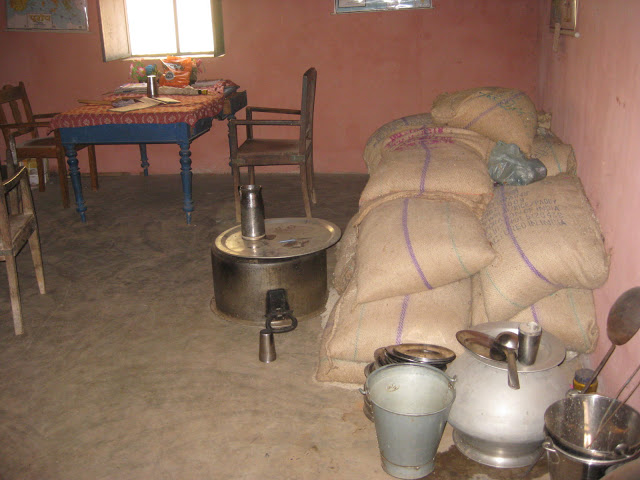
Maulana Mazharul Haque, the man who was a firm believer in complete Independence being “the birthright of every Nation”, has his birth place in office of a government run school that doubles as food storage.

Maulana Mazharul Haque was born to a rich landlord, Sheikh Ahmedullah, in Bahpura, Thana Bihta of Patna district on December 22nd, 1866. His primary education was at home by Maulvi Sajjad Hussain, but he passed his matriculation from the Patna Collegiate in 1886. He joined Canning College in Lucknow for higher studies but same year left for England to pursue a course in Law. He started legal practice in Patna after his return from England in 1891.

MazharulHaque01MPOs29jul2017

He made a significant contribution to relief efforts launched during the famine in Saran district of Bihar in 1897. Maulana Mazharul Haque’s public life actually commenced with the creation of the Bihar Provincial Conference, a move he supported as he believed in the need for the constitution of Bihar as a separate province.

In 1906 Maulana was elected Vice Chairman of Bihar Congress Committee. Mazharul Haque helped organize the Home Rule Movement in Bihar and was its President in 1916. He actively participated in the Champaran Satyagraha for which he was sentenced to 3 months imprisonment.

Subsequently, when the Non Cooperation and Khilafat Movements were launched, Mazharul Haque gave up his lucrative legal practice and his elected post as member of the Imperial Legislative Council and turned all his efforts to the freedom struggle. By now, he was a firm believer in complete Independence being “the birthright of every Nation”.

Mazharul Haque was also a fervent believer in democratic decentralization and he organized the Panchayats in Saran district towards meeting this vision. He also made many requests for better educational facilities in Bihar, especially for free and compulsory primary education.

Maulana Mazharul Haque actively participated in anti-purdah movement launched in Bihar in response to the Non-Cooperation Movement of 1920. Mahatma Gandhi sought to bring women also into mainstream politics, to strengthen the resistance against British rule as well as empower them to play a more active role in society. The purdah system espoused by Muslim and many Hindu families, especially in Bihar, meant that women remained behind men in all spheres of life.

MazharulHaque02MPOs29jul2017

In 1919, he gave up and burnt his western attire to adopt traditional Muslim attire. He was given title of “Desh Bhushan Faqir Mazharul Haque”.

1920, he donated his 16 bigha land on Patna- Danapur road for Sadaqat Ashram and Vidya Peeth which served as college for students who left government colleges in response to Non-Cooperation Movement. Sadaqat Ashram played important role in Independence movement in Bihar.

Maulana also launched his weekly magazine “The Motherland” from Sadaqat Ashram. He also jailed for his articles in this magazine. Sadaqat Ashram continues to serve as headquarters of Bihar Congress. But it is a tragedy that even Congress do not remember the person who has given so much to the party. Till few years back, even Maulana picture was now where to be seen in the ashram.

Maulana was firm believer of Hindu-Muslim unity. His famous quote sums up his conviction, “Wheather we are Hindu or Musalmaan we are in the same boat, we must sail or sink together”.

When in London, Maulana established Anjuman Islamia. This brought Indians of various religion, region and sects under one umbrella. This was also place to discuss about India’s problem. Mahatma Gandhi first met Maulana Mazharul Haque in Anjuman Islamia, London.

Person who gave everything for the country has not got due recognition. Maulana donated the house where he was born, to start Madrasa and middle school within same compound in 1926. Idea behind establishing both in one campus was to promote communal harmony.

MazharulHaque03MPOs29jul2017

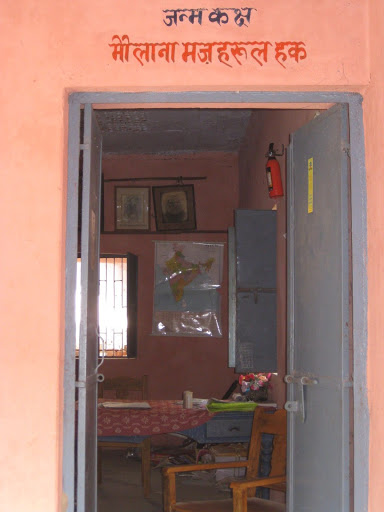
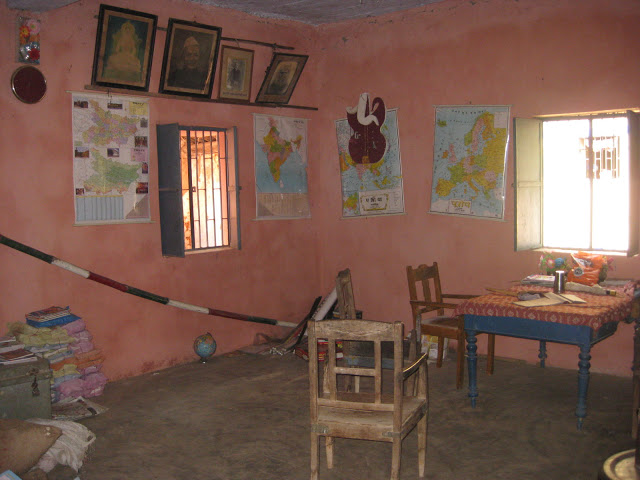
Now the very place where he was born is a principal office of government middle school. On the entrance door of principal office, a line is written in Hindi “Janam Kachh Maulana Mazharul ”(Birth place of Maulana Mazharul Haque). If you enter in the office apart from a picture of Maulana Mazharul Haque along side Dr. Rajender Prasad picture will not give any indication of place being birthplace of a person of such stature. Principal office house the ration for mid day meal scheme for the school apart from general school office stuff.

MazharulHaque04MPOs29jul2017

But this is an improvement from before. Before this school structure was build in 2004, place he was born was used as a toiler for villagers after original structure fell down. Because of the effort for few locals, this place was cleaned up and school building was build and place was marked as birth place.

MazharulHaque05MPOs29jul2017

On December 22nd politicians do come to shower words of praise on Maualana’s contributions but the pity condition of place has not moved anyone. Their promise has remained promise till date.

While talking to TwoCircles.net, Md. Yusuf Khushidi, former HOD Urdu department, Patna University said, “Locals have been demanding to build Library or Technical Institute in that place to commemorate but so far nothing has materialised.”

Yusuf Khhurshidi who belongs to Bahpura added, it is unfortunate that for a person, who sacrificed every thing for the country has been forgotten so fast. Maulana foresightedness can be judged by the fact that Maulana had emphasized on the communal harmony, democratic decentralization and education right from early stage of his life. Maulana was also in the forefront in establishing Bihar state which was carved out of Bengal.

Echoing Yusuf Khurshidi sentiments, Dananjay Yadav also demanded a memorial should be built for the one of the tallest visionary leader of Bihar.

Maulana’s family is living a struggling life in obscurity. It is disheartening to see family of a person who sacrificed everything from career to wealth for the sake of county is left high and dry.

Next birthday of Maulana Mazharul Haque is a month away. I am sure VIPs will be lining up to pay respect especially in election year. Few fascinating speeches will be delivered and few promises will be made. Politicians are known to have short term memory. So those promises will be forgotten sooner than later.

People in India too have selective memory, only very few are remembered for their part in freedom struggle and rests are still struggling to get freedom from obscurity.

source: http://www.twocircles.net / TwoCircles.net / Home> Indian Muslim / by M. Zajam, TwoCirlces.net / November 20th, 2009