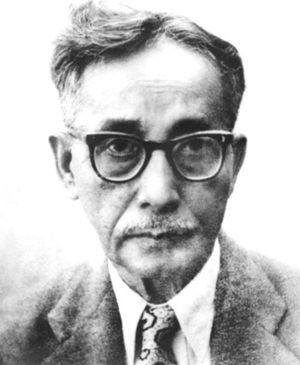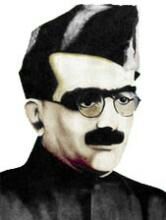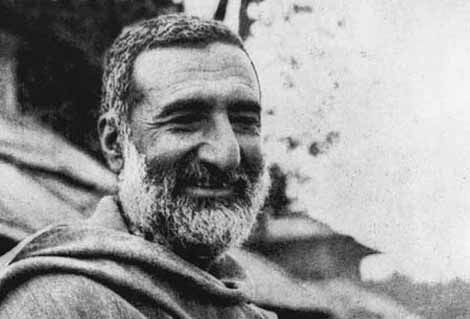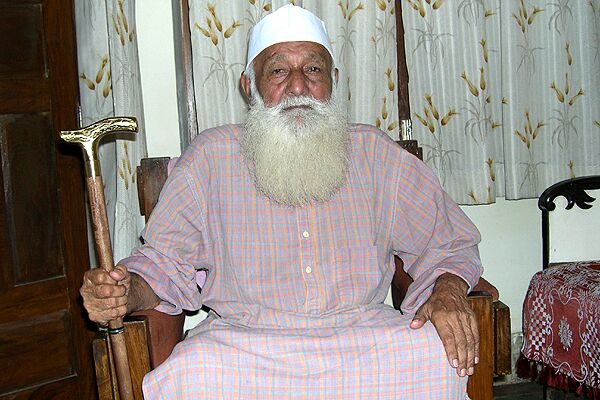
Tag Archives: Khan Abdul Ghaffar Khan

There is no history of India’s freedom without its Muslims

INDIA :

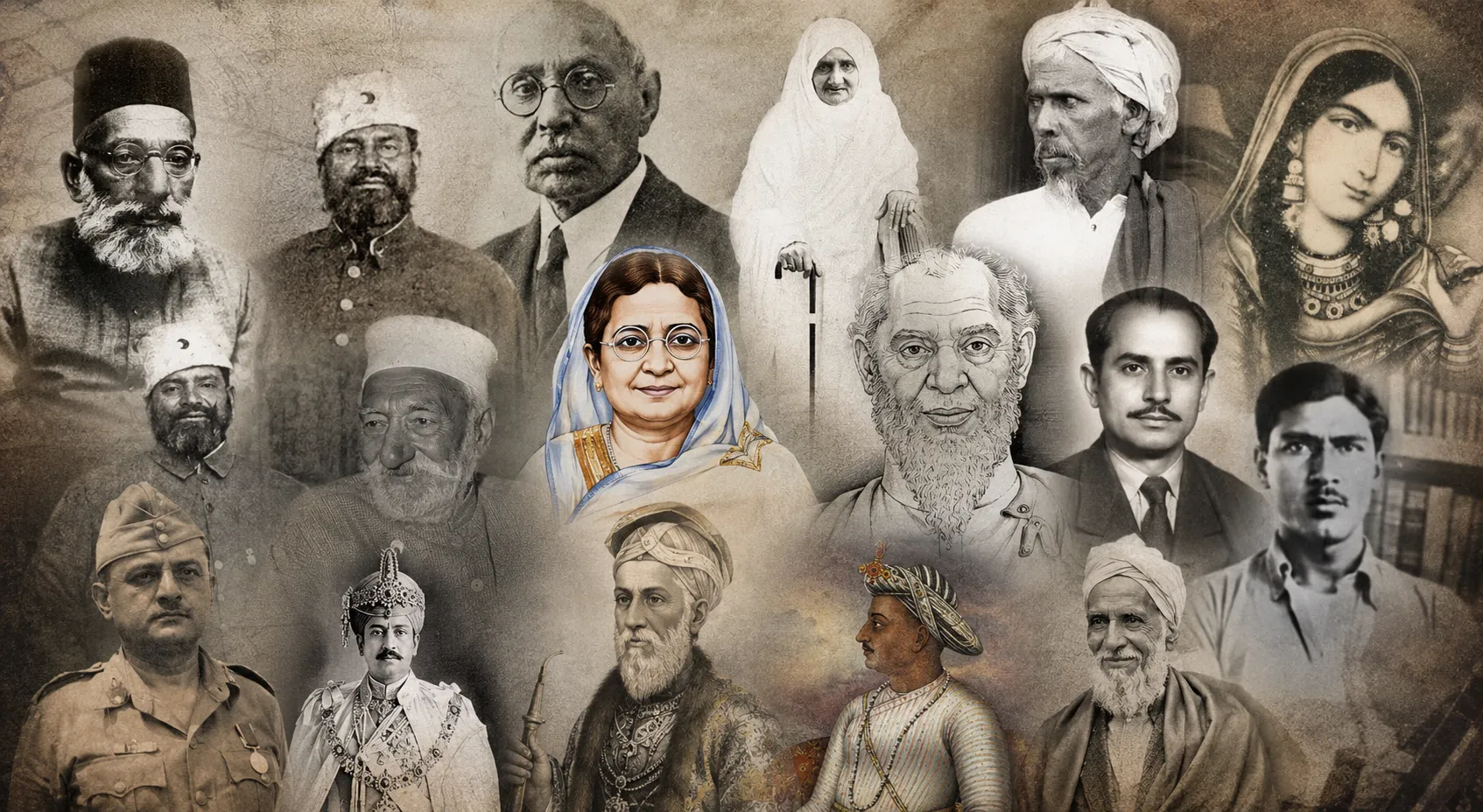
At 80, revisiting the Muslim lives, movements and sacrifices that shaped India’s struggle for freedom, and the politics of forgetting them.

Stroll through the pages of India’s history, because academia has failed to acknowledge some names and contributions in the Indian freedom struggle. From the Taj Mahal, Red Fort, Qutub Minar, Humayun’s Tomb, Gol Gumbaz, Charminar, to Fatehpur Sikri and the bustling lanes of Chandni Chowk, they all speak volumes louder. But the cultural pattern of ‘selectively remembering’ and ‘selectively forgetting’ has downplayed nation’s history into one-dimensional narratives , while external sources of learning like cinemas, textbooks, public places re-branding, etc,  are getting colored with contemporary political dynamics, to legitimize their plans and policies. 

To fathom India’s past sincerely, we must be willing not only to learn but also to unlearn. Learning involves discovering forgotten contributions, while unlearning requires shedding inherited biases, political narratives, and simplified versions of history. Because, as eminent historians have speculated, the past is constantly reinterpreted in the light of new evidence and new questions. Consequently, the framing of our past will affect the present, which will further be read as a past in the future, thus entrusting us with sheer responsibility of weaving a lineage of conscience, not insidious storytelling.

The lost dots of the Indian freedom movements

Revisit in Indian history afresh because erasure never happens all at once, it happens slowly and systematically.

Independence Movements did not count from the very battles fought, but from the conditions laid down before and after to formulate and fixate Indian society and culture altogether. Resistance to the economization, politicisation, and, ultimately, colonization by the Britishers was confronted by the collective plurality which our country possessed with pride. Testifying that resistance was not always born on the battlefield, often it began with communities refusing to harbor animosity for one another. 

Hindu sanyasis and Muslim fakirs whom the British Company wanted to fragmentalise, chose each other instead. Naga ascetics of the Dashnami order like Pandit Bhabani Charan Pathak stood beside Muslim fakirs of the Madari and Burhana sects, Majnu Shah Fakir, Chirag Ali, Musa Shah, and together resisted the oppressive taxation and economic exploitation the Company had imposed. It was one of the earliest organized rebellions against British rule in India, and yet how many of us have even heard these names?
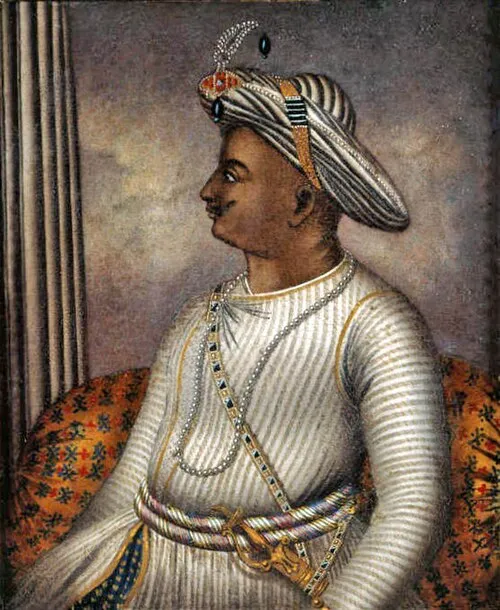
Tipu Sultan

That same defiance carried into Mysore, Tipu Sultan, a name antagonized in recent years that people even slipped away from the fact that he is the man who invented Missiles in India, a ruler who terrified the British. He built iron-cased rockets before most of the world imagined such a weapon, and fought the British across four wars, refusing again and again to let his kingdom bow. And what do we do with that legacy today? 

Islamic gallantry didn’t halt there. Moulvi Ahmadullah Shah, one of the key leaders of the First War of Indian Independence in 1857 was called the lighthouse of rebellion in Awadh, an epitome of the Ganga-Jamuna culture of Faizabad. The rebel army of Awadh was led by Barkat Ahmad and Maulvi Ahmadullah Shah, with Barkat Ahmad declared Chief Army Officer of the rebels after the Battle of Chinhat. ​​​​​​
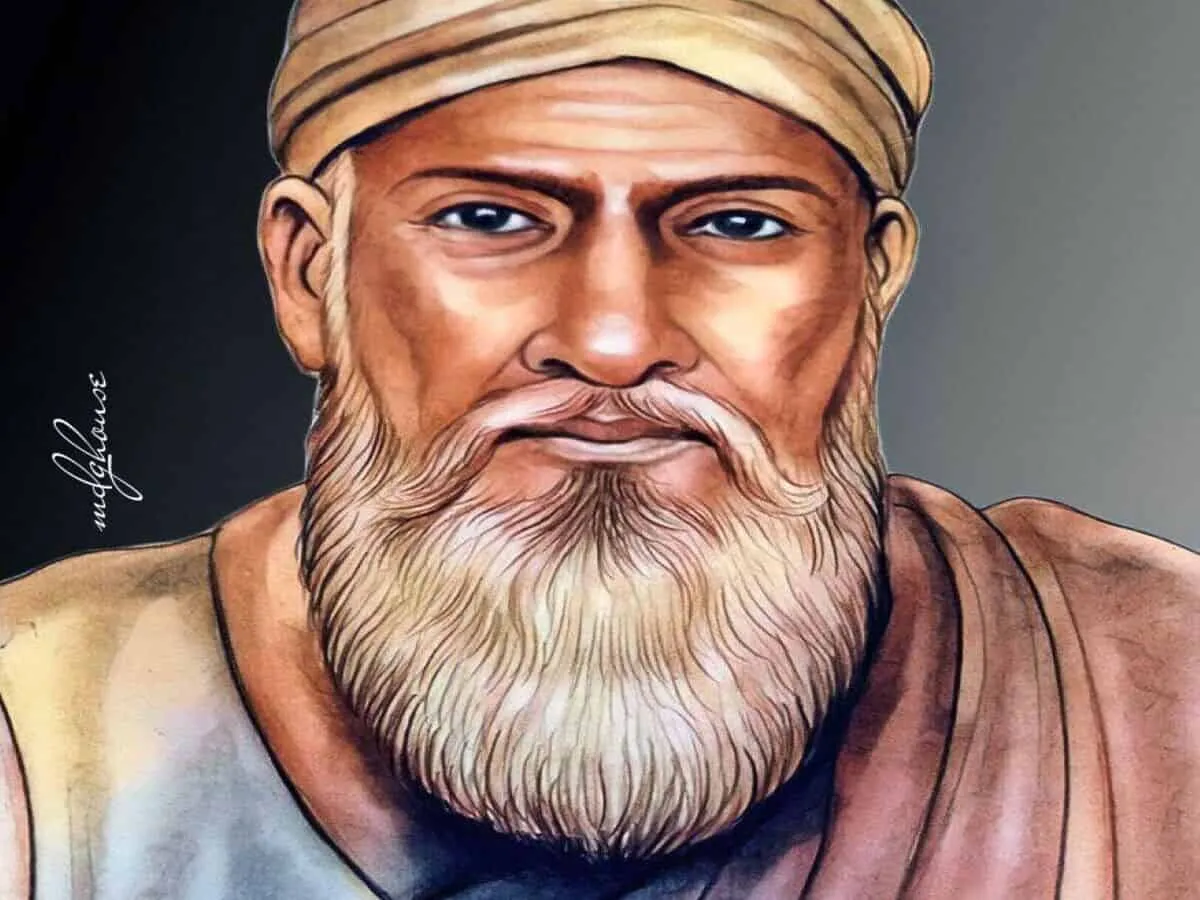
Moulvi Ahmadullah Shah

At the head of that same uprising stood Bahadur Shah Zafar, lending his name and his throne to the rebellion we call the Sepoy Mutiny. He gave everything a king could give, and the British broke him in the cruelest way. After his surrender, his sons Mirza Mughal and Mirza Khizr Sultan, and his grandson Mirza Abu Bakr, were stripped and shot in cold blood by Major William Hodson at what is now called Khooni Darwaza, and their severed heads were brought before their own father as a trophy. So many lives were lost in that struggle, so many families broken, and it is widely said that nearly 5 lakh Muslims were martyred, close to 50,000 of them ullema who chose the battlefield over silence. After rotating around 79 years of India’s independence, we are still cynical over the contributions carved by Indian Muslims.
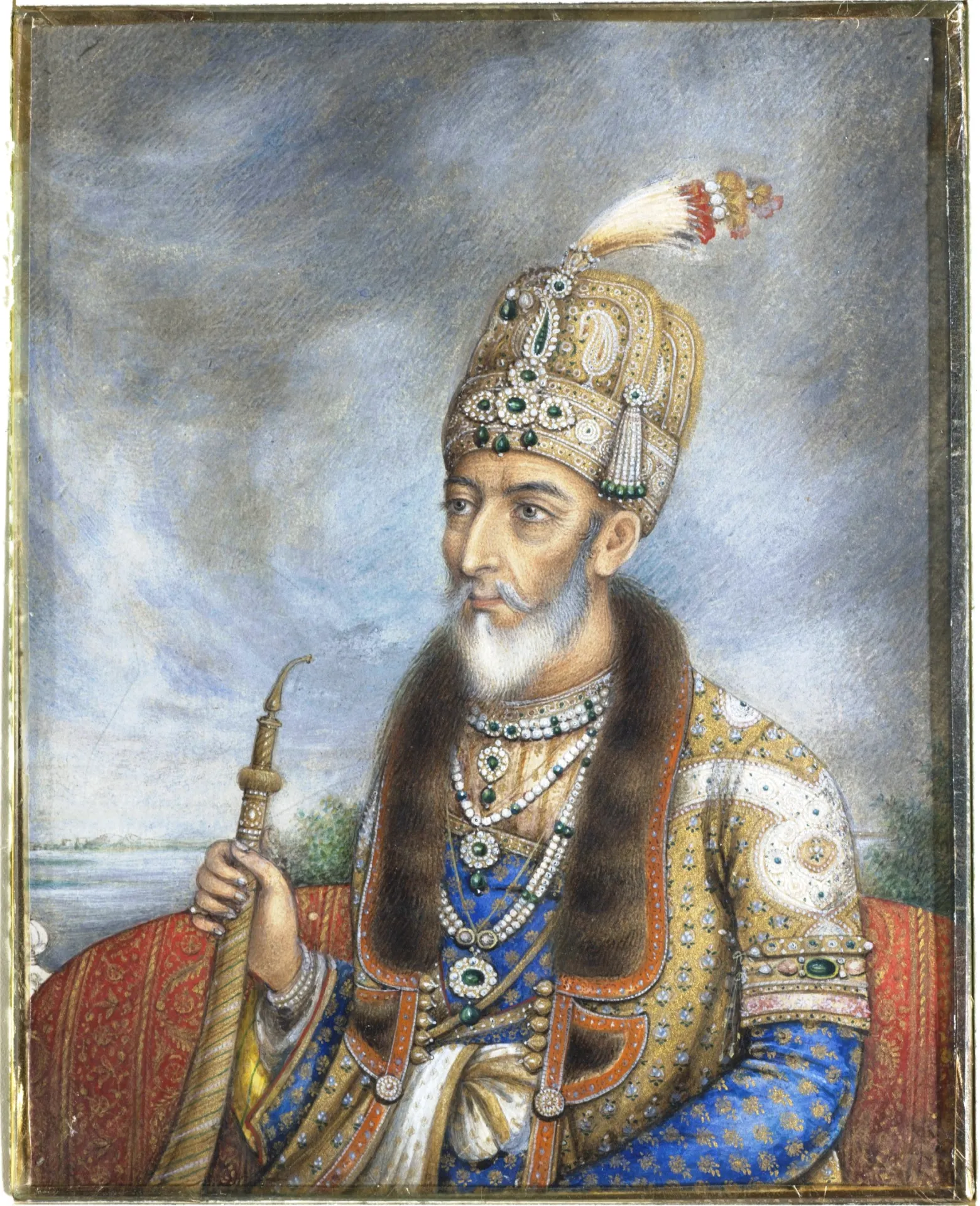
Bahadur Shah Zafar

Another buried name is of, Ashfaquallah Khan, was hanged on 19th December 1927, at just 27 years old, along with other Kakori comrades who were sent to the gallows. This Kakori robbery was to pull back the wealth of Indian soil to channelize it for the national struggle. Khan revolutionized nationalist movement with his participation in Hindustan Republican Association (HRA), founded by Ram Prasad Bismil along with two others. Like Kakori robbery, many other raids were rolled out to confront with required force rather than abstracting the notion of peace towards the gruesome tortures.   Have we ever lent an ear to these lines of Khan’s  ‘Hasrat’ poem- “Kuch aarzoo naheen hai, hai aarzoo to yeh hai, Rakh de koi zara si Khaak-e-watan kafan men” who as his last whim, recited this poem soaked in patriotism. Are we made to remember these lines by a Muslim freedom fighter when we are reminded about the terrified misapplication of the divine slogan “Allah-u-Akbar” to polarize the Islam?
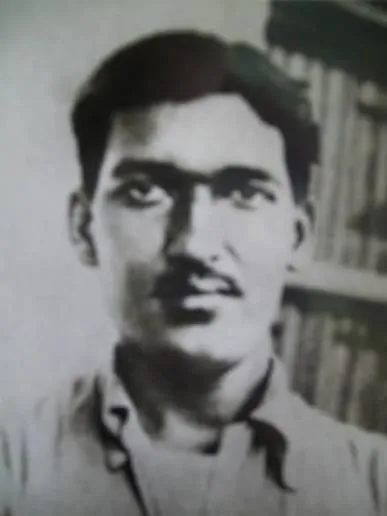
Ashfaqullah Khan

Walking further, Abdul Habeeb Yusuf Marfani, gave away his entire estate for a freedom he’d never see honoured. His courage was never separate from the cause, it was central to it, and it’s long overdue we remember it that way.
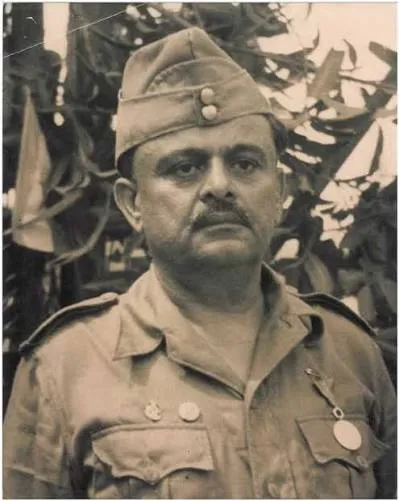
Abdul Habeeb Yusuf Marfani

Muslim participation in India’s freedom struggle was not boxed in a specific time or way, it encompassed armed resistance, societal reforms, mass mobilization, revolutionary events, and non-violent protests. The hurls on the invasions done by Muslims are widely made, but onlookers of the contributions by very same people, are tactfully airbrushed.

Sacrifices for the Indian motherland were proven on silent or loud battlefields,  not by the mere recital of ‘Patriotic Songs’ such as Vande Mataram as a contemporary reference. That is turned down by Indian Muslims lyrically, not soulfully, because of the religiosity which the Indian Constitution guarantees them. When did the recital of patriotic songs begin to outweigh the very acts of sacrifice they were meant to spring up?

Freedom fighters such as Maulvi Ahmadullah Shah, Begum Hazrat Mahal, Fazl-e-Haq Khairabadi (clarified the Jihad term through his war against the British), and Azimullah Khan were also important in the 1857 uprising. Barely, we learn or are made to learn about them? While vilifying other names of this very same community. 
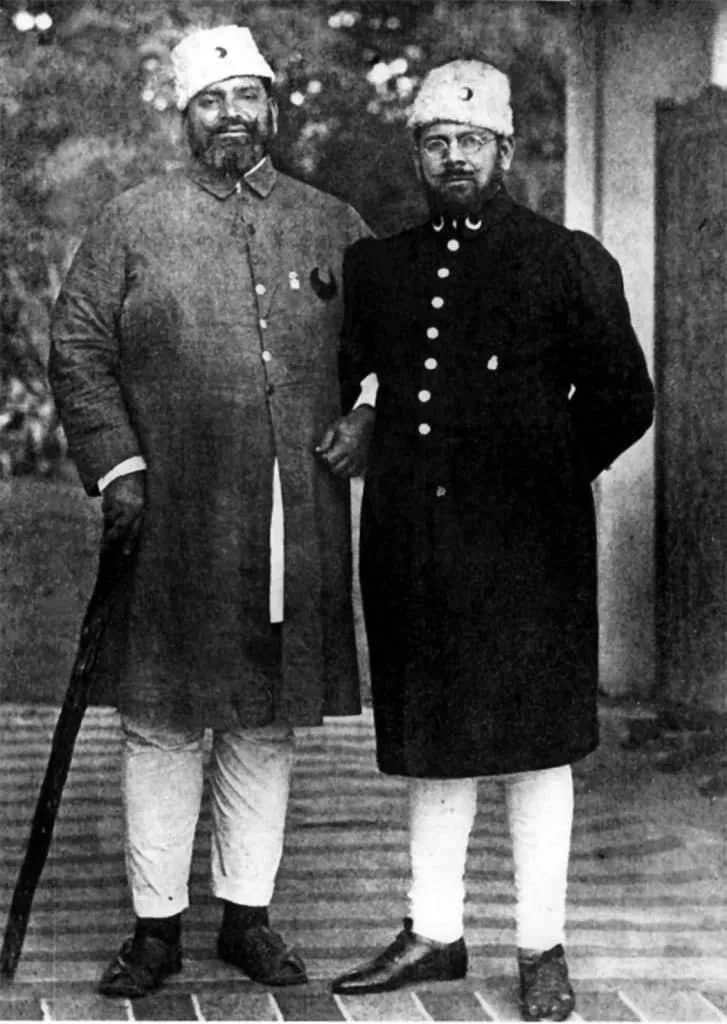
The Ali brothers, Shaukat Ali (1873-1938) and Mohamed Ali Jauhar (1878-1931)

Even the popular moments like the non-cooperation movement and the Khilafat Movement were helmed by some unheeded names: Mohammad Ali Jauhar and Shaukat Ali. Erected on the former’s name, there stands a university in Rampur, U.P. which recently has fallen prey to the communal politics, staking Indian youth’s future at darker stage, thus disregarding the blood of these freedom fighters.
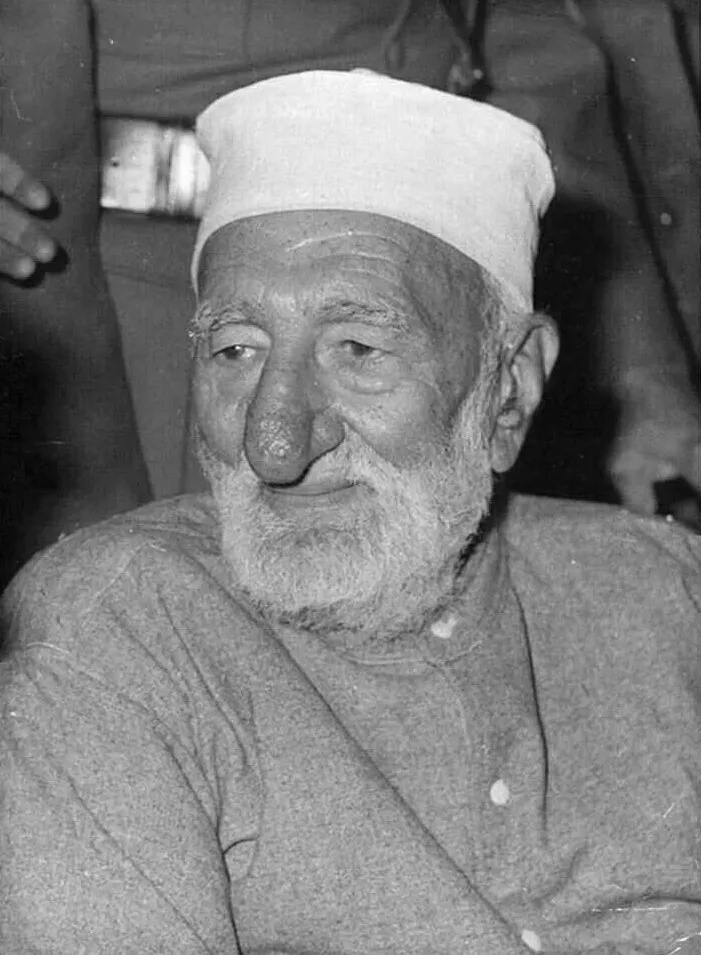
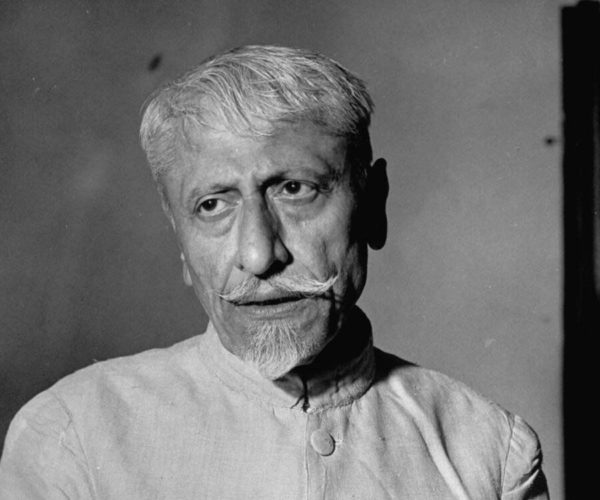
Khan Abdul Ghaffar Khan

Khan Abdul Ghaffar Khan who spent three decades in prison and headed the non-violent Khudai Khidmatgar Movement among Pashtuns against British rule, wherein he combined social reform, service, and discipline. His demise took place during his house arrest in Peshawar. 
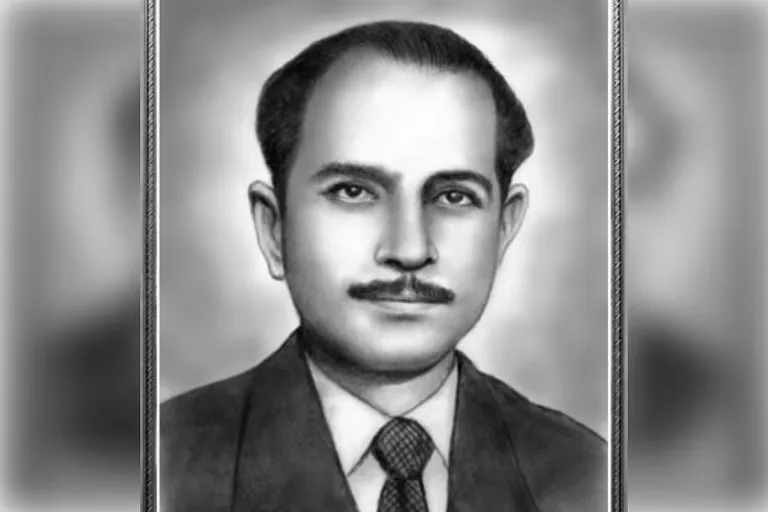
Abid Hasan Safrani

Without a single community-led leader, ideologies often find a loose hand to wrestle for their individual existence rather than collective results. Abid Hasan Safrani,  prominent INA member, mobilized the Muslim youth and committed to Subhas Chandra Bose’s movement (Azad Hind Fauj), which underpinned armed resistance in the Indian Freedom Struggle rather than non-violent means, brewing the unity for winning back the motherland.

Having said that, the famous Ghadar Party, founded in 1913, was pioneered by one more buried name- Maulana Barkatullah Bhopali. He was the first Prime Minister of the Provisional Government of India (Government-in-Exile), which was established in Kabul in 1915. He traversed across Europe, Asia, and North America to usher in the momentum for the Indian freedom struggle. His death took place in the US, leaving him deprived of bidding adieu to his motherland one last time.
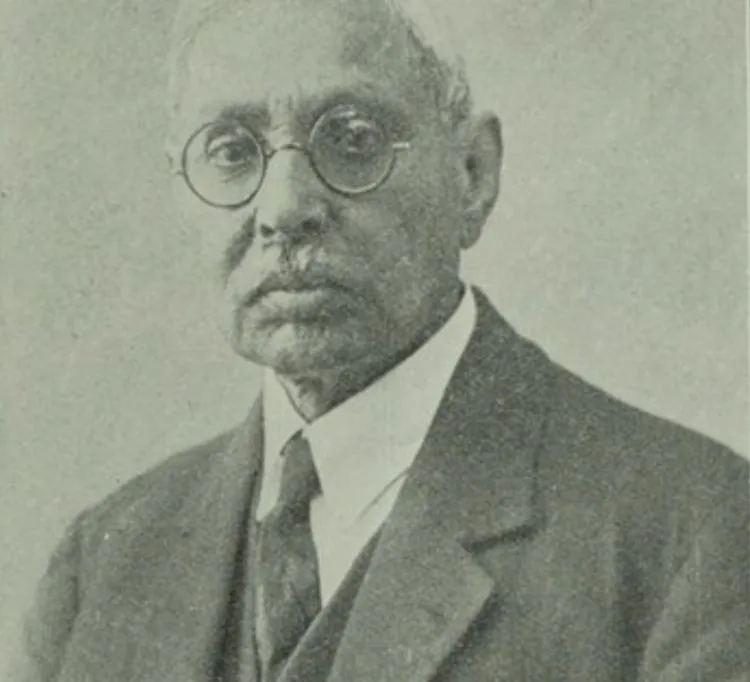
Maulana Barkatullah Bhopali

Then, “Inquilab Zindabad”, the popular hymn echoed at Jantar Mantar very recently, was originally coined by Urdu poet-politician Hasrat Mohani at the Congress’ Ahmedabad session, while Bhagat Singh solely made it popularized. Mohani had been a soulful Krishna Bhakt, leaving him writing eulogies for ‘Hazrat Krishna’ (Hazrat is not a religious tag; it is an honorary title).  He, being the co-prisoner of Gandhi ji, presented him with the USSR idea of federalism for empowering the localized and regional pockets of the agglomerate India. His courage and values proved his patriotism in the debates of the Constituent Assembly and confrontations with the Britishers. 
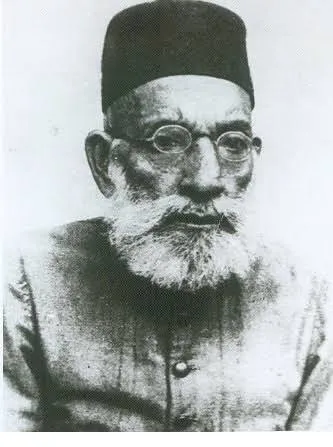
Hasrat Mohani

We remember Mahatma Gandhi more than any other freedom fighter, but are we mindful of the fact that the man who saved him was Batak Mian Ansari during the Champaran Satyagraha in 1917? He was the cook deployed by the Britishers, who then ordered Batak Mian Ansari to serve venomous milk to Gandhi ji. His integrity made him stake his life to save Gandhi ji. He sneakily warned Gandhi ji, and, as anticipated, he was kicked out of his job by the Britishers, further leaving him battered by the villagers and ousting him and his family from his residence. To date, his family couldn’t receive what was promised for his courage by India’s first president, Rajendra Prasad. Questioning how much we have honoured the honorable personalities on the ground?
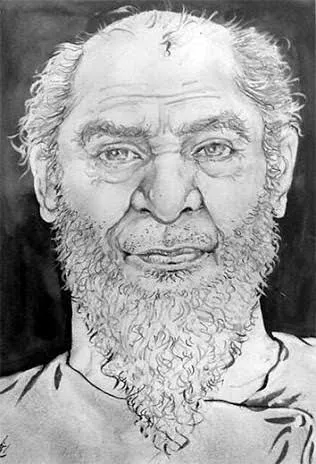
Batak Mian Ansari

The last Nizam of Hyderabad, Mir Osman Ali Khan, is also in this queue of the buried names. Independence movement is not merely the swing between direct confrontation with colonial regime, it too laps over the pre and post period that either nudged the movements or repaired the damages caused to India. He has reportedly granted mammoth donations across educational and religious institutions. From BHU, AMU, IISc, publication of critical editions of Mahabharata, Golden Temple, Amritsar and many more places . We rewind through cruel rulers who demolished Indian structures, to attack their community and make them accountable in the present, but are we awakened with these submerged realities as well? One-sided history or evolving history, rationality comes with the choices citizens make to discern their roots.
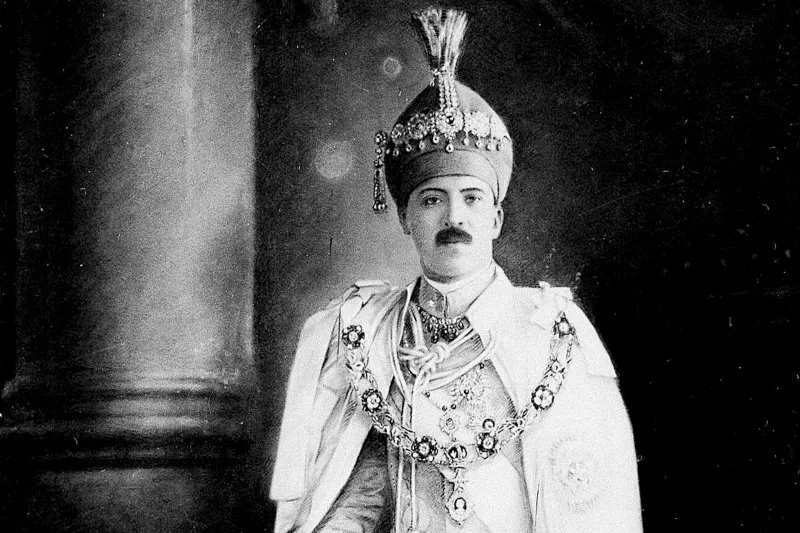
Mir Osman Ali Khan

The history of Muslim resistance to British colonial rule also travelled deep into Malabar in Kerala, where Variyankunnath Kunjahammad Haji, Ali Musliyar , and Sayyid Fazal Pookoya Thangal emerged as formidable names in a long tradition of anti-colonial mobilisation. Fazal Pookoya Thangal, the 19th-century Mappila spiritual leader of Malabar, became an influential voice against British authority and the oppressive agrarian order sustained under colonial rule, eventually being forced into exile in 1852. Decades later, that inheritance of resistance found powerful expression in the 1921 Malabar uprising, with Ali Musliyar, a religious scholar and Khilafat leader, and Variyankunnath Kunjahammad Haji becoming among its most prominent leaders. Haji challenged British authority in parts of Malabar and established a parallel administration in areas under rebel control, while Ali Musliyar mobilised people against colonial rule before being captured and executed by the British. Haji, too, was eventually captured and executed by firing squad in January 1922.
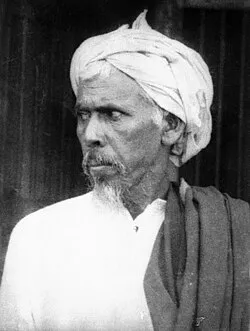
Ali Musliyar

Culture can marginalise women, but religion pours courage 

“Khoob Ladi Mardani thi, Wo Jhansi Wali Rani thi”, Whenever we speak of women who took up arms for this land, Rani Lakshmibai of Jhansi is the name that comes to every tongue, and she deserves every bit of that memory. But here’s what gnaws: she was not alone. There were other women just as fearless, standing in the same fire, and history simply didn’t bother to write their names down. 
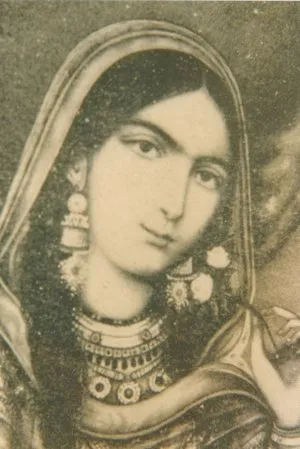
Begum Hazrat Mahal

Begum Hazrat Mahal was one of them, and she wasn’t a side character, she was one of the rebellion’s most formidable forces. Even William Howard Russell, a British correspondent writing for his own side, couldn’t deny her fire. In his My Indian Mutiny Dairy, describing her as a woman of remarkable energy who had stirred all of Oudh into rising for her son’s cause and had herself declared undying war against the British. At Musa Bagh in Lucknow, she didn’t issue orders from a distance, she personally fought alongside and rallied nearly 9,000 rebel soldiers, moving from camp to camp, lifting morale with speeches that set entire camps on fire.
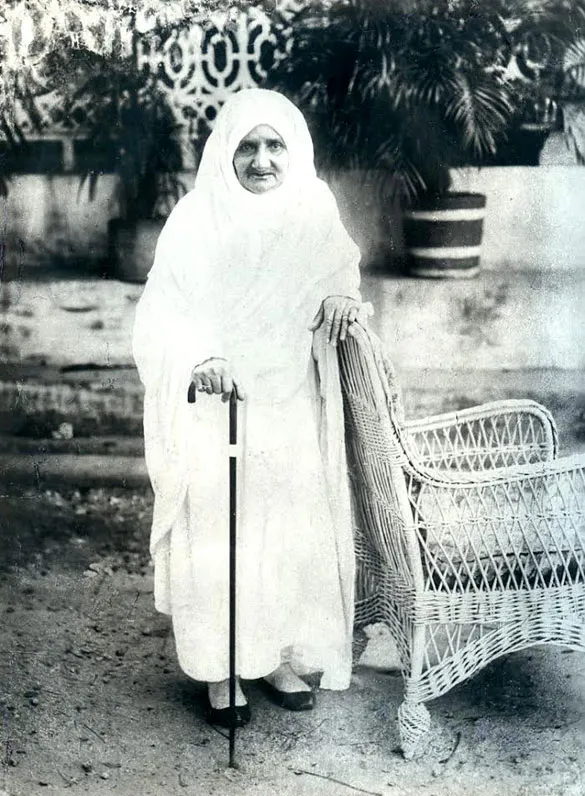
Abadi Bano Begum

And then there’s Abadi Bano Begum- the woman history remembers, if at all, only as “Bi Amma.” A widow with six children, one of the sons Maulana Shaukat Ali, and the other Mohammad Ali Jauhar, above-mentioned together known as the Ali Brothers. She could have used every excuse the world hands a woman to stay silent. widowhood, motherhood, the weight of raising children alone. She used none of them. When the country needed people brave enough to stand up to the British, she stood up too. She became the first woman to address a political rally while wearing a burqa and let that sink in for a moment. She didn’t have to remove a part of her identity to be taken seriously in public life; she broke the idea that a veiled woman couldn’t also be a fighter, a leader, or a voice loud enough to move a crowd. She urged women to stop hiding at home and join the struggle, organizing funds and meetings where they were addressed as political beings for the first time, and taught why boycotting foreign goods mattered. She convinced them to donate to the Tilak Swaraj Fund, set up by Bal Gangadhar Tilak to finance India’s freedom struggle.
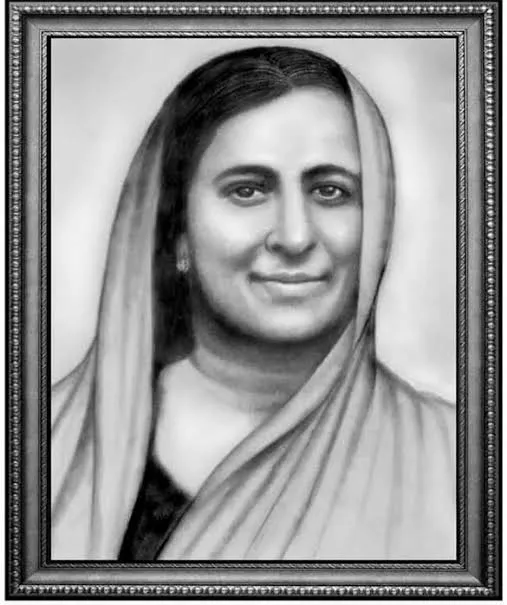
Kulsum Sayani

Not every battle was fought with a sword, some were fought with pen and paper. Kulsum Sayani, awarded the Padma Shri in 1960, waged her own war against illiteracy through the Jan Jagran movement, teaching under “each one, teach one” and leading centres for Muslim women that grew from 50 to 600 by sheer will. Begum Rokeya, a fiercely prolific feminist writer at a time when a woman dreaming was seen as rebellion, imagined a world turned upside down in Sultana’s Dream, then built that vision into reality, founding a girls’ school in 1909 and the Muslim Women’s Association in 1916, giving women space to learn and speak.
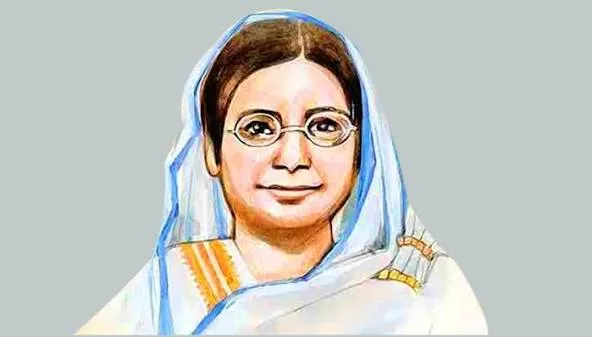
Begum Rokeya

80th Indian Independence Day’s call to unwind the narratives 

As the author of ‘Sare Jahan Sai Achcha, Hindustan Humara’– Allama Iqbal penned- “The freedom lovers of the nation stepped forward with such dignity that even those long imprisoned by deprivation watched in admiration.” It has been shouldered on the present generations to soak in the evolving history to sanitize the present from groans of hatred, rotting the Indian society. 

These lost chapters from Indian history wouldn’t have been possible to muster without the effulgent works of Salim Khan, Romila Thapar, Ramachandra Guha, S. Irfan Habib, Mushirul Hasan, A. G. Noorani, Rana Safvi, etc. Grinning us with the fact that the pluralistic framework of India is not only designed by the constituent makers, but it is also originally earned by all the freedom fighters, from pre- to post-independence.

Adeena Navaid is a law student and writer covering legal, social, and feminist issues, with work published in Maktoob, Bar & Bench, The Quint, Siasat, SheThePeople, and other platforms. Aiman Tabassum is a final-year LL.B. student at the University of Mumbai who writes on constitutional law, legal history, and socio-political issues, with work published in Bar & Bench.

source: http://www.maktoobmedia.com / Maktoob Media / Home> Opinion / by Adeena Navaid & Aiman Tabassum / August 14th, 2026
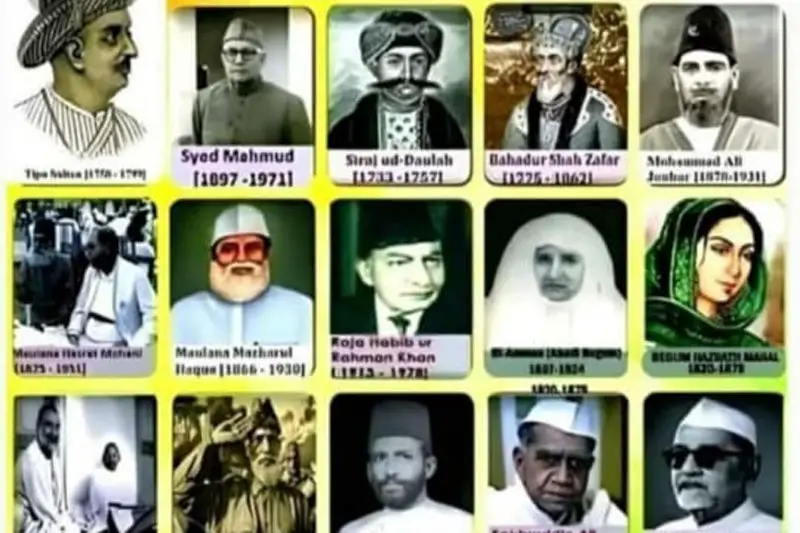
Sabhi ka khoon hai shamil yaha ki mitti me: Muslim Freedom Fighters of India

INDIA:

Uncover the remarkable contributions of Muslim freedom Fighters of India to fight for freedom from British colonial rule.

In present times, Indian Muslims find themselves subjected to demonization and unwarranted questioning of their patriotism. Communal elements seek to manipulate history by intentionally excluding Muslims and disseminating false propaganda against them through social media. The vital contributions and sacrifices made by Indian Muslims in the struggle for India’s freedom from British colonial rule are systematically obscured. However, a closer examination of history reveals that not only did Indian Muslims play an essential role in the freedom movement, but they also made significant sacrifices for the cause of anti-colonial nationalism.

Indian Muslims: Unveiling Their Crucial Role

According to a report by the Milli Chronicle, the names of 95,300 freedom fighters are etched on the India Gate in Delhi, and remarkably, 61,945 of these names belong to Muslims, signifying that 65% of these brave individuals were Muslims. The significance of this statistic is eloquently captured by the renowned writer Mr. Kushwant Singh, who boldly states that the story of Indian freedom is etched in the blood of Muslims, emphasizing their disproportionately larger contribution to the struggle, considering their smaller population percentage.

Profiles of Courage: Muslim Freedom Fighters

The annals of history are adorned with the stories of Muslim freedom fighters who put their lives on the line to liberate India from the shackles of British oppression. These individuals, driven by an unwavering determination to secure their homeland’s independence, demonstrated exceptional courage and resilience.

Sultan Haidar Ali Salabat Jung: The First Freedom Fighter


   Sultan Haidar Ali, father of Tipu Sultan, pioneered the fight against British colonial forces. A secular leader, he united both Hindus and Muslims in his quest for freedom, although his efforts were eventually betrayed.

Tipu Sultan: A Trailblazer in Battle


   Son of India’s first freedom fighter Haider Ali, Tipu Sultan pioneered the use of iron-cased rockets, utilizing them effectively to defeat British forces in several historic battles over two decades.

Shaheed Ashfaqullah Khan: A Martyr’s Legacy


   Member of the Hindustan Republican Association (HRA), Ashfaqullah Khan paid the ultimate price for India’s freedom. Notable for his daring attacks on British government trains, his sacrifice remains etched in history.

Maulana Abul Kalam Azad: A Beacon of Unity


   Maulana Azad, a key leader in the anti-colonial nationalist movement, became the youngest President of the Indian National Congress. He rallied Hindus and Muslims alike against British oppression and launched Urdu Weekly Al-Hilal to expose British misrule.

Maulana Hasrat Mohani: Champion of Change

Mohani’s powerful Urdu speeches incited Indians to stand up against British rule. His unyielding spirit saw him arrested and jailed, but his impact on India’s fight for freedom remained profound.

Khan Abdul Ghaffar Khan: The Frontier Gandhi


   A pivotal figure in the Khilafat movement, Khan Abdul Ghaffar Khan established the Khudai Khitmatgars, promoting peace and unity. Jailed for 13 years by the British, his dedication was unwavering.

Sirajud Daula: Battling Against Betrayal


   The last Nawab of Bengal, Sirajud Daula, fought valiantly against British forces. Despite betrayal, he remained a symbol of resistance against British rule.

Vakkom Majeed: Courage Amidst Oppression


   Vakkom Majeed’s resilience during the Quit India movement earned him repeated jail terms, highlighting his unwavering commitment to India’s freedom.

Fazl-e-Huq Khairabadi: Life in Exile


   Sentenced to life in the notorious Kalapani jail on Andaman, Fazl-e-Huq Khairabadi continued his fight for freedom despite insurmountable odds.

Badruddin Tayabji: Founding the INC


    Badruddin Tyabji and Qamruddin Tyabji were instrumental in establishing the Indian National Congress (INC). Badruddin’s wife, Suraiya Tayabji, designed the present Indian flag.

Shah Nawaz Khan: A Triumphant Act


    Major of Azad Hind Force, Shah Nawaz Khan was the first to hoist the tricolor at the Red Fort, symbolizing India’s victorious struggle against British imperialism.

Barrister Saifuddin Kitchlew: A Voice for Justice


    Jailed for 14 years by the British for protesting against the Jallianwala Bagh massacre and the Rowlatt Acts, Kitchlew’s opposition to the two-nation theory set him apart.

Bakht Khan: A Gallant Defender


    Bakht Khan’s courageous defense against the British in Delhi, Bengal, and Lucknow showcased his unwavering dedication to India’s freedom.

Titu Mir: Bengali Rebel


    Titu Mir’s armed resistance against British colonial authorities exemplified his determination to free India from British rule.

Syed Ahmad Barelvi: Organizing Resistance


    Syed Ahmad Barelvi’s efforts in uniting native armies against the British from Delhi to Kabul showcased his strategic prowess.

Zain-ul-Abideen: INA Officer’s Patriotic Slogan


    Zain-ul-Abideen, an officer of the Indian National Army (INA), coined the iconic patriotic slogan “Jai Hind.”

Empowering Women in the Freedom Struggle

The fight for India’s freedom was not limited to men; several Muslim women also contributed significantly to the struggle.

Begum Hazrat Mahal: A Rebel Leader


   Rebelling against the British in 1857, Begum Hazrat Mahal seized control of Lucknow from British forces, showcasing her leadership and courage.

Surayya Tyabji: Designing India’s Flag


   Wife of freedom fighter Badruddin Tayyabji, Surayya Tyabji designed the Indian flag that we proudly hoist today.

Abadi Bano Begum: A Pioneer in Politics


   Abadi Bano Begum, known as Bi Amma, actively participated in politics, matching her male counterparts in the Indian National Movement. Her sons went on to become prominent leaders.

Azizan: A Warrior’s Spirit


   Azizan organized a battalion of warrior women, displaying her remarkable skill in the art of war and refusing to yield to British pressure.

A Timeless Legacy

The contributions and sacrifices of Indian Muslims in the fight against British colonialism are immeasurable. While recounting the names of every Muslim freedom fighter may be an impossible feat, their collective impact remains undeniable. The fact that many chose to remain in India underscores their deep-rooted connection to the land. Despite attempts to distort history, India will forever be the cherished home of its Muslim citizens.

Conclusion

Urdu poet Rahat Indori’s words,

“Sabhi ka khoon hai shamil yaha ki mitti me,

Kisi ke baap ka Hindustaan thodi hai,”

encapsulate the essence of Muslim Freedom Fighters of India’ unyielding commitment to their homeland. The sacrifices and contributions of Indian Muslims in the struggle for independence stand as a testament to their unwavering dedication and indomitable spirit. Their stories deserve to be acknowledged and celebrated, inspiring future generations to honor the diverse tapestry of individuals who fought for a free and united India.

source: http://www.munsifdaily.com / The Munsif Daily / Home> News> Indai> Pan India / by Munsif Web Desk / August 18th, 2023

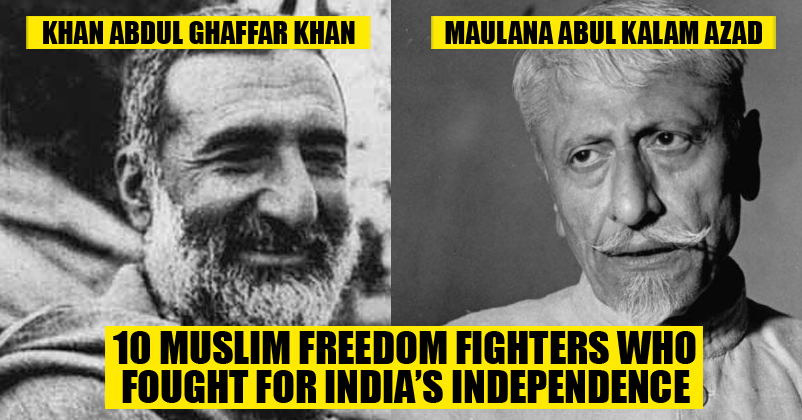
10 Muslim Freedom Fighters Who Fought For India’s Independence

FreedomFightersMPOs26aug2018

Ironically, in our present day India, even freedom fighters are judged on the basis of their religion. Many people believe Muslims didn’t contribute to India’s Independence from the British rule. To make it worse, there are not many sources available that disclose Muslims’ contribution to India’s Independence.

To break the myth of every person who believes Muslims have given no contribution to India’s history, we have tried to come up with a list of 11 Muslim fighters who fought for India’s Independence and are still present somewhere in India’s history.

Maulana Abul Kalam Azad

MaulanaAzadMPOs26aug2018

One of the greatest freedom fighters of India, Maulana Abul Kalam Azad, is our first name of Muslim Freedom Fighters. His service to the nation didn’t just stop after India became independent, he continued serving India till his last breath. He first took part in India’s Independence aged just 16. In his second stint as Congress President, He started the Quit India Movement. He was the first education minister of India. He was conferred a Bharat Ratna in the year 1922. Maulana Abul Kalam Azad, after serving the country for over 50 years, breathed his last on 22 February 1958.

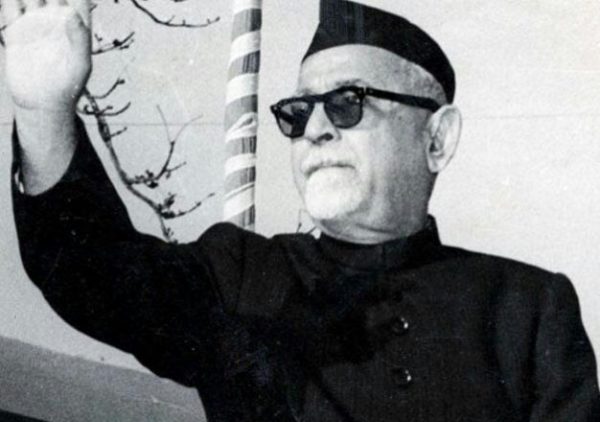
Dr. Zakir Husain

Dr.ZakirHussainMPOs26aug2018

Another Bharat Ratna awardee, Dr. Zakir Husain was the third president of independent India and also the first Muslim president of India. He was a stern follower of Mahatma Gandhi’s non-violence policies. He believed that education was essential to make the Indian youth capable of fighting against the British and thus focused on empowering the education system. He acted as the Vice Chancellor of Jamia Millia Islamia for 22 years (1926-48) and made it one of the finest educational institute of India. He died on 3 May 1969 becoming the first Indian president to die on duty.

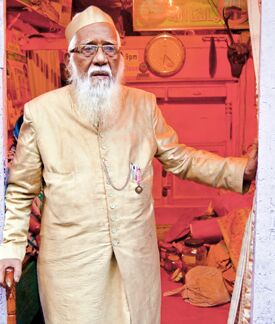
Syed Mohammad Sharfuddin Quadri

SharafuddinQuadriMPOs26aug2018

A forgotten hero of India’s freedom struggle, Syed Mohammad Sharfuddin Quadri is included in our list for his supreme acts of nobility. He joined India’s freedom struggle during the Salt Satyagraha movement in 1930. He ably supported Mahatma Gandhi in every struggle and was imprisoned in the same cell as Mahatma Gandhi. Even after independence, he stayed away from politics and still continued to contribute his bit to the nation. He died on 30 December 2015, at the age of 114, 8 years after getting awarded with a Padma Bhushan.

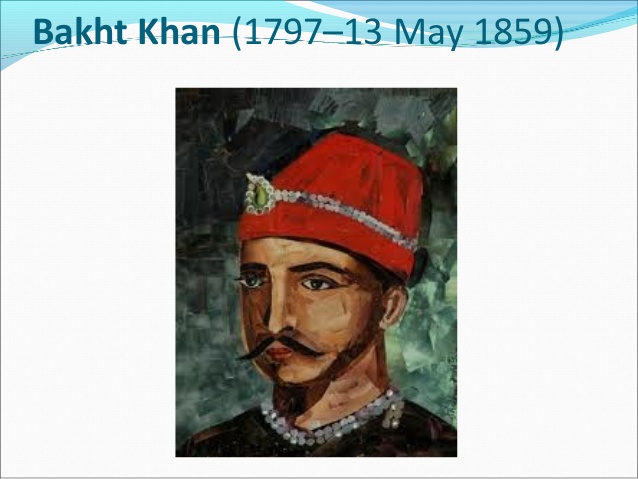
Bakht Khan

BakhtKhanMPOs26aug2018

Hailing from Bijnor district of Uttar Pradesh, Bakht Khan was a major part of the rebellion of 1857. An experienced army-man, Bakht Khan served as a Subedar in the Army of East India Company. Bakht Khan took command of the rebel forces. He lacked ammunitions, food and other necessities and still managed to improve the standard of rebellion forces drastically. His strong and powerful rebellion activities prompted the British rulers to launch a man hunt. In May of 1859, the British had their prime target, Bakht Khan, shot dead.

Muzaffar Ahmed

MuzaffarMPOs26aug2018

Born in the present day Bangladesh, Muzaffar Ahmed initiated a magazine Navayug to promote the nationalist feeling amongst the Indian youth. He was one of the founders of the communist party of India. He was jailed several times for his involvement in various conspicuous deaths of British officers. The headquarters of Communist Party Of India in Kolkata is named after him. He died in Kolkata in the year 1973.

Mohammad Abdur Rahiman

MohamedAbdulRahmanMPOs26aug2018

Born in the Thrissur district of Kerala in the year 1898, Mohammad Abdur Rahiman was known for his heroics in restoring peace in the riot affected areas of 1921. He was jailed for two years for the same. He practised Salt Satyagraha and was again sentenced for rigorous imprisonment for 7 months. He mobilised the Muslim masses against the two nation theory of Muslim league Party. Soon after addressing a public meeting at Kodiyathur on 23 November 1945, he breathed his last.

Khan Abdul Ghaffar Khan

KhanAbdulGhaffarKhanMPOs26aug2018

Known as ‘Frontier Gandhi’, Khan Abdul Ghaffar Khan was one of the major reasons behind the Britishers leaving India. He pioneered the famous Khudai Khidmatgar (“Servants of God”) movement in 1929 and it successfully guided it to its Destiny. After independence, he opposed the partition of India but failed. He moved to Pakistan and started a movement for a separate Baloch province. He was jailed many times for the same cause. He died in 1988. During that period, a war was going on between the Afghani rebels and soviet forces. However, both sides halted their proceedings to lend a tribute to this legend.

Abbas Ali

AbbasAliMPOs26aug2018

Inspired by Bhagat Singh and Chandrashekhar Azad, Abbas Ali joined the Indian freedom movement in his teenage after completing his education. He joined the Indian National Army (INA) or the ‘Azad Hind Fauj’ and was subsequently court-martialled and sentenced to death. However, before he could serve his punishment, India attained independence and Abbas was eventually set free. He was in jail for over 50 times all throughout his life and stayed in jail for 19 months when Indira Gandhi imposed the emergency. He died on 11 October 2014 due to a heart failure.

Asaf Ali

AsafAliMPOs26aug2018

When tons and tons of freedom fighters were getting jailed everyday, Asaf Ali stepped up and fought their legal battles to bail them out. He was even jailed alongside Jawaharlal Nehru. He participated in the ‘Quit India Movement’ and did everything he could for helping India achieve independence. On 1 April 1953, Asaf Ali died in Bern (Switzerland) while serving as India’s representative. A postal stamp was issued in his honour in 1989.

Maulana Mazharul Haque

MaulanaMazharalHaqueMPOs26aug2018

Born in Patna district of Bihar on 22 December 1886, Maulana Mazharul Haque was known for his his social works during the famine of 1897. He became the Vice Chairman of Bihar Congress Committee and started taking part in the freedom struggle. He played a major role in making the Non-Cooperation and Khilafat Movements and the Champaran Satyagraha a success. He died in January 1930 before which he donated every single bit of his property for encouraging education. In his honour, in April 1988, the Maulana Mazharul Haque Arabic and Persian University was founded at Patna.

Not just these 10, there are many many more of such brave souls who fought for their nation while being active followers of Islam. Maghfoor Ahmad Ajazi, Saifuddin Kitchlew, Moulvi Mohammad Baqir, Vakkom Majeed and many more names can be added to this list.

Yes patriotism is a religion in itself and tagging it with another religion is completely unacceptable. Do let us know if you know about other such Muslim Freedom Fighters in our comments section below.

source: http://www.rvcj.com / RVCJ / Home> Extras / by Kashif Sheikh / February 13th, 2017

Role of Muslims in freedom struggle

The freedom movement of India was not the sole agenda of a particular political party but it had moved aam aadmi in the form of masses in his/her own capacity. The history of Indian national movement would be biased and incomplete without the presentation of the actual role of Indian Muslims in it, right from the revolt of 1857 to the day of Independence in 1947.

Shoulder to shoulder they fought with the other communities for the Independence of India. The contribution of Muslim poets, revolutionaries and writers is not known today. Instead of secular historiography, it has been communalised.

                                             Courtesy: Mapsofindia.com

The Muslims and other minorities never envisaged India as adopted land because Muslims of India have not come from outside but are the converts to Islam and have deep feeling sense of belonging to this country and therefore contributed to the cultural, economic, intellectual and spiritual progress throughout the ages.

The role, significance and uprising of Indians against British imperialists can be seen since mid of 18th century in the form of Battle of Palashi (Plassey), June 23, 1757. It was Nawab Siraj-ud-Daulah who first awakened Indian rulers and gave a call to oppose the British. He, however, lost the battle and was executed at the young age of 24. This was soon followed by the great Tipu Sultan, who was killed by Lord Wellesley during the fourth Anglo-Mysore war in 1799.

The contribution of Muslim revolutionaries can be witnessed from the first half of 19th century. The Faraizi and the Wahhabi Movements had disturbed the pace of British plan in the initial stages of its expansion in India. The Wahabi movement of Syed Ahmed Barelvi was the most organised one. He appealed to all Hindus and Muslims to overthrow the British and thus he was killed in 1831 at Balakot.

The number of Muslims executed only in Delhi during 1857-58 was 27,000. During this revolt, Asghari Begum (mother of Qazi Abdur Rahim, the revolutionary of Thana Bhawan, Muzaffarnagar) fought against the British and was burnt alive when defeated. It was estimated that about 225 Muslim women gave their lives in the revolt.

Similarly, barely is known about the contribution of Muhammad Ashfaq Ullah Khan of Shahjehanpur who conspired and looted the British treasury at Kakori (Lucknow) to cripple the administration and who, when asked for his last will, before execution, desired: “No desire is left except one that someone may put a little soil of my motherland in my winding sheet.”

Likewise, the present generation does not know about Khan Abdul Gaffar Khan, a great nationalist who had passed 45 years of his 95-years of life in jail for the freedom of India and thus awarded ‘Bharat Ratna’ in 1987. Barkatullah and Syed Rehmat Shah of Ghadar Party sacrificed their lives. Umar Subhani, an industrialist and a millionaire of Bombay who, then, presented a blank cheque to Gandhiji for Congress expenses and who ultimately sacrificed his life for the cause of Independence. Maulana Hasrat Mohani, with his poetry, infused zeal of freedom in young hearts.

Maulana Abul Kalam Azad, at the age of 35, became the youngest person to serve as the President of the Indian National Congress. He was the icon of Hindu-Muslim unity as well as espousing secularism and socialism. Raj Mohan Gandhi in his book ‘Understanding Muslim Minds’ mentioned that Maulana went straight to Congress office just after the funeral procession of his wife, Zuleikha Begum and led Quit India Movement.

Manmohan Kaur in her book entitled as ‘Women In India’s Freedom Movement’ makes reference to only Begum Hazrat Mahel and Bi-Amma out of the hundreds of women who fought the battle of freedom along with their men folk against the British Raj. The history of the Indian national movement would be incomplete without mentioning the heartily services of Abadi Begum (mother of Maulana Muhammad Ali), Amjadi Begum (wife of Maulana Muhammad Ali), Amina Tyabji (wife of Abbas Tyabji), Begum Sakina Luqmani (wife of Dr Luqmani and daughter of Badruddin Tyabji), Nishat-un-Nisa (Begum Hasrat Mohani), Saadat Bano Kitchlew (wife of Dr Saifuddin Kichlew), Zulekha Begum (wife of Maulana Azad), Mehr Taj (daughter of Khan Abdul Ghaffar Khan), Zubaida Begum Daoodi (wife of Shafi Daoodi, the reputed nationalist of Bihar) and many others.

Santimoy Ray’s ‘Freedom Movement And Indian Muslims’ challenges the many prejudices that generate bias and hatred against the Indian Muslims, particularly their contentions role in Indian freedom movement.

This shows the great sacrifices they made to oust the British rule in all the national uprisings from Sanyasi Movement to Independence, finally led to the withdrawal of British from India in 1947. It is such a pity that their roles in the struggle for freedom has not been adequately presented in the Indian history. The comprehensive study about the role of Muslims struggle for freedom is essential to help eradicating prejudices and many misconceptions against the Muslims grown in the absence of fair historiography.

I’m recalling some of the beautiful lines of Faiz Ahmed Faiz …

Ye daagh daagh ujaalaa, ye shab-gaziida sahar,
Vo intizaar thaa jis-kaa, ye vo sahar to nahiiN,
Ye vo sahar to nahiiN jis-kii aarzu lekar
Chale the yaar ke mil-ja`egi kahiiN na kahiN
Falak ke dasht meN taroN kii aakhiri manzil,
KahiN to hogaa shab-e sust mauj kaa sahil,
KahiN to jaake rukegaa safiina-e-gham-e-dil.
Abhii chiraagh-e-sar-e-rah ko kuchh khabar hii nahiiN;
Abhii giraanii-e-shab meN kamii nahiiN aa’ii,
Najaat-e-diidaa-o-dil ki ghaRii nahiiN aa’ii;
Chale-chalo ke vo manzil abhii nahiiN aa’ii.

Meaning:

This stain-covered daybreak, this night-bitten dawn,
This is not that dawn of which there was expectation;
This is not that dawn with longing for which
The friends set out, (convinced) that somewhere there we met with,
In the desert of the sky, the final destination of the stars!
Somewhere there would be the shore of the sluggish wave of night,
Somewhere would go and halt the boat of the grief of pain.
The lamp beside the road has still come no lessening,
The hour of the deliverance of eye and heart has not arrived.
Come, come on, for that goal has still not arrived.

(Author is currently preparing for civil service examinations.)

source: http://www.twocircles.net / TwoCircles.net / Home> Articles> Indian Muslim / by Shaik Amer Arafath / August 14th, 2015

Now Frontier Gandhi’s descendant to urge Modi to stand by Pakhtunistan

Kolkata, WEST BENGAL :

Yasmin Nigar Khan will organise a rally at Shahid Minar in the heart of Kolkata’s business district after Durga puja.

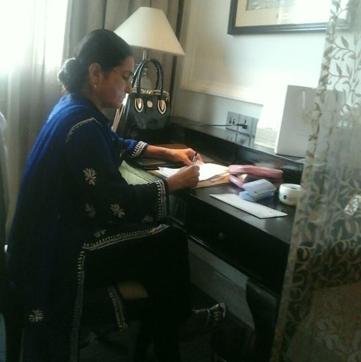
Yasmin Nigar Khan is the president of All India Pashtu-Jirga-e-Hind, an organisation that is spearheading the movement for secession of Pakhtunwa area of North West Frontier Province from Pakistan.(HT Photo)

India-Pakistan relations may have more twists in store than meets the eye. Yasmin Nigar Khan, great granddaughter of Khan Abdul Gaffar Khan, better known as Frontier Gandhi, now plans to meet Indian Prime minister Narendra Modi to urge him to stand by the Pashtuns as he did in the case of Balochistan.

The Kolkata-based 45-year old leader of the Pashtuns living and working in India told HT that she also plans a rally in the city against atrocities of Pakistan on the people of North West Frontier Province (NWFP).

“We are happy that Prime Minister Narendra Modi raised the issue of Balochistan. Similar atrocities are regularly being committed by Pakistan on Pashtuns in NWFP. We want Modi to highlight the plight of Pashtuns and help in their struggle to get freedom from Pakistan. The Pashtun people are equally oppressed by Pakistan,” said Khan on Friday.

Yasmin Nigar Khan stays in Park Circus area in south Kolkata and runs a school. (HT Photo)

Yasmin Nigar Khan president of All India Pashtu-Jirga-e-Hind, an organisation based in Kolkata that has been spearheading a movement for secession of Pakhtunwa area in the North West Frontier Province (NWFP) of Pakistan and its merger with Afghanistan. The area is situated near the border of Afganistan and Pakistan.

She claimed there are about 10,000 Pashtuns living in Bengal, mostly in and around Kolkata.

“NWFP were given on lease to the British for 100 years. But more than 120 years have passed by,” she claimed, adding “NWFP has no business staying in Pakistan.”

“Our leaders are holding meetings in Kolkata to press our demand. We are planning to organise a rally against Pakistan in Kolkata after the Pujas at Shahid Minar. By the end of the year we will meet the Prime Minister,” said Khan.

The Pashtun community comprises basically the Pathans who are from Afghanistan and also from the Pakhtunwa area. In Kolkata, a section of them who have settled more than 100 years ago, are better known as Kabuliwalas (money lenders).

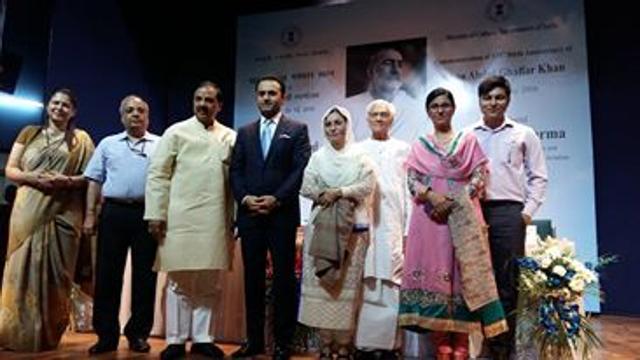
File photo of Khan (fifth from Left) attending a ministry of culture programme in Delhi to commemorate the 125th birth anniversary of Frontier Gandhi. She appealed for a university to be set up in Bengal in the name of her great grandfather. (Facebook)

Khan alleged that the condition of the Pashtuns living in NWFP is appalling and the Pakistan government is not keen on any development in the region.

“Like Balochistan, Pakhtunistan too is deliberately neglected. the Pakistan government is keeping the mass uneducated so that they do not demand their rights. The area is used for breeding terrorists Pakistan is using Taliban to spread terror in the region. We will soon hit streets over the issue,” added Khan.

Many of the Pashtuns living in Kolkata have relatives there and they worry about Taliban threats.

“We want to highlight Pakistan’s atrocities in NWFP and condemn attacks on India. Pakistan should be declared a terrorist state by the international community,” she added.

The Pashtun leader stated that during a programme at the union ministry of culture on May 20 this year (to commemorate the 125th birth anniversary of Frontier Gandhi), she appealed for a university to be set up in Bengal on the name of her great grandfather.

In 1996 after the death of her father Lala Jan Khan, Yasmin took over the mantle of the organisation that looks after the interests of Pashtuns.

source: http://www.hindustantimes.com / Hindustan Times / Home> Cities> Kolkata / by Ravik Bhattacharya, Hindustan Times / September 30th, 2016