Tag Archives: Muslim IAS Officers

10 inspirational stories of visionaries from Kerala

KERALA :

Kannur

Among the change makers from Kerala are pioneers and achievers in various fields of life. They have either been trying to bring about changes in society or the fields of business. They have used music, literature, and sometimes love to bring humanity closer, to spread joy and peace.

The list includes social activists, singers, spiritual mentors, lawyers, teachers, and even IAS officers.

Ayisha Abdul Basith

Ayisha sings Naat or Islamic devotional songs, and at the age of 20, she has enthralled listeners in over 80 countries. Born in Kerala, Ayisha has migrated to Abu Dhabi, where she is pursuing spiritual music as a way to universal peace and joy, as she puts it.

Safna Nazruddin
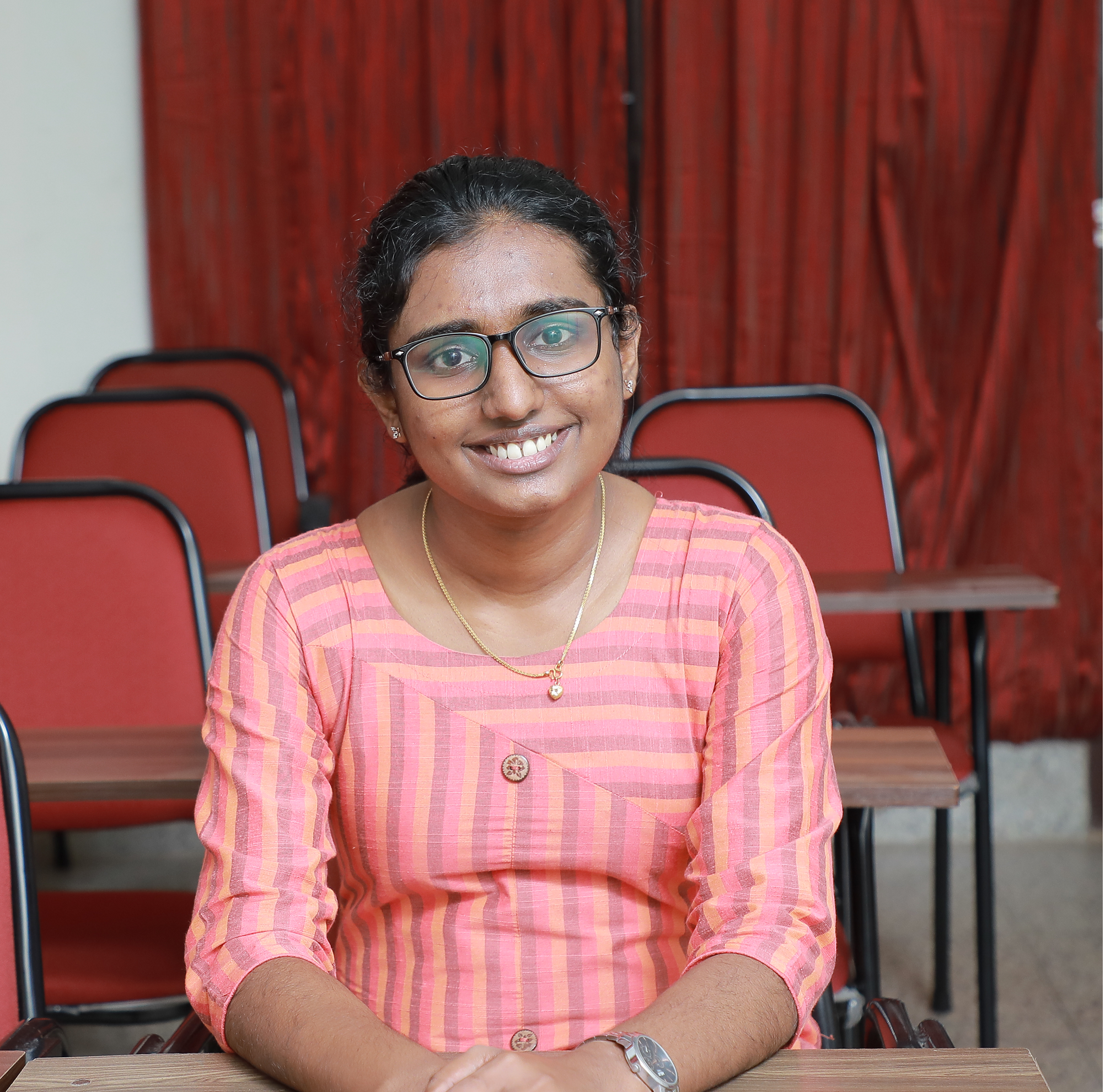
She dreamt of becoming someone who could help the disadvantaged sections of society. Safna Nazruddin thought being an IAS officer would help her achieve that goal.

And she took her dream so seriously that at the age of 23, she became Kerala’s youngest Muslim IAS officer.

PC Musthafa

He wanted to pull his family out of their poverty. Growing up in rural Wayanad, watching his father toil in the fields as a farm labourer, he wanted to change his parents’ lives for the better.

When he completed his studies at IIM, he started small with his cousins in a 500 square feet room, selling 100 packets of idli batter to 30 shops in Bangalore.

Today, he is the king of idli batter supplying in more than 10 countries outside India and reigning over a 4000 crore business.

VP Suhara
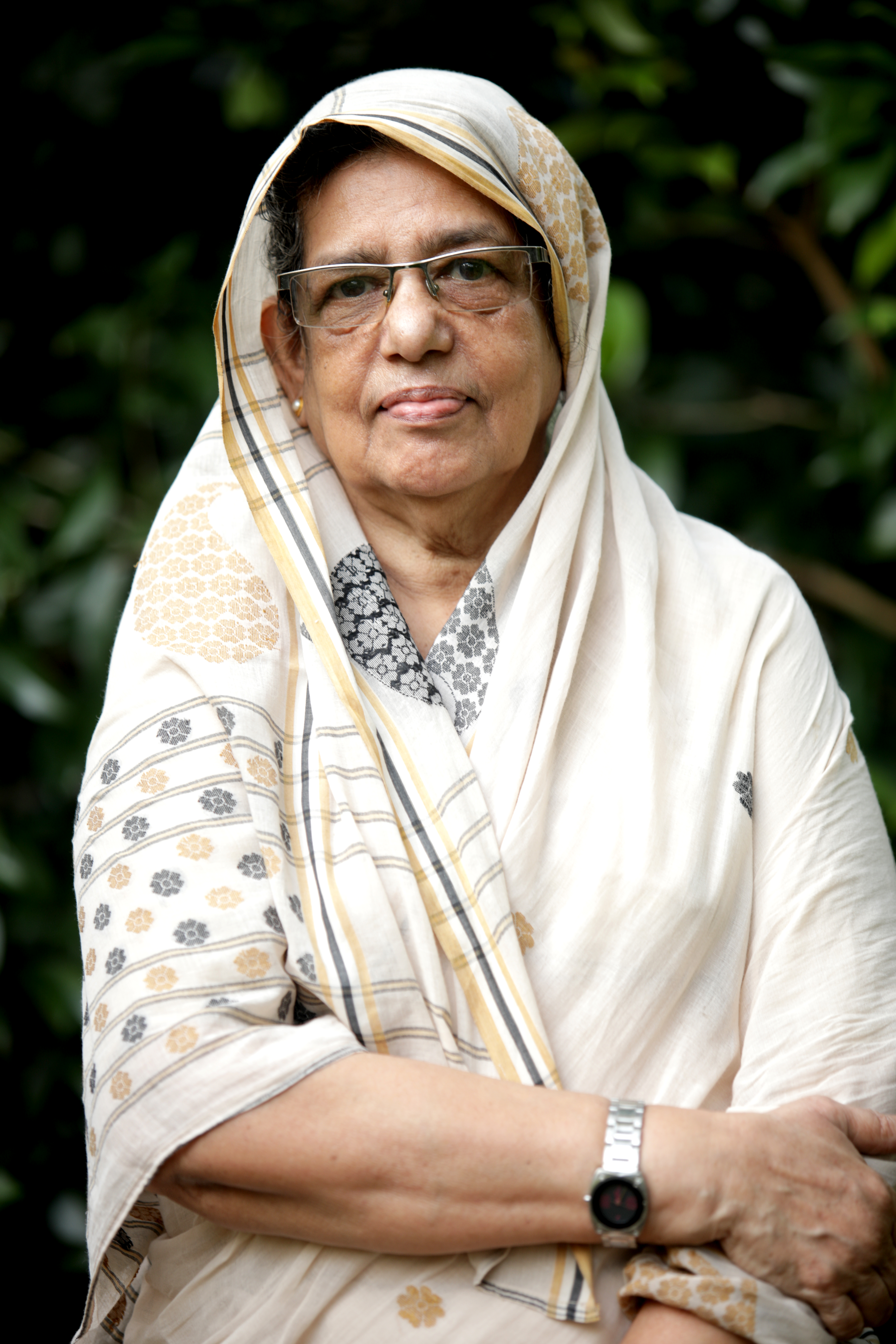
VP Suhara has been fighting for changes in the Muslim personal law and is one of the petitioners appealing for equality of gender in the matter of succession rights.

She says she is not very optimistic, but she is not ready to give up her fight.

Kadeeja Mumtaz
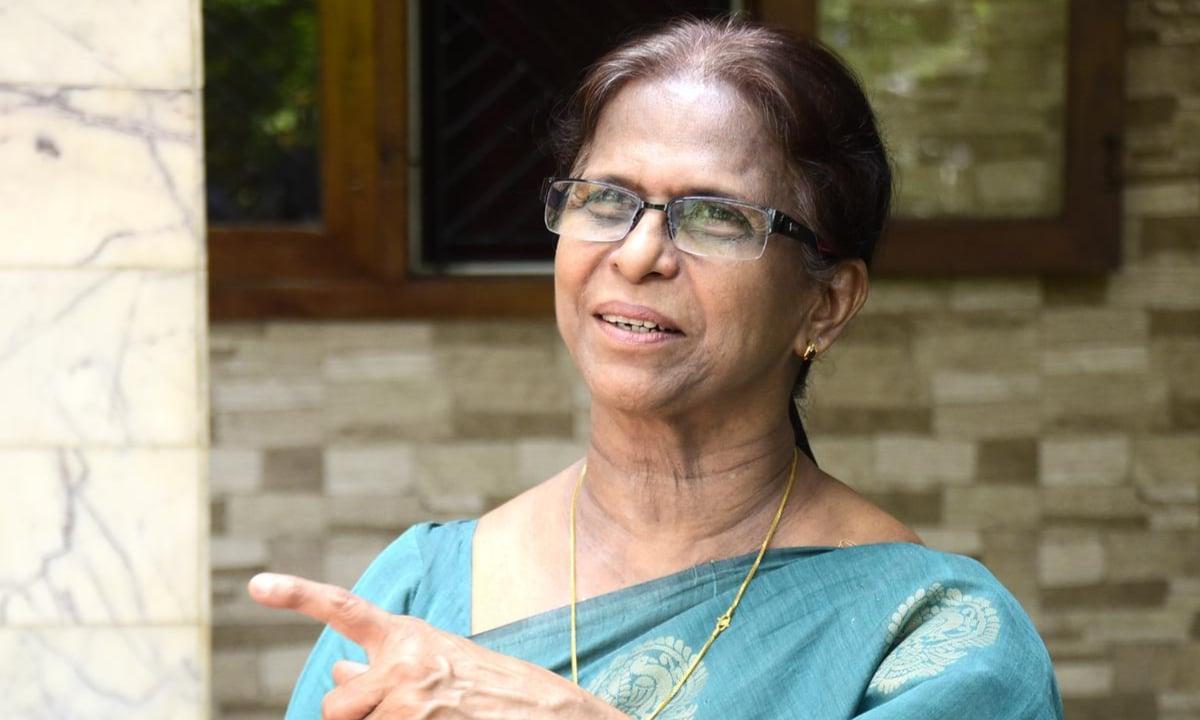
Kadeeja is a novelist who won the Sahitya Academy award for her novel. But today she has taken to activism on a full-time basis, and her main preoccupation is with bringing different religious communities together to improve mutual understanding and communication.

Advocate Sukkur
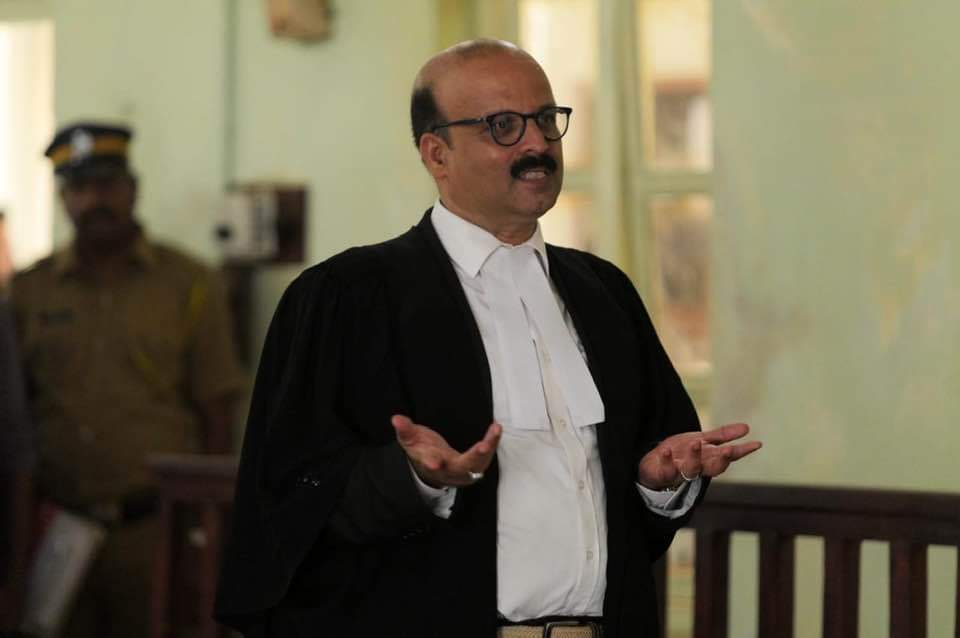
Advocate Sukkur did the unthinkable when he remarried his legally wedded wife just to make a point to all his fellow Muslims.

He wanted to tell them that they can overcome the barriers to succession rights of their daughters by remarrying their spouses under the Special Marriages Act.

Noor Jaleela

Noor means light, and the luminous smile on Noor Jaleela’s face echoes her name. She was born without her four limbs. But her smile does not betray any such disability. She has been a model for courage and creativity in the worst circumstances.

She has been an influencer and also an artist, and a singer.

Padma Shri Mumtaz Ali
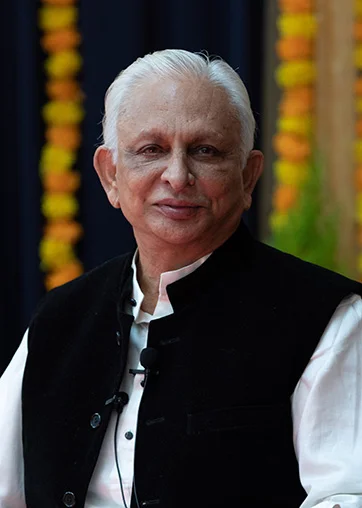
Mystic and spiritual mentor Padmashri Mumtaz Ali, or Sri M as his followers call him, hails from Thiruvananthapuram and heads a spiritual group called Satsang Foundation. His spiritual pursuits and his work among the people as a symbol of the oneness of humanity and the divine have made him transcend all man-made boundaries and divisions.

He has become an example of universal oneness and love as his life’s work and teachings appeal to people of different nationalities and religions. He asks them to continue following their religion while practising meditation and other spiritual pursuits to realise themselves.

 Hadiya Hakeem

Can a football mean anything other than a game? Well, Hadiya Hakeem has turned a football into a statement for the empowerment of women.

She is a freestyle football performer born in Kozhikode who has overcome all possible barriers of gender, nationality, and religion through her talents and her hard work in excelling in a unique kind of performance.

Onampally Faisy

Progressive scholar and Sanskrit enthusiast Onampally Faisy has tried to transcend boundaries by promoting interfaith education in his madrassa. A well-known scholar from Thrissur in Kerala, he has been working towards building bridges of understanding and communication between Muslims and other communities in Kerala.

Since he believes in becoming the change he wants, he started teaching holy texts of other religions in his madrassas in order to remove the veil of ignorance and bring communities closer.

source: http://www.awazthevoice.in / Awaz, The Voice / Home> The Changemakers / by Sreelatha Manon / August 17th, 2025
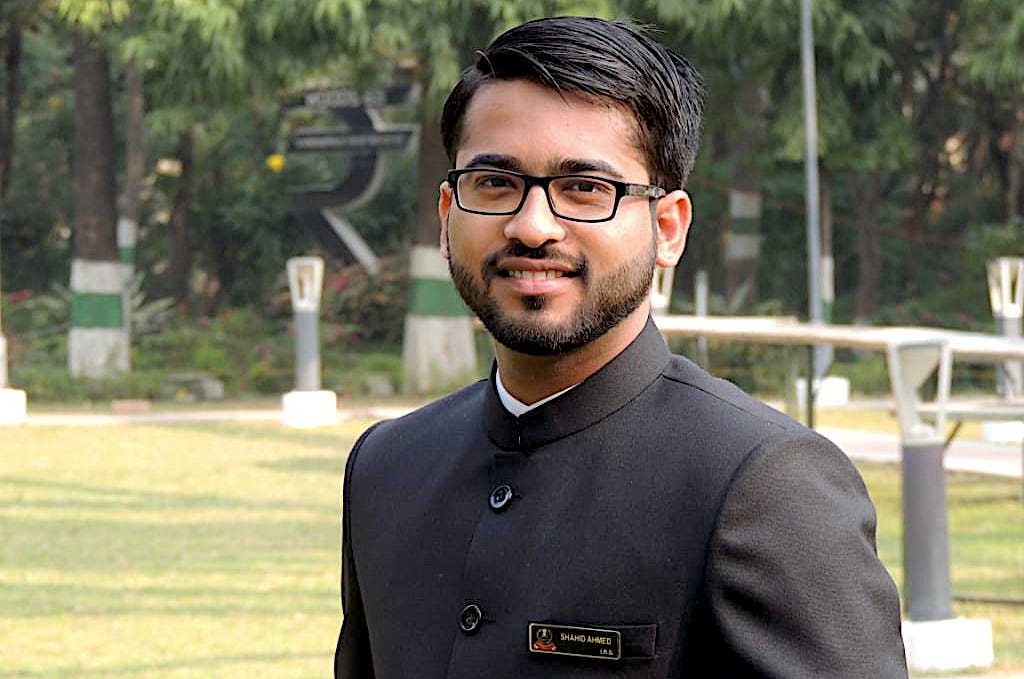
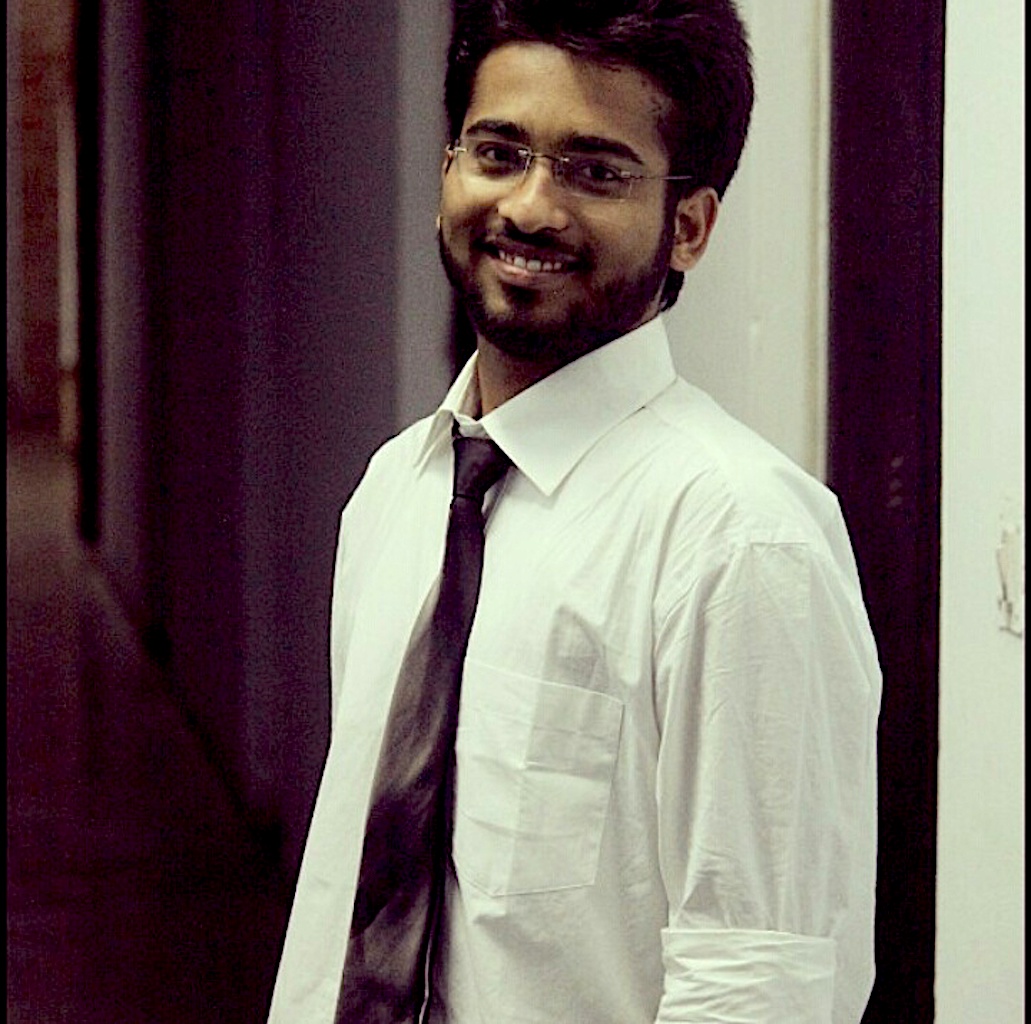
The story of Shahid Ahmed becoming IPS from IRS

Kanpur, UTTAR PRADESH :

If we have faith in ourselves, we can do anything. Shahid also believed that if everyone can do it, then I can also do it. And today Shahid is successful. This time he has got 475 rank in UPSC Civil Service Examination. Whereas in the previous examination he had secured 695 rank. 

Talking to BeyondHeadlines, Shahid says that last time I got IRS. But I want to become an IAS, so I continued my preparation. However, it is not so easy to prepare along with training, so this time I could only get 475 rank. On this rank you will get IPS. 

But you have to become an IAS? 

On this Shahid says, ‘Absolutely! I have to become an IAS. Insha Allah, I will continue my efforts next time as well. However, he also says that it may be difficult to appear in the exam next time because my training is going on in Nagpur right now. And it is almost impossible to appear in the exam during this time.’ But Shahid’s spirits are definitely high. 

It was not so easy for Shahid Ahmed of Kanpur city of Uttar Pradesh to do this. In 2016, his father suddenly passed away. The burden of responsibilities fell on him, despite this Shahid kept on preparing and succeeded in his second attempt last year. And now in the third attempt, he has also improved his rank. He is hopeful that in the future he will definitely become an IAS along with getting a good rank.

Shahid’s family earlier lived in Kidwai Nagar in Kanpur, but now they have shifted to Jajnu area. His father Haji Jameel Ahmed was a businessman. His mother Bano Ahmed takes care of the household chores. He is the fifth child in a family of six members. He has four elder sisters and a younger brother.

Shahid completed his 10th and 12th from Virendra Swaroop School in Kanpur. Then he came to Delhi for further studies. In 2015, he completed his BSc degree in Chemistry Honours from St. Stephen’s College, Delhi University. And now he is studying law from Delhi University. He is currently in the final year of BA LLB.

Shahid says that when I was in school, I had decided that I wanted to join the civil service because I always liked administrative things. I was a captain in the school. I used to manage many things in the school. That’s when my teachers told me that I should join the civil service. From there, I tried to learn about it. I read about it on the internet, then I decided that this is what I want to do.

Shahid had taken law as his subject. He says, because I am also studying law. This helps me a bit in other papers as well. That is why I thought it was better to take this.

Talking about his preparation, Shahid says, “I joined a coaching institute in 2016, but left it within a month. I did not think coaching was going to be of any use. I gave the test of Hamdard Study Circle and got selected. Then I stayed here and studied on my own. Here I got a chance to meet good people. I made friends with good people. The atmosphere here is very good. In 2017, I came to Jamia Millia Islamia. Here too I got a lot of guidance and help.

Shahid tells those who want to join civil service that before starting preparation, it is most important to research the syllabus and previous year question papers and understand them. Because there is a lot of material to study. But we have to study according to the syllabus very thoughtfully and with planning. It is also important to understand the demand of the exam.

He further says that, along with studying, it is also important that you know how to write. Whatever you have studied, if you are not able to write it in the mains paper, then there is no use. Nothing is going to happen to you.

Shahid is very interested in cricket. He also reads a lot of non-fiction books. Shahid says that this will not directly help you in the exam, but it definitely makes a difference to your personality. In such a situation, it can be beneficial for the interview. However, it is not necessary that it is beneficial for everyone. But it is certain that it creates a perspective to look at things.

Shahid says to the youth of his community, have you ever thought why we are less in government jobs. Ask yourself what is our percentage in civil service. Have you ever thought that there are not as many people here as there should be. What is the reason for this? Actually, lack of education is the real reason for this. The religion in which the importance of education has been emphasized the most, today the people of the same community are giving the least importance to education.

He further says that, my parents were also not educated, but they understood the importance of education and got all the brothers and sisters educated. In such a situation, it is important that all parents pay special attention to the education of their children. There is a need to pay special attention to the education of girls. They have a lot of potential. They just need to be allowed to move forward. If you support them a little and promote them to study, then in the future they will do the best. 

He further tells the youth that, first of all, you should believe in yourself that if everyone can do it, then we can also do it. Do not think that this is a very difficult exam. We will not be able to study. This thing should be removed from the heart and mind.

Finally Shahid says that, I always regret that if my father was here, he would have been happy with this success. He has educated me after a lot of struggle. I will have this regret in my heart throughout my life that I wish I could have seen my son doing this work or I could have achieved this success during his lifetime.

source: http://www.beyondheadlines.in / Beyond Headlines / Home> India> Real Heroes / by Afroz Alam Sahil, Beyond Headlines / April 20th, 2019

Spread your wings and the world watches you fly – Babar Ali Chaggatta

Tehsil Mahore, Baddar Village(Gulabgarh), (Reasi District), Jammu, JAMMU & KASHMIR :

If someone decides to change the same conditions and backwardness about which you keep crying your whole life, then surely his name will be Babar Ali Chagatta. 

Babar Chagatta has achieved great success in the UPSC Civil Services Examination this year. His rank is 364th. According to Babar, he may get IPS at this rank, but he wants to become an IAS. Therefore, he has started preparing to become an IAS once again.

24-year-old Babar is from Tehsil Mahore and village Baddar (Gulabgarh) of District Reasi in Jammu region of the state of Jammu and Kashmir. This area is considered to be the most backward area of ​​Jammu, which is still deprived of many basic facilities. 

Babar says that a paved road has not yet reached my village. Till one and a half to two years ago, my village remained in darkness because electricity had not reached there. Now my village has been illuminated by electric light.

Babar studied till 5th standard while living in the village. In the sixth class, he went to Jawahar Navodaya Vidyalaya, where he studied till 12th standard. He scored 90% in 10th standard and 86% in 12th standard. Then he went to Aligarh for further studies and obtained BA Honours degree in Political Science from AMU in the year 2014. After this, Babar took admission in the Political Science Department of Jamia Millia Islamia, Delhi to obtain MA degree. However, he could not complete this course due to his desire to join the civil service.

When and why did you think of joining the civil service? 

In response to this, Babar says, when I was about to go to the sixth class, my father introduced me to the civil service. When I went to Navodaya, I saw an IAS officer for the first time in the school’s annual program. His words also inspired me a lot. Also, the backwardness of the area especially inspired me to become an IAS and remove the misery and backwardness of my village. In this way, it was always in my mind that I can change the condition of this village by becoming an IAS.

Let us tell you that Babar’s father Ghulam Qadir was an officer in the forest department in Jammu. When Babar was in the 9th class, he left this world forever. Amma Ghulam Fatima is a homemaker. Babar is the youngest among five brothers. He also has a younger sister. All his brothers are in government jobs. 

Babar started his preparation in 2015. When he felt that MA classes were becoming an obstacle in his preparation, he left MA studies. He achieved this success in the third attempt. He wrote Mains in the first attempt. But in the second attempt, he failed in the prelims itself. Babar says that he was a little disappointed but this time I had decided that I must fulfill my childhood dreams and my father’s wish. All the things I remembered about my father kept inspiring me. 

Which subject did you choose for this exam and why? 

In response to this Babar says, I chose Political Science. The reason is that I have done my graduation in this subject and I am also very interested in International Relations. 

He says that in the last 4-5 years the results of Political Science have been very good. Now this subject has become very scoring. 

How and where did you prepare for the exam? 

On this Babar says, I did not take any coaching. I stayed in the residential coaching of Jamia Millia Islamia. However, I did not attend many classes there either. I focused more on self study. On being asked that your name is also in the list of Zakat Foundation, Babar says that after passing the mains, I went there for a mock interview. 

What message would you like to give to those preparing for civil services?  

On this question, Babar says that, first of all you have to always be ready that no matter what the result is, never lose hope. If you are ready for this, then first of all look at its syllabus and try to understand it in a better way. Then definitely look at the papers of the last few years. From there you will understand what UPSC wants from you. Although UPSC does not have a fixed pattern, every year something or the other changes.

The second important thing is that you must be honest for this. You cannot prepare for this under pressure from anyone. The most important thing is that you yourself should be interested in it. That is, self-motivation is very important. If it is clear why you want to join the civil service, then no one can stop you from being successful.  

He further says that initially read NCERT thoroughly. Along with this, you have to read the newspaper every day. Always keep yourself updated. Do as many test series as possible. Most of the study material is available online. There is a lot of material here, but you should not get confused, rather you have to read smartly by being selective. 

Babar likes playing cricket and watching issue based films. He says that even while staying in Jamia, he never forgot to play cricket every Saturday-Sunday. He also likes watching films. When asked which film he has watched, he says that ‘Stree’ is my last film. This film not only entertains people but also gives the message of what a woman wants from the society. Babar likes Shahrukh Khan a lot. On the other hand, he gets a little shy when asked about his favourite actress. Then he says that he definitely likes Priyanka Chopra’s acting a little bit.

Babar says that my father is my ideal. I wish he were here, he would have patted me on the back for my success. Babar wants to give credit to his entire family for this success. He especially wants to thank his mother, because she always filled Babar with courage and passion. 

Babar, while giving his message to the youth of the country, especially the youth of his community, says that if you really want to come into the mainstream, then you should definitely think about joining the civil service. What is needed is that instead of cursing the system, you should come into the system and understand it and work accordingly or change yourself. There is also a need to connect those who have become successful with the society. 

Apart from this, Babar wants to give his message to the youth of his community through this verse of Shakeel Azmi –

Spreading out the wings the world watches the flight 

What does one see in the sky while sitting on the ground? 

If you have got beauty then protect this beauty 

Walk carefully, the whole world is watching you… 

source: http://www.beyondheadlines.in / Beyond Headlines / Home> India> Real Heroes / by Afroz Alam Sahil, Beyond Headlines / April 20th, 2019

I had confidence in myself and kept working hard, that is why today I am an IAS…

Chhatabad Village (Dhanbad District), JHARKHAND :

Everything cannot always be in your hands. But working hard to achieve something is definitely in your hands. Rena Jameel also had to work hard, and today she has become an IAS because of her hard work. 

Born in Chhatabad village of Katras area of ​​Dhanbad district of Jharkhand, Rena Jamil has secured 380th rank in the UPSC Civil Service Examination this time. Whereas in the year 2016 examination, she had secured 882 rank.

Rena Jameel says that she got Indian Information Service in 2016. But she had dreams of becoming an IAS. It was also necessary to join training. That is why she gave UPSC again in 2017 along with training, but failed in the prelims itself. Still, I did not give up. I took a few days off and prepared. And as a result, I got 380 rank and now I have become an IAS.

Rena Jamil, UPSC Rank -380

Rena Jameel’s father Mohammad Jameel Ansari has retired from Tata Company. He was a mechanical engineer in Tata. While mother Naseem Ara is a home maker. She has four siblings. Elder brother Raunak Jameel Ansari is in Indian Revenue Service. He had secured 763 rank in 2014. Younger brother is an engineer and is currently working with Prasar Bharati. While younger sister is doing her masters and is preparing for admission in PhD. 

Rena studied in Urdu medium from Chhatabad Urdu Middle School till class 8. Then she completed her 10th and 12th from the same school. After that she did BSc in Zoology from S.S.L.N.T. Mahila Mahavidyalaya and M.Sc from P.K. Roy Memorial College. After this she also did B.Ed.  

Rena says, Ammi was always motivating for me. She never made me do household chores, rather she always insisted on studying. However, all this was not so easy for me. Just to study in college, I had to travel about 50 kilometers every day. Sometimes by bus, sometimes by auto or sometimes by walking for hours… I would leave in the morning and reach home only at night.

When asked that now you are an IAS, what will be your first task in the district you go to after training, Rena says that every district has its own problems. But my special focus will be on education and health sector. Because my experience with both these sectors has been very bad. I would not want that in my district someone loses his life due to health service and someone’s daughter’s education gets interrupted just because the college is very far away.  

Rena Jameel loves Urdu poetry. She has been reading Faiz, Ghalib and Iqbal in particular. The special thing is that Rena herself has written about 50 poems so far. All these poems are in Urdu language. 

What was the reason that made you decide that I have to join the civil service? 

In response to this question, Rena says that, generally, there is not much focus on the education of girls in our society. Even if the family is educating them, the only purpose is that they will get married in a good family. I also had many friends who were very sharp in studies, but somewhere they could not study further. Could not go ahead. Due to family pressure or other reasons. Many were not sent to college only because the distance to the college was too much, but in my case my family was a little supportive. In such a situation, I started thinking that I have to do something that becomes an example for others. Such people should listen to me who educate their girls only for marriages or do not educate them at all. Then I decided that I have to do something big so that I can become an inspiration for girls.  

How and where did you prepare for the exam? 

On this, Rena Jameel says that in 2014, my elder brother succeeded in this exam. I came to Jamia on his guidance. Before this, I had read NCERT thoroughly. I also used to read newspapers regularly. I took Zoology for this exam because I had done BSc and MSc in this subject. 

In a long conversation, Rena tells about her struggles that there were many ups and downs in my life journey. I could not succeed even after reaching the mains twice. I succeeded the third time but did not get what I wanted. Despite this, I had confidence in myself and kept working towards my goal. Today I am successful because of this. Although I was happy with this service too, but it was not my aim or goal. That is why I kept preparing along with the service. I only wanted to become an IAS and I became one.

What message would you like to give to those preparing for UPSC? 

On this question, Rena says that many things are not in your hands. Only hard work is in your hands. And yes! The fruit of hard work is always sweet. I also faced many problems. I also failed. All things kept happening with me. But I kept working hard continuously. I will tell you the same thing that always think about fulfilling your dreams. If I had not done this, then I would definitely not have been an IAS. I would have been doing the service of 2016. Therefore, patience is very important for success in this exam. 

Also I would like to say that you must read newspapers because it is important to read people’s thoughts, it helps you to develop your own thoughts. And yes! You should always keep your resources limited. If you keep yourself busy reading everything then you will never be able to complete your syllabus. Whatever you read, read it with all your heart and give it enough time. 

What would you like to say to the youth of the country, especially the girls of your community? 

On this, Rena says that education is everything today. So pay attention to education at all costs. Never shy away from working hard. If I can do it, then believe me anyone can do it. But for this you will have to come forward and work hard.  

She especially tells girls that you need to come forward and work hard. It is also the responsibility of the society to stop looking at girls with narrow mindedness. Rather, they should be encouraged. Girls have a lot of talent. If we just become a little open minded, they will go far ahead. It is also the responsibility of girls to work hard and fulfill their dreams… and yes, the dreams should be a little big. 

source: http://www.beyondheadlines.in / Beyond Headlines / Home> India> Real Heroes / by Afroz Alam Sahil, Beyond Headlines / June 19th, 2019

Adiba Anam becomes Maharashtra’s first Muslim woman IAS officer, daughter of an auto-rickshaw driver

Yavatmal Town, MAHARASHTRA :

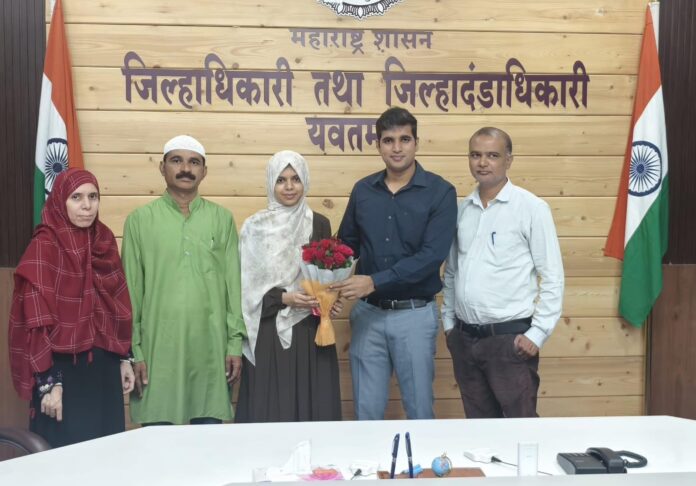
Adiba Aman in the centre.

New Delhi :

 The Union Public Service Commission (UPSC) declared the results of the 2024 Civil Services Examination on April 22, with 1009 candidates clearing one of India’s most competitive exams. Among them, Adiba Anam has made history by becoming the first Muslim woman from Maharashtra to be selected for the Indian Administrative Service (IAS).

Hailing from Kalam Chowk in Yavatmal, a small town in eastern Maharashtra, Anam secured an all-India rank of 142. Her achievement has been widely hailed as a breakthrough for both women and minorities in the state. Her father, Ashfaq Ahmed, earns a living by driving an auto-rickshaw.

Raised in modest circumstances, Anam completed her schooling in Urdu medium from a local Zilla Parishad school. Despite limited resources, she consistently excelled academically—scoring 94% in her Urdu board exams and 92% in 12th grade with a science stream.

Speaking to India Tomorrow, Anam recounted her journey through UPSC. Her first attempt in 2021 ended at the preliminary stage. Undeterred, she progressed to the mains in her second attempt, and finally, in her fourth attempt, clinched success with a rank likely to earn her an IAS cadre.

“My parents never asked me to give up on my education. There were people who suggested I take up a small job to ease our financial burden, but my parents never let those voices affect me,” she said.

Anam noted the social barriers women often face in her community. “Yes, girls do face restrictions. But these challenges only overpower us if we allow ourselves to feel weak. Once we build our mental strength, those obstacles lose their power,” she said. Her message to young women: “Stay mentally strong. Chase your dreams with courage and determination.”

Initially aspiring to become a doctor, Anam couldn’t clear the NEET exam. It was then that her uncle, Nizamuddin Sheikh—a local NGO secretary in Yavatmal—encouraged her to consider civil services as a way to serve the public.

Adiba Anam draws inspiration from the poetry of Allama Iqbal. Two couplets, in particular, fuel her determination:

“Khudi ko kar buland itna ke har taqdeer se pehle, Khuda bande se khud pooche, bata teri raza kya hai, ” meaning, “Elevate your selfhood to such heights that even destiny, before shaping your fate, is compelled to ask you: ‘Tell me, what is it that you desire?’”

This powerful verse emphasizes self-empowerment, urging individuals to strengthen their character and willpower to such an extent that even fate bows before their determination.

“Amal se zindagi banti hai jannat bhi jahannam bhi, Yeh khaaki apni fitrat mein na noori hai na naari hai.” This translates in English as “Through actions, life can become either a paradise or a hell. This being (the human) made of dust is by nature neither angelic nor demonic.”

The couplet underscores the idea that our actions determine the quality and direction of our lives. Human beings are not inherently good (like angels) or evil (like demons); it is their actions (amal) that shape their destiny and define their identity.

Explaining the two couplets, she said, “These lines remind me of the power of action. If you just sit still, nothing will change. But if you act, if you try to change your situation, something will definitely happen,” she said.

Anam’s journey—from a small-town Urdu-medium student to a future IAS officer—stands as a powerful story of resilience, ambition, and the transformative potential of education.

Here is the list of 26 Muslim candidates who cleared the UPSC Civil Services Examination this year, with their ranks written in front of their names.

•             Iram Chaudhary – Rank 40

•             Farkhanda Quraishi – Rank 67

•             Mohammad Muneeb Bhatt – Rank 131

•             Adiba Anam Ashfaq Ahmed – Rank 142

•             Wasim ur Rehman – Rank 281

•             Md. Nayab Anjum – Rank 292

•             Mohammad Haris Mir – Rank 314

•             Mohammad Shaukat Azeem – Rank 345

•             Alifa Khan – Rank 417

•             Nadia Abdul Rashid – Rank 429

•             Najma Salam – Rank 442

•             Shakeel Ahmed – Rank 506

•             Shah Mohammad Imran Mohammad Irfan – Rank 553

•             Mohammad Aftab Alam – Rank 560

•             Mohsina Bano – Rank 585

•             Syed Mohammad Arif Moin – Rank 594

•             Ghulam Haider – Rank 633

•             Hasan Khan – Rank 643

•             Ghanchi Gajala Mohammad Hanif – Rank 660

•             Mohammad Salah T.A. – Rank 711

•             Sadaf Malik – Rank 742

•             Yasir Ahmed Bhatti – Rank 768

•             Javed Mev – Rank 815

•             Nazeer Ahmed Bijran – Rank 847

•             Arshad Aziz Quresh – Rank 993

•             Iqbal Ahmed – Rank 998

source: http://www.indiatomorrow.net / India Tomorrow / Home> Education / by Mohammad Akram / April 2025

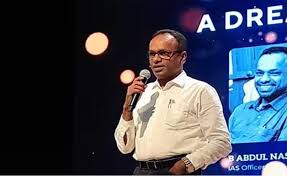
From Orphanage to IAS: Abdul Nasser of Kerala Overcomes Poverty, Hardship

Thalassery (Kannur District), KERALA :

Abdul Nasser’s childhood in orphanages and years of working multiple jobs show his courage and determination. His phenomenal rise proves that dedication can defeat all obstacles

New Delhi :

Abdul Nasser’s life began in the modest town of Thalassery in Kerala’s Kannur district. His early years were shadowed by tragedy when his father passed away when Nasser was only five years old. This loss pushed the family into severe financial difficulties. His mother, striving to make ends meet, took on various jobs to feed her children, but the hardship was such that Nasser and his siblings had to spend a large part of their childhood in orphanages.

Nasser spent about 13 years in various orphanages across Kerala. Despite the challenges of living without parental support and the difficulties of orphanage life, he never lost his desire to learn. At times, he ran away from these institutions, but the pull of education and a better future brought him back each time.

Speaking about his early struggles, Nasser once said, “I never allowed my circumstances to define me. Each time I faced hardship, I reminded myself that education was my way out.”

While still a child, Abdul Nasser took on multiple jobs to support his education and ease his family’s burden. When he was just ten, he began working as a cleaner in a local hotel. His hard work earned him additional responsibilities, and soon he was also helping as a supplier at the same hotel. To raise more funds for his studies, he also distributed newspapers, took up tuitions, and worked as a phone operator.

This early experience of juggling work and education shaped Nasser’s character and showed his commitment to personal growth. “Every job I did was a step towards my dream. I never allowed fatigue or failure to stop me,” he explained in a recent interview.

Despite these difficulties, Nasser’s dedication to education remained strong. He completed his graduation at a government college in Thalassery, a significant achievement for someone from his background. Determined to further his knowledge, he earned a postgraduate degree in 1994.

Education was not just a personal achievement for him but also a beacon of hope for those in similar difficult situations. His academic success inspired many young people in Kerala facing financial or family hardships.

After completing his postgraduate degree, Nasser entered the Kerala Health Department as a government employee. His sincerity, hard work, and dedication quickly became apparent to his superiors. He earned respect and opportunities through his honest approach to public service.

In 2006, Nasser took the Kerala State Civil Services Examination. His success led to his appointment as Deputy Collector, an important administrative post. His work was marked by sensitivity and a focus on social welfare, which earned him special recognition. In 2015, he was named the best Deputy Collector in Kerala, a clear sign of his dedication and impact.

Traditionally, entry into the Indian Administrative Service (IAS) requires passing the Union Public Service Commission (UPSC) examination, considered one of the most difficult exams in India. However, Abdul Nasser’s journey took a different path.

Because of his consistent performance, leadership skills, and administrative ability, the Kerala government promoted him to the IAS cadre in 2017 without requiring the UPSC exam. This rare achievement highlights the respect he had earned within the government.

“This promotion showed me that honest work and dedication can break barriers. It was a moment of great pride not just for me but for all those who struggle silently,” Nasser said.

After becoming an IAS officer, Abdul Nasser was appointed to key roles, including Kollam District Collector and Housing Commissioner in the Kerala Government. In these positions, he continued to serve the public with the same passion and commitment that had defined his career.

Nasser’s life story is more than just personal success. It sends a powerful message to all young people facing difficulties: with determination and hard work, one can rise above any circumstance.

People who know Abdul Nasser well speak highly of his journey and character. A fellow officer commented, “Nasser’s rise is an example of true grit and dedication. His background shows how difficult it is to succeed, yet he has done it with humility and hard work.”

A local social worker added, “His life encourages so many children who have lost their families or face poverty. He proves that where there is will, there is a way.”

Abdul Nasser’s story stands out because it breaks common stereotypes about who can succeed in the Indian civil service. Coming from a background without financial support or family guidance, many would have given up. Instead, Nasser found ways to keep moving forward.

In a society where many young people struggle to access education and opportunities, Nasser’s life offers hope and inspiration.

“I want every child growing up in hardship to know that their past does not determine their future. Keep working, keep believing,” he said.

source: http://www.clarionindia.net / Clarion India / Home> Editor’s Pick> India> Indian Muslims / by Team Clarion / June 20th, 2025

Anjum Parwez appointed CM’s new ACS as L K Atheeq steps down

Bengaluru, KARNATAKA :

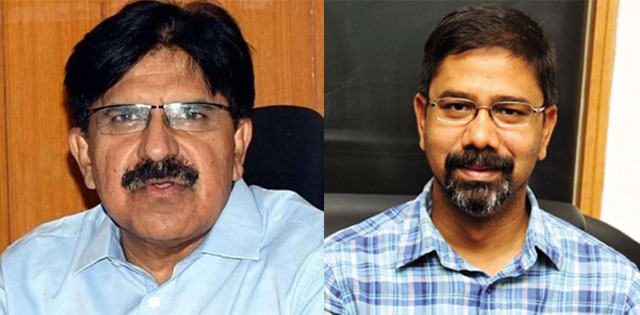
L K Atheeq (left) and Anjum Parwez

Bengaluru : 

L K Atheeq, a trusted aide of chief minister Siddaramaiah and a 1991-batch IAS officer, has resigned from his post as Additional Chief Secretary (ACS) to the chief minister. He was serving on a contract basis after his superannuation on January 31.

Anjum Parwez, a 1994-batch IAS officer and currently the ACS in the rural development and panchayat raj department, has been appointed as his successor in the chief minister’s office.

Atheeq will continue as chairperson of Bengaluru Business Corridor Ltd, the special purpose vehicle for the Peripheral Ring Road project. Sources indicate he stepped down to spend time with family and pursue personal interests, including motorcycling and poetry. 

source: http://www.daijiworld.com / Daijiworld.com / Home> Top Stories> Karnataka / by Daijiworld Media Network – Bengaluru / June 05th, 2025

Farkhanda Qureshi: Small town woman achieves big success by securing 67th rank in UPSC

Balaghat, MADHYA PRADESH :

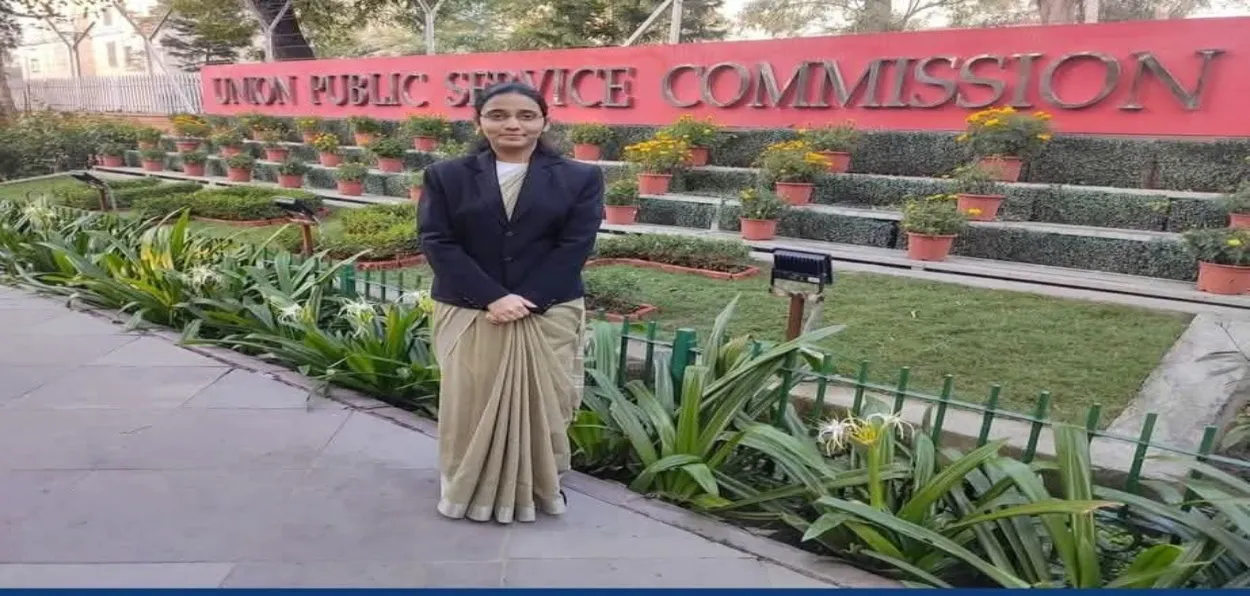
Farkhanda Qureshi of Balaghat, Madya Pradesh, outside UPSC office in Delhi

Farkhanda Qureshi was in her eighth grade when she saw district Collector B. Chandrasekharan son a local Television channel. This visual ignited a dream in her mind; she too wanted to become a civil servant. Today this Muslim woman from from Balaghat, a small town of Madhya Pradesh, has realized her dream which she nurtured over the years with passion, hard work, overcoming failures and perseverance.

Farkhanda Qureshi has secured 67th rank in the UPSC 2024 Civil Services Examination and would soon join the Lal Bahadur Shashtri National Academy for Administration, Dehradun, for training to become an Indian civil servant.

“I had decided that one day I will also become a collector and work for society.” She credits her success in her fourth attempt to her family’s support.

She started preparing for UPSC in 2021. Despite failures, she did not give up. She says, “My parents did not let me break down; they motivated me and told me that I will get success one day. Had they not supported me, I would have probably given up in the first or second attempt,” she told the told media persons.

Farkhanda believes that for a tough exam like UPSC, studying for 18 hours is not necessary, but consistency and strategy are. “I studied for 6 to 8 hours every day, but I studied every day. Old year papers, standard books, current affairs and newspapers were an important part of my preparation.”

Farkhanda Qureshi flanked by her parents Nikhat Anjum and Abdul Malik Qureshi

Farkhanda, who completed her 10th from St. Mary’s School and 12th from Methodist Mission, says, “Being from a small town like Balaghat has never been my weakness. I believe that if the youth here get the right direction and resources, they can make a name for themselves across the country.”

Farkhanda considers her father Abdul Malik Qureshi, who is a lawyer, and her mother Nikhat Anjum Qureshi, a homemaker, her heroes and credits her success to them.

Her father said, “Today people recognize me by my daughter’s name, nothing can give me greater happiness than this.”

There is a festive atmosphere in the area, the collector congratulated Farkhanda and and wished her a bright future. The local mosque committee (Anjuman( also felicitated her and called her inspiration for the Muslim youth.

Out of the 1,009 candidates recommended by UPSC this year, 26 are Muslims, though none made it to the Top 25. 

Iram Choudhary (Rank 40) and Farkhanda Qureshi (Rank 67) are the highest-ranking Muslim candidates in the merit list. A total of 97 Muslim candidates were selected for the interview stage, and the success rate stands at 2.57%, lower than previous years.

source: http://www.awazthevoice.in / Awaz, The Voice / Home> Stories / by Abdul Wasim Ansari, Balaghat, Bhopal (name error edited) / April 26th, 2025

In a first, Maharashtra gets first Muslim female IAS officer – Adeeba Anam Ashfaque Ahmed

Yawatmal (Vidharba Region), MAHARASHTRA :

Do it again and again. Consistency makes the raindrops create holes in the rock. Whatever is difficult can be done easily with regular attendance, attention, and action. Perhaps imbibed by the words of Israelmore Ayivor, an inspirational writer, blogger and LifeSkills Entrepreneur, Adeeba Anam Ashfaque Ahmed from Yavatmal in Maharashtra created a record of sorts to become the first female Muslim IAS officer after successfully clearing the civil services with All India Rank 142.

The success saga of Adeeba only proves the awareness shown by Muslim girls to take up civil services exams breaking the barriers.

On cloud nine are Adeeba’s parents, relatives, friends and more particularly her teachers on seeing her victory after three failures. She came out with flying colours in her fourth attempt after getting the necessary guidance and coaching from Jamia Millia Residential Coaching Academy in Delhi.

Can’t imagine a girl hailing from a parched and drought-prone Yavatmal district bringing glory to her native. All because of her patience and consistency as to the quote of American business honcho Robert Kiyosaki – “Successful people don’t fear failure but understand that it’s necessary to learn and grow from.” It is learnt that Maharashtra hardly witnessed any female Muslim IAS officers in the last one decade or so.

Kudos to her dad Ashfaq Ahmed, an auto driver, who despite financial constraints strained his nerves to make his daughter’s civil service dream a reality. Of course, her mom and uncle were very supportive in ensuring she achieved her IAS after successive failures. Adeeba started her early education at Zafarnagar Zilla Parishad Urdu Primary School, where she studied from Class 1 to Class 7. Thereafter, she finished schooling from Class 8 to 10 at Zilla Parishad Government Girls High School. And she completed her 11th and 12th grades at Zilla Parishad Ex-Government College in Yavatmal.

Armed with BSc Mathematics from Inamdar Senior College in Pune, she joined a coaching academy in Pune to take UPSC foundation classes based on the advice of her maternal uncle Jan Nizamuddin Sahib, who works as secretary at Seva NGO.

She got interested after meeting a few IAS officers and was determined to become an IAS. The road to civil services wasn’t smooth for her as she faced many obstacles. However, she was firm and worked relentlessly to taste success.

Noteworthy to mention that her dad Ashfaq Ahmed dropped out of school after tenth standard due to family circumstances. But decided not to let her daughter face the same fate, left no stone unturned and encouraged Adeeba to do her UG. Right from her school days, she had a fascination for civil services inspired by the young IAS officers’ remarkable feat through newspapers. Since then, she has been working towards her civil service dream.

In an interview to a local television channel, she is reported to have said that studying isn’t easy, especially for girls in patriarchal communities like Muslim, but her parents stood by her. She expressed her gratitude to mom, who extended support for her in her endeavours. The community was against girls pursuing higher studies, but her dad told her not to worry about society, and focus on her goal.

It is interesting to infer that she chose Urdu Literature as her optional subject despite having a science background. However, she displayed her prowess in clearing the civil services with confidence. A total of 32 candidates from Jamia Millia Islamia and 3 from Aligarh Muslim University (AMU) Residential Coaching Academy (RCA) have figured in the UPSC Civil Services 2024 Merit List. Of the 1009 candidates selected, only two Muslim candidates figured in the top 100.

She said that IAS is the first step to serve the society and added that her area of interest is to work for the underprivileged, more specifically girls. And she wanted to contribute to the education and health sector as a civil servant. Jamia Millia Islamia (JMI) and Aligarh Muslim University (AMU) RCAs are renowned academies in the field of coaching students for Civil Services. They provide free coaching and training for preparing for the Civil Services Examination for candidates from SC, ST, Women, and Minority communities.

source: http://www.radiancenews.com / Radiance News / Home> Focus> Markers of Excellence / by M Rafi Ahmed, Radiance News Bureau / April 28th, 2025

Karkala’s Shoukath Azeem secures 345th rank in UPSC 2024

Karkala (Udupi District), KARNATAKA :

Karkala : 

In a proud moment for Karkala, Shoukath Azeem from Salmara has secured the 345th rank in the UPSC Civil Services Examination 2024, turning his long-cherished dream of becoming an IAS officer into reality.

Undeterred by repeated setbacks, Azeem attempted the UPSC exam nine times, finally succeeding with an impressive rank in his last attempt, demonstrating unwavering determination and grit.

He is the son of Sheikh Abdulla and Maimoona from Salmara. His father, a truck driver by profession, raised the family with modest means. Despite coming from a humble background, Azeem’s ambition to join the civil services was ignited during his childhood after watching the Kannada movie Prithvi, starring Puneeth Rajkumar.

Azeem completed his early education at the Karkala Government Urdu School and a private school followed by higher education at a private college in Kukkundoor. He later earned his engineering degree a private college in Moodbidri.

In 2022, he had cleared the UPSC exam and was selected for the accounts division of the defence department, currently serving in Pune. Encouraged to try once more, Azeem made a final attempt and achieved his ultimate goal of becoming an IAS officer.

source: http://www.daijiworld.com / Daijiworld.com / Home> Top Stories / by Daijiworld Media Network – Karkala / April 26th, 2025