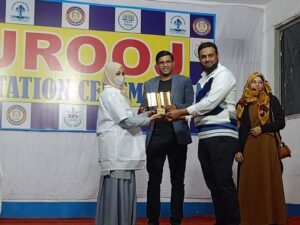
Category Archives: Amazing Feats

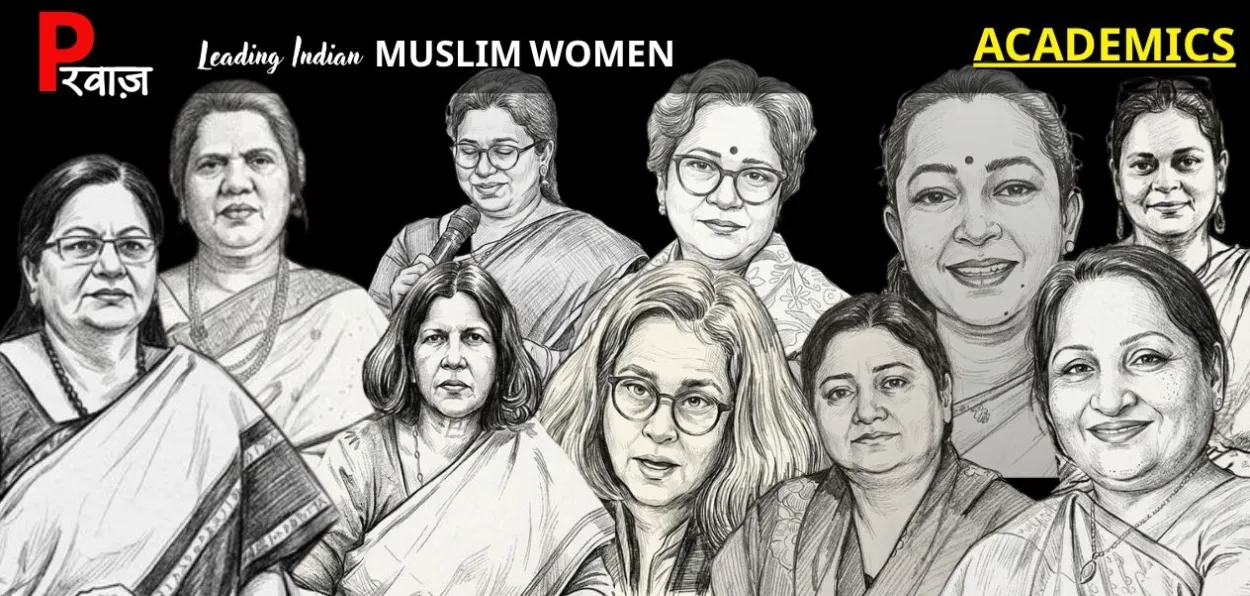
10 Muslims women academicians of India

INDIA :

10 Muslim women academicians of India

New Delhi :

In its series Parvaz, Awaz-the Voice brings you stories of remarkable Muslim woman academicians, whose work across India’s universities, research institutions, and centres of learning, has redefined scholarship.

Their journeys span literature, history, science, social reform, diplomacy, and educational leadership, yet they are united by a shared belief that knowledge must serve society. Through classrooms, research labs, policy platforms, and grassroots engagement, these women have not only broken barriers but have created pathways for future generations.

Here is an introduction to ten selected Muslim Women Academicians of India:

Arjumand Ara :
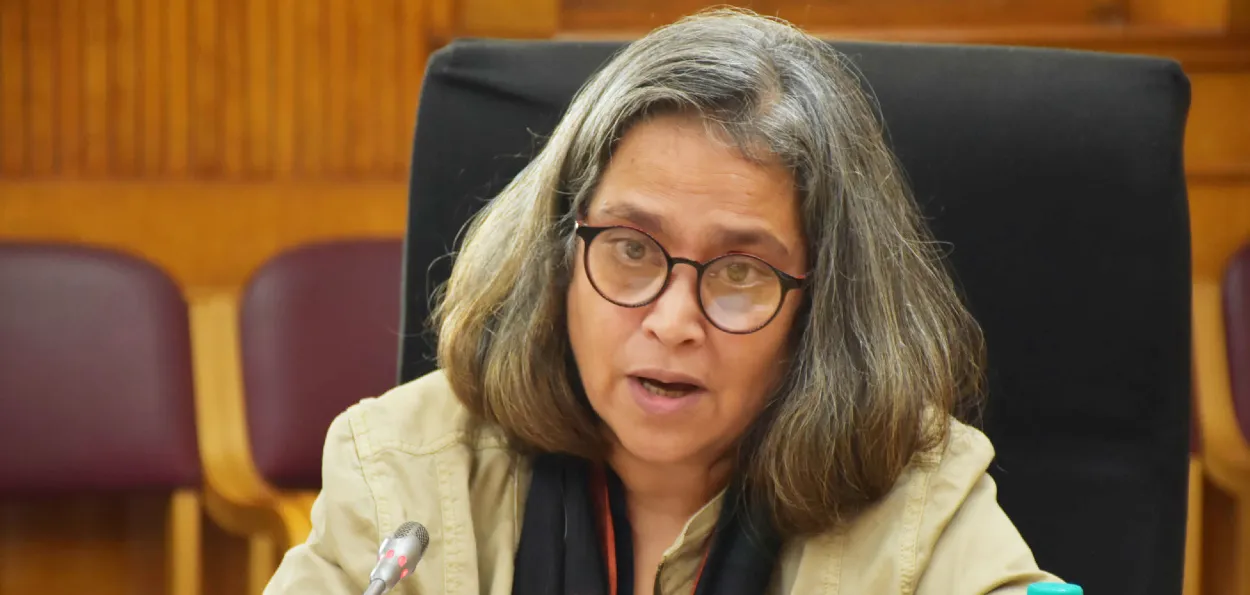
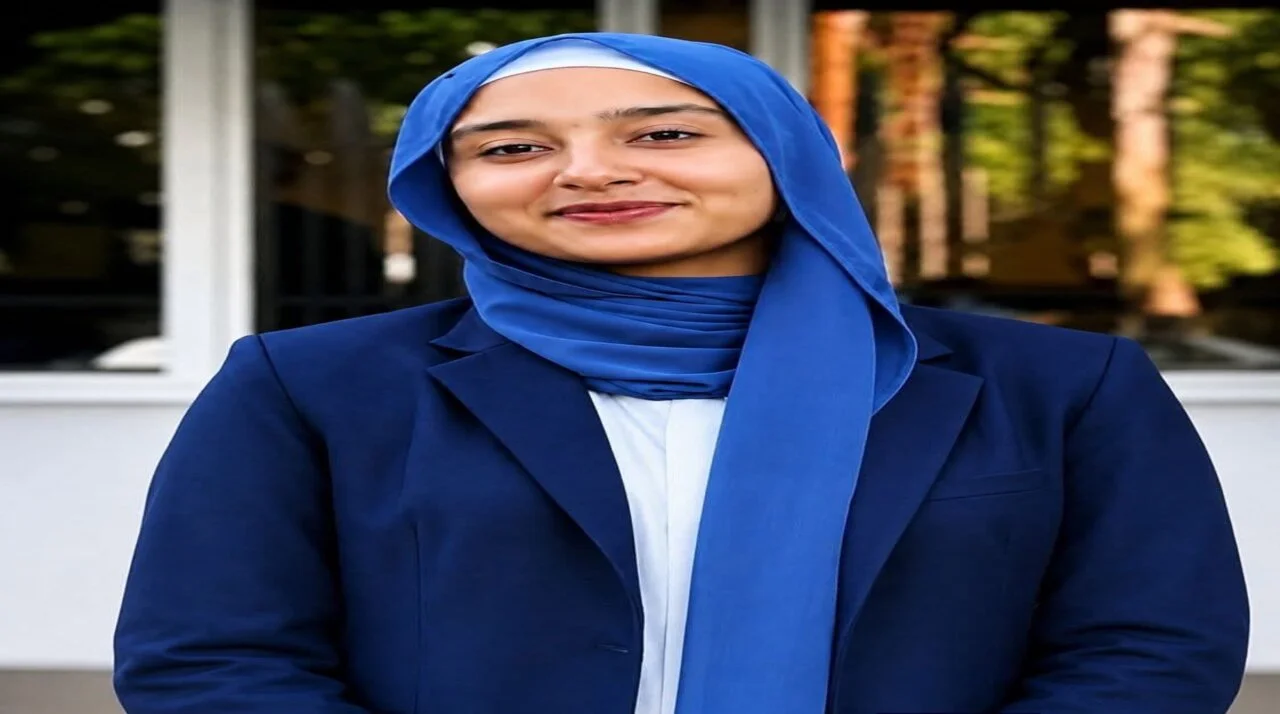
Arjumand Ara stands as a distinguished scholar of language, literature, and feminist thought. A professor at University of Delhi, she has translated more than twenty major literary works and earned the Sahitya Akademi Translation Award in 2021.

Through her scholarship, she has built enduring bridges between Urdu and Hindi while preserving literary heritage and amplifying women’s voices.

Syed Tanveer Nasrin :
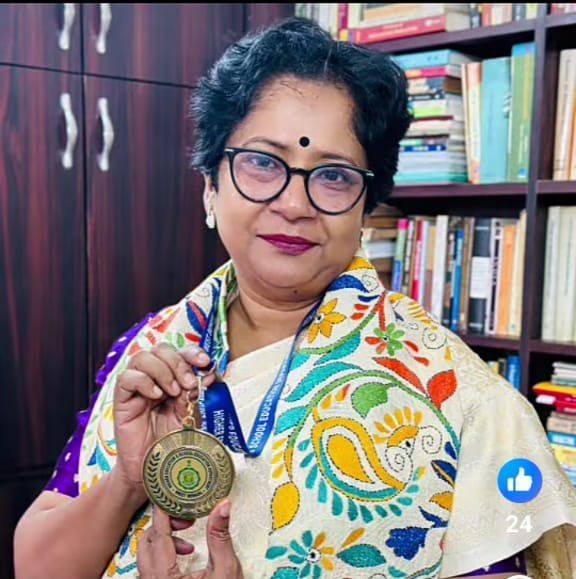
Syed Tanveer Nasrin has brought together scholarship, diplomacy, and social activism with rare distinction. Serving at University of Burdwan, she strengthened India’s cultural ties with the Maldives during her tenure in Malé while emerging as a respected voice on women’s rights, minority identity, and interfaith harmony.

Educated at Presidency College, Jadavpur University and JNU, she specializes in Gender Studies.

Abeda Inamdar :
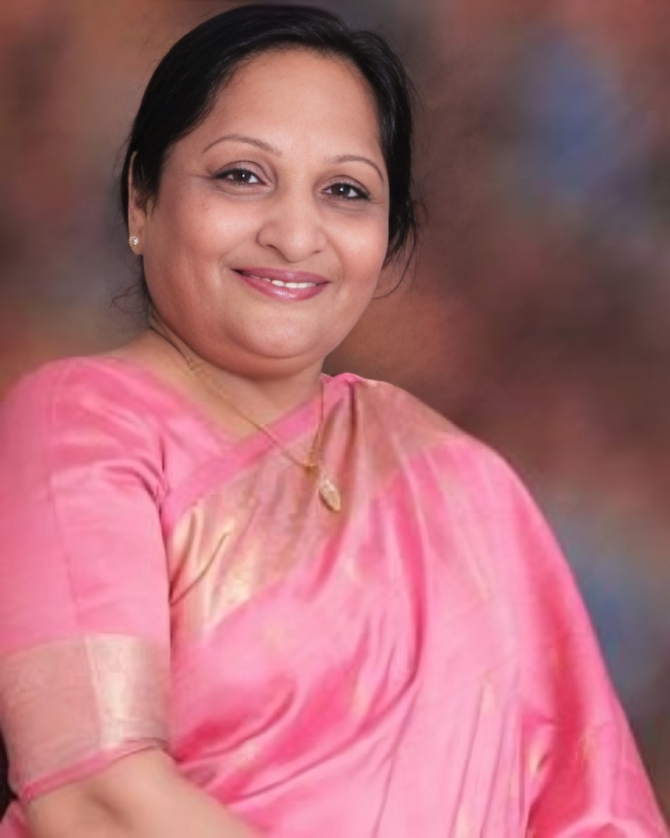
Abeda Inamdar chose service over security when she left a prestigious government career to dedicate herself to education.

Through the Maharashtra Cosmopolitan Education Society and the celebrated Azam Campus, she has transformed educational opportunities for thousands of girls and marginalized students, creating institutions that continue to uplift generations.

Benazir Tamboli :
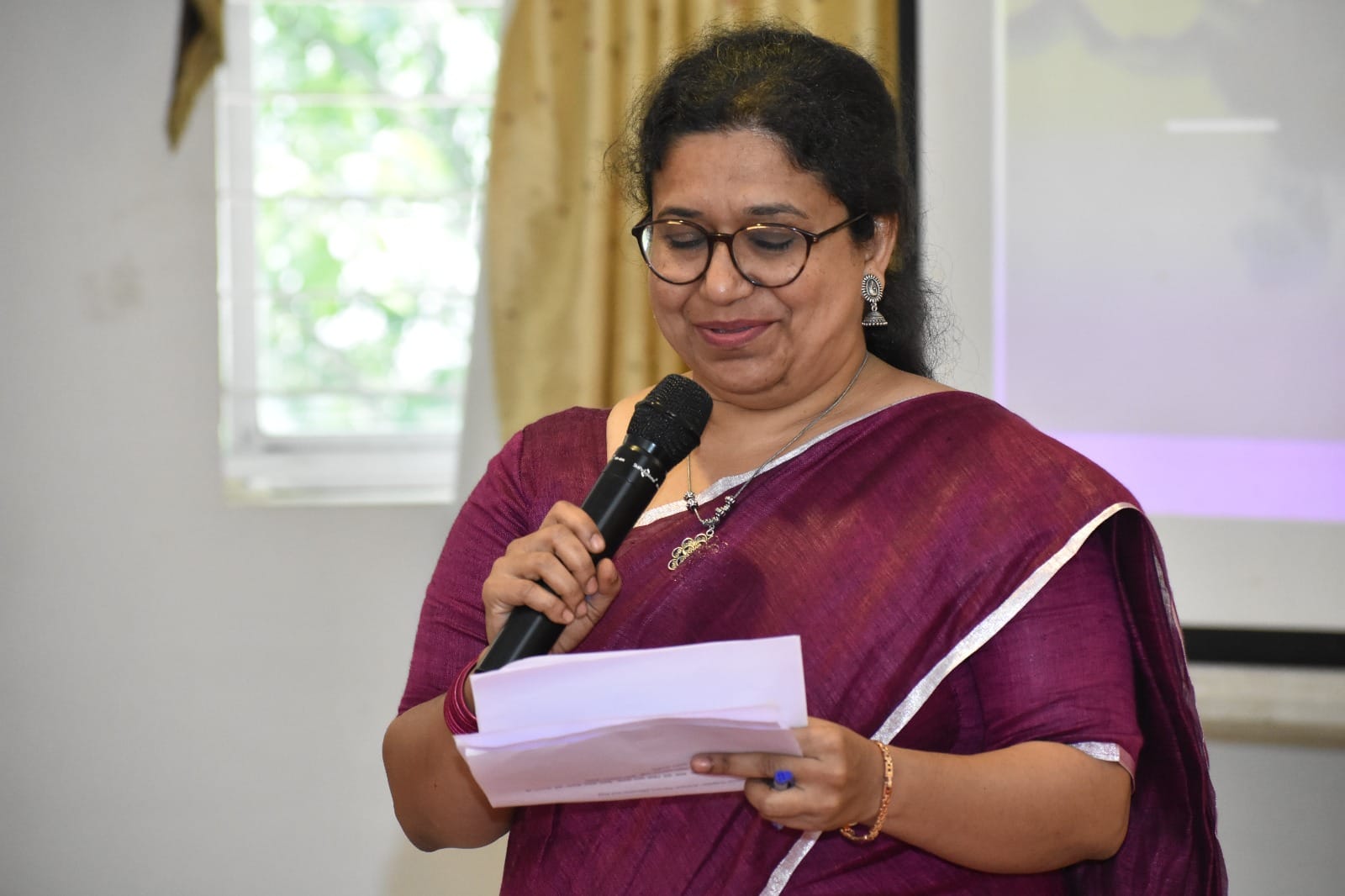
Benazir Tamboli turned personal adversity into a lifelong mission of empowerment and justice.

Through her work with the Muslim Satyashodhak Mandal and educational institutions, she has emerged as a fearless advocate for Muslim women, constitutional rights, and progressive social reform.

Naima Khatoon :
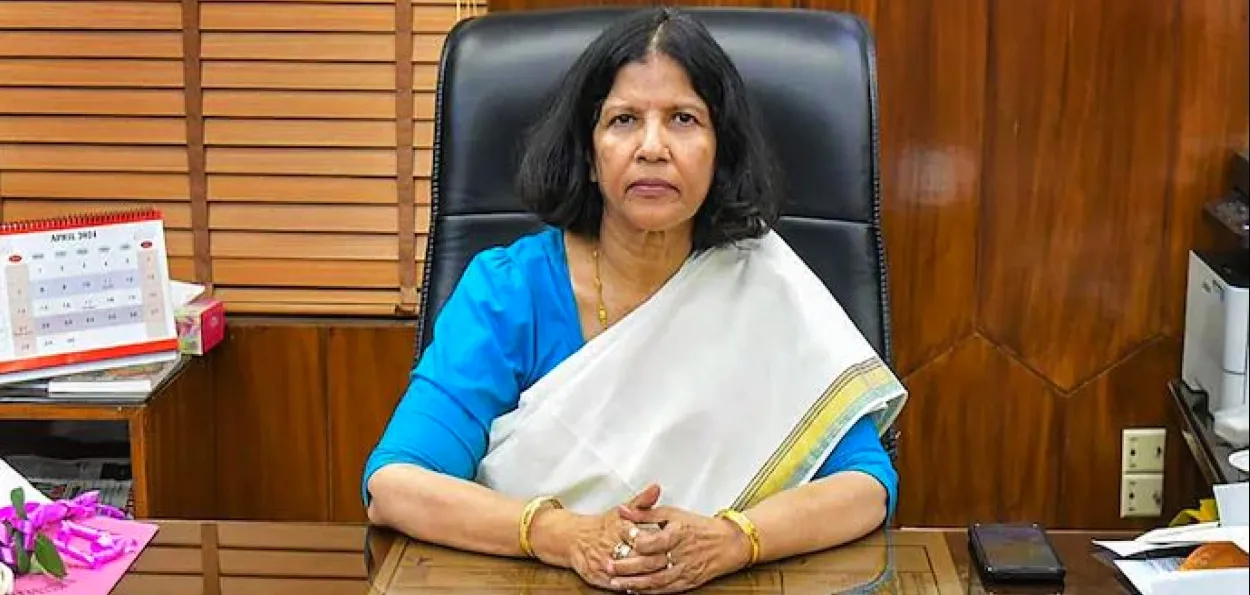
Naima Khatoon created history in 2024 by becoming the first woman Vice Chancellor of Aligarh Muslim University.

A renowned psychologist, author, and academic leader, she is steering institutional reforms, research excellence, and women’s empowerment while modernizing one of India’s most iconic universities.

Najma Akhtar :
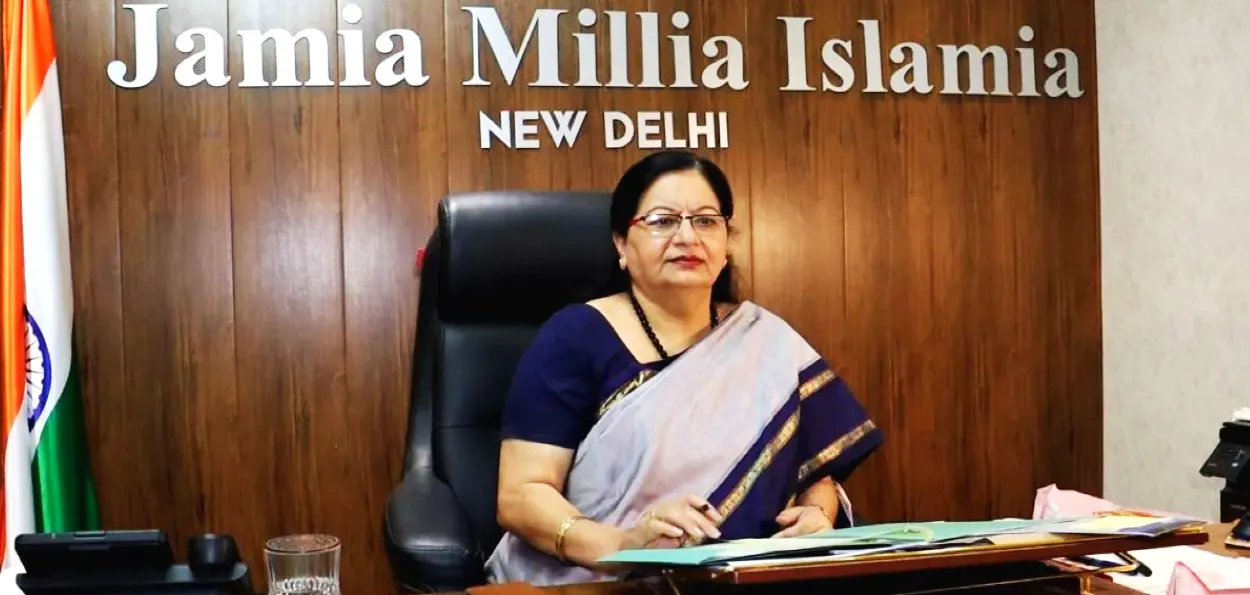
Najma Akhtar broke another glass ceiling as the first woman Vice-Chancellor of Jamia Millia Islamia. A recipient of the Padma Shri, she introduced transformative reforms, expanded professional education, and helped shape Jamia’s emergence as a globally respected academic institution.

She is also the first woman to hold the post in JMI. In 2022, she was awarded with Padma Shri by the Government of India.

Nilofer Khan :
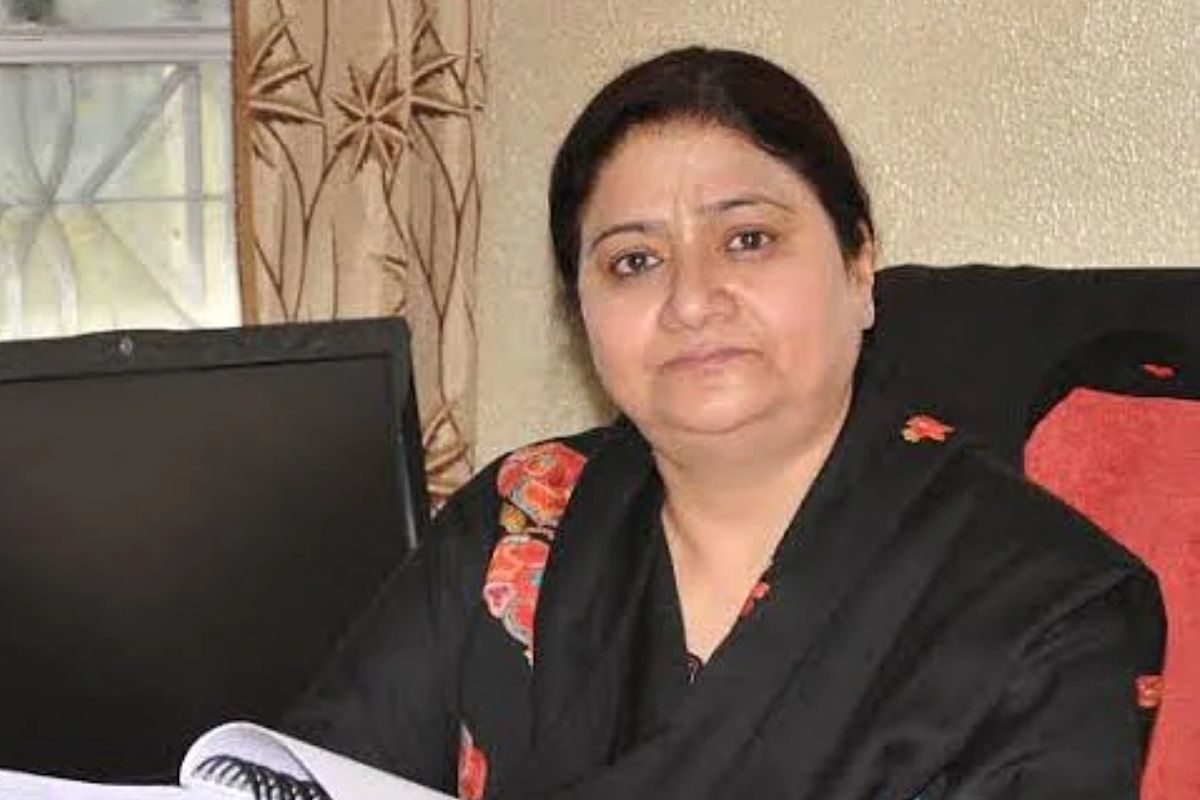
Nilofer Khan became the first woman to lead the University of Kashmir, marking a historic moment for higher education in the region. With nearly four decades of academic service and over a hundred research publications, she continues to inspire women to aspire to leadership in academia.

Shahida Murtaza :
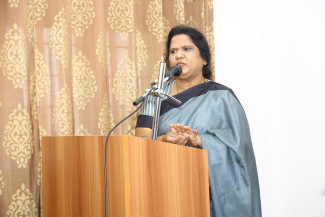
Shahida Murtaza has spent over three decades documenting the realities of marginalized women across southern India. A former Dean at Maulana Azad National Urdu University, she has turned ethnographic research into a powerful mission for gender justice, awareness, and grassroots empowerment.

Sofia Banu :
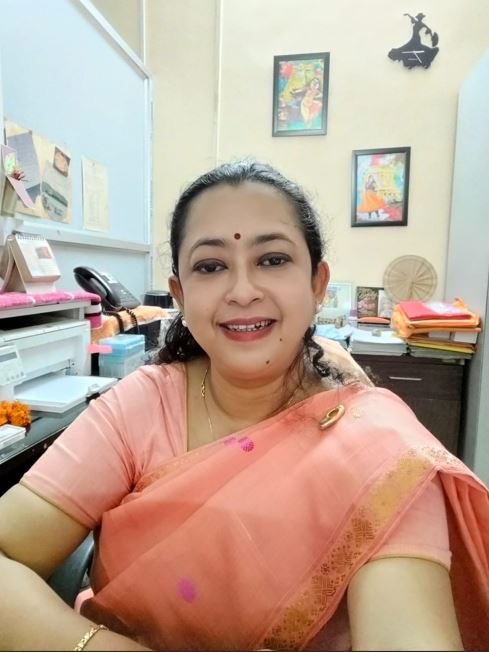
Sofia Banu represents the growing force of women in scientific innovation. As an Associate Professor at Gauhati University, her groundbreaking work in biotechnology, biodiversity, and agricultural sustainability is creating real-world impact while inspiring young scientists across Northeast India.

Syed Mubin Zehra :
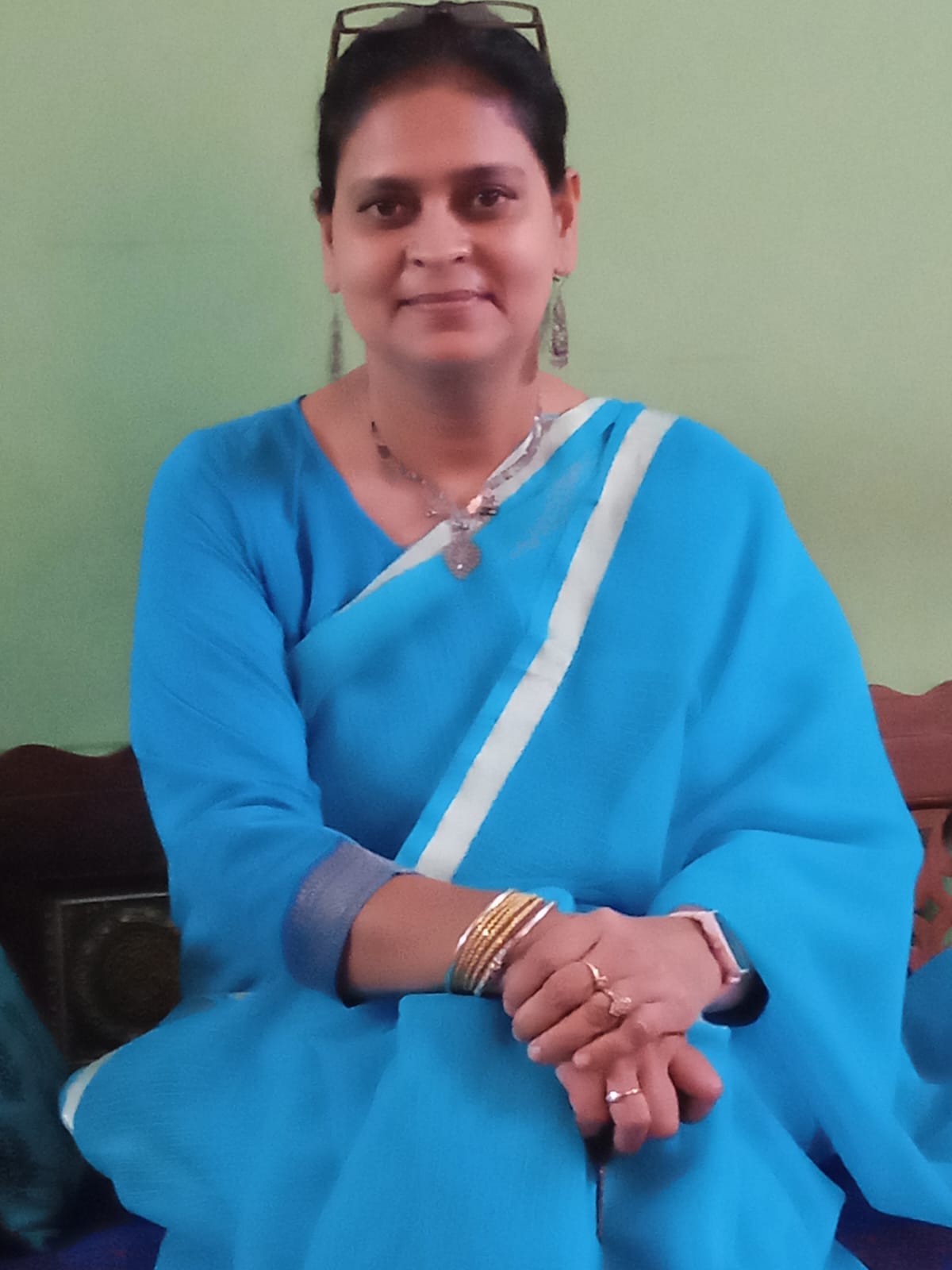
Syed Mubin Zehra has established herself as a leading scholar, author, and public intellectual. Serving at Atma Ram Sanatan Dharma College of the University of Delhi she continues to shape national conversations on gender equality, education, and social harmony through scholarship, advocacy, and global academic engagement.

source: http://www.awazthevoice.in / Awaz, The Voice / Home> Parvaz> The Changemakers / posted by Aasha Khosa / May 09th, 2026
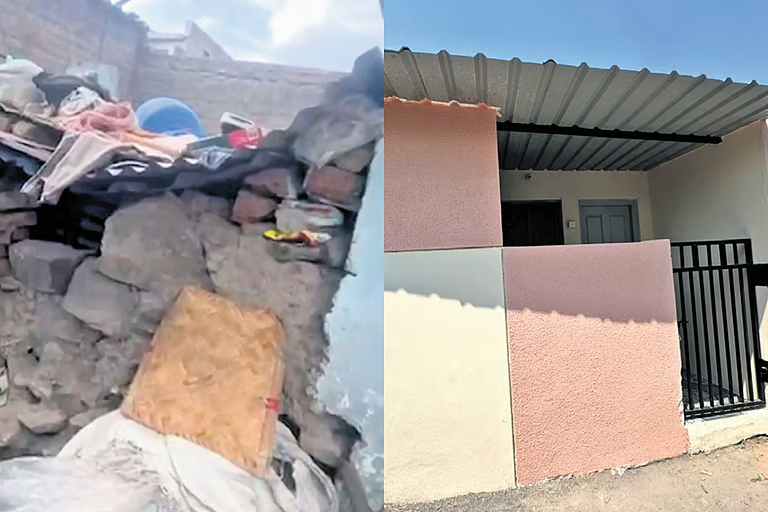
Poor helping the poor: Vijayapura daily wage workers build home for widow in need

Vijayapura (formerly Bijapur), KARNATAKA :

A group of autorickshaw drivers, vendors and masons under Bijapur Youth Coverage pooled funds and labour to build a house for a destitute widow and her children, supporting families every month through community contributions.

The image on the left shows the old condition of the home , the image on the right is the new house.

Vijayapura :

At a time when many wait for government assistance to change their lives for the better, a group of daily wage workers from Shahapeti in Vijayapura is on a mission — to help the poorest of the poor in society.

Under the banner of Bijapur Youth Coverage, the group, comprising autorickshaw drivers, vegetable vendors, painters, automobile mechanics, carpenters and masons, who struggle to make a modest living themselves, has built a house for a poor Hindu widow, who has been living in a deplorable condition with her three children.

Kasturi Rudagi, a domestic worker from Shahapeti, lost her husband a few years ago. She had been living with her children in a crumbling hut.

“After the death of her husband, Kasturi began working as a domestic help to raise her son and two daughters. Unfortunately, she suffered a stroke that rendered her immobile. This forced her to depend on others for help,” Mehboob Bagwan, a vegetable vendor, said.

Bagwan, who is part of the group, said, “Seeing Kasturi’s plight, we decided to help her. We collected nearly Rs 1.5 lakh, while masons and other construction workers from the group constructed a small house for her. Our efforts have won many hearts.”

Bagwan said Kasturi’s elder son, who is around 14, quit school some time ago and is now working to take care of his mother and sisters, who are studying in a government school.

While masons, centring workers, carpenters and electricians built the house for free, others in the group made donations and raised money for the noble cause, he said.

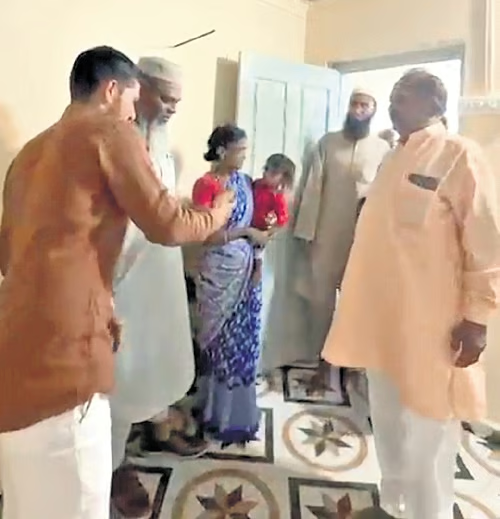
Members of Bijapur Youth Coverage hand over the house to Kasturi Rudagi

The proposal to build the house was initiated by Fayaz Honnutagi, Babulal Chaudhary, Mateen Meeradhe, Babajan Ukkali, Sadik Chaudhary and Zubair Mogare of the group, Bagwan said. Every month, members contribute Rs 100 each towards a fund set up by the group. It offers financial help to the needy, besides providing groceries to at least five families every month.

“For us, nothing is bigger than humanity. People from all communities are with us. Our members are only rich in heart. We are not doing this for publicity, we only want to do something good for society,” said Fayaz of Bijapur Youth Coverage.

source: http://www.newindianexpress.com / The New Indian Express / Home> Good News / by Firoz Rozindar / May 17th, 2026

Jabalpur accident: Ramzan saved four lives by jumping into dam

WEST BENGAL / Jabalpur, MADHYA PRADESH :

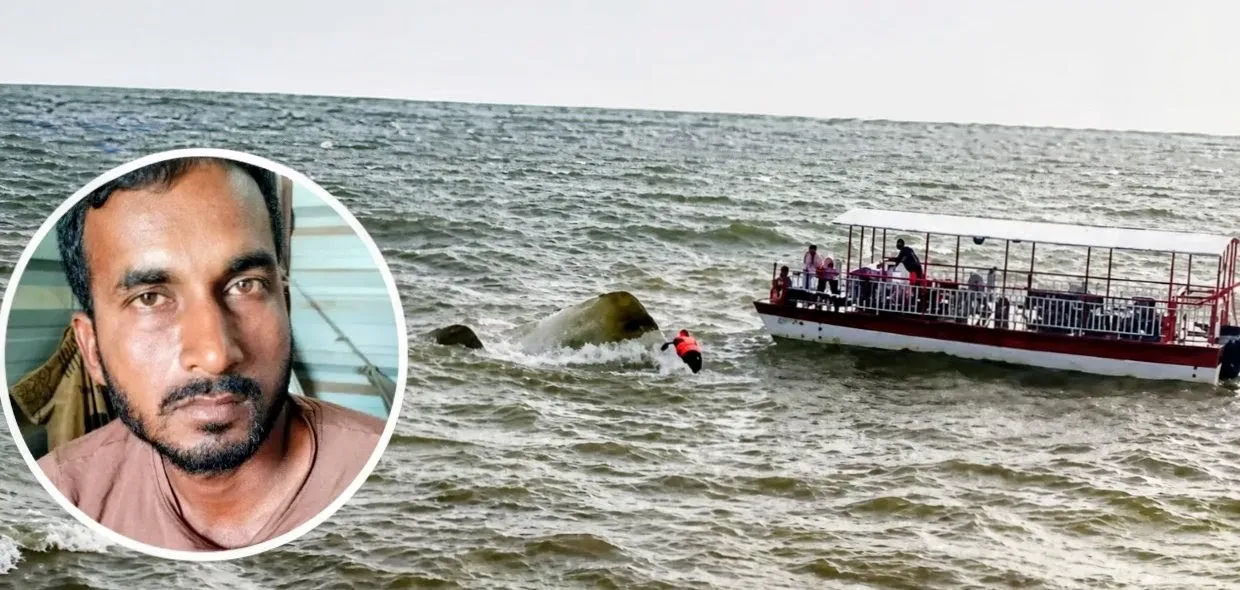
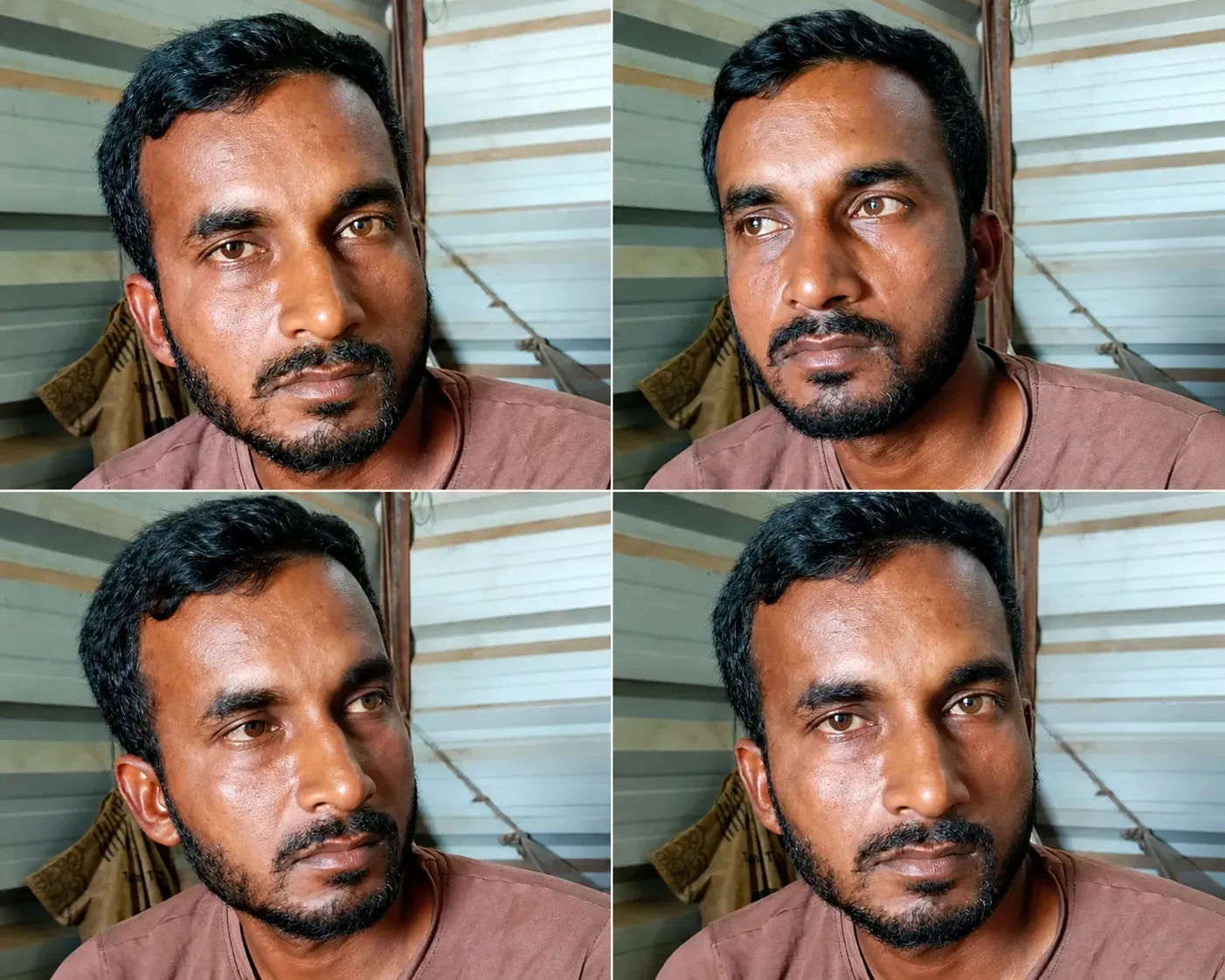
Ramzan (Inset) and rescue boat in the backdrop

Jabalpur

Nine people have died so far in the Bargi Dam accident in Jabalpur, Madhya Pradesh, while relief and rescue operations are underway. As soon as the accident was reported, a labourer was the first to start the rescue operation. Before the rescue team arrived, Ramzan, who was busy constructing a bridge, risked his life to save the lives of many people and did this work with great courage.

In fact, a bridge construction work was going on a short distance from where the accident took place near Bargi Dam. When the workers saw the cruise ship sinking, a laborer immediately jumped into the water without any resources to save the people and started the rescue work.

Ramzan, a resident of West Bengal, said that he saw the cruise ship sinking with his own eyes. He immediately took a rope and jumped into the dam from a height of about twenty-five feet. He pulled out six people, four of whom survived while two could not survive.

After visiting the scene, the Chief Minister of Madhya Pradesh announced that those who tried to save the drowning people would be given a reward of Rs 51,000 each.

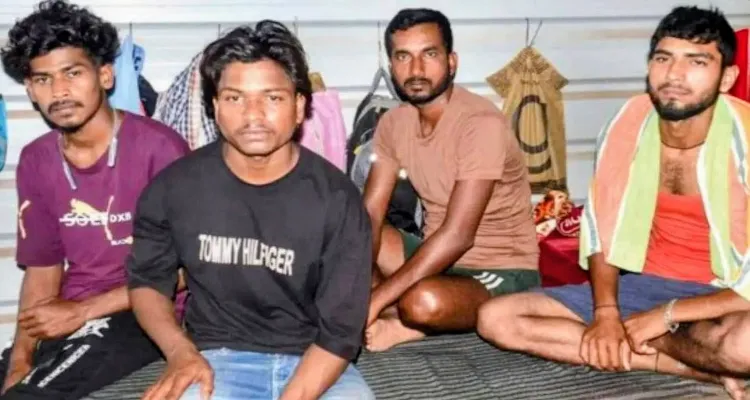
Bandar Kumar Yadav, who was present at the scene, said that he was a resident of West Champaran and about thirty-five workers were working there. Seeing the cruise ship going out of control, he called out to the pilot to stop and asked his colleagues to bring a rope, but the pilot did not listen and went ahead, after which the cruise ship sank.

After that, several workers and colleagues went into the water to help Rajkumar from Bihar and Shewanath from Gorakhpur said that the cruise had already capsized before they reached it. Some passengers had already fallen into the water and were pulled out by the workers.

Those working on a project under the central government’s Jal Jeevan Mission, were just a short distance from the spot where the cruise ship capsized. They responded within moments and immediately formed a makeshift rescue team.

Armed with only ropes, the workers, displaying extraordinary courage and human spirit, jumped into the raging waves and were able to safely pull out about a dozen passengers in the critical initial moments of the accident, as described by locals.

Among these selfless heroes was 22-year-old Ramzan from West Bengal, whose daring leap was one of the most iconic scenes of the rescue. He tied a rope to his body and jumped from a cliff about 25 feet high, swimming through the stormy waters to reach the stranded passengers.

“I saw the boat sinking and didn’t waste a moment,” Ramadan said, speaking to The Times of India. “I immediately picked up a rope and jumped into the water. He was able to pull out six people, four of whom survived while two could not be saved.”

The accident occurred on Thursday when a cruise ship capsized in a dam due to strong winds and a storm.

Twenty-five people were rescued safely in the incident, while nine bodies have been recovered. Police are investigating the matter.

source: http://www.awazthevoice.in / Awaz, The Voice / Home> Stories / by Aasha Khosa / May 03rd, 2026

How a 90-year-old North Texas doctor built a lifeline for thousands in need

INDIA / Texas, U.S.A :

Decades ago, Dr. Basheer Ahmed received a phone call from the local Catholic Charities.

https://www.nbcdfw.com/video/news/local/how-a-90-year-old-doctor-built-a-lifeline-for-uninsured-patients/4024921

A North Texas psychiatrist says one phone call during the Bosnian refugee crisis led him to create the Muslim Community Center for Human Services. The nonprofit now provides medical, dental and mental health services to thousands of patients each year, regardless of faith or ability to pay. The organization relies on donated time, equipment and funding as Dr. Basheer Ahmed continues serving patients at age 90. NBC 5’s Tahera Rahman has more.

When Catholic Charities called Dr. Basheer Ahmed in the early 1990s, asking for help relocating Muslim Bosnian refugees, he quickly realized something larger was missing across Texas.

“There was no Muslim social service organization or charitable organization helping people,” Ahmed said.

That phone call led Ahmed, now 90 years old, to found the Muslim Community Center for Human Services , a North Texas nonprofit that has since grown into a network of free and low-cost medical, dental and social service programs serving thousands each year.

“Being a psychiatrist, I had been doing some consultation work for Catholic Charities,” Ahmed recalled.

The organization was helping relocate Muslim Bosnian refugees to North Texas and needed guidance on cultural and religious needs, including mosques and halal food.

Ahmed, a Muslim immigrant from India, said the request stayed with him.

“They said, ‘Dr. Ahmed, what should we do?’” he said. “And I became very concerned that in the entire Texas, in fact, there was no Muslim social service organization or charitable organization helping people.”

In 1995, Ahmed gathered a group of supporters and founded the Muslim Community Center for Human Services, known as MCC.

The organization, based in Richland Hills, began modestly.

“So, I acted as a receptionist also initially,” Ahmed said. “We didn’t have money.”

Ahmed soon realized many patients also struggled to access medical care because of language barriers, cultural differences and long wait times.

“They had to wait a long time. There were language barriers, cultural barriers,” he said.

What started as culturally sensitive social services expanded into medical care, mental health support, domestic violence assistance and dental services.

Ahmed said community support helped the organization grow. One example that stands out to him involved retiring dentist Sam Roach, who donated equipment to MCC’s dental clinic before volunteering there himself.

“[A] Christian donating office to a Muslim organization shows how humanity works,” Ahmed said.

A Life Shaped by Service

Ahmed has held many leadership roles throughout his life, including serving as president of the Islamic Association of North America in 1979.

“In 1979, when there was Iranian hostages, he called us,” Ahmed said of former President Jimmy Carter. Ahmed said Carter sought input from Muslim leaders during the hostage crisis.

Still, Ahmed said service remains the role that matters most to him.

“I always feel that every human being should think about why God created you, what purpose you are serving,” he said. “I realized that serving humanity is my purpose of life.”

Adeela Malik, MCC’s director of clinical services, said the organization continues adapting to financial challenges while trying to meet growing demand.

“This was operating right until COVID,” Malik said of the dental clinic. “When COVID hit, we had to shut it down because of a lack of funds.”

Malik said MCC now connects patients with partner dentists who provide care for free or at reduced cost through their own practices.

“That’s one of our goals, to collect enough funds and reopen it,” Malik said. “Because I’m telling you, there is a lot of demand. People are willing to travel two hours for their dental.”

Care for Everyone, Regardless of Background

MCC services are free, though patients may be charged a $25 administrative fee if they can afford it.

One patient, who asked not to be identified, said he discovered MCC after searching online while struggling with serious health issues and no insurance.

“When you lose 70 pounds in three months, we thought like something serious was going on,” he said.

The patient said he initially believed the clinic only treated Muslim patients.

“To be honest, first I thought they’re only treating like Muslim community, but I was very wrong,” he said.

Doctors diagnosed him with untreated diabetes, and he said ongoing visits have helped him manage the condition.

“I’m glad I found them because… I will say, saved my life,” he said.

The patient also shared a message for Ahmed.

“I wanna say thank you from the bottom of my heart for having such a kind heart,” he said.

Ahmed said the organization’s mission remains rooted in expanding care to anyone in need.

“This is the best medical service in the world we provide here in America,” Ahmed said. “I can tell you that. But unfortunately, the sad part is it’s not for everybody. And my desire is that I wish we can do this to every person. We can.”

That’s why, even after a lifetime’s work, the 90-year-old continues to fill needs where he finds them.

“I feel at least a peace in mind that I am doing that for satisfying my own faith and my purpose for living in this world,” he said.

The Muslim Community Center for Human Services operates through donated time and funding.

source: http://www.nbcdfw.com / 5NBCDFW / Home> Health / by Tahera Rahman / May 13th, 2026

Muslim Students Shine Nationwide in 2025–26 Exams, Scaling New Academic Heights

INDIA :

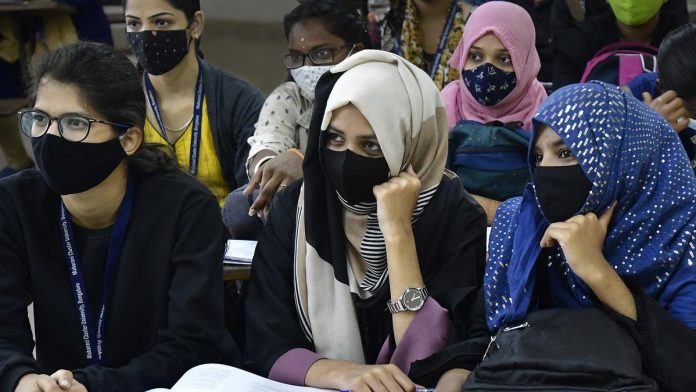
Photo Credit: The Hindu

A quiet but significant academic shift is unfolding across India, as Muslim students register notable successes in some of the country’s most competitive examinations. From civil services and national-level entrance tests to state and central board results, the 2025-26 academic year has emerged as a milestone, reflecting both individual perseverance and gradual systemic improvements in access to education.

One of the clearest indicators of this progress is visible in the Union Public Service Commission (UPSC) Civil Services Examination 2025 results. A total of 53 Muslim candidates successfully cleared the exam, the highest number in nearly a decade. Out of 958 successful candidates, this represents approximately 5.5%, marking a steady increase compared to previous years. While still below the community’s population share of 14-15%, the rise signals a growing presence in India’s administrative framework.

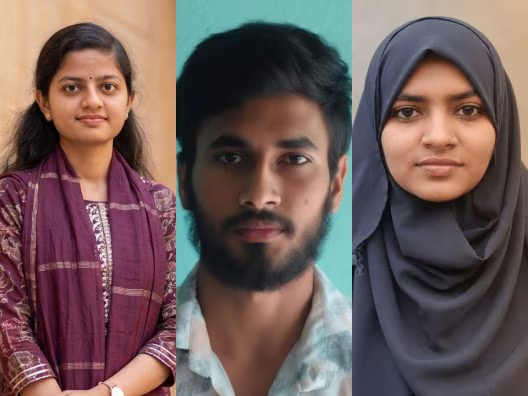
Several candidates secured top ranks, underscoring the depth of talent emerging from the community. A.R. Rajah Mohaideen secured Rank 7, placing him among the top 10 achievers, while Ifra Shams Ansari (Rank 24), Nabiya Parvez (Rank 29), and Hassan Khan (Rank 95) featured within the top 100. These achievements highlight a shift in a field historically marked by underrepresentation, offering new role models for aspiring civil servants.

Parallel success stories have emerged in engineering entrance examinations. Majid Mujahid Hussain from Madhya Pradesh secured an exceptional All India Rank 3 in JEE Advanced 2025, one of the most challenging engineering entrance exams globally. His accomplishment stands out not only for its academic merit but also for challenging the perception that top ranks are reserved for students from elite urban coaching ecosystems. Majid’s journey, built on disciplined self-study and determination, reflects a broader democratisation of opportunity in competitive education.

In the medical field, Muslim students have also demonstrated competitive strength. Umaid Khan from Maharashtra secured All India Rank 21 in NEET-UG 2025, contributing to the state’s strong overall performance. While comprehensive nationwide data on religious representation in NEET remains limited, individual achievements such as these point to increasing participation in high-stakes medical admissions.

At the school level, Muslim students have consistently excelled in both central and state board examinations. The CBSE Class 10 and 12 results for 2025 recorded an overall pass percentage of 88.39%, within which minority students have shown increasing competitiveness. Across states such as Uttar Pradesh, Kerala, Telangana, and West Bengal, Muslim students have frequently appeared among district and state toppers, particularly in science and commerce streams.

Regional trends further underline the importance of educational ecosystems. Southern states like Kerala and Telangana, known for their robust literacy rates and institutional support, continue to produce high-performing Muslim students. In several districts, pass percentages among Muslim students have reportedly exceeded 85-90%, particularly where access to coaching and academic resources is more developed.

Among the standout individual stories this year is that of 15-year-old Syed Zaid Sadiq from Nashik, who topped JEE Main 2026 with an impressive percentile of 99.927. A Hafiz who has memorised the Qur’an, Zaid successfully balanced madrasa education with mainstream academic studies, scoring above 99% in both sessions of the examination. His achievement challenges common stereotypes surrounding religious education and highlights the potential for integrated learning approaches. He now aims to clear JEE Advanced and secure admission to an Indian Institute of Technology (IIT).

In Bihar, Sabreen Parveen emerged as a joint topper in the Class 10 board examinations, scoring 492 out of 500 (98.4%). A student from Vaishali district and the daughter of a tyre shop owner, Sabreen’s achievement exemplifies how determination and family support can overcome financial constraints. Aspiring to become a doctor, her success has inspired students in her community and beyond.

Equally inspiring is the story of Zainab Bilal from Srinagar, who scored 95% in her CBSE examinations despite being visually impaired. Relying on auditory learning, memory techniques, and assistive technology, she independently prepared for her exams. Her journey underscores the role of resilience and innovation in overcoming physical challenges, offering a powerful message about inclusivity in education.

From Jamia Millia Islamia schools, Md Fauzan topped JMI Class 10 2026 exams with 98.71%. Mohammad Ali and Mohammad Arham shared second place scoring 98.43%, from Syed Abid Hussain Senior Secondary School. Atiqua Zia and Ansari Zeenat Fatima secured third with 98.29%, representing Syed Abid Hussain Senior Secondary School and Jamia Girls Senior Secondary School.

Another noteworthy development is the increasing participation and success of Muslim women. In the UPSC 2025 results, 13 of the 53 successful Muslim candidates were women, indicating a positive shift toward gender inclusion. Notably, 38 students from Jamia Millia Islamia qualified UPSC this year thus setting example before all major universities. This trend also is mirrored in school-level examinations, where girls consistently outperform boys across communities. Initiatives encouraging girls’ education are also gaining momentum at the grassroots level.

In Rajasthan’s Sikar district, a unique initiative by philanthropist Adil Khan recognised the achievements of top-performing girls from government schools, irrespective of religion. Rewards included a car for one student and cash prizes of ₹1 lakh for others. The initiative not only celebrates academic excellence but also promotes awareness about the importance of girls’ education, particularly among underrepresented communities.

Experts attribute these encouraging trends to multiple factors. Increased awareness about the importance of education, greater parental support, and the expansion of coaching facilities into smaller towns have all contributed. Additionally, digital learning platforms and scholarship programs have made quality resources more accessible to students from economically weaker backgrounds.

Mentorship initiatives by non-governmental organisations and community groups have also played a critical role. By providing guidance for competitive exams such as UPSC, JEE, and NEET, these programmes have helped bridge long-standing gaps in access to information and preparation strategies.

However, challenges remain. Despite the visible progress, Muslim representation in elite institutions and services still lags behind proportional levels. Socio-economic barriers, disparities in school infrastructure, and limited awareness in certain regions continue to affect outcomes. Addressing these issues will require sustained policy efforts, community engagement, and investment in education at the grassroots level.

Educationists emphasise that the current momentum must be nurtured. “The improvement is real, but it needs continuity,” said one academic expert. “Access, affordability, and awareness are the three pillars that must be strengthened to ensure long-term change.”

The achievements of 2025-26 collectively tell a story of aspiration and gradual transformation. Whether it is a civil services aspirant securing a top rank, a student from a modest background topping a state board, or a visually impaired learner excelling against the odds, each success contributes to a larger narrative of empowerment.

As India continues to evolve as an educational hub, the rising performance of Muslim students reflects not only community progress but also the broader democratisation of opportunity. While the journey toward equitable representation is far from complete, the trajectory is unmistakably upward.

In classrooms, coaching centres, and homes across the country, a new generation of students is quietly rewriting expectations – one exam, one rank, and one success story at a time.

source: http://www.radiancenews.com / Radiance News / Home> Education> Focus / by Mohd Naushad Khan / May 08th, 2026

Syed Mumtaz Presented with Mahatma Gandhi National Sadbhavana Award

Bengaluru, KARNATAKA :

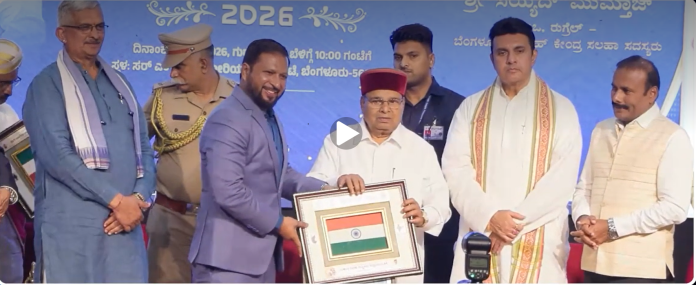
Syed Mumtaz receiving the award

Bengaluru:

Business leader and social activist Syed Mumtaz was awarded the prestigious Mahatma Gandhi National Sadbhavana Award in recognition of his contributions to social service, community development, and entrepreneurial empowerment.

The award, instituted by the Sanatan Foundation, honours individuals and organisations that have made significant contributions toward peace, social harmony, public service, and national unity in the spirit of Mahatma Gandhi’s ideals.

The award was presented during a special programme titled “Gandhi Smriti: Our Steps towards Gandhian Principles” held at Sir M. Visvesvaraya Auditorium in Bengaluru. Thawar Chand Gehlot, Governor of Karnataka, attended the event as the chief guest and presented the honour to Syed Mumtaz.

Syed Mumtaz is the Chief Executive Officer of Rug-Rail Components and Systems Private Limited and currently serves as the President of the Karnataka chapter of the RIFA Chamber of Commerce and Industries. He is also a member of the organisation’s Central Advisory Committee.

According to the organisers, Mumtaz was chosen for the award in recognition of his sustained efforts toward the betterment of society and his initiatives aimed at empowering youth and entrepreneurs. Through his leadership roles, he has been actively involved in mentoring startups, conducting business workshops, and creating networking and mentorship platforms for aspiring entrepreneurs.

Over the years, Mumtaz has emerged as a prominent voice in promoting inclusive business growth and community-oriented development. His initiatives through RIFA Chamber of Commerce and Industries have focused on encouraging ethical entrepreneurship, supporting small businesses, and creating opportunities for young professionals.

Speaking on the occasion, Mumtaz said that success should always contribute toward larger social goals. He noted that he plans to launch more people-centric projects in collaboration with RIFA in the coming months to strengthen community empowerment initiatives.

The organisers stated that the award ceremony aimed to inspire citizens to uphold Gandhian values such as harmony, service, compassion, and national integration. Several social activists, business leaders, community representatives, and dignitaries attended the event.

The Mahatma Gandhi National Sadbhavana Award is regarded as a notable recognition for individuals who work beyond their professional domains to contribute meaningfully to society. This year’s ceremony highlighted the growing role of entrepreneurs and community leaders in addressing social challenges and promoting collective progress.

Syed Mumtaz is an engineering graduate and a distinguished student of Islamia Arabic College, Mansoora in Karnataka. He discharged the duties as unit president of Jamaat-e-Islami Hind, BTM Layout in Bangalore for one term earlier.

source: http://www.radiancenews.com / Radiance News / Home> Pride of the Nation>Awards / by Radiance News Bureau / May 15th, 2026

Kupwara’s Meer Sehrish among India’s 24 girls selected for NDA

Kupwara District, JAMMU & KASHMIR :

Kupwara :

Meer Sehrish from Kupwara district of Jammu & Kashmir has brought pride to the Union Territory by clearing the prestigious National Defence Academy (NDA) examination and securing a place among the only 24 girls selected across India.

Her achievement is being hailed as a major milestone for the region and an inspiration for young girls aspiring to join the armed forces. Residents, teachers and local officials congratulated Meer Sehrish for her dedication and hard work in cracking one of the country’s most competitive defence entrance examinations.

The NDA examination, conducted by the Union Public Service Commission (UPSC), is the gateway for entry into the Indian Army, Navy and Air Force. Since the inclusion of women candidates in NDA, the competition among aspirants has remained extremely high.

Meer Sehrish’s success highlights the growing participation of girls from Jammu & Kashmir in national-level competitive examinations and defence services. People across Kupwara expressed hope that her accomplishment would motivate more students, especially from remote areas, to pursue careers in the armed forces.

Her selection is also being viewed as a positive sign of changing aspirations among the youth in Kashmir, where students are increasingly excelling in academics, sports and national competitive platforms.

source: http://www.kashmirahead.com / Kashmir Ahead / Home / by News Desk Kashmir Ahead / May 09th, 2026

Muslim Students Shine in Jharkhand Class 12 Results

JHARKHAND :

Ranchi:

Muslim students, especially girls, delivered an impressive performance in the Jharkhand Academic Council Intermediate examinations, earning praise from teachers, parents and educationists across the state.

The Class 12 results, declared on Wednesday, saw minority students secure top positions in the science stream. Many observers described the achievement as an encouraging sign for educational progress within the community.

Rashida Naz from Dhanbad emerged as the topper in the science stream with 489 marks. A student of Plus Two DAV High School, Rashida brought recognition to her school and district through her performance. Teachers described her as disciplined and focused, crediting her success to dedication and strong family support.

Faizan Alam from Patan secured the second position with 483 marks. Sana Afrin from Satbarwa and Akanksha Kumari from Simaria jointly secured third place with 481 marks each.

Educationists noted that girls once again outperformed boys in several categories, continuing a trend seen in recent years. Many teachers and parents said the results reflected growing awareness about the importance of education, especially among Muslim families and girls from smaller towns.

The achievements in Jharkhand followed similar success by Muslim students in the Bihar Board examinations earlier this year. In Bihar, Shabrin Parveen from Vaishali district scored 492 out of 500 marks and became a joint state topper in the matriculation examination. Several other Muslim students also secured places in the merit list with marks above 97 percent.

Parents and community leaders welcomed the latest results and said such achievements inspire students from modest backgrounds to pursue higher education and competitive careers. Teachers stressed the need for scholarships, career guidance and better educational opportunities to support talented students further.

source: http://www.radiancenews.com / Radiance News / Home> Latest News / by Radiance News Bureau / May 08th, 2026

Dr Munkir Hossain: The unacknowledged Good Samaritan and ‘Sufi Scientist’ of rural India

WEST BENGAL :

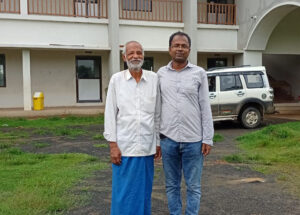
Meet Dr Munkir Hossain, a scholar on a mission to empower the girl child and create religious harmony, hopes that one day India will be led by scholars. A Sufi, who fasts almost throughout the year.

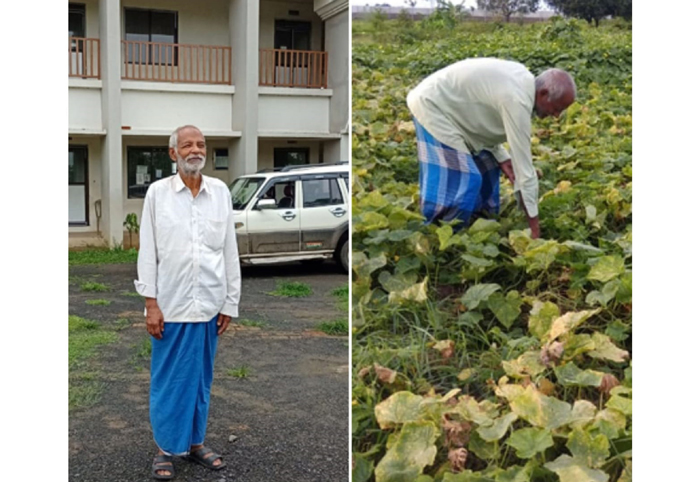
Dr Munkir Hussain in front of the institute cum hostel at a farm in Birbhum District

Kolkata:

If you were to cross him on your way to Birbhum, famous for its terracotta work, you probably wouldn’t give him a second glance. If you saw him tilling the farm land you’ll only see a regular farmer busy at his work. A frail figure in a checked lungi (waist cloth) is a common sight in our country. What is not common though are the achievements of our students from rural India and that too as scientists of international repute.

Yes, of course we have our much admired A.P.J. Abdul Kalam, who made his way from a village to achieve great heights as a scientist and went on to become one of India’s most loved and respected Presidents.

Dr Munkir Hossain, the person described above, has been a post doctorate research scholar at various national and international institutes. After schooling from his maternal village at Bhimpur he went to Burdwan University where he did his master’s in Chemistry and followed it up with a PhD and later did post doctorate studies from the prestigious IIT (Indian Institute of Technology) Bombay.

Who is Dr Munkir?

“I was born in Khutkail village but there was no school there. Luckily my brother was born soon after my birth so my parents left me at my maternal grandparents’ house in Bhimpur which is just across the Pagla river. There was a primary school too. If that had not happened I would have remained illiterate,” chuckles the scientist as he recalls the fond memories of childhood days.

He credits his teachers at the village school for instilling in him the values he has and the thirst for knowledge that took him to far flung places and universities such as Taiwan and Japan.

Dr Munkir has over 55 research articles published in national as well as international science journals of great repute.

He is revered by all those who know him or have heard of him. The Vice Chancellor of Aliah University and former Professor, Department of Chemistry at Jadavpur University in Kolkata, Md Ali recalls the days at Burdwan University when he had enrolled for his MSc while Dr Munkir was doing his PhD there, “As an academician from such modest background Dr Munkir has definitely been an inspiration for others. I come from a village myself and seeing Dr Munkir do his PhD at that time seemed like a huge achievement in itself. I used to admire his sincerity and his simplicity. He led a simple life and used to be dressed in very simple attire, wearing the modest chappal (bathroom slippers) to class. He had no political leaning nor do I think he discussed religion. Though my interactions with him were very limited.”

After retirement in 2016 as a senior research scholar Dr Munkir opted to come back to his village.

Dr Munkir Hossain with BSM’s Samirul Islam

After retirement, bought lands and providing free education for girls

At 67, he has given away all his earnings for the education of poor children on a 60 bighas (acres) plot of land that he bought in Bhimpur.

Dr Munkir had started his venture with the aim to empower the girl child. But he ran short of money. His objective is to spread secular knowledge and create scholars who will provide honest leadership.

“Out of the 26 students from our first batch which appeared for the WB Board’s Madhyamik examination this year, 25 secured first division. Five of them scored between 90 to 100 percent and six students scored between 80 to 90 percent,” shares the scientist like a father proud of his children’s achievements.

“His achievements as a scholar are unparalleled yet he lives in oblivion. He does not even own a mobile phone. He spent his money getting his brother’s daughters married and with the rest he bought a plot of land to promote education. He is a Sufi scholar, a Saadhak,” says Samirul Islam, Assistant Professor at Shyampur Siddheswari Mahavidyalaya and President of Bangla Sanskriti Mancha.

Future plan: A maternity hospital

That’s not all. Dr. Munkir also wants to set up a Maatri Sadan (Mother and Child care) hospital that will have women administrators and hopefully women doctors as well. The institute at present provides free education from school till the post graduate level besides free hostel facilities. It occupies 37 bighas. The remaining 23 bighas of the plot will be used for the Maatri Sadan.

“Let’s not forget that our mother is our first teacher. It is on her lap that we get to hear stories and tales of good and bad, right and wrong. Habits formed during childhood last long. It lays the foundation for a healthy outlook and consequently a healthy society. As of now only girls from the local village are getting education here because we don’t have hostel facility for them. I’m hopeful that soon, like the boys who come from far off places, they too will be able to get quality education and hostel facility with wholesome food free of cost,” he shares with conviction.

The scholar reminds us that society is an extension of our family. “We need to improve social values. We are losing our heritage and culture. Even the villages are not free from such degradation. My intention is not just to give my country educated individuals but youth who can rise above vices like corruption and greed for money or power,” says the man who chose to remain unmarried so that he would be free to serve society.

Epitome of simple living and high thinking

For his own sustenance he takes farmland on lease from the villagers and cultivates onion and vegetables and also grows mangoes. “I was born in a very poor family. We barely could manage one meal a day. So I’m a light eater and hunger does not bother me. But I don’t want other children to be deprived. The only way to get out of poverty is through education,” says the scientist in answer to how he manages to lead such a frugal life.

All his life he owned only two sets of pants and shirts and has toured across the globe in them.

The man himself fasts for 360 days a year, hasn’t skipped his prayers since the time his primary school teachers taught him how to pray and sleeps at the mosque. He is critical of such religious preachers who spread hate and create rift between communities. He stresses on the importance of secular knowledge combined with spiritual knowledge to tide over all the ills plaguing our society today.

“What we see around us today is a result of ignorance. I hope more people come forward and join hands with others to create a society that is not just secular but one that thrives on peace and prosperity,” says the scientist turned social activist with a conviction that’s difficult to ignore.

Taking a cue from Tagore’s Ekla Chalo Re, which Dr Munkir quoted, the indomitable spirit of the scientist is persistent in its resolve to serve the society. He has joined hands with Bangla Sanskriti Mancha that works for the welfare of downtrodden and has been closely associated with the relief work during the lockdown and cyclone Amphan, to provide the relief works to the affected people.

source: http://www.enewsroom.in / eNews Room India / Home> Bengal> Let There Be Light / by Nasreen Khan / July 22nd, 2020

Inspiring tales of a bus driver’s daughter, panwala’s son and gatekeeper’s grandson becoming doctors

Kolkata, WEST BENGAL :

Urooj, a Kolkata-based NGO has taken up the task of coaching underprivileged and average students to excel in NEET exam.

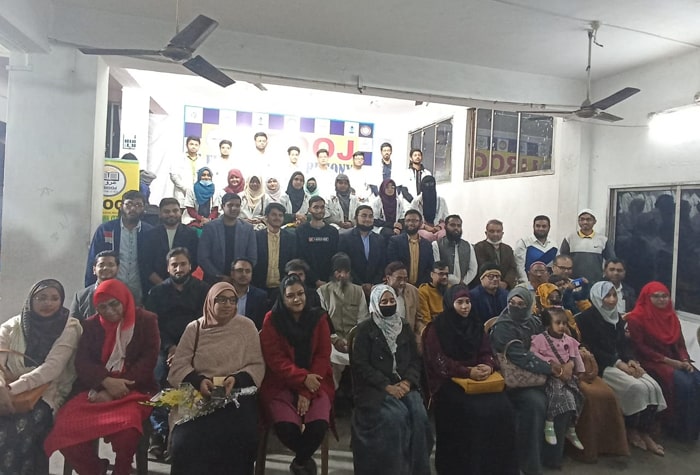
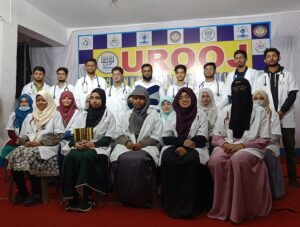
Kolkata’s renowned doctors with Urooj students who secured a seat through NEET

Kolkata:

Gosiya Azad stays in a small house on College Street. During the lockdowns, she found it difficult to study at her home, so she used to walk almost two kilometres to study in a library. Azad, daughter of a bus driver, has managed to secure a medical seat (BDS) at the Dr. R Ahmed Dental College.

Gosiya missed MBBS by one mark. If she would have OBC certificate then she would have got MBBS seat. She is an OBC candidate, but couldn’t get all the documentation done because her family is not literate.

“I had secured 62 per cent in senior secondary. And I was not very good at studies,” she recalls.

Like Gosiya, Shayaan Fahim, also says that he was an average student. And once believed he will never be able to crack the national level exam — National Eligibility cum Entrance Test (NEET). But, he too secured an MBBS seat at the Barasat Medical College.

Danyal Rizwan Ansari passed his secondary from a government school in Bihar. He is all set to become the first doctor from his village. Danyal has also secured an MBBS seat in Barasat Medical College.

Along with them, there are other students whose father runs a pan stall or whose mother is a teacher in a trust school earning a meagre salary and have beaten all odds to crack the NEET and secure a medical seat.

The Urooj students who secured a medical seat

These students have one thing in common, Urooj, a Kolkata-based Non-Government Organization (NGO) which helps underprivileged and average students to crack NEET at a nominal or almost no fees.

Some 151 students (classroom+test) enrolled last year but due to open enrollment system only 79 gave tests, out of which 22 got seats in different government medical colleges and hospitals through NEET 2022. Among them, 14 are girls who realized their dreams of becoming doctors.

On Sunday evening, all of them, along with 15 more students of Urooj’s 2021 batch were felicitated in Topsia.

And to felicitate them, 30 doctors, from renowned medical colleges and hospitals attended the event.

Aulad Hussain High School, center of Urooj’s classroom coaching had a jam-packed session, despite the unexpected delay caused by a phenomenal turnout of guests to attend the event.

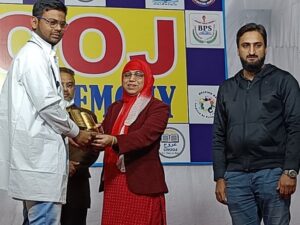
Dr Salim Parvez, Dr Nahid Parvez and Dr Aadil Bashir felicitate an Urooj student Md. Shoaib Akhtar

It was an emotional moment not only for the students who realized their dreams but also for the parents who wanted to see their sons and daughters don the ‘white coat’.

Anwar Hussain, who secured an MBBS seat in Deben Mahata Medical College, when get felicitated, later called upon his father Md Mobarak Hussain and the son donned the father with white coat.

“We do not do the felicitations for donations or publicity. But by such functions, we want to encourage the students for higher studies. We believe that MBBS is just a beginning and they have to do MD and MS or other higher studies in future,” informed Umar Daraz Danish, a teacher, by profession and the center-in-charge of Urooj.

Urooj is the brainchild of Dr. Minhajuddin Khurram, Cardio-Thoracic and vascular Surgeon at NRS Medical College and his cousin Dr. Jaweria Mehreen (MBBS intern). Urooj also gets support from Helping Hand Trust.

Dr. Ahsan Kamal, Dr. Minhajuddin Khurram and Dr. Jaweria Mehreen felicitating another student of Urooj Sumaiya AK Sayeed

Umar added, “Last year, a student whose grandfather was a gatekeeper in Aulad Hussain School cleared NEET and secured a seat in a government college. But we did not publicize it. Urooj also has students who are from economically well-off backgrounds, like a parent who is a teacher in Pratt Memorial.”

Urooj conducts a one-year course for students who are in plus two or have passed senior secondary. Unlike other medical coaching centers, Urooj does not teach or guide 11th-standard students in order to prepare for NEET. It charges only Rs 20000 for a year, that too in installments. If some parents can’t afford that also then they can pay as little as Rs 8000. The Urooj students, who crack NEET, next year help guide ongoing aspirants.

“We do not compromise on the quality of teachers. All are paid as per industry-standard. But we also ensure that students do not start considering teachers as cult figures and rather believe in Urooj and the idea behind it,” said Dr. Khurram, the Academic Supervisor of Urooj.

All the budding doctors praise Dr. Khurram for his selfless mentoring and guidance, which helped them crack NEET.

Some of the doctors also addressed future doctors like gynaecologist Nahid Parvez and Plastic Surgeon Faria Shahab.

“The students should believe that they are not in the profession to earn money but to serve humanity. I also request support from those who are unable to clear this year,” said Dr. Nahid.

While Dr. Faria highlighted, “There is a need for female doctors in every area of specialization and there is nothing like male specialist area, so girls can opt for any specialization they want.”

The list of thirty doctors with their specializations and where they are practicing.

1- Dr. Sayeed Uddin(MBBS, Veteran General Practitioner)

2- Dr. Marya Tazeen (BDS, Dentist, Central Kolkata)

3– Dr. Arshad Ahmed (MS, Orthopedics, Asst. Prof CNMC)

4- Dr. Sufiyan Ahmed (MD, Anesthesia and intensive care specialist, in-charge of GDDI ICU)

5– Dr. Ayesha Farheen (BHMS, Homeopathic Practitioner)

6– Dr. Arsalan Raza (MBBS, DCH, Pediatrician) 

7– Dr. Salim Parvez (MD, Radiologist, Director of Radiology, Fortis)

8– Dr. Nahid Parvez (MS, Renowned Gynaecologist)

9– Dr. Aadil Bashir (DM, Cardiologist, NRS MCH)

10– Dr. Asif Ansari (MD, Internal Medicine, Asst. Prof CNMC)

11– Dr. Fatima Zinna (MD, Dermatologist)

12– Dr. Wasif Akhtar (Homeopathy practitioner)

13– Dr. Md. Sarim Ashfaque. (MS, Orthopaedics, Apollo)

14– Dr. Ishrat Parveen (BHMS, Homeopathic Practitioner)

15– Dr. Zoya Ayesha (MBBS, Social Activist)

16– Dr. Ismail Shahidullah (DNB, Neuro Anesthesia- INK)

17– Dr. Jaweria Mehreen (MBBS intern- founder member of Urooj)

18– Dr. Mubashshir Shamim (MRCP, Pediatrician)

19– Dr. Arif Faizan (MD, Senior Interventional Radiologist, NH, Medica and Kothari)

20- Dr. Haseeb Hassan (DM- Neurologist, Amri, Kolkata)

21– Dr. Abdul Majid (DMS, Veteran Homeopathic Practitioner)

22– Dr. Amber Obaid (MD, Senior Radiologist, Medica)

23– Dr. Ahsan Kamal (MS, General Surgery)

24– Dr. Talha Shahid (BDS, Dentist)

25– Dr. Subhan Reyaz (DNB Radiation Oncology, Chitranjan Cancer Hospital)

26– Dr. Saima Shahid (BHMS, Homeopathic Practitioner)

27– Dr. Minhajuddin Khurram (MCh, CTVS, resident at NRS)

28– Dr. Faria Shahab (MCh, Plastic Surgeon, Asst. Prof RG. Kar)

29- Dr. Nehal (DMS, Veteran Homeopathic Practitioner, Social Activist)

30– Dr. Samira Aslam (BDS, Dentist)

source: http://www.enewsroom.in / eNews Room India / Home> Let There Be Light / by Shahnawaz Akhtar / January 10th, 2023