Category Archives: World Opinion

How Imam Hussain’s Blessed Cap reached Jaipur’s historic mansion

Jaipur, RAJASTHAN:

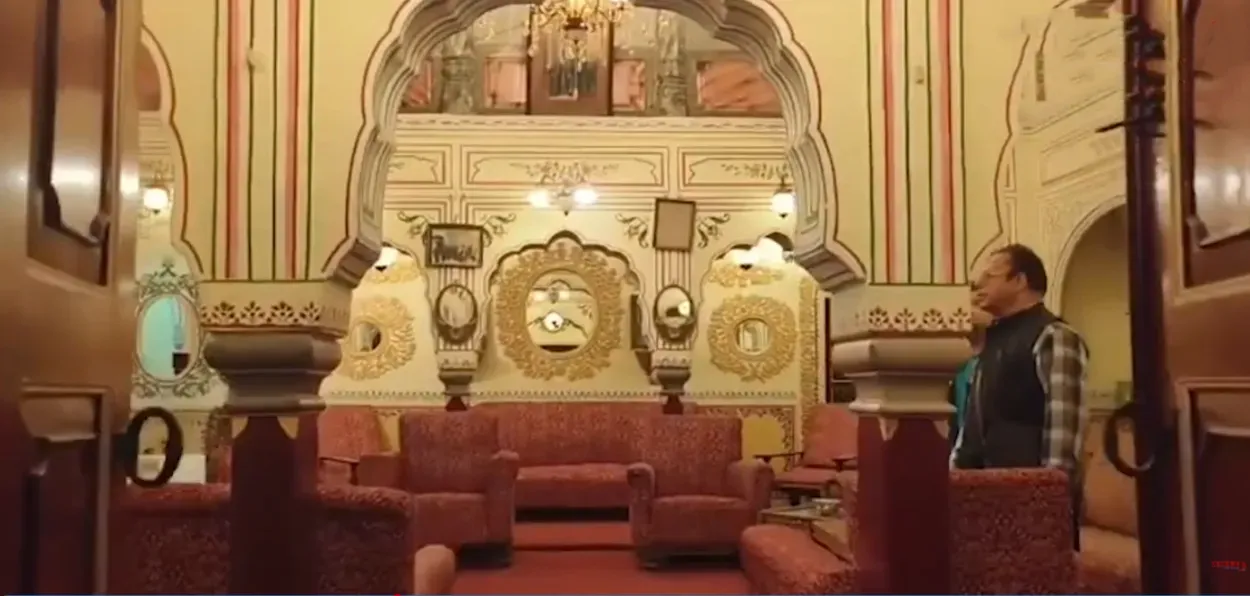
Inside the Salim Manzil, Jaipur

In the bustling streets of Jaipur at Haldio Ka Rasta, Johari Bazar, time suddenly seems to stand still. Amidst ancient stone walls, arched doorways and the stillness of history, stands the Salim Manzil, a majestic building which is a living legacy of more than two centuries.

The mansion houses a relic – a cap of Imam Hussain, the grandson and son-in-law of the Prophet Muhammad; it adds to its importance.

The story behind the ‘blessed cap’ reaching the haveli is interesting and part of its rich history.
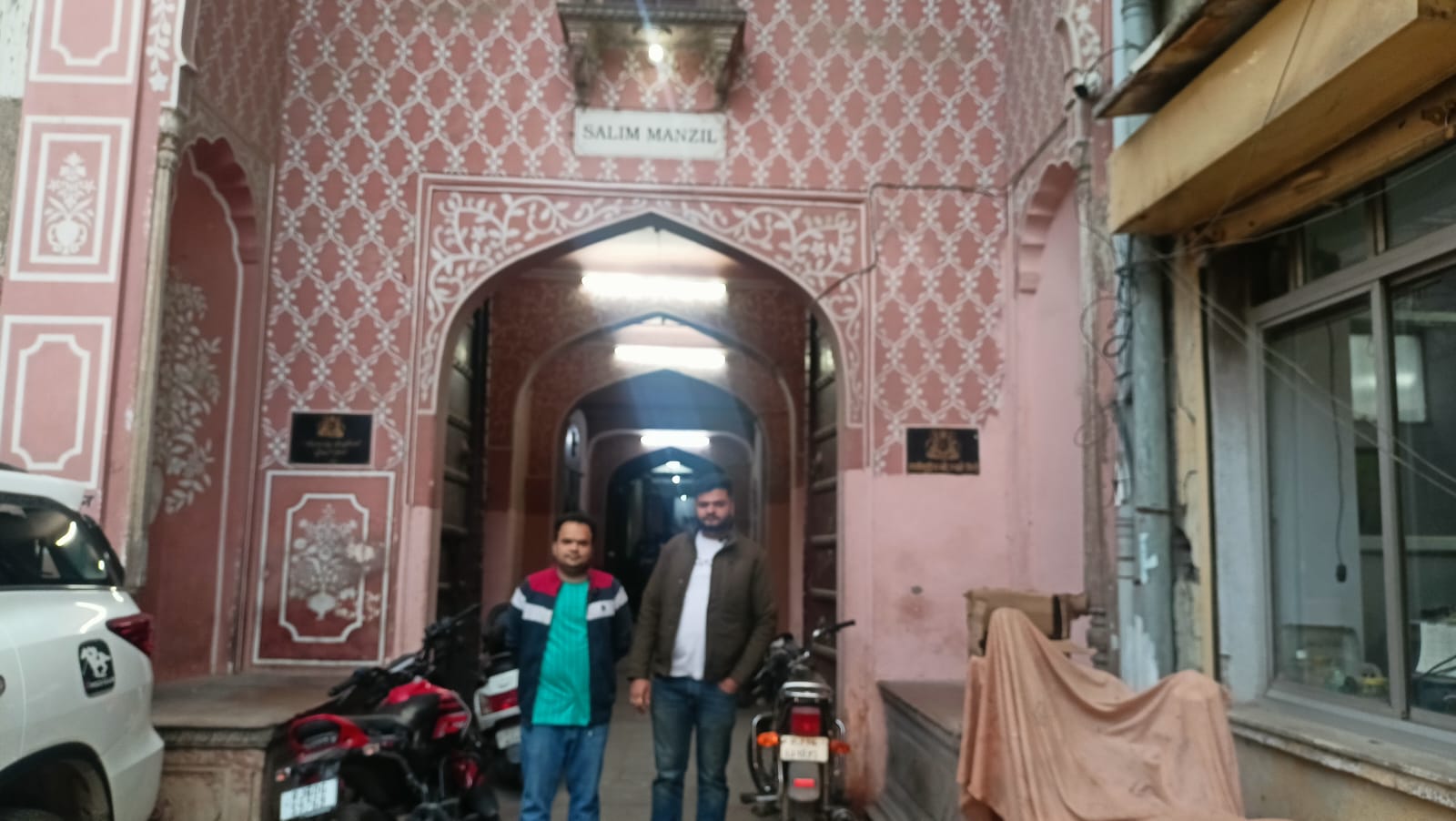
The entrance to Salim Manzil

In the early 17th century, an ancestor of today’s inmates of Salim Manzil treated an Iranian king. The King wanted to reward him with gold, silver and valuable gifts, but he declined the offer and instead requested the cap of Hazrat Imam Hussain.

The King presented the relic and a certificate with the royal seal to him as a reward.

Since 1876, this blessed hat has been preserved in Saleem Manzil in a special glass-framed box kept in a hall called “Kala-e-Mubaraq”.

Every year on the 9th and 10th of Muharram, it is opened to the public. In those days, Salim Manzil is turned into a pilgrimage centre, and its air filled with spirituality.
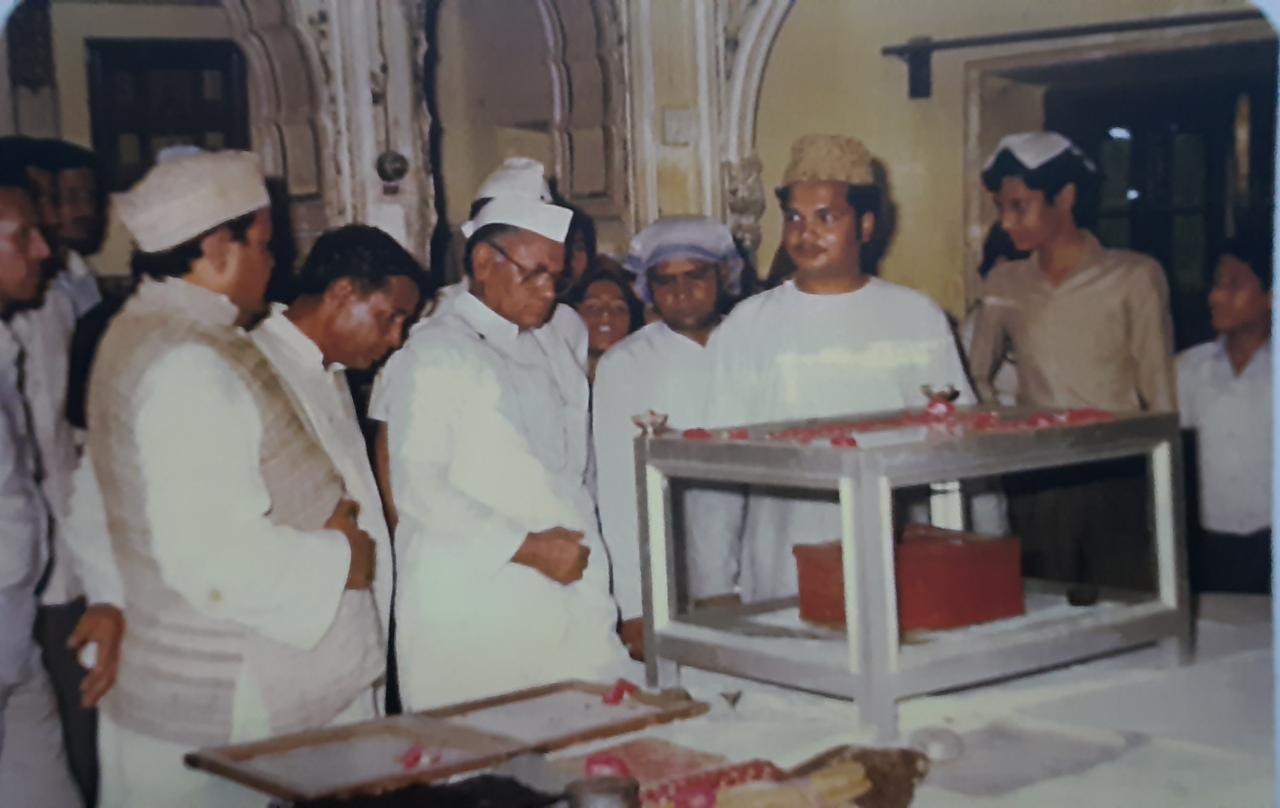
People viewing the Blessed Cap of Hazrat Imam Ali

Today, Moinuddin Khan, 33 and his younger brother, Hussamuddin Khan, 27, are living in the mansion. The two brothers are not only maintaining this legacy, but also modernising its upkeep and display of artefacts.

Moinuddin Khan says that his ancestors came to Jaipur from Delhi around 1812 AD. At that time, Maharaja Jagat Singh of Jaipur State granted them a fiefdom and honour to his elder brother, Hakim Wasil Ali Khan.

This honour was for Wasil Ali Khan’s academic and medical expertise, and he was admitted to the Royal Court.  One of the ancestors was the head of the intelligence department of Jaipur State, a sensitive position. He was responsible for the State’s security, political activities and gathering information needed for administration.
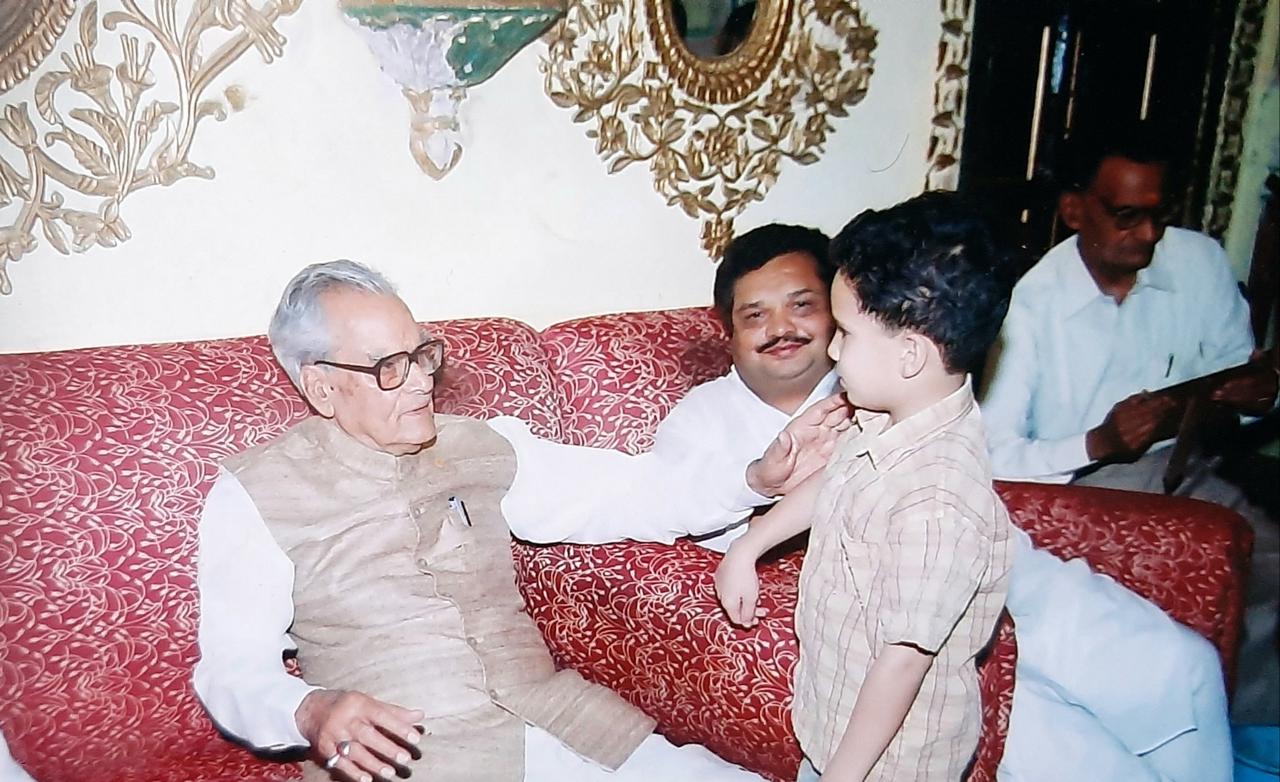
Bharion Singh Shekhawat with the inmates of Salim Manzil

Later, his son, Salim Ali Khan, worked in the same position.

The construction of Saleem Manzil began in 1867, and it was completed within three years. Spread over an area of ​​about a bigha, the building was gifted by the Maharaja of Jaipur. Even today, the haveli’s traditional Rajasthani carvings, arches, high ceilings and lattice windows are a testimony to the architectural craftsmanship of that era.

Over time, many havelis were converted into commercial hotels, but Saleem Manzil retained its original identity. The family also received offers to convert it into a hotel, but they preferred to preserve the spirit of the heritage rather than market it. 

Visitors inside the Salim Manzil

The mansion has been used as a set by many filmmakers for movies and web series. Moinuddin says he acted for the role of Sri Krishna in one of the web series. “We have a strong foundation in religion, but we also remain connected with art and dialogue.”

A large hall is decorated, the rooms are filled with the fragrance of perfume and roses, and the pilgrimage begins with Milad Sharif.

Devotees from Gujarat, Maharashtra and other parts of the country also arrive here. In those days, Shia Muslims read prayers and distribute Tabarak.

Moinuddin says that we consider it more of a trust than an inheritance. It is both an honour and a responsibility for us.

Many important persons have visited Salim Manzil. They include President Giani Zail Singh, Chief Ministers Haridev Joshi and Shiv Charan Mathur, Bhairav ​​Singh Shekhawat (Vice President), Natwar Singh (Minister), Najma Haibabullah (Rajya Sabha Chairperson), and Supreme Court Justice Gyan Sudha Mishra.

Head of the family, late Naseemuddin Khan, popularly known as Pyare Mian, founded the All-India Hakeem Ajmal Khan Memorial Society to perpetuate his family’s legacy of Unani medicine and social service.

Today, Moinuddin and Husamuddin Khan are trying to connect this heritage with modern dialogue. They are planning to build a new hall for better management of the pilgrimage during Muharram.

They are sharing information about this heritage with the world through social media and digital means for transparency.

Amid myriad historic monuments of Jaipur, Salim Manzil is unique since it not only preserves the relics of history but is also a pilgrimage centre.

source: http://www.awazthevoice.in / Awaz, The Voice / Home> Stories / by Farhan Israeli, Jaipur / February 21st, 2026
Evaluating Indian Kings: Tipu Sultan Stood Against the British with Valour and Courage

Mysuru, KARNATAKA :

The half-baked propaganda of communal forces against the Tiger of Mysore is trying to divide communities

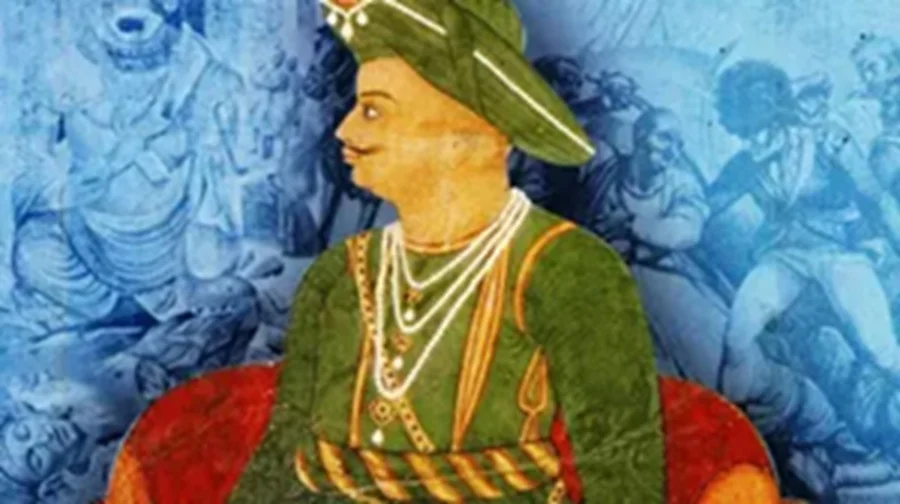
THE Tiger of Mysore (Sher-e-Mysore) Tipu Sultan often finds space in sections of the media, especially in Karnataka. There have been occasions of State-sponsored celebrations of his birth anniversary and the Bharatiya Janata Party (BJP) regularly creates obstacles to these celebrations, resulting in unnecessary ruckus. This time around, Tipu Sultan is in the news from Malegaon in Maharashtra.

The newly elected deputy mayor of Malegaon Shan-e-Hind Nihal Ahmad, put up the portrait of Tipu Sultan in her office, upsetting the Shinde group’s Shiv Sainiks and the BJP. These forces got the portrait removed with the intervention of the authorities. Some protests were also held.

Maharashtra Pradesh Congress Committee President Harshvardhan Sapkal got incensed and defended Tipu Sultan, claiming that the contribution of Tipu Sultan to Mysore is equivalent to that of Chhatrapati Shivaji Maharaj in Maharashtra.

But, Chief Minister Devendra Fadnavis did not like the idea of comparing Tipu Sultan and Shivaji Maharaj, as it was an insult to the latter. Following this absurd comment, the Congress office was pelted with stones by BJP workers and nearly seven people were injured in the ensuing mayhem.

The objection of the BJP to the statement from the Congress leader is that Tipu was a “mass murderer of Hindus” and he tried to convert Hindus to Islam. There are many other charges put against Tipu by Hindutva elements. Most of these try to project Tipu as anti-Hindu and a cruel king. This is far from the truth.

Lots of these myths are part of the communal narrative, accentuated by the British narratives, which are harsher against Tipu in particular. This is because he was one of the few rulers who fought against the British. Tipu had asked Nizam and the Peshwas to oppose the armies of the East India Company. He foresaw the dangers of British power entrenching in India.

Tipu’s administration was a mixed one, with many top officers being Hindus. Purnaiah served him as the Mir Miran (head of a department) and was crucial to his administration. Krishna Rao was his treasurer. Shamaiya Iyengar held a high-ranking ministerial position and Narsimha Iyengar held a position in the postal department. Tipu Sultan reportedly provided grants to the Sringeri Shankaracharya, including for the rebuilding of the temple and the installation of the Hindu goddess Sharada. He granted land and endowments to various temples throughout his kingdom. During his reign, the 10-day Dussehra celebrations were an integral part of the social life of Mysore.

In 1791, Maratha forces led by Raghunath Rao Patwardhan attacked and plundered the historic Sringeri Sharada Peetham, causing the Shankaracharya to flee. Upon learning of this, Tipu Sultan expressed deep anger, stating that those who committed such acts would face consequences, and promptly sent funds, gifts, and letters to restore the temple and reconsecrate the idol. The raid was part of the Third Anglo-Mysore War, during which Maratha forces caused significant destruction to the temple complex, including killing or wounding people and looting property.

Tipu Sultan, who frequently interacted with the Sringeri Jagadguru and addressed him with high respect, immediately ordered the Mysore administration to assist in the restoration, demonstrating his patronage of certain Hindu institutions. Evidence of this restoration is found in several letters in Kannada, preserved in the Sringeri monastery records, where Tipu requested the Jagadguru to pray for the prosperity of his kingdom.

Tipu Sultan was a staunch opponent of the British. There is an accusation against him that he persecuted some Hindu and Christian communities. The reason for this persecution, however, was purely political, not religious. About these persecutions, historian Kate Brittlebank says that “This was not a religious policy but one of chastisement”. The communities targeted by him were seen as disloyal to the State.

The communities Tipu targeted did not belong only to the Hindu stream. He also acted against some Muslim communities, like the Mahdavis. The reason was that these communities were supporting the British and were employed as horsemen in the East India Company’s armies. Another historian, Susan Bayly, says that Tipu Sultan’s attack on Hindus and Christians outside his state is to be seen on political grounds, as at the same time he had developed close relations with these communities within Mysore.

Sarfaraz Shaikh, in his book Sultan-E-Khudad has reproduced the ‘Manifesto of Tipu Sultan’ in which he declares that he would not discriminate on religious grounds and would protect his empire until his last breath. He had a great interest in rocket technology. This finds appreciative mention in Dr APJ Abdul Kalam’s book, Wings of Fire.

It is interesting to note that in the Rashtriya Swayamsevak Sangh’s series for children on Indian history, they had published a book on Tipu in the 1970s. BJP’s Yeddyurappa had adorned Tipu’s headgear to solicit votes in the 2010 elections in Karnataka. Then President, Ramnath Kovind, sent a eulogising message on the occasion of Tipu Jayanti (2017). He has an RSS background. He praised Tipu by saying that “Tipu Sultan died a heroic death fighting the British. He was also a pioneer in the development and use of Mysore rockets in warfare.”  Tipu – along with Rani Laxmi Bai – are also depicted as freedom fighters through drawings in Part XVI (page 144) of the original, hand-written and illustrated copy of the Indian Constitution.

Due to his policies, Tipu was popular among the people of Mysore. There are many folk songs, sung in villages, praising him. It is for this reason that one of our greatest playwrights, Girish Karnad, said that had Tipu been a Hindu, he would have the same status that Shivaji Maharaj has in Maharashtra. This is very close to what Sapkal stated, nothing extra.

This whole incident of opposing the portrait of Tipu in the Deputy Mayors’ office is one more instance of communal forces latching on to divisive politics. Kings should not be seen just by their religion; their policies towards people of different religions and people’s welfare should be the major criterion for evaluating them. Tipu stands very tall in this scale of religious tolerance. The half-baked propaganda of the communal forces is trying to divide communities.

A major tribute to Tipu was paid by Subhash Chandra Bose. He adopted Tipu’s ‘springing tiger’ as the insignia of Azad Hind Fauj, which fought against the British. The major contribution of Tipu was to forewarn the Indian rulers about the advancing threat of the East India Company, the British. It was for this that he bravely fought against the British and laid down his life in the fourth Anglo-Mysore War. The communal forces who are out to demonise Tipu belong to the ideology that did not even lift a little finger against the British rule.

source: http://www.clarionindia.net / Clarion India / Home> Opinion / by Prof Ram Punyani / February 18th, 2026

Celebrating Unsung Heroes: Indian Muslim Changemakers

INDIA :

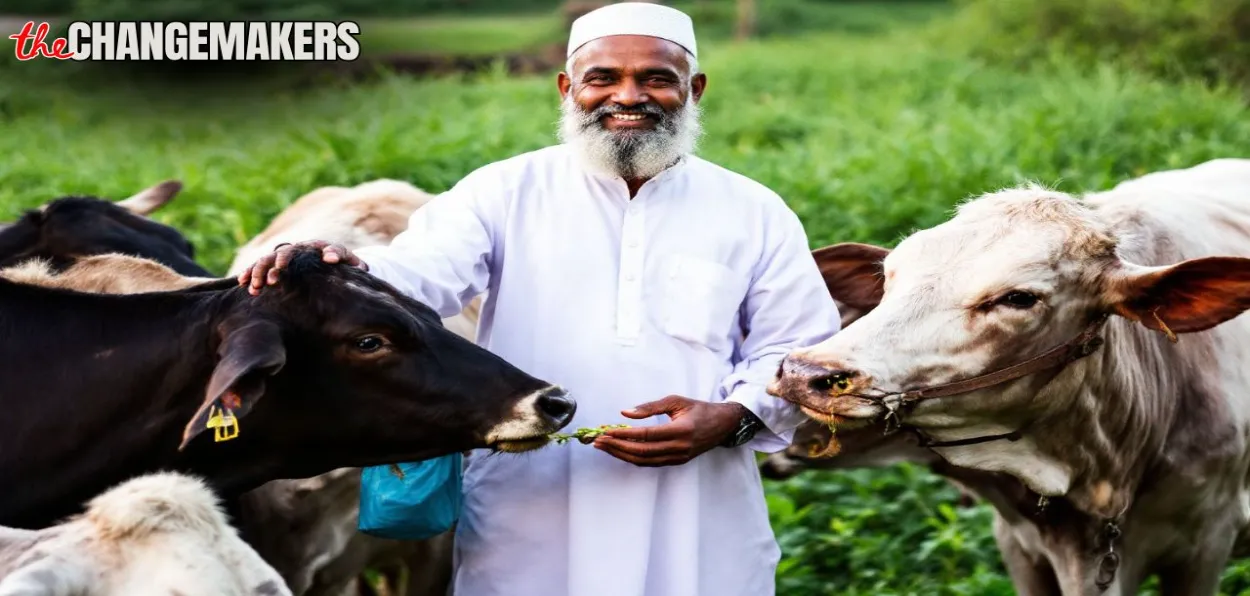
AI generated image

Amid our fast-paced lives, there exists a remarkable group of individuals who believe in slow, steady, and consistent efforts to create meaningful change.

These individuals are known as changemakers—people who quietly dedicate themselves to bettering society, far from the spotlight and the noise of daily routine.

They don’t seek fame or recognition. Instead, they focus on making a positive impact in their communities. Often unheard of, these changemakers influence others through their actions, values, and vision for a better world.

Awaz–The Voice is proud to launch a special series starting this Sunday, spotlighting Indian Muslim changemakers of India.

Through their inspiring stories, we aim to shine a light on individuals whose work exemplifies compassion, dedication, and innovation.

Our editorial team has carefully selected these changemakers based on several parameters, including the authenticity of their efforts and the tangible impact they have made.

These are everyday heroes who are addressing pressing social, environmental, and economic challenges—often with limited resources but unwavering commitment.

They are improving access to education, healthcare, and sanitation; they are empowering women, protecting the environment, and uplifting their communities—all without expecting any rewards or recognition. For them, the satisfaction of doing good is reward enough.

Their actions may seem small, but their impact is profound. As the saying goes, “Every drop counts in making an ocean.” Each changemaker is a vital part of the wave of progress that is quietly transforming India.

One of our key criteria in identifying these individuals was whether they are creating tangible change or inspiring others to become changemakers themselves. For us, a changemaker is someone who brings positivity into the world through innovative solutions, leadership, and a commitment to improving lives and systems.

In a world that often celebrates loud success, we believe it’s important to pause and acknowledge those who uphold the highest ideals of humanity. These changemakers serve as a moral compass, reminding us of our own responsibilities to society and to one another.

We begin our series with changemakers from Uttar Pradesh, featuring stories like that of Capt. Saria Abbasi, who dreamt of joining the Indian Armed Forces from a young age. After earning her engineering degree and receiving multiple job offers, she chose instead to follow her dream and joined the Indian Army—becoming a role model for countless Muslim women aspiring to serve the nation. She has done challenging missions like serving at Indo-China border post at Tawang in October 2021.

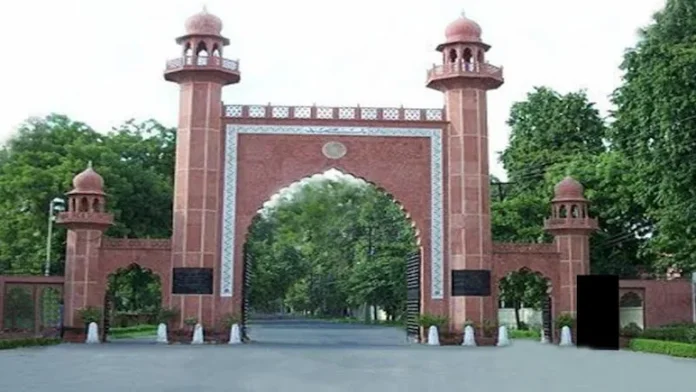
Rubina Rashid Ali, who lives in Aligarh Muslim University’s campus has become a champion for women earning their livelihood out of applique (ornamental needlework in which pieces of fabric are sewn or stuck). She has stood up for them to ensure that these women from poor backgrounds get the wages they deserve.

The changemakers of India

Dr Farha Usmani, a medical practitioner who hails from Aligarh, went to US to pursue her career in the United Nations Population Fund in 2007. Leaving behind her family was a tough call for her. She is the only Muslim woman to have risen to the position of director in the UNFPA. Today, she is making world policies for women’s health and rights. She is the Vice President of SAFAR, an organization that is responsible for the overall advancement and rights of minority and marginalized women and girls in India. 

Another inspiring figure is Babban Mian, a businessman who runs a large gaushala (cow shelter) in Bulandshahar, caring for hundreds of cows. Inspired by his late mother’s deep affection for animals, Babban Mian’s work also challenges stereotypes and promotes harmony by offering a different perspective on the Muslim community’s relationship with animal care.

Some of the changemakers will remind you of characters straight from Indian folklore and vernacular literature. People who have been nurtured by Indian civilizational values of compassion and selflessness.

Through these stories and many more, we hope to inspire our readers and celebrate the quiet revolution being led by changemakers who are shaping a better, more inclusive India.

We’d love to hear your thoughts on this series. Write to us at input@awazthevoice.in or engage with us on our social media platforms.

The author is the Editor-in-Chief of Awaz-the Voice portal

source: http://www.awazthevoice.in / Awaz, The Voice / Home> Stories / by Atir Khan, Editor-in-Chief, Awaz-the Voice portal / May 22nd, 2025

AMU Remote Sensing and GIS Students Achieve National, Global Recognition

Aligarh, UTTAR PRADESH :

Aligarh:

Students of the Interdisciplinary Department of Remote Sensing and GIS Applications at Aligarh Muslim University (AMU) have earned prestigious academic admissions and professional placements at leading institutions in India and abroad, underscoring the department’s growing reputation in geospatial sciences.

At the international level, Ms Areena has been selected for a PhD programme at the University of Waikato, New Zealand. Meanwhile, Mr Md Zaid Qamar has secured admission to the International PhD Programme under the UNESCO Chair in Environment, Resource and Sustainable Development at Parthenope University of Naples, Italy.

On the national front, Mr Ahsan Sayeed has gained admission to the PhD programme in Geomatics at IIT Guwahati. Additionally, Ms Mantasha, Mr Tauheed Ahmad Ansari and Mr Zuhail Abdullah have been selected as Junior Resource Persons at the National Institute of Hydrology, Roorkee.

The department’s students have also made notable strides in the corporate sector. Ms Shaista Perween has been appointed Assistant Manager at Tata Steel Limited in Jamshedpur, while Ms Juveriya Aqeel has secured a position with WSP in Bengaluru with an attractive remuneration package.

Congratulating the students on their accomplishments, Dr Haris Hasan Khan, Chairman of the department, said the achievements reflect both the students’ dedication and the department’s strong academic and research ecosystem in remote sensing and geospatial sciences.

source: http://www.radiancenews.com / Radiance News / Home> Education> Latest News / by Radiance News Bureau / February 12th, 2026

Ultra-runner Sufiya Sufi sets record of Leh-Manali run in 98 hours

Ajmer, RAJASHTAN :

Ullta Runner Sufiya Sufi

New Delhi :

Indian ultra-distance runner Sufiya Sufi, 38, from Ajmer, Rajasthan, has officially received her Guinness World Record certificate for completing the formidable Manali–Leh high-altitude run in 98 hours and 27 minutes, a feat no woman in the world has accomplished before.

The record, formally approved by Guinness World Records in 2023, spans nearly 480 kilometres across some of the most treacherous terrain in the Himalayas. The route crosses five high mountain passes, involves a cumulative elevation gain of over 8,500 metres, and exposes runners to freezing temperatures and dangerously low oxygen levels. The challenge is widely regarded as one of the toughest endurance runs on the planet.

Although the achievement was validated in 2023, the physical certificate reached Sufi only in early 2026, following prolonged delays related to international delivery logistics and customs clearance. Once the certificate arrived, her accomplishment drew renewed admiration from the global running community, sponsors, and the wider public. Supporters celebrated the milestone as another defining moment in an already extraordinary athletic journey.

Sufiya Sufi on Manali-Leh run

Sufiya Sufi’s record-setting run on the Manali–Leh route represents a remarkable benchmark in endurance sports. The challenge begins in Manali, a Himalayan hill town in Himachal Pradesh, and winds its way through rugged, unforgiving landscapes before culminating in Leh, Ladakh. Along the way, runners cross legendary high-altitude passes such as Rohtang Pass and Tanglang La, where temperatures often plunge well below zero and oxygen levels drop dramatically.

At such extreme altitudes, even the most experienced athletes struggle to breathe, recover, and maintain pace. Completing this journey on foot in under 100 hours is considered exceptional. By finishing in 98 hours and 27 minutes, Sufi not only met the challenge but surpassed it, becoming the fastest woman ever* to traverse this Himalayan stretch on foot.

Despite the physical run being completed and officially recognised in 2023, the nearly two-year delay in receiving the certificate became a story in itself. Sufi later spoke about the delay publicly, addressing it with humour and gratitude rather than frustration.

In a post on the social media platform *X*, she described her accomplishment as the fastest-ever run from Manali to Leh across all five high passes. She also expressed heartfelt thanks to her sponsors, support crew, and well-wishers who stood by her throughout months of preparation and recovery. Members of the running community and followers on social media responded with admiration, highlighting the sheer brutality of the terrain and the mental toughness required to succeed.

Sufiya Sufi’s journey is as compelling as the record itself. Born in *1987 in Ajmer, she spent nearly 10 years working in the aviation industry. Running initially entered her life as a way to stay fit and break free from the monotony of a demanding job. Over time, what began as a fitness routine evolved into a deep passion for endurance sports, eventually redefining her professional and personal identity.

Her rise as an ultra-runner has been marked by a series of achievements. In 2018, she earned her first Guinness World Record for running the most marathons by a woman in a single calendar year*. This milestone established her as a serious force in long-distance running.

She went on to complete the Kashmir to Kanyakumari run, covering approximately 4,000 kilometres in 87 days, another Guinness-certified feat. Shortly thereafter, she conquered the Golden Quadrilateral, a 6,002-kilometre route linking India’s major highways, in just 110 days, securing yet another world record.

Sufiya Sufi’s journey is as compelling as the record itself. Born in *1987 in Ajmer, she spent nearly 10 years working in the aviation industry. Running initially entered her life as a way to stay fit and break free from the monotony of a demanding job. Over time, what began as a fitness routine evolved into a deep passion for endurance sports, eventually redefining her professional and personal identity.

Her rise as an ultra-runner has been marked by a series of achievements. In 2018, she earned her first Guinness World Record for running the most marathons by a woman in a single calendar year*. This milestone established her as a serious force in long-distance running.

She went on to complete the Kashmir to Kanyakumari run, covering approximately 4,000 kilometres in 87 days, another Guinness-certified feat. Shortly thereafter, she conquered the Golden Quadrilateral, a 6,002-kilometre route linking India’s major highways, in just 110 days, securing yet another world record.

Each of these runs required not only exceptional physical endurance but also rigorous mental conditioning, logistical planning, and resilience. Sufi has often credited her family for their unwavering support, especially her partner, who frequently serves as part of her on-ground support crew.

 She has spoken about the challenges of acclimatising to high altitudes, training in extreme conditions, and preparing her body for prolonged exposure to thin air and severe cold.

Sufi’s expanding list of accomplishments has drawn the attention of corporate partners as well. In October 2024, Hindustan Zinc Limited appointed her as a brand ambassador, reflecting growing corporate confidence in her ability to inspire communities and promote fitness as a sustainable lifestyle choice.

Looking beyond national records, Sufi has set her sights on even larger international goals. According to previous interviews and public statements, she plans to undertake a “Run Around the Globe” expedition, covering tens of thousands of kilometres across multiple continents. She envisions the project not merely as an athletic challenge, but as a global mission promoting *Humanity, Oneness, Peace, and Equality, collectively referred to as HOPE.

Sufiya Sufi’s journey stands as a powerful testament to human resilience, courage, and the transformative power of unwavering determination. Her transition from a stable career in aviation to pushing the limits of endurance in the harshest Himalayan conditions reflects a profound belief in personal growth and self-discovery.

In a world often dominated by narratives of division and despair, her story offers a rare and uplifting reminder of what is possible through perseverance, discipline, and purpose. Her achievements celebrate not only athletic excellence, but also the boundless potential of the human spirit.

source: http://www.awazthevoice.in / Awaz, The Voice / Home> Stories / by Aasha Khosa / February 03rd, 2026

The Story Of Fatima Ahmed Who Chose To Rebel And Found Her Own Path In The World Of Art

Hyderabad, TELANGANA / Mumbai, Pune, MAHARASHTRA :

Belonging to a conservative Muslim family, it was hard for Fatima Ahmed to break the shackles but she made sure to follow her dreams and do all that she ever wanted. From travelling the world to living like a “gypsy” and creating her very own niche in the world of art, Ahmed has lived her life on her terms. Read about this feisty and inspiring artist.

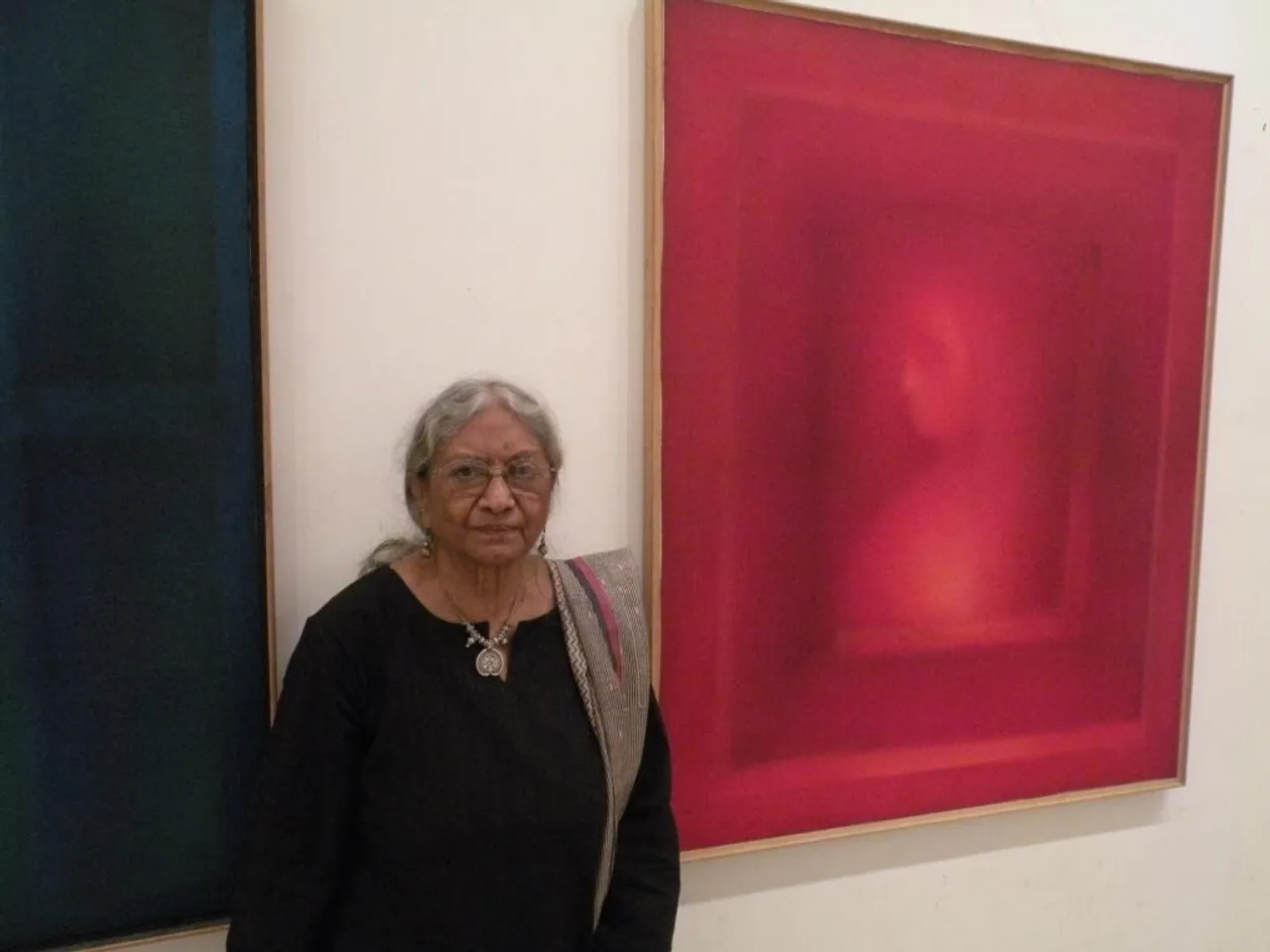
Legendary rebel artist and writer Fatima Ahmed, who is nearing 80, is a picture of contrasts. While she is fun-loving and full of life, her paintings are still and silent. (Credit: Surekha Kadapa- Bose\WFS)

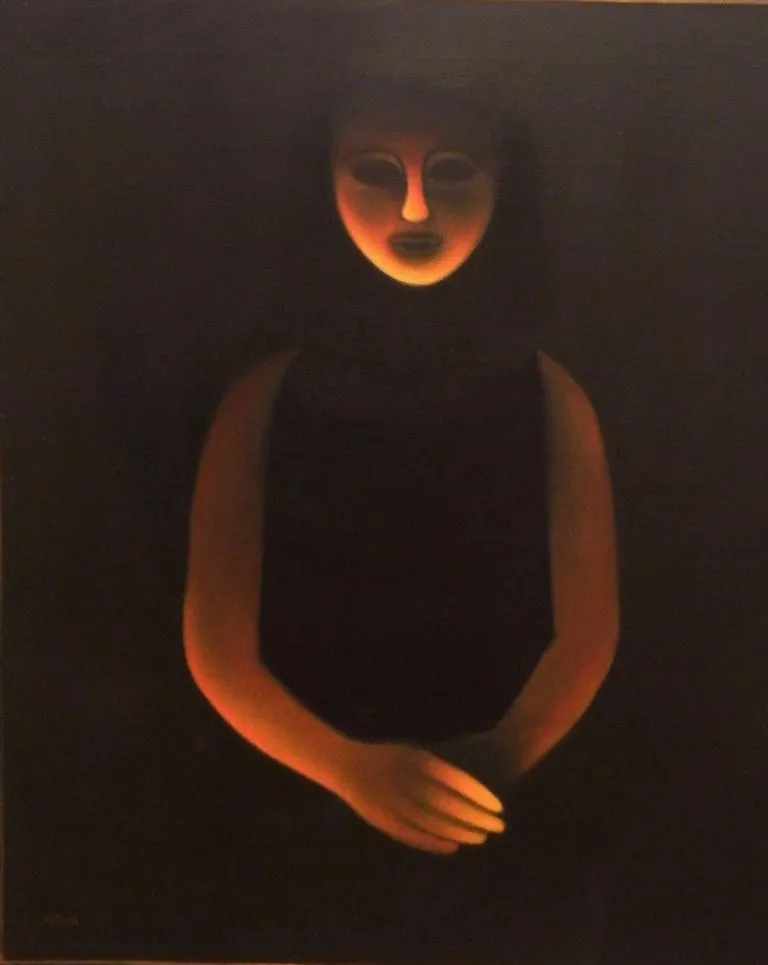
‘If only silence could speak’ goes the adage. Well, here silence does speak – and how! Soft, hazy, elusive images of women gaze steadily from the confines of their canvas making the much-mesmerised onlooker feel as though they would simply vanish if s/he so much as blinked. The women in red, pink, beige oil paints look ethereal, delicate and yet they convey power, strength – much like the woman who has created them.

Space and light are very important to any work of art, especially paintings,” explains legendary rebel artist and writer Fatima Ahmed, whose latest oil canvases were on display in Mumbai recently. She continues, “In life, there has to be some mystery. Everything shouldn’t be very obvious and spoken out loud. In my works I don’t like clutter, loud colours or screaming. I like my paintings to be as subtle as a whisper.”

Let me start by saying I simply love to eat the crisp crust of a samosa,” she says, with twinkle in her eyes, before adding, “Now as far as the silence in my work is concerned, throughout my life I have been more of an observer. I was a recluse during my childhood as I didn’t have anyone to share my thoughts and feelings with. I was a rebel for everyone around me and way back in the middle of last century it wasn’t a good sign.”

Coming from a conservative Muslim family in Hyderabad, Ahmed never really fit in because she was a free spirit who believed in equality. Her father was a Collector under Nizam Osman Ali Khan, Asif Jah VII, the last Nizam of Hyderabad.

In her joint family, daughters were married off in their early teens within the extended family. Moreover, as the Ahmed family was very highly placed within the Nizam’s palace, its members, too, were treated as royalty, which was never acceptable to her.

“I just couldn’t tolerate treating those employed in our household as slaves. Besides, women in that era didn’t have any say in any sphere of life and were forced to blindly follow all the dictates of men without questioning them. I certainly wasn’t going to do that,” she says emphatically, her voice betraying the anger she still feels towards the strict patriarchal rules they were made to adhere to in that period.

The women in red, pink, beige oil paints look ethereal, delicate and yet they convey power, strength. (Credit: Surekha Kadapa-Bose\WFS)

So Ahmed grew up with vivid visions of freeing everyone who was treated as a lesser human being. “Quite unknowingly, I was influenced by socialism,” she remarks. And at that age she had also made up her mind that she would rather die than marry one of her cousins. According to her, the one good thing her father did was to enrol her in the Government Mahaboobia Girls School, the foremost learning institution at that time. “Our teachers taught us out of syllabus and gave us the freedom to think. I didn’t like Hyderabad then but I loved my school,” says the artist, who is nearing 80.

It was there that she developed a deep love for drawing, painting and the classical Indian dance form Kathak, all of which she learnt without the approval of the family elders. The dance classes came to an end as soon as her father came to know.

“Unfortunately, my mother had a stroke at the time. And though I did have a large family of sisters, brothers, cousins and aunts, I could never really converse with any of them or share my true feelings,” she elaborates.

After school, as Ahmed refused marriage outright, she was grudgingly allowed to join college. But there again she met with another hurdle. She wasn’t interested in any of the usual subjects of science and wanted to join College of Fine Arts, which, of course, wasn’t permitted. So she found a way to get in. Mischievously she narrates, “I forged my father’s signature on the application form but the principal detected my lie and quizzed me. When he understood that I was really interested in the arts and saw a painting I had done of a litter of puppies, he relented.

The demise of her parents made her leave home and Hyderabad for good. “I certainly didn’t want to stay back and be bossed around by my brothers and other family members,” she says about her escape to Bombay in early 1960s.

Admitting that the Hyderabad of today has changed considerably, the ageing artist nonetheless doesn’t think there is much difference still in the way girls from poor Muslim families are treated, “While girls from well-to-do homes get an education, are fashionable, go abroad, mingle with the rest of the world, this is not true of the low income Muslim families. They still live in a very male dominated society and this is not only restricted to Hyderabad or India but all over the world.”

Her arrival in Bombay and the “gypsy lifestyle” she led for the next two decades saw her engage closely with the world of art and writing. “I really didn’t exploit the kind of opportunities that came my way. I just took life one day at a time by living it on my own terms,” recalls Ahmed especially referring to her two-year stint in London where she painted, went through a financial crisis and then discovered spiritualism.

Fatima Ahmed, whose latest works were part of a recent exhibition, ‘If only silence could speak’, likes her paintings to be as subtle as a whisper. (Credit: Surekha Kadapa- Bose\WFS)

Despite those struggles, great success has come to her. She has held innumerable exhibitions in Mumbai, Delhi, Chennai, Hyderabad, Bhopal, London, Mauritius, Dubai, Hong Kong, Russia and South Africa, among many other places. Her works have been auctioned by Christies and are part of several private collections and state galleries, including the National Gallery of Modern Art (NGMA) in Delhi, Birla Art Akademi, Kolkata, the Stuttgart State Library and Masanori Fukuoka Museum in Japan.

What or who has influenced her art over the years? Initially, Ahmed says she was influenced by Gauguin, Cezanne, Van Gogh and Modigliani. But she consciously stayed away from those influences, as she felt “there was no fun in copying others”, and developed her own style.

Once she got back from London to Mumbai she caught up with many of her journalist friends. One of them was late Khushwant Singh, with whom she argued, fought and enjoyed interacting. It was he who encouraged her to get into writing. She started by translating works of Ismat Chugtai, Saadat Hassan Manto, Kaifi Azmi and other Urdu literary greats into English. This paved the way for to her write the semi-autobiographical, ‘In Haleema’s Words’. It was on one of her reporting assignments that she visited the Rajneesh Ashram in Pune, which has become her permanent home now.

Personally, Ahmed may be less of a rebel these days but her works more than make up – though still and silent they exude the quiet strength of women.

Written by Surekha Kadapa-Bose for Women’s Feature Service (WFS) and republished here in arrangement with WFS.

source: http://www.thebetterindia.com / The Better India / Home> Art / by Surekha Kadapa-Bose / December 14th, 2014

Zahoor Lone-led Team India wins bronze in world snow sculpting championship

JAMMU & KASHMIR / INDIA :

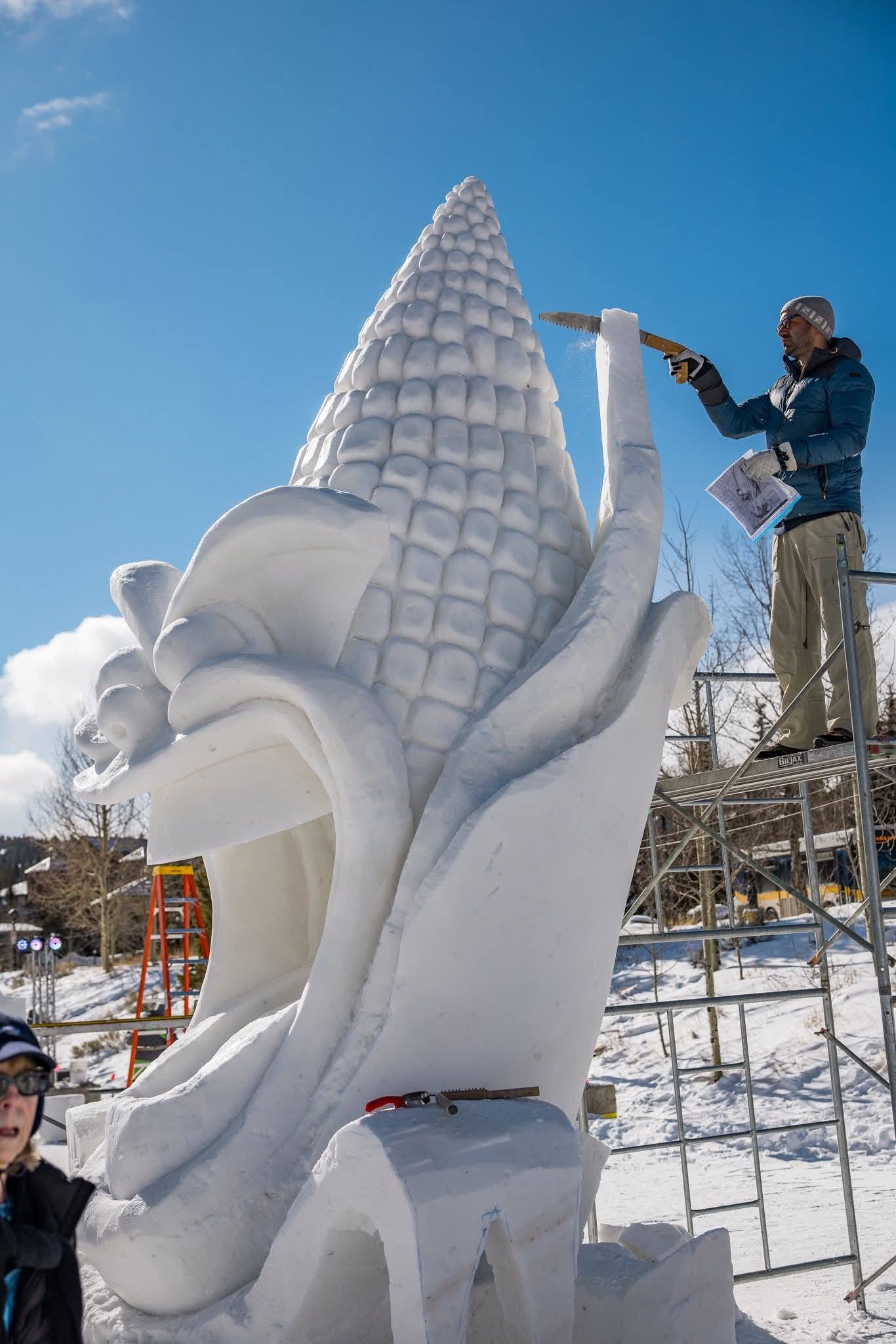
Team India -Zahoor Ahmed Lone, Suhail Mohammad Khan, Mridul Upadhyay with their snow sculpture

New Delhi :

For a second time, Team India has won a bronze medal and the People’s Choice Award in the international snow sculpture championship held in Colorado, USA.

The Indian team was led by the Kashmir-born Zahoor Ahmed Lone and comprised Suhail Mohammad Khan, Mridul Upadhyay, and Matt Seeley (USA).

While Lone belongs to Singhpora Pattan, Baramulla, Khan is a specially-abled person and also belongs to Kashmir.

The organisers of the International Snow Sculpture Championship shared this visual of the competition on their website:

Breaking psychological barriers about India being a “hot country” and unfit for snow sports or arts, young Indians from “snow states” and others are gradually leaving their mark on snow art. Snow art has been associated with affluent First World Western European, Scandinavian & North American countries.

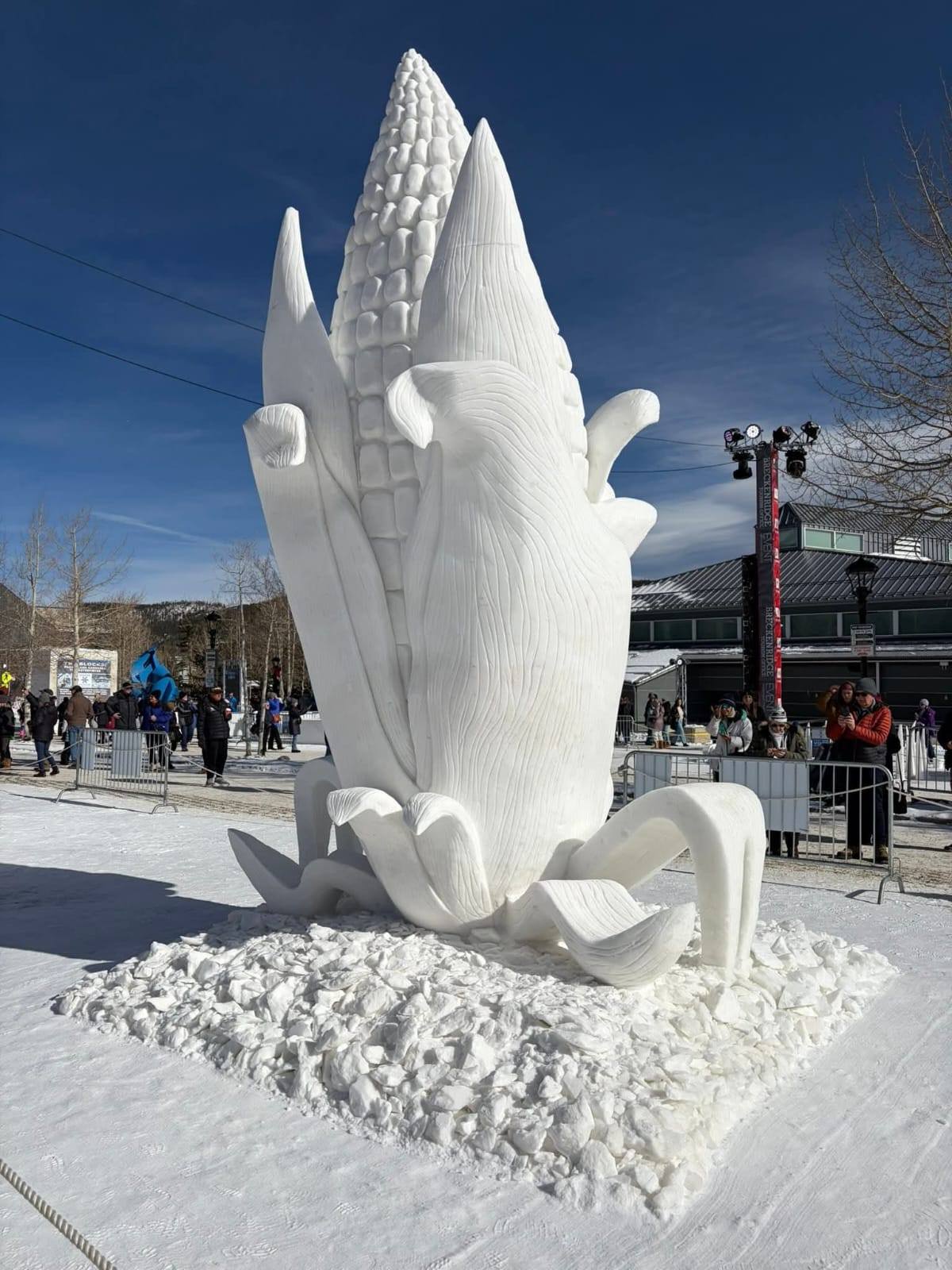
Team India’s 16 ft tall piece, “Corn: The Ultimate Domesticator — Who is truly in control?”, reimagines human history with humour and depth.

It’s inspired by Yuval Noah Harari’s Sapiens. The artists explored the idea that while humans believe they domesticated corn, perhaps corn—or crops—have been domesticating us, shaping our agriculture, diets, and landscapes for centuries.

The venue of the International Sculpting Championship

The sculpture invited audiences to reflect on the relationship between nature and humanity, sparking both curiosity and laughter among visitors and judges alike

The four-member Indian team, led by Suhail Mohammad Khan, worked tirelessly for four days in freezing temperatures ranging from -25°C to -35°C.

This marks Team Snow India becoming the first South Asian country to participate and win, a second time, an international medal in snow sculpting.

“Winning both the jury’s and the people’s awards is truly special. Every flake of snow here tells a story—of teamwork, passion, and India’s creative spirit,” said Mridul Upadhyay from Team Snow India, told the media.

Zahoor Ahmad Lone said that despite the challenging weather conditions and time constraints, Team India’s sculpture impressed the judges and spectators alike with its elegance and precision.  The 5-judge panel took more than 6 hours to evaluate 12 snow sculptures.

India ranked third, while Korea secured first and Mongolia second, amongst teams like the US, Finland, Canada, Argentina, and Turkey.

This achievement marks a significant milestone for Indian snow sculpting, showcasing the country’s talent and creativity globally.

The competition, held in Breckenridge, Colorado, featured 12 teams from around the world, including the US, Germany, Mexico, Finland, Canada, Mongolia, South Korea, Argentina, and Turkey.

Teams from Argentina, Germany, Finland, India, Italy, Lithuania, Malta, Mongolia, the Republic of Korea, Ukraine, USA – Breckenridge, and USA – Vermont participated in the championship.

The first prize – a gold – was won by Team Republic of Korea for their work “Beauty Beyond Difference: Harmony of Coexistence”.

Team Magnolia won a Silver for “Lassoing Time”

source: http://www.awazthevoice.in / Awaz, The Voice / Home> Stories / by Aasha Khosa / February 01st, 2026

Meet Lubna Qazi Who Takes Oath as Administrative Law Judge in New Jersey

KUWAIT / Raigarh District (MAHARASHTRA) / New Jersey (U.S.A) :

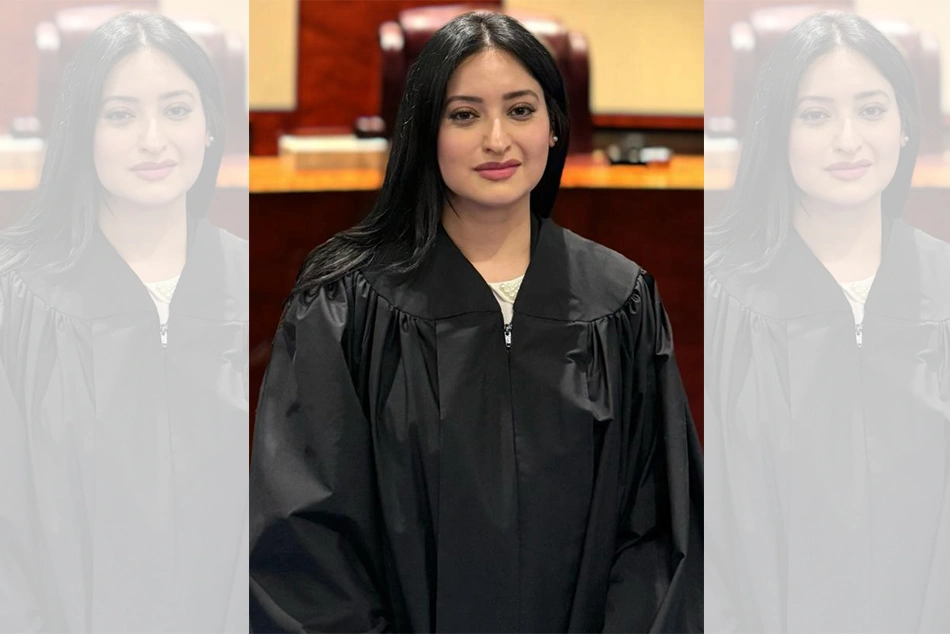
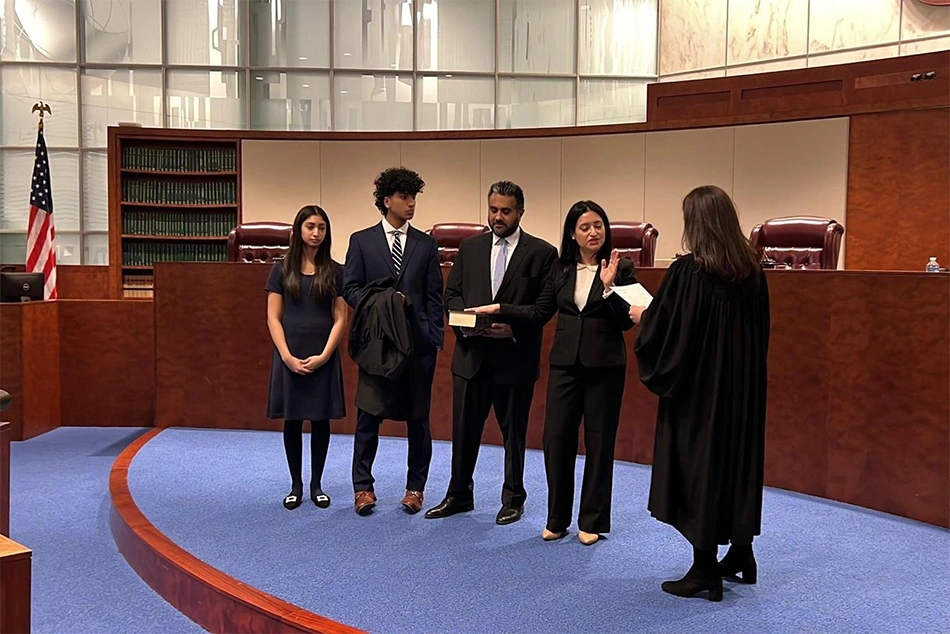
Kokan’s daughter Lubna Qazi Chaudhry took the oath as Administrative Law Judge in New Jersey with her hand placed on The Holy Quran, pledging to uphold constitutional responsibilities.

Mumbai: 

Lubna Qazi, a lawyer originally from Maharashtra’s Raigad district, has created history by taking oath as an Administrative Law Judge (ALJ) in the US state of New Jersey, becoming the first Muslim woman to be appointed to this position in the state. The appointment is being widely regarded as a significant milestone for minority representation in the American judiciary.

The oath-taking ceremony was held recently, where Associate Justice Rachel Wainer Apter of the New Jersey Supreme Court administered the oath. On the occasion, Lubna Qazi placed her hand on the Holy Quran and pledged to faithfully discharge her constitutional duties.

The position of Administrative Law Judge holds considerable importance within the American judicial system. ALJs preside over cases involving decisions of government agencies, administrative disputes and public grievances, delivering rulings based on established legal principles.

Lubna Qazi’s Life Journey

Lubna Qazi’s life journey spans multiple countries and cultures. She was born in Kuwait, where she spent her early childhood with her parents. In 1990, during a school vacation, she travelled to the United States. However, following the outbreak of the Gulf War, the family decided to settle there permanently.

Lubna later pursued her education in California, completed her graduation from the University of California, and earned her law degree from Western State University College of Law.

After marrying Ahsan Chaudhry in 2005, Lubna moved to New Jersey, where she served in various government legal positions for nearly two decades. Recognising her extensive legal experience and professional competence, the Governor of New Jersey nominated her for the post of Administrative Law Judge in 2025.

Lubna Qazi is also distinguished for her linguistic abilities. In addition to English, she is fluent in Urdu, Hindi and Konkani, and has working knowledge of Arabic. Committed to preserving cultural and linguistic heritage, she is personally teaching Urdu and Arabic to her two children at home.

Family Feels Honoured

Expressing his pride, Lubna’s father Inayatullah Qazi said that the entire family feels honoured by her achievement. He described the appointment not merely as a position, but the result of years of hard work, sacrifice and prayers.

Speaking to the correspondent, Inayatullah Qazi said that his family hails from Tala taluka of Raigad district in the Konkan region. He completed his education up to Class VI at Jamia Millia Islamia School, Delhi, and his high school education at Anjuman Islam, Mumbai.

After obtaining a degree in Mechanical Engineering from Government College of Engineering, Aurangabad, in 1975, he moved to Kuwait for employment, beginning his career with an air-conditioning company. After working there for fifteen years, he migrated to the United States with a single suitcase following Iraq’s invasion of Kuwait after the Gulf War, as his children were already in the US at the time. He later ensured higher education for all four of his children.

Inayatullah Qazi said that the family’s roots are deeply embedded in Islamic tradition and that Urdu is spoken with pride at home. He added that Lubna completed recitation of the Holy Quran at the age of seven.

He further shared that around five to six generations ago, their ancestors were sent to the Konkan region as Qazis (judicial authorities) to administer justice without discrimination based on religion, caste or race. Although the profession discontinued a few generations ago, he expressed happiness that his daughter has now proudly revived the family’s judicial legacy.

Lubna Qazi is also the granddaughter of Dr Rehana Ahmed, a noted educationist and Executive Chairperson of the Girls’ Board of Anjuman Islam, Mumbai. Dr Ahmed expressed joy over Lubna’s achievement, stating that it serves as a shining example for young women across the community and will inspire girls to pursue higher education and professional careers. She is widely recognised for her dedicated efforts toward the promotion of girls’ education, particularly within the Muslim community.

Meanwhile, several social and legal organisations, including the Asian Pacific American Lawyers Association of New Jersey, have congratulated Lubna Qazi on her appointment. Observers believe that this development marks a significant step forward in strengthening Muslim and minority representation within the American judicial system.

source: http://www.ummid.com / Ummid.com / Home> United States / by Mohiyuddin Altamash / January 30th, 2026

IIT Bombay’s Prof Juzer Vasi Receives Padma Shri for Lifetime Work in Engineering

Mumbai, MAHARASHTRA :

Mumbai:

IIT Bombay has marked a proud moment with the conferment of the Padma Shri on Prof Juzer M. Vasi, former Deputy Director and senior academic of the institute. The national honour recognises his lifelong contribution to science and engineering, with a strong focus on semiconductors, microelectronics, and solar energy research.

Prof Vasi has served Indian academia for over four decades. He remains associated with IIT Bombay as Professor Emeritus in the Department of Electrical Engineering. His work spans nanoelectronics, solar photovoltaic deployment in India, global solar PV systems, nanocrystal-based solar cells, and the reliability of solar modules. These areas hold strong relevance for sustainable development and energy access.

An alumnus of IIT Bombay, Prof Vasi completed his B.Tech in 1969. He earned his Ph.D. in Electrical Engineering from The Johns Hopkins University in 1973. His academic journey reflects deep commitment to knowledge and public service, values strongly rooted in the Islamic tradition of ilm and community benefit.

Prof Vasi joined IIT Bombay as an Assistant Professor in 1981. He rose through the ranks to serve as Professor, Head of the Electrical Engineering Department, and later as Deputy Director from 2006 to 2009. He also taught at IIT Delhi and served as Visiting Assistant Professor at Johns Hopkins University.

Students and colleagues regard him as a dedicated teacher and institution builder. His leadership strengthened academic standards and research culture at IIT Bombay.

The Padma Shri recognises sustained excellence and service to the nation. For the Muslim community, Prof Vasi’s achievement stands as a reminder of the impact of scholarship, discipline, and ethical pursuit of knowledge in public life.

source: http://www.radiancenews.com / Radiance News / Home> Latest News > Report / by Radiance News Bureau / January 27th, 2026

18th AD Quran calligraphed in India on display at Makkah Museum

INDIA / Mecca, SAUDI ARABIA :

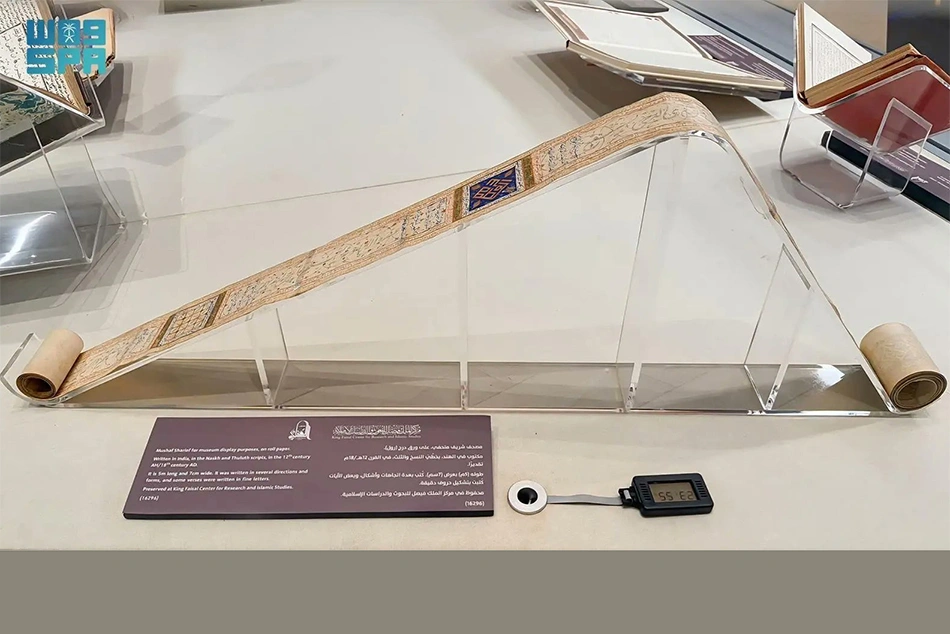
The Museum of The Holy Quran in the Hira Cultural District of Makkah is showcasing a rare 18th century Quran calligraphed in India exemplifying Muslim devotion to the Holy Quran.

Makkah al Mukarramah: 

The Museum of The Holy Quran in the Hira Cultural District of Makkah is showcasing a rare Quranic manuscript exemplifying Muslim devotion to the Holy Quran.

This museum-grade Quran, written on roll paper, was completed in India during the 12th century AH (the 18th century AD), Saudi Press Agency reported.

Featuring Naskh and Thuluth scripts, the manuscript displays artistic skill and precision. Its diverse orientations and unconventional styles showcase creativity in Quranic production.

Measuring approximately five meters in length and seven centimeters in width, the scroll is unique in shape and size, reflecting the ingenuity of Quranic craftsmen in maximizing narrow spaces for clarity and aesthetic appeal.

Part of the King Faisal Center for Research and Islamic Studies (KFCRIS) collection, which houses a rich assortment of rare Islamic artifacts, this manuscript’s display at the Holy Quran Museum is part of a cultural partnership with KFCRIS.

This initiative is aimed at enriching visitors’ intellectual experience and providing access to unique examples of Islamic heritage.

source: http://www.ummid.com / Ummid.com / Home> Life & Style / by ummid.com news network / January 21st, 2026