Category Archives: World Opinion

This Urdu newspaper was banned after criticising General Dyer. Here’s what it did next

Bijnor (former Northwest United Provinces) – presently (Moradabad Division), UTTAR PRADESH :

In ‘Print and the Urdu Public’, Megan Eaton Robb writes about the impact and role of popular Urdu newspaper Madinah and how it pushed back against censorship.
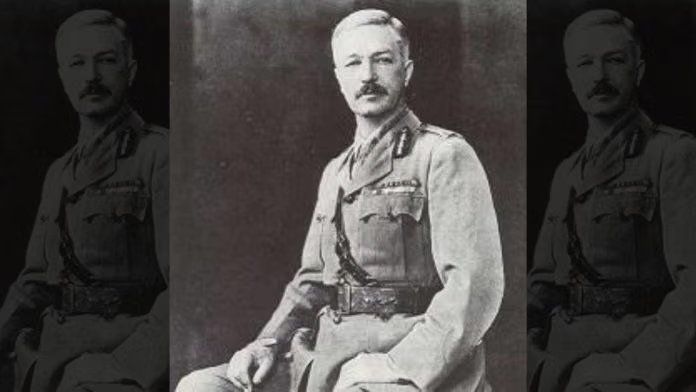
File photo | Gen. Reginald Dyer | Wikimedia Commons

Madīnah’s community of editors, subeditors, and proprietors illustrate the interconnected network of professionals working on newspapers across North India, with a shared commitment to confounding censorship laws. Editors of Madīnah were products of qasbahs and lived in Bijnor or nearby while employed by the publication. At least one assistant editor, Ḥamīd Ḥasan “Fakīr” Bijnorī (1903–1991), was a relative, having married Majīd Ḥasan’s daughter in the 1910s before he became the editor of Madinah Press’s children’s magazine Ghunchah after 1922. Ḥamīd Ḥasan would later be listed as an assistant editor from 1930 to 1935 and even take over as editor for several months when the need arose in 1945. When a new editor took over the work of Madīnah and was not already resident in Bijnor, he would move into the Ḥasan compound, which acted as the administrative office of the paper. Several small apartments attached to the main verandah, so editors could live in comfort with their families, remaining accessible to the newspaper office while maintaining privacy. Maulānā Majīd Ḥasan’s name, along with the name of the current chief editor, always appeared on the paper’s title page. At any given time there could be up to three editors of the paper, with the chief editor being referred to as “mudīr-i mas’ūl.”

Although Majīd Ḥasan’s proprietorship provided continuity for the newspaper, its different editors influenced the paper’s tone and focus. The turnover between editors could be rapid when legal troubles emerged. For instance, in 1924, when the editor Qāẓī Badrul Ḥasan Jalālī (1891–1956) was prosecuted by the British Raj for an article, he resigned his editorship, but he stepped back into his position once the dust of government scrutiny had settled. If Majīd Ḥasan attracted too much scrutiny from government surveillance, he could retreat from view behind the shadow of his prominent editors, continuing to exert the same influence behind the scenes. This allowed his outfit to survive draconian censorship measures while retaining the continuity essential to the newspaper’s success.

When he launched the newspaper in 1912, Majīd Ḥasan had little local influence. The only person of significance attached to the newspaper initially was a prominent journalist of the period, Nūr ul-Ḥasan Zahīn, who wrote for Ṣaḥīfa as well. Colonial censors initially dismissed Madīnah as a “bigoted Muhammadan organ, inclined to make trouble between Hindus and Muhammadans.” Madīnah first earned the ire of colonial administrators by criticizing the headmaster of Bijnor High School for complying with the British Educational Code. This was only the first of many encounters with censorship legislation.

April 1917 marked the beginning of Editor Mazh̤ ar ud-Dīn Shairkoṭī’s tenure, and the newspaper’s shift to publishing more explicitly political, anti-British stances. Shairkoṭī, a novelist as well as a journalist, was born in the Shairkoṭ qasbah of Bijnor in 1888. Initially educated by Maulānā ‘Abdul Qayūm Arshāq and Miyānji Sa‘ad Allah Sahib, he had attended Deoband as a pupil of Maulānā Mahmud ul-Ḥasan Asīr Mālṭā, known as Shaikh ul-Hind. After completing his education at Deoband, Mazh̤ ar ud- Dīn returned to Shairkot, where he worked on the newspaper Dastūr under the management of Ḥakīm Asrār ul-Nabī and on the newspaper Nagīnah.

Maulānā Majīd Ḥasan saw Maz̤har ud-Dīn’s affiliation with the newspaper as the beginning of a new period of commitment to the Muslim community and wrote an illustrious introduction for his new editor. Majīd Ḥasan’s message in his introduction was clear: he had brought in a power player to man the ship of Madīnah, a man who indubitably linked the paper to a network of powerful publications and individuals. The new editor transformed Madīnah into a more explicitly political entity. Maz̤har ud-Dīn associated with prominent political Muslims of the period, including Syed Ḥasan Imām, who presided over the Indian National Congress’s consideration of the Montagu-Chelmsford Reforms in Bombay in 1918. His other associates included Nawab Muḥammad Ismā’il Khān. He was, along with Khalīquzzamān, a key organizer of the UP Muslim League, and a prominent member until 1947; he remained in India after independence.

After the end of World War I in November 1918, discussions of independence and postwar reality in India began in earnest. The state of Islam, and the progress of both national and local branches of organizations such as the Muslim League and Congress, became matters of intense concern. Mohandas Karamchand “Mahātmā” Gāndhī (1869–1948) featured in several articles musing on the way forward for political Muslims. In addition, discussions of the fall out of World War I in Turkey and the caliphate took center stage. Under Mazh̤ ar ud-Dīn’s leadership, the newspaper emphasized the connection between the fate of Indian Muslims and of those in Turkey and other nations with significant ties to Islam.

Mazh̤ ar ud-Dīn presided over Madīnah’s publication of an article critical of the government’s role in the Jallianwallabagh massacre, which led to a dramatic conflict with the British Raj. In April 1919 Madīnah published an article criticizing Lieutenant Governor Sir Michael O’Dwyer’s (1864–1940) endorsement. Putting Madīnah on the Muslim Map of the actions of Colonel Reginald Dyer, who had overseen the disproportionate response at Jallianwallabagh. The article minced no words:

His honour O’Dwyer’s government of Panjab, from the very beginning, kept as the foundation of its policy a despotic course of action [ . . . ] This was his honor O’Dwyer’s last period of government; therefore it was necessary that he make amends for his past course of actions. This was the time when, instead of extinguishing the fire with the water Of gentleness and kindness, he inflamed the hearts of the ahl-i Punjab. Perhaps it could be said that he did not put out the fire with water, but instead doused it with oil. If that were not the case, then why would he at the conclusion of his reign, give orders that were so repellent, so far from resembling affection that they approximated hate?

It was actually illegal at this point in time to question the motives of the colonial government; thus, the final statement of the quotation accusing O’Dwyer of “hate” fell afoul of censorship laws. The government banned Madīnah from circulating in Punjab as a result of this piece. Mazh̤ arud-Dīn and Majīd Ḥasan’s response was defiant: in August 1919 they renamed the newspaper Yasrab, an Arabic synonym of Madīnah, as a bid to evade censorship.64 On the cover of each issue of Yasrab an Iqbal couplet appeared, a knowing wink to its readership base:

The dust of Madinah is better than both worlds. How wonderful is the city where the beloved is.

Khāk-i yas̱rab az do ‘ālam khūshtar ast Ā’e khunak shahre ke ānjā dilbar ast.

The couplet hinted at the paper Yasrab’s true identity, offered praise for the paper’s unpretentious popularity, and emphasized the link between the newspaper and the city Madīnah. Madīnah’s proprietor and editors were men who wore their few educational laurels lightly. More important than formal education was the ability to use that knowledge in the service of Indians generally and Muslims particularly. Unsurprisingly, the attempt at flouting the circulation ban was quickly detected. The paper reverted back to the title Madīnah after a few weeks, and the ban on circulation was lifted eventually.66 Madīnah was a space offering a figurative point of access to the community of Islam, the qaum, and it was a space increasingly under siege of colonial censorship laws.

Madīnah had been only one of many significant voices in the press commenting on the Jallianwallabagh fiasco. As the UP fortnightly report complained, “[The] occurrences in the Punjab [ . . . ] practically absorbed the entire attention of the press.” Along with Madīnah/Yasrab, the British excluded from Punjab al- Khalīl of Bijnor, The Independent of Allahabad (a Nehru paper), Hamdam and Akhuwat of Lucknow (Farangi Mahalli papers), Swadesh of Gorakhpur, and Amrita bazar patrika of Calcutta. The government demanded securities, or large sums of money as surety against future crimes of sedition, from papers in Bengal, Nagpur, Lucknow, and Madras. Madīnah’s inclusion in this censorship was a testament to its growing influence; its subterfuge demonstrated a growing sense of urgency in its mandate to reach readers and an emerging resolve to flout British restrictions.

In the 1920s, Madīnah focused on coverage of the Muslim League and the Indian National Congress, showing a preference for Congress.

It was per- haps Maz̤har ud-Dīn’s affection for the League that motivated him ultimately to resign from Madīnah in 1921. It is also possible that Mazh̤ ar ud-Dīn’s taste for politics pulled him closer to Delhi and toward the League after the political awakening accompanying the Khilafat Movement.

It was common for editors to move around among different qasbah-based newspapers, and after leaving Madīnah, Mazh̤ ar ud-Dīn joined Munshī Safīr Aḥmed’s Naginah-based paper Almān as its first editor; he was instrumental in relocating that paper to Delhi. He later became close to the leadership of the All-India Muslim League, including Muḥammad ‘Alī Jinnāh. In the 1930s he founded a paper entitled Vaḥdat (Unity) in order to assist the propagation of Muslim League ideals. When Maulānā Shabbīr Aḥmed ‘Usmānī, a Deobandi who supported the creation of Pakistan, resigned from the pro-Congress Jam‘īat ‘Ulamā and declared his allegiance to the Muslim League and Jinnah, he did so from Mazh̤ ar ud-Dīn’s office. This demonstrated Madīnah was one node in an important network of political power and publishing prestige in this period and had to make considered choices when it came to balancing shifting political alliances.
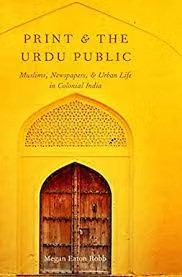
This excerpt from Print and the Urdu Public: Muslims, Newspapers, and Urban Life in Colonial India has been published with special permission from Oxford Univerity Press.

source: http://www.theprint.in / The Print / Home> Page Turner> Book Excerpts / by Megan Eaton Robb /May 15th, 2021
AMU Faculty Member Wins Best Paper Award at Int’l Conference in Oman

Aligarh, UTTAR PRADESH :

AMU Faculty Wins Best Paper Award at International Conference in Oman

Aligarh:

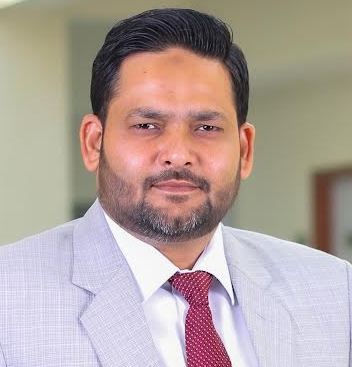
Dr. Lamay Bin Sabir, Assistant Professor, Department of Business Administration, Aligarh Muslim University (AMU), has been awarded the Best Paper Award at the International Conference on Intelligent Systems and Artificial Intelligence Applications (ISAA 2026) held at the University of Nizwa, Oman.

His award-winning paper, titled “Bridging Algorithmic Transparency and Managerial Trust: The Role of Explainable AI in Decision-Making – A Systematic Literature Review,” examines the challenges posed by limited transparency in AI-driven decision-making. The study highlights that AI systems are often perceived as “black boxes,” which affects managerial trust and decision effectiveness.

Dean, Faculty of Management Studies and Research, Prof. M. Naved Khan along with Chairperson, Department of Business Administration, Prof. Salma Ahmed congratulated Dr. Lamay on his achievement.

source: http://www.radiancenews.com / Radiance News / Home> Awards> Latest News> Science & Technology / by Radiance News Bureau / April 08th, 2026

AMU Research Scholar Wins Best Poster Award at ESTIC 2025

Aligarh, UTTAR PRADESH :

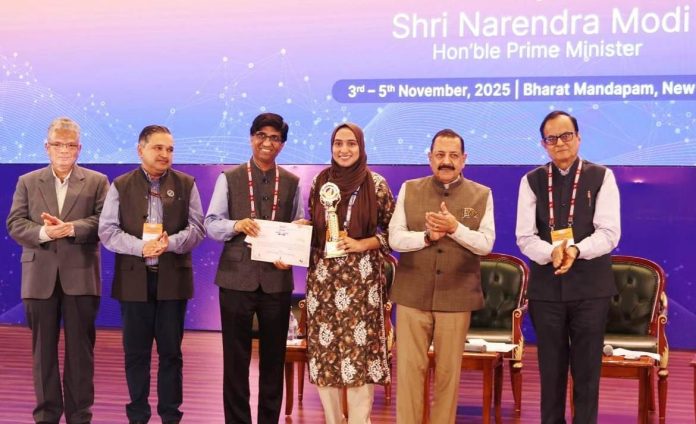
Adiba, a research scholar from the Department of Physics, AMU, receiving the Best Poster Award at the Emerging Science, Technology and Innovation Conclave (ESTIC) 2025

Aligarh:

Adiba, a research scholar from the Department of Physics, Aligarh Muslim University (AMU), has brought laurels to the University by winning the Best Poster Award at the Emerging Science, Technology and Innovation Conclave (ESTIC) 2025, organised by the Department of Science & Technology (DST), Government of India. The prestigious event was held at Bharat Mandapam, New Delhi.

The conclave, inaugurated by Prime Minister Narendra Modi, was supported by thirteen ministries and departments of the Government of India, showcasing the nation’s growing emphasis on innovation and scientific advancement.

Adiba received the award from Dr. Jitendra Singh, Union Minister of State (Independent Charge) for Science & Technology, and Prof. Abhay Karandikar, Secretary, DST, in the presence of Prof. Ajay Kumar Sood, Principal Scientific Adviser to the Government of India, along with several eminent scientists and leaders of India’s science and technology ecosystem.

Out of over 1,000 entries received from across the country, 100 were shortlisted for presentation at the conclave. From these, only five participants were selected for the top honours.

Adiba’s award-winning poster, titled “Bipolar Resistive Switching in Forming-Free, Flexible, and Transparent ReRAM Devices”, showcased her pioneering research on resistive switching mechanisms for neuromorphic and in-memory computing applications – a key area in next-generation electronic devices.

Expressing her gratitude, Adiba said, “It’s an honour to be recognised for my research on such a prestigious platform graced by leading scientists. I am deeply thankful to my supervisor, Prof. Tufail Ahmad, for his constant guidance and support.”

The achievement marks another proud moment for AMU, underscoring the university’s strong contribution to cutting-edge scientific research and innovation.

source: http://www.radiancenews.com / Radiance News / Home> Pride of the Nation> Awards>Latest News / by Radiance News Bureau / November 11th, 2025

Meet Tahsin, Nishan, Indian origin footballers, to play in 2026 FIFA World Cup

Kannur, KERALA / Doha, QATAR :

India has not qualified for the 2026 FIFA World Cup but two footballers – Tahsin and Nishan, are making the country proud as the countdown for the football mega event begins

Tahsin Mohammed Jamshid (L) and Nishan Velupillay

2026 FIFA World Cup: 

India has not qualified for the 2026 FIFA World Cup but two footballers – Tahsin and Nishan, are making the country proud as the countdown for the football mega event begins.

The 2026 FIFA World Cup is set for a grand inauguration on June 11, 2026. Weeks before the inauguration of the football world cup, two footballers – Tahsin Mohammed Jamshid and Nishan Velupillay are adding to the football fever in India.

And the reason is their country of origin.

Tahsin Mohammed Jamshid and Nishan Velupillay both have their roots in India, and they will be playing the 2026 Football World Cup, though not for India but for the countries they are currently residing in.

Tahsin Mohammed Jamshid

19-year-old Tahsin Mohammed Jamshid is the first footballer of Indian-origin selected in Qatar’s squad for the 2026 FIFA World Cup.

Tahsin’s parents, Jamshid and Shaima, migrated from Kannur, Kerala in 1996 and settled in Doha, Qatar where Tahsin was born on June 16, 2006.

The winger, who is described as quick, direct, and impactful on the wings, came through Qatar’s Aspire Academy and plays for Al Duhail Sports Club.

Tahsin, who earlier represented Qatar at senior, U23, U20, and lower youth levels and is regarded as one of the country’s promising young talents, made his senior debut for Qatar in the World Cup qualifier against Afghanistan.

Tashin’s father Jamshid currently working as Accountant, is also a footballer and had played for University of Calicut, Kerala.

Nishan Velupillay

Nishan Velupillay (25) has been confirmed in the 26-member Australian squad for the 2026 football world cup.

The Melbourne Victory winger was born on May 7, 2001 in Melbourne, Australia. His father, Sasinath Velupillay, is Malaysian with Sri Lankan Tamil roots, and his mother, Gillian, is Anglo-Indian.

Nishan made his debut for Australia in 2024 and scored on his first appearance in the World Cup qualifier against China. Since then, he has become a regular part of the Australian national football team.

With his selection for the World Cup, Velupillay is set to become the first footballer of Tamil heritage to play at the football world cup.

“A Historic Moment”

Congress leader and MP Shashi Tharoor who posted the brief profile of the two footballers said their inclusion in the Qatar and Australian national teams are proud moment for India too.

“A historic moment for Indian football fans! As the 2026 FIFA World Cup approaches, we will have two players of Indian heritage gracing the global stage”, Tharoor wrote on social media platform X.

“They follow in the footsteps of Vikash Dhorasoo, the elegant and creative midfielder whose forefathers hailed from Vizianagaram, Andhra Pradesh (migrating to Mauritius and later to France), who played for the French National Team in the 2006 FIFA World Cup in Germany, winning a runners-up medal”, Tharoor further wrote.

The 2026 edition of the World Cup will be the first to feature 48 teams and three host countries. The United States will have 11 of the 16 hosts cities at the 2026 FIFA World Cup, which will also feature matches in Mexico and Canada.

The 2026 FIFA World Cup will be inaugurated on June 11, 2026 whereas the 2026 Football World Cup Final will be played on July 19, 2026.

source: http://www.ummid.com / Ummid.com / Home> 2026 FIFA World Cup / by ummid.com news network / June 03rd, 2026

Why We Need a Book About Muslims Who Fought for India’s Freedom

Mumbai, INDIA :

Can a stable and just democracy flourish on foundations of wilful amnesia and erasure?

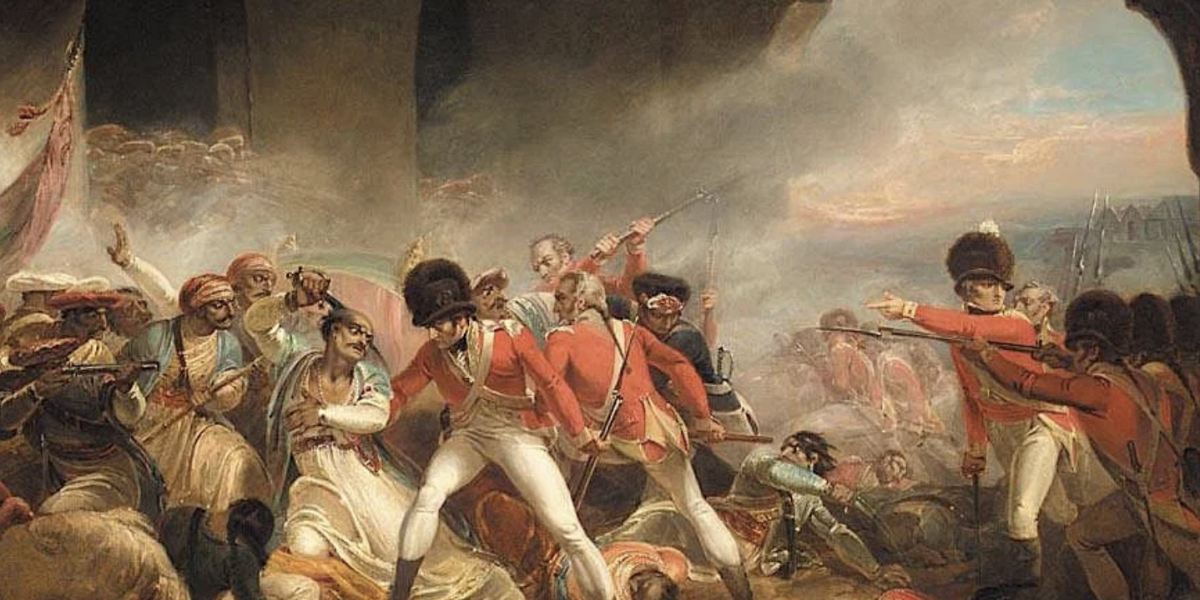
A c. 1800 painting showing the last stand of Tipu Sultan, ruler of Mysore in 1799 at the end of the Anglo-Mysore Wars with the East India Company. Photo: Henry Singleton/Public domain.

Many will ask why a book about Muslims who fought for India’s freedom? There’s no answer to such questions except another question. Had we been better memory keepers as a nation, could we have avoided the peak disinformation and stupidity which normalises reviling ordinary Muslims as outsiders, infiltrator and insurgents? 

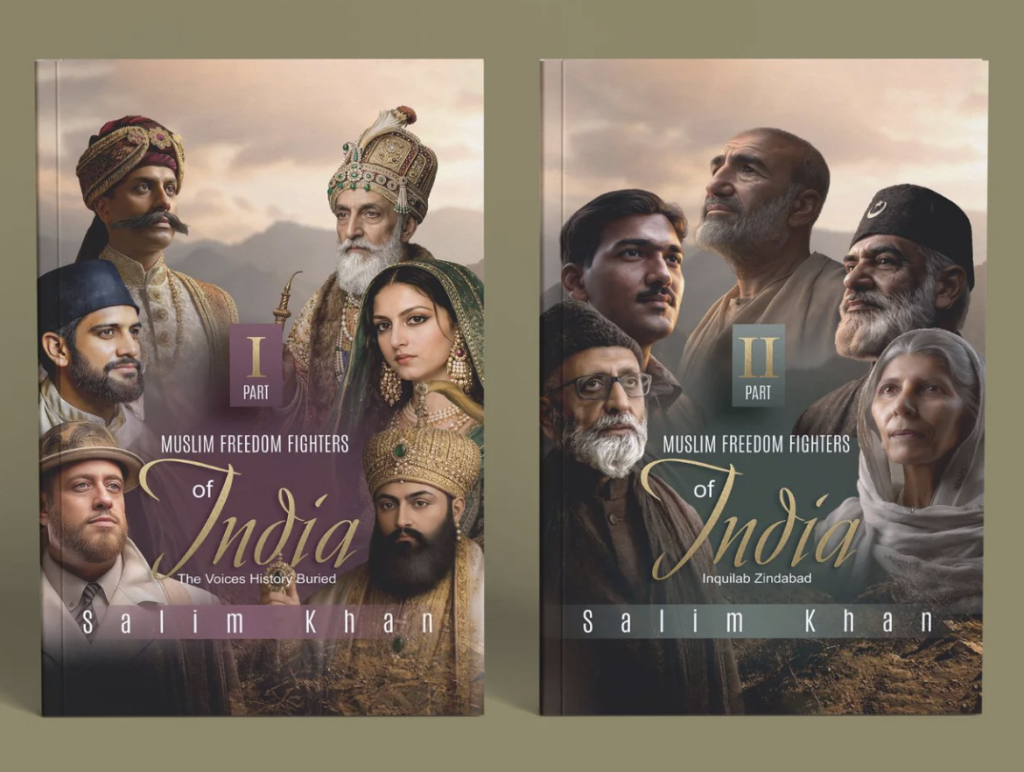
Muslim Freedom Fighters of India is a two-volume biographical compilation by Salim Khan on less-known, mostly forgotten and hardly known Muslim figures. The books aim to clear the fog around Muslim freedom fighters whose names are heard of without them being extensively known and this requires us to understand why this fog exists. Written in an extremely readable and accessible format, these biographical accounts embed the historical figures in the context of their times, responding to unprecedented events with foresight, clarity and conviction that sealed their fate and shaped and the nation’s destiny.

 Whether we are reading about Generals of 1857 – Bakht Khan and Khan Bahadur Khan – or the Cambridge-educated Rampur scion Mohammad Ali Juahar of Khilafat moment and his fiery mother Bi Amma, the larger questions seething beneath the stories keep rising to surface. Who does a society and nation choose to remember and celebrate? Whose memories are deemed worthy of preserving? History is always shaped by those who control archives, narratives and memorialisation and hence memory. 

Reading about Tipu’s dazzling reign through the three Anglo Mysore wars where he proved superior to British forces, I was reminded of the controversy sparked by the late Girish Karnad’s suggestion of naming the Bengaluru airport after Tipu Sultan. Karnad had said, “It is true that Tipu Sultan was not born in Bengaluru, but he was a son of this soil and a freedom fighter. Had Tipu been a Hindu, he would have achieved the status of Shivaji, and the airport would have been named after him.” I recalled Karnad because his play Dreams of Tipu Sultan echoes the same theme that this two-volume tribute to erased, obscured and deliberately unremembered historical figures echoes: that when politics lays down who should be forgotten, remembering the erased becomes a duty, an affirmation and a political act. 

It is important to clarify that this is not a compilation of eulogies but well-researched fact based account of people who had the uncommon clarity to resist colonial domination even before the nationalistic narratives took shape. That they happened to be Muslims is important today because of the distortions that have obscured and erased them. But back then when they fought and resisted, they were simply rallying for the cause of their soil and their watan. From the earliest times they understood that freedom from foreign domination required Hindus and Muslims to put up a united front as in the war of 1857, the Khilafat movement, and the period between 1919 and 1924. Back then too, traitors cut across religious lines – Jagat Seth, Mir Jafar, and Ilahi Baksh.

Muslim Freedom Fighters of India: Part 1 and Part 2’, Salim Khan, Qalam Aur Kaagaz Books.

From Siraj ud Daulah to Tipu to Shahzada Firoz Shah, the book shows how the fog around these personalities is not accidental but meticulously designed – initially by the colonial mind, then picked up by early nationalists and woven into simplistic narratives. The macabre dance of history further stifled Muslim voices. Cataclysmic events like the ‘end’ of the Mughal Dynasty in 1857 and the Partition in 1947 sundered clans, erased family histories, legacies crumbled with no one is around to defend and uphold them. Today, even people who don’t know history have heard of Lakshmi Bai, but many who read history may not have heard about Shahzada Firoz Shah, the Mughal Emperor’s grandson who in August 1857, led a band of armed soldiers to rally the rebels in Rohilkhand and Malwa and who fought alongside Tatia Tope and called for a united Hindu-Muslim front against the Company. 

The British understood the dangerous potential of popular memory and subverted any potential for memorialisation of hugely influential figures. No one knows if Shahzada Firoz died in battle or escaped to West Asia. The Maulavi Ahmadulla of Faizabad whose authority and fearlessness scared the British so much that they kept a reward on his head, was likewise interred in an unmarked grave. Knowing that even his memory could become a node to unite the rebels, the British saw to it that no commemoration was permitted or possible. Zafar, the last Mughal was exiled to Rangoon for the same reasons.

In her book, India, 5,000 years of history on the subcontinent, Audrey Truschke, elucidates how Muslim rulers like Nawab Siraj ud Daulah and Tipu Sultan to Zafar felt a responsibility for their subjects no matter what their religion. For example, Siraj ud Daulah actively intervened in times of famines and drought in Bengal. But after the British took over they did nothing to alleviate human suffering, so that 20% of Bengal’s population died in the famine of 1768 and the small-pox epidemic of 1769-70 following it. This had never happened during earlier episodes of failed harvests. Truschke says, British historians initiated the custom of categorising Indian rulers as tyrannical, effete and incompetent, reducing them to their religion and writing in terms of Hindu rulers and Muslim rulers. The British needed to demonise Muslim rulers who were their immediate predecessors in subcontinent so that they might look good by comparison, Truschke notes. It was a part of the colonial propaganda.

Another pattern Salim Khan’s compilation brings out is that from mid-18th century onwards, the first responders and the most committed crusaders resisting colonial domination – the kings, queens, princes, preachers, noblemen – were Muslims. Not only because the British had wrested from them the power they had wielded for centuries (howsoever fragmented or diluted it may have become); but also, because they were looked upon as leaders. In Awadh, for example, the Shia elite took it as their moral-ethical duty (see Chapter 7, volume I: Shia Ullema and Noblemen of Awadh

Even in the 20th century, Muslim freedom fighters like Hasrat Mohani of the Inquilaab Zindabad fame and Asfaqullah Khan of the Kakori conspiracy who was an icon for Bhagat Singh, remain in the shadows, seen only in a hazy half-light. Were their contributions any less or only less remembered? One of the most important projects post-Independence should have been to restore memory and affirmation to those whom the British put on the wrong side of history, no matter what their religion or caste. But we know this is not what happened.

Since the arrival of the political controversy over Tipu Sultan, we have entered in an era of deliberate distortion of history. The larger question that these accounts refrain from asking but that jumps to any thinking person’s mind is this: can a stable and just democracy flourish on foundations of wilful amnesia and erasure? Should the memory of Muslim freedom fighters be kept only by the Muslims? The heritage and memory of Indian Muslims needs to be reclaimed by them. But equally, these volumes are required reading for the casually miseducated, hopelessly disinformed or simply ignorant Hindus who have been stupefied into denying and distorting their composite history.

Varsha Tiwary is a Delhi-based writer and translator. She has recently published 1990, Aramganj a translation of the best-selling Hindi novel Rambhakt Rangbaz.

Two Indian-origin scientists receive South Africa’s highest civilian honour

Pretoria, SOUTH AFRICA :

Two of South Africa’s internationally recognised, Indian-origin scientists were among the 38 people awarded the country’s highest civilian awards in recognition of their outstanding contributions toward public health.

Professor Salim Abdool Karim and Professor Keertan Dheda, were formally awarded the prestigious Order of Mapungubwe by President Cyril Ramaphosa at Pretoria.

This specific order recognises South African citizens who have achieved excellence and exceptional accomplishment to the direct benefit of South Africa and the global community.

The citation for Karim, who was awarded the Order of Mapungubwe in Gold, honours his monumental contributions to medical science and public health, particularly his groundbreaking research into HIV/Aids and tuberculosis (TB) epidemiology, and his exceptional leadership in national health policy development.

source: http://www.dailypioneer.com / The Pioneer / Home / by Fakir Hussain / May 21st, 2026

How a 90-year-old North Texas doctor built a lifeline for thousands in need

INDIA / Texas, U.S.A :

Decades ago, Dr. Basheer Ahmed received a phone call from the local Catholic Charities.

https://www.nbcdfw.com/video/news/local/how-a-90-year-old-doctor-built-a-lifeline-for-uninsured-patients/4024921

A North Texas psychiatrist says one phone call during the Bosnian refugee crisis led him to create the Muslim Community Center for Human Services. The nonprofit now provides medical, dental and mental health services to thousands of patients each year, regardless of faith or ability to pay. The organization relies on donated time, equipment and funding as Dr. Basheer Ahmed continues serving patients at age 90. NBC 5’s Tahera Rahman has more.

When Catholic Charities called Dr. Basheer Ahmed in the early 1990s, asking for help relocating Muslim Bosnian refugees, he quickly realized something larger was missing across Texas.

“There was no Muslim social service organization or charitable organization helping people,” Ahmed said.

That phone call led Ahmed, now 90 years old, to found the Muslim Community Center for Human Services , a North Texas nonprofit that has since grown into a network of free and low-cost medical, dental and social service programs serving thousands each year.

“Being a psychiatrist, I had been doing some consultation work for Catholic Charities,” Ahmed recalled.

The organization was helping relocate Muslim Bosnian refugees to North Texas and needed guidance on cultural and religious needs, including mosques and halal food.

Ahmed, a Muslim immigrant from India, said the request stayed with him.

“They said, ‘Dr. Ahmed, what should we do?’” he said. “And I became very concerned that in the entire Texas, in fact, there was no Muslim social service organization or charitable organization helping people.”

In 1995, Ahmed gathered a group of supporters and founded the Muslim Community Center for Human Services, known as MCC.

The organization, based in Richland Hills, began modestly.

“So, I acted as a receptionist also initially,” Ahmed said. “We didn’t have money.”

Ahmed soon realized many patients also struggled to access medical care because of language barriers, cultural differences and long wait times.

“They had to wait a long time. There were language barriers, cultural barriers,” he said.

What started as culturally sensitive social services expanded into medical care, mental health support, domestic violence assistance and dental services.

Ahmed said community support helped the organization grow. One example that stands out to him involved retiring dentist Sam Roach, who donated equipment to MCC’s dental clinic before volunteering there himself.

“[A] Christian donating office to a Muslim organization shows how humanity works,” Ahmed said.

A Life Shaped by Service

Ahmed has held many leadership roles throughout his life, including serving as president of the Islamic Association of North America in 1979.

“In 1979, when there was Iranian hostages, he called us,” Ahmed said of former President Jimmy Carter. Ahmed said Carter sought input from Muslim leaders during the hostage crisis.

Still, Ahmed said service remains the role that matters most to him.

“I always feel that every human being should think about why God created you, what purpose you are serving,” he said. “I realized that serving humanity is my purpose of life.”

Adeela Malik, MCC’s director of clinical services, said the organization continues adapting to financial challenges while trying to meet growing demand.

“This was operating right until COVID,” Malik said of the dental clinic. “When COVID hit, we had to shut it down because of a lack of funds.”

Malik said MCC now connects patients with partner dentists who provide care for free or at reduced cost through their own practices.

“That’s one of our goals, to collect enough funds and reopen it,” Malik said. “Because I’m telling you, there is a lot of demand. People are willing to travel two hours for their dental.”

Care for Everyone, Regardless of Background

MCC services are free, though patients may be charged a $25 administrative fee if they can afford it.

One patient, who asked not to be identified, said he discovered MCC after searching online while struggling with serious health issues and no insurance.

“When you lose 70 pounds in three months, we thought like something serious was going on,” he said.

The patient said he initially believed the clinic only treated Muslim patients.

“To be honest, first I thought they’re only treating like Muslim community, but I was very wrong,” he said.

Doctors diagnosed him with untreated diabetes, and he said ongoing visits have helped him manage the condition.

“I’m glad I found them because… I will say, saved my life,” he said.

The patient also shared a message for Ahmed.

“I wanna say thank you from the bottom of my heart for having such a kind heart,” he said.

Ahmed said the organization’s mission remains rooted in expanding care to anyone in need.

“This is the best medical service in the world we provide here in America,” Ahmed said. “I can tell you that. But unfortunately, the sad part is it’s not for everybody. And my desire is that I wish we can do this to every person. We can.”

That’s why, even after a lifetime’s work, the 90-year-old continues to fill needs where he finds them.

“I feel at least a peace in mind that I am doing that for satisfying my own faith and my purpose for living in this world,” he said.

The Muslim Community Center for Human Services operates through donated time and funding.

source: http://www.nbcdfw.com / 5NBCDFW / Home> Health / by Tahera Rahman / May 13th, 2026

India’s Second Oldest Farman to Get Digitised as Part of GBM

TELANGANA :

Dr Zareena Parveen, director, State Archives, and coordinator of the Cluster Centre, GBM, explained that the survey has identified 1,95,935 manuscripts, including those of the Telangana Archives, and a total of 29,871 images of 130 manuscripts had been uploaded till May 2.

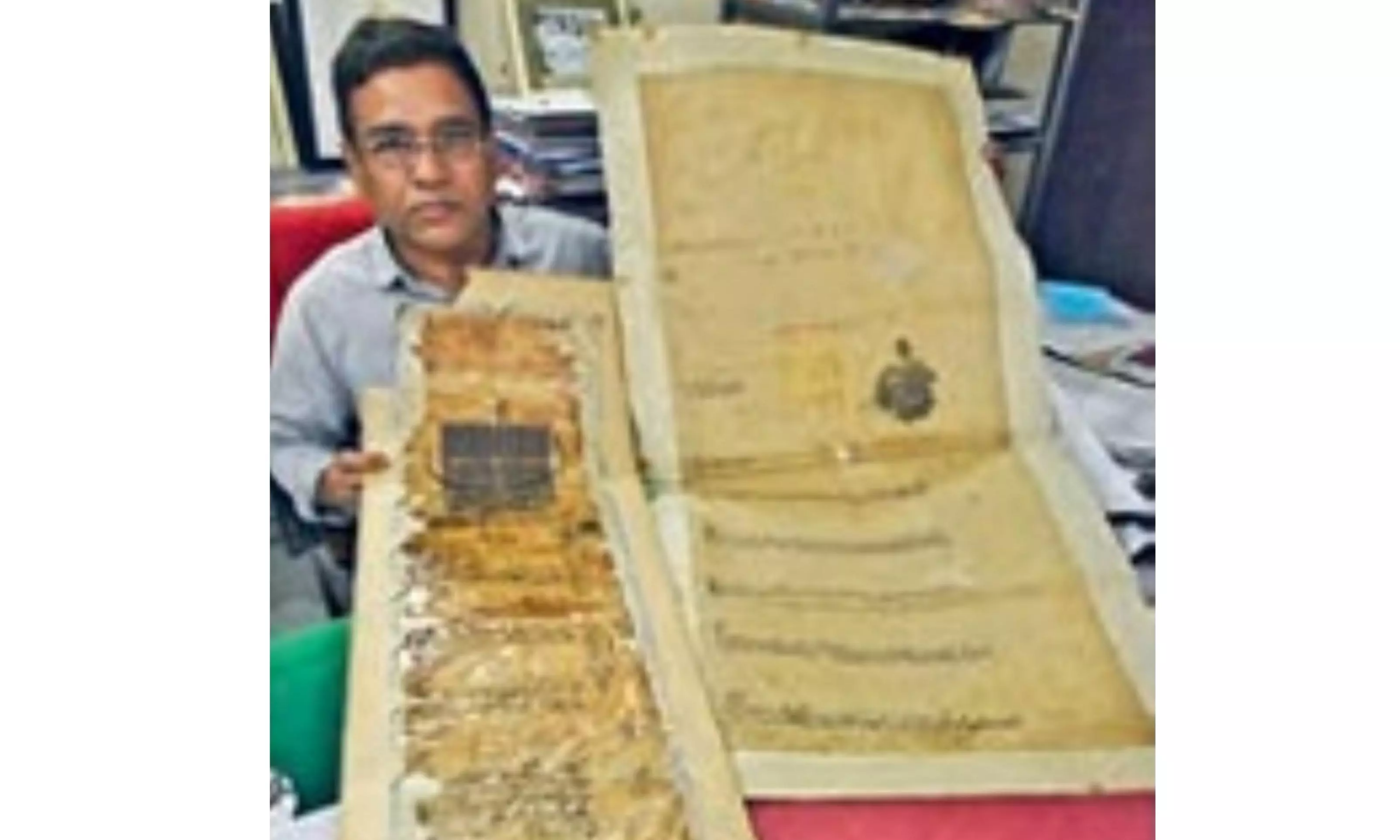
“The handmade paper used for the farman is a rare example showcasing the royal practices of the time,” M.A. Raqeeb, assistant director, Telangana Archives, told Deccan Chronicle. (Image: X)

Hyderabad:

A royal farman, said to be the second oldest in India — issued by Sultan Feroz Shah Bahmani (1397–1422) in 1406 — will be among close to two lakh manuscripts identified as part of the survey by the Gyan Bharatam Mission (GBM) in Telangana. The GBM is a national initiative by the Union culture ministry to unearth, preserve and digitise India’s massive manuscript heritage.

This decree on Persian‑style handmade paper is 33 x 10 inches in size, with ink and royal‑seal authentication. The document was issued from Gulbarga, which was the seat of power for the Bahmanis before it was shifted to Bidar. The decree grants land as inam to Muhammed Ahmed, Qazi of Kalyani, and bears the distinctive tughra (monogram) and the Bahmani royal seal.

“The handmade paper used for the farman is a rare example showcasing the royal practices of the time,” M.A. Raqeeb, assistant director, Telangana Archives, told Deccan Chronicle.

Another well‑preserved royal farman is of Emperor Shah Alam II, issued in 1773 AD, appointing Maharaja Narayan Rao Bahadur as official caretaker of the riverbank near Allahabad. Believed to be part of preparations for the Kumbh Mela, the emperor issued clear instructions to officials not to levy fees.

“All expenses for maintaining the site and facilitating the pilgrims’ rituals are to be borne entirely by the Mughal government,” the decree says.

According to the decree, Hindu pilgrims (yatris) arriving from across the subcontinent — especially from Gujarat and Maharashtra — must be allowed to take the sacred bath and holy dip for spiritual purification without any fee or levy. The directive is to be strictly implemented and communicated to the commissioner of police and all present and future officers for perpetual observance.

“This farman illustrates the Later Mughal policy of imperial patronage toward diverse religious practices and underscores the state’s responsibility for safeguarding pilgrimage routes and sacred bathing ghats,” Raqeeb explained.

The cluster centre at the State Archives has identified and completed surveys of 17 institutions and individuals, while surveys for another 42 are underway. It has so far scanned 57,842 documents and exported 29,871 images.

Dr Zareena Parveen, director, State Archives, and coordinator of the Cluster Centre, GBM, explained that the survey has identified 1,95,935 manuscripts, including those of the Telangana Archives, and a total of 29,871 images of 130 manuscripts had been uploaded till May 2.

“At the State Archives alone we have over 1.8 lakh manuscripts, including 668 in book form, 155,000 paper items and 25,000 private collections (paper). Most of these are in Old Persian (Shikista) and cover varied subjects, including graphic pictures of Mansabdari, revenue and military systems of the Mughals in the Deccan region (South India),” Dr Parveen director explained.

source: http://www.deccanchronicle.com / Deccan Chronicle / Home> Southern States> Telangana / by Md Nizamuddin / May 03rd, 2026

Mangaluru woman among four Indian expats to win Abu Dhabi’s Big Ticket weekly draw

KERALA / U.A.E :

Abu Dhabi :

In a streak of luck for Indian expatriates in the Middle East, four individuals have bagged Dh 25,000 each in the first weekly e-draw of Abu Dhabi’s Big Ticket for the month of April. Among the winners is a Mangaluru native who turned her birthday into a life-changing celebration.

Double celebration for Mangalurean winner

Veera Lobo, a 50-year-old Dubai resident originally from Mangaluru, received the best birthday gift she could have imagined. Lobo decided to purchase her ticket on Easter Sunday, which coincided with her 50th birthday.

Participating as part of a group of four, Lobo expressed her shock and joy upon hearing the news. “I was overwhelmed with happiness and excitement. I never expected it at all,” she said. The group plans to split the prize money, and Lobo has pledged to donate a portion of her share to charity.

Other winners from the region

The weekly draw saw three other Indian expats, including residents from Kerala and Kuwait, securing the Dh 25,000 prize:

  • Anzil Nazar: A 33-year-old aircraft technician with Air Arabia originally from Kerala, Nazar has lived in the UAE since 2022. Unlike his usual practice of pooling money with friends, he tried his luck independently this time with a random ticket selection. Initially mistaking the winning notification for a promotional call, Nazar said he plans to continue participating in the future.
  • Amritha Babu: A 30-year-old teaching assistant at a GEMS school in Sharjah, Amritha’s win came on only her fourth ticket purchase. A resident of the UAE for eight years, she chose her ticket based on her lucky number, ‘8’. She recognised the voice of Big Ticket host Richard over the phone before the news even sank in.
  • Fathima Afeedha: Another native of Kerala, Fathima’s winning ticket was purchased by her husband, a supervisor based in Kuwait for the last 15 years. Her husband, who has been buying tickets for five years, expressed his delight and stated he would continue to try his luck in the upcoming draws.

Grand prize awaits

The weekly e-draws are part of the lead-up to the grand live draw on May 3, which features a massive Dh 25 million jackpot. In addition to the top prize, five other participants will walk away with Dh 1 million each. Three more weekly draws remain for the month of April, with four winners guaranteed to win Dh 25,000 every week.

source: http://www.daijiworld.com / DaijiWorld.com / Home> Top Stories / by Daijiworld Media Network – Abu Dhabi / April 15th, 2026

Against odds, Saba Anjum becomes India’s speedy forward

Kelabadi (Durg), CHHATTISGARH :

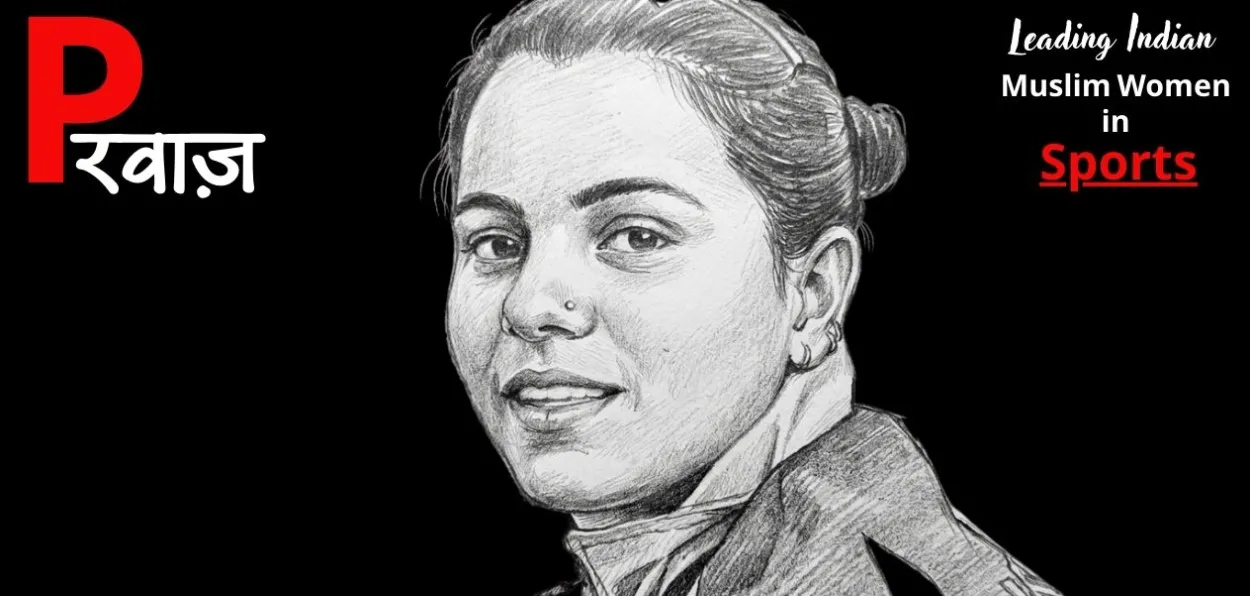
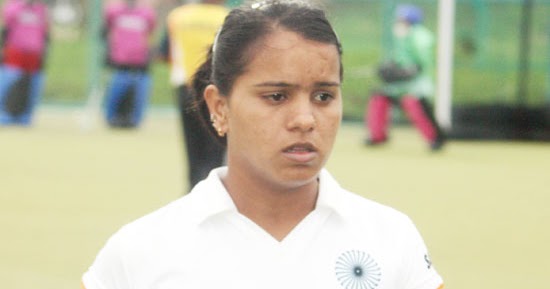
Saba Anjum

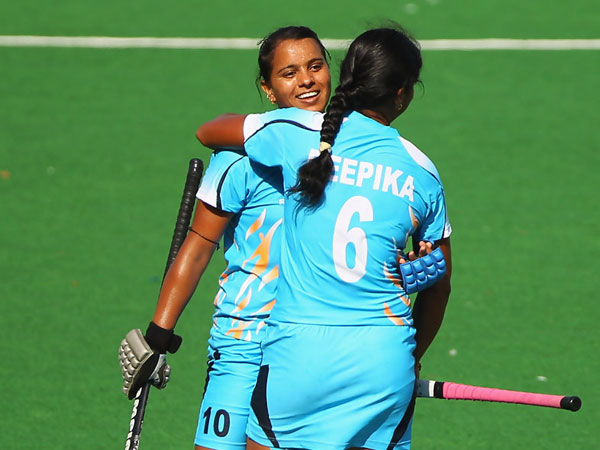
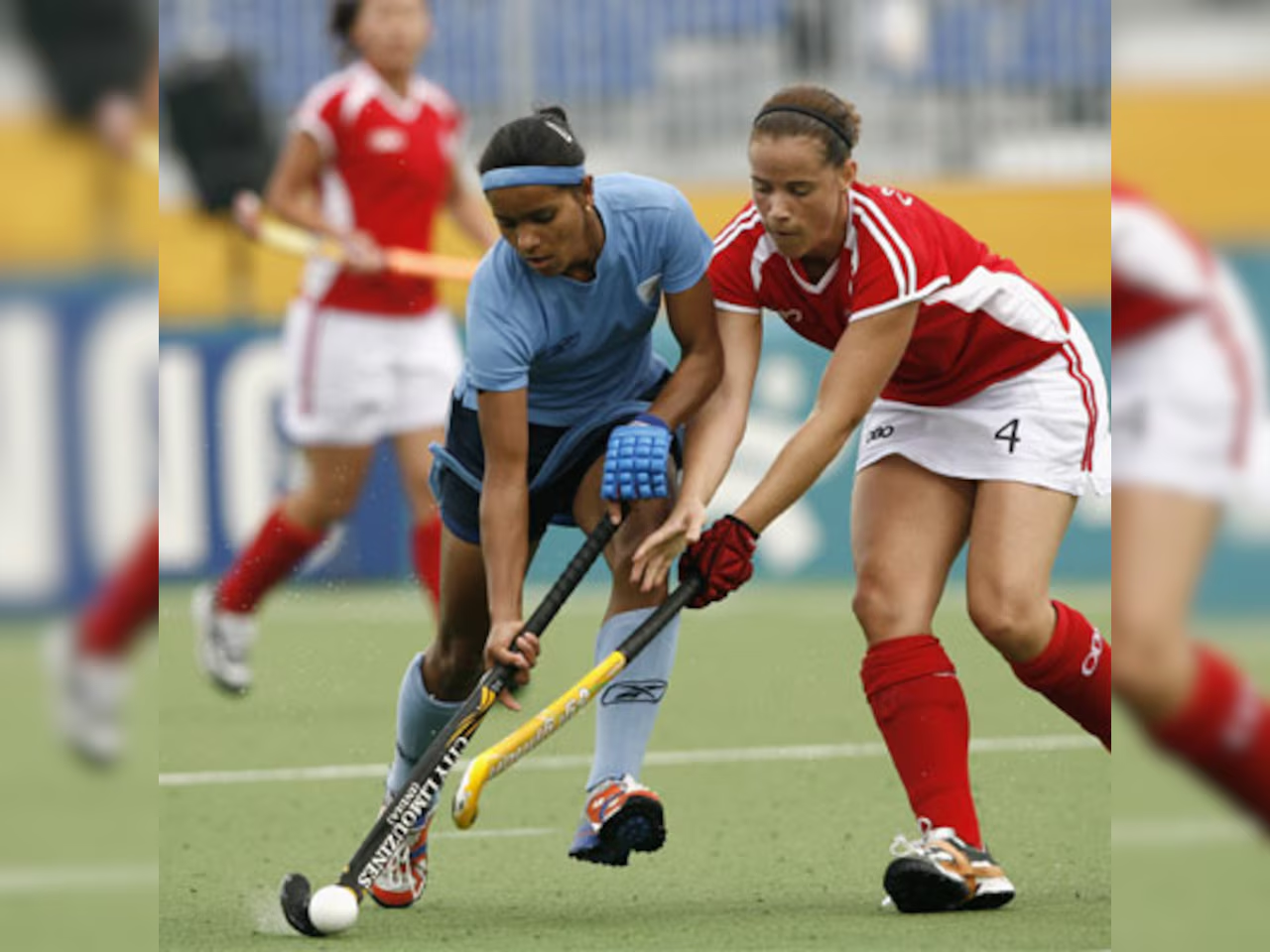
In the narrow lanes of ‘Kelabadi’ locality in Durg, a 9-year-old girl could be seen playing hockey with boys. She had neither expensive shoes nor her own hockey stick. She used her elder brother’s old, broken stick, wrapped with tape, to step onto the field. Her father worked as a muezzin in a local mosque.

The family’s income was so low that sometimes it was difficult to light the stove even for one meal a day. When she decided to pursue hockey as her passion, society mocked her, “A girl will play wearing shorts?” But her father was determined that his daughter would write her own destiny. This is the story of Saba Anjum Karim, the girl who rose from the dusty lanes of Chhattisgarh to wave the tricolor on global sports fields.

Saba Anjum playing hockey

Former Indian women’s hockey forward Saba Anjum says that when she started playing, her family’s financial condition was not good. Her father worked as a muezzin in the mosque, while her mother worked to support household expenses. Once, during a summer camp at the playground, children were given jaggery and chickpeas after playing. She started playing thinking she would get jaggery and chickpeas. With this thought, she began her sports journey. Later, a running competition was organized where she participated and secured first place. As a prize, she received a hockey stick. That moment became her inspiration to continue playing hockey.

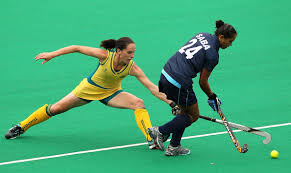
Her school later participated in the Nehru Hockey Tournament, after which she was selected for the Indian national team. She never looked back after that. She played the Nehru Hockey Cup in 1999. From 2002 to 2012, she was a member of the Indian national hockey team and represented the country in many competitions. During this period, she also captained the Indian team. Her elder brother was also a national-level hockey player.

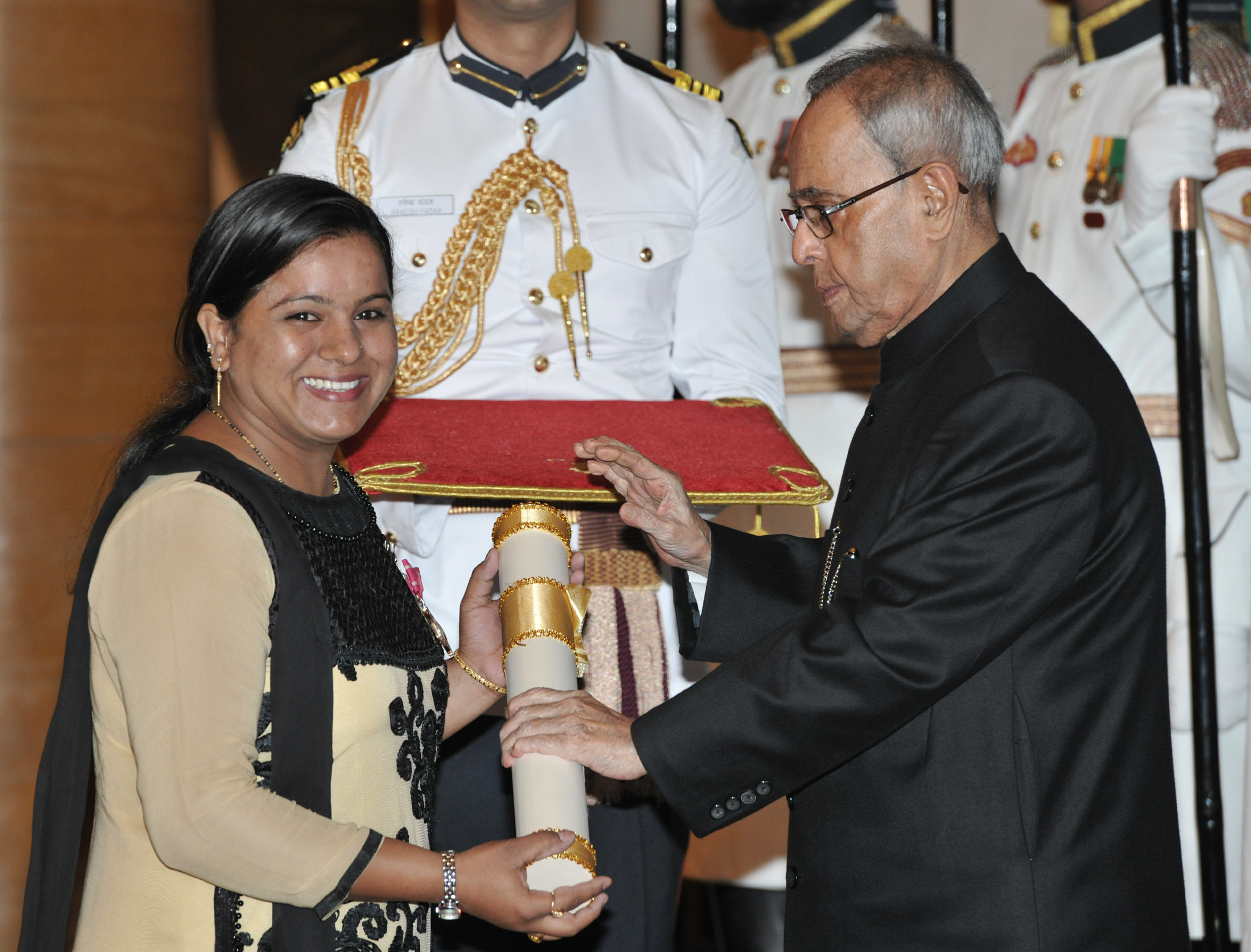
The President, Shri Pranab Mukherjee presenting the Padma Shri Award to Smt. Saba Anjum, at a Civil Investiture Ceremony, at Rashtrapati Bhavan, in New Delhi on April 08, 2015.

Saba Anjum receiving an award from former President Pranab Mukherjee

Born on 12 June 1985, Saba Anjum shared that in 1997, during a match, her coach dropped her from playing and did not give her another chance in the team. She was only 11 years old then. Her father went to the coach and requested him to give his daughter another opportunity to play. That moment remains very special in her memory. Her father was pleading with the coach to allow her to play. This incident motivated her to continue playing and improve. That day became a turning point in her life.

Padma Shri awardee Saba Anjum says that during her childhood, when she returned home after playing, her father worked at the mosque. She would wait outside the mosque for him to come out and buy her cashews, raisins, or some food items. She often sat outside the mosque waiting for him. That memory remains very close to her heart.

Saba Anjum on the hockey ground

According to the Arjuna Award-winning player, there were some social barriers because she came from a Muslim family. But her father and mother always supported her. They encouraged her to play at all times. When she was selected for the Indian team, she faced difficulties in making her passport because of financial problems. At that time, her mother even sold household utensils to arrange money for her passport. Her parents made countless sacrifices for her future.

Serving as an Additional Superintendent of Police (ASP), Saba Anjum said that when she joined the Indian team, she was inspired by senior players. She was motivated to perform better and one day become the captain of the Indian hockey team. Hockey gave her a lot in life. She received the Arjuna Award and the Padma Shri award. She was also appointed as a DSP in the Chhattisgarh Police.

Saba Anjum playing hockey

She gave a clear message to the youth — whether they are athletes or students, they should recognize their potential and work continuously to improve it. Success comes only through hard work. Hard work gives you a unique identity. There is no shortcut to success; only dedication leads to progress.

Educated in Raipur, Sab a Anjum was a regular member of the Indian women’s hockey team. Her ability to run fast on the wings and carry the ball toward the goalpost gave her a unique identity. In 2002, the world was watching the Manchester Commonwealth Games. Seventeen-year-old Sab a was the youngest player in the Indian team. When India won the gold medal in the finals, she became an overnight star.

Saba Anjum on the hockey ground

She not only scored goals but also pierced through the opponent’s defence with her speed. Success continued after that. Whether it was the 2004 Asia Cup gold or captaining the Indian team in 2011, she proved herself at every stage. Scoring 92 goals in 200 international matches showed her skill and talent.

After shining on the hockey field, the Government of India honored her with the Arjuna Award (2013) and Padma Shri (2015). The Chhattisgarh government also recognized her achievements and appointed her in the police department. Today, when Sab a wears her police uniform, she is not just an officer but a beacon of hope for thousands of girls living in hardship.

People who once mocked her near the same playground in Durg now salute her with pride.

source: http://www.awazthevoice.in / Awaz,The Voice / Home> Stories / by Mandakini Mishra, Raipur / April 06th, 2026