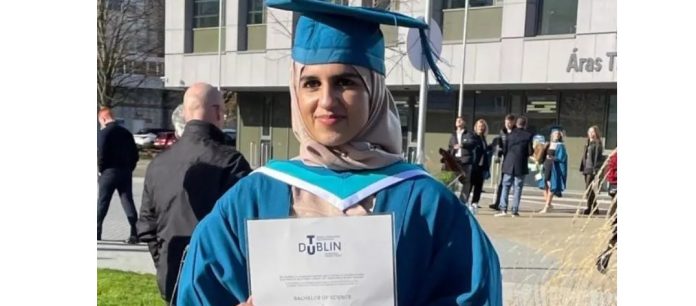
A special ceremony was held at the Trinity College in Dublin, to honour all the recipients. Khalid was represented by his father, Syed Qasim Rasool Ilyas.
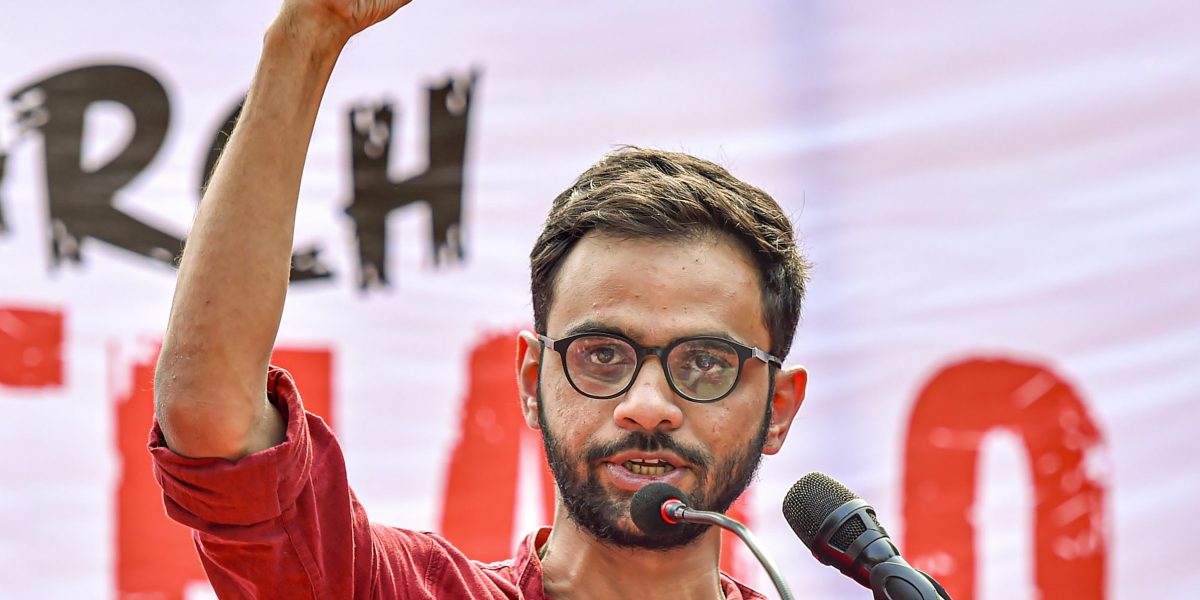
Umar Khalid is seen speaking at a demonstration at Jantar Mantar in New Delhi, in this file image dated March 3, 2020. Photo: PTI/File.
New Delhi:
Activist Umar Khalid who has been jailed since the last six years has won the 2026 Front Line Defenders Award for Human Rights Defenders at Risk.
“Umar Khalid is the 2026 Asia winner of the Front Line Defenders Award. To those who try to silence his work, he is seen as an “enemy of the state’’ and an “anti-national”, but to others, he is a national hero, a voice of the people, and a human rights defender. For the last six years, Umar Khalid has been shackled behind bars for his leadership in the peaceful and democratic civil movement against the unconstitutional and anti-Muslim amendments to India’s citizenship laws,” Front Line Defenders said in a statement on Thursday (October 8).
Khalid has continued to be lodged in jail ever since Delhi Police Special Cell arrested him as a ‘key conspirator’ in the 2020 Delhi riots case on September 14, 2020. He is charged with Unlawful Activities (Prevention) Act (UAPA), sedition and 18 other sections of the Indian Penal Code, including murder and attempt to murder. A student activist at the time of his arrest, Khalid had played a key role in organising anti-Citizenship (Amendment) Act protests in 2019-2020.
The Front Line Defenders statement noted how the CAA impacts India’s Muslim population and how Khalid spoke against this grave injustice.
“The law, which accompanied an increasingly hostile climate of growing Hindu nationalism, threatens to disproportionately strip Muslims of documentation and legal status. Umar Khalid, with a steady trajectory defending students’, minorities’ and citizens’ rights, is seen as one of the key voices speaking out against this injustice. Several major international human rights organisations, as well as the United Nations Working Group on Arbitrary Detention, have highlighted the illegality of his arrest and detention,” said the statement.
The five winners of the 2026 Front Line Defenders Award for Human Rights Defenders at Risk pictured at Trinity College in Dublin, where a special ceremony was held in to honor them.
A recently freed anti-death penalty campaigner from Iran, a feminist pro-participatory democracy… pic.twitter.com/2D9BjFg2bs
Apart from Khalid, the other winners are: Laurinda Manuel Gouveia (Angola) for Africa, Adda Vyctoria Caetano (Brazil) for the Americas, Ljiljana Nešić (Serbia) for Europe and Central Asia and Ahmadreza Haeri (Iran) for Middle East and North Africa.
A special ceremony was held at the Trinity College in Dublin, to honour all the recipients. Khalid was represented by his father, Syed Qasim Rasool Ilyas.
On September 20, the Delhi high court had denied bail to Umar Khalid and Sharjeel Imam – also jailed for more than six years – in the 2020 Northeast Delhi riots larger conspiracy case.
Khalid was lasted granted a three-day interim bail by the Delhi high court on May 22 for meeting his mother who underwent a surgery after a trial court had on May 19 denied him relief that he had sought to attend rituals after the death of his uncle and to attend to his mother before and after a surgery on June 2.
source: http://www.thewire.in / The Wire / Home> Rights / by The Wire Staff / October 09th, 2026
It will gradually be screened across 20 schools in Bengaluru, including government schools, under Project SAFE (Student Advocacy for Emotional Well-being).
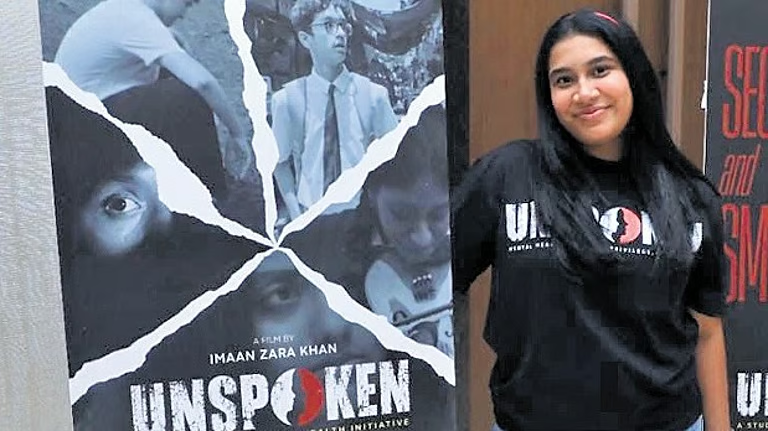
Imaan Zara Khan during the screening of her film Unspoken in Bengaluru.(Photo | EPS)
Bengaluru :
Young people are often encouraged to speak up when they are struggling, but what happens when they cannot find the words to express what they feel? And when they do speak, will the people around them listen without dismissing their concerns?
These questions form the premise of Unspoken, a youth-led film written and directed by 16-year-old filmmaker and researcher Imaan Zara Khan. The film follows four teenagers from different backgrounds who face emotional struggles they find difficult to articulate, highlighting the need for safer spaces where young people can acknowledge their distress and seek support.
Ahead of World Mental Health Day on October 10, the film was screened in Bengaluru on Friday as part of an initiative to take conversations on student mental health beyond awareness campaigns. It will gradually be screened across 20 schools in Bengaluru, including government schools, under Project SAFE (Student Advocacy for Emotional Well-being).
The initiative also includes the development of a mental health first-aid programme intended to help teachers and students recognise signs of distress and respond appropriately.
“I think everyone tells young people to speak up, but they do not realise that sometimes there are no words to express what they are going through. Even if they find the courage to speak, are the people around them willing to listen, or will they dismiss them?” Imaan said.
The film follows four teenagers whose circumstances could hardly be more different. One is a popular social media influencer struggling with body image and self-confidence.
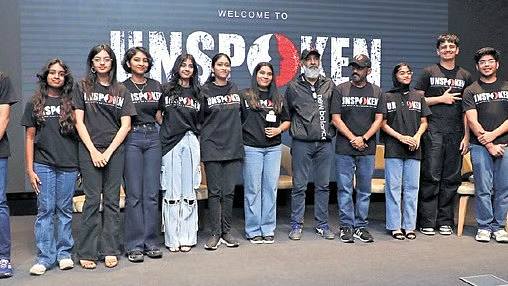
Imaan with the cast and crew of the film(Photo | EPS)
No hero moments: Film tackles ‘Unspoken’ mental health struggles of youth
Another is a boy from a middle-class family in Lucknow who wants to pursue art but faces expectations of conventional masculinity. A young aspiring runner from Assam grapples with the economic realities that make pursuing his ambitions difficult, while a girl at a boarding school struggles with loneliness and parental expectations. Their experiences differ, but their inability to express what they are going through connects them.
Imaan said she wanted the characters to resemble authentic students rather than portrayals of clinical diagnoses. The film does not offer dramatic turning points or easy resolutions to their problems. Instead, it seeks to create a moment of recognition for viewers who may see their own experiences reflected in the characters.
“I do not want there to be a big, dramatic hero moment. I want there to be a small moment of recognition. We need to create an environment where people can speak up and understand what they are going through without having to figure everything out by themselves,” she said.
The idea for the film emerged from observations of her peers and cousins. As she researched the subject further, Imaan said she became increasingly concerned about the stigma surrounding mental health and the social consequences young people often associate with seeking help.
Her work involved both primary and secondary research, including conversations with her parents and a survey of around 750 students on their mental health experiences. Imaan chose filmmaking as a medium because she believes personal stories can make emotional struggles easier to recognise than statistics alone. “Data does not really change behaviour. Stories do. The impact stories can have in driving change is different from a statistic that someone reads once or twice and then forgets,” she said.
Through the school screenings, Imaan hopes to study the impact of storytelling as an intervention within school mental health systems and use the findings to develop a framework for student well-being. Project SAFE brings together the film, discussions and the proposed mental health first-aid programme.
The latter is aimed at helping students and teachers identify signs of distress, understand how to respond and support peers who may be struggling.
source: http://www.newindianexpress.com / The New Indian Express / Home> Karnataka / by Gayathri M Kurup / October 11th, 2026
In a Muslim-majority neighbourhood of Coimbatore, Tamil Nadu, a women-only gym run by trainer and weightlifter Shabana is drawing women from across the area. The facility offers them a rare space to exercise, learn about nutrition and focus on their health.
Shabana said the idea for the gym came from her own struggle with obesity and the absence of fitness centres exclusively for women. “I weighed more than 140 kilograms. We looked for a gym in our area but could not find one exclusively for women. So I found a gym for myself and later became a trainer there,” she said.
Her path was far from simple. She studied only up to Class VII and faced serious health complications at 19, undergoing six or seven operations, including the removal of her gallbladder. “I became isolated from everyone. I stayed at home. My husband supported me throughout,” she recalled.
Although the gym welcomes women from all backgrounds, it has grown especially popular among Muslim women owing to the area’s large Muslim population. The facility operates throughout the day and is staffed exclusively by women.
Members say the gym goes well beyond physical fitness. “When I come here, it is not only about fitness. It is also a way for me to relieve stress. This place feels like a second home,” said one homemaker.
Women also receive guidance on nutrition. “We take care of our husbands and families but rarely take care of our own health. After coming here, we realised there was so much to learn about nutrition,” said another member.
One member lost 13 kilograms after three Caesarean sections, training under careful supervision. She initially kept her gym visits secret from her family, telling them she was going for a walk. After winning first prize in a skipping competition held at the gym, she revealed the truth. “They were all very happy,” she said.
The women exercise wearing hijabs and, in some cases, burqas. Members said the clothing does not prevent them from working out effectively.
Unlike many commercial fitness centres, the gym relies largely on floor-based workouts rather than expensive machines. “Everyone thinks you need machines to lose weight. That is not true. Most exercises can be done through floor workouts,” Shabana said.
Shabana also competes in weightlifting and has participated in the sport for five years. She faced strong opposition when she launched the facility. “People asked me how I could stand here alone from morning until night. But I ignored what they said. We had to move forward and prove ourselves,” she said.
source: http://www.radiancenews.com / Radiance News / Home> Latest News> Markers of Excellence> Personality> Report / by Radiance News Bureau / September 26th, 2026
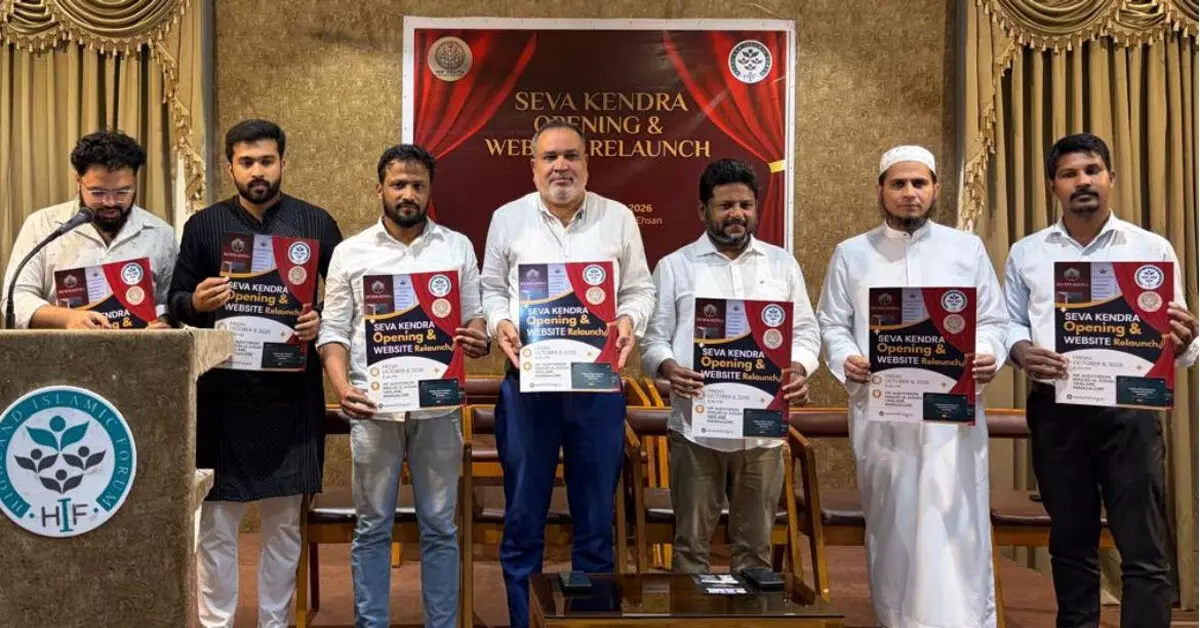
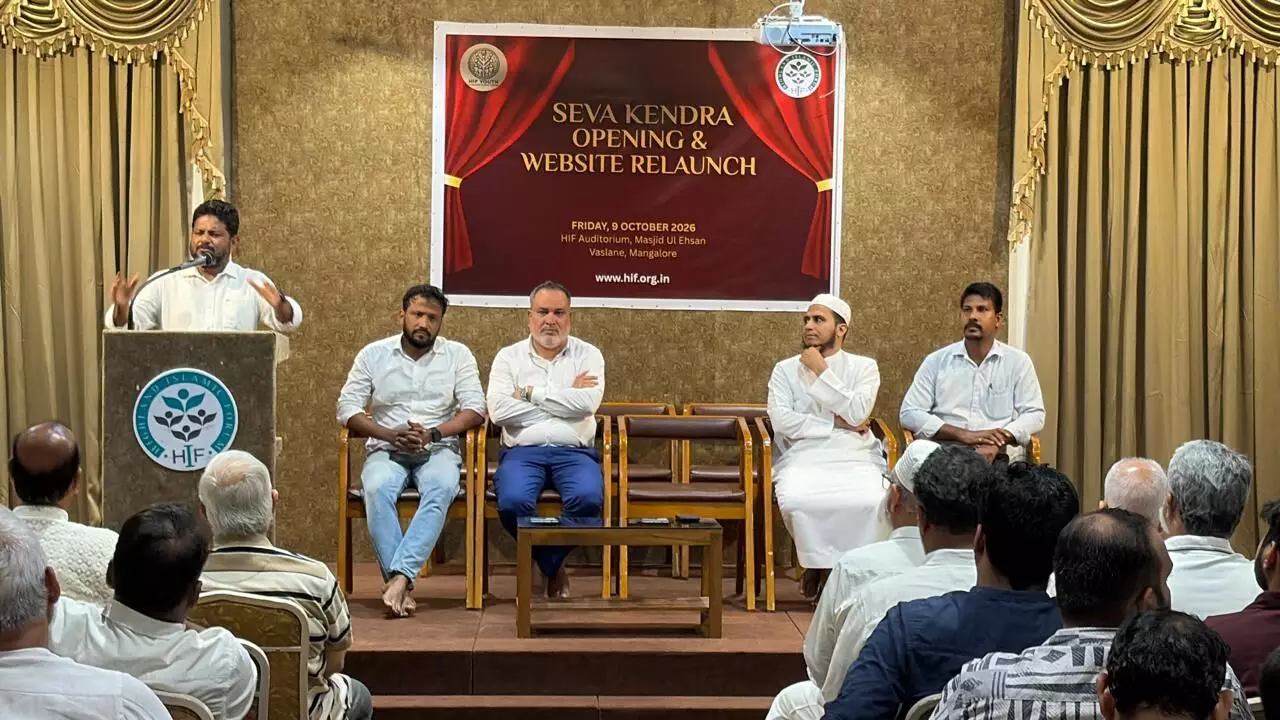
Highland Islamic Forum (HIF INDIA) inaugurated its new Seva Kendra and launched its official website at a programme held at the HIF Auditorium on Friday evening. The programme began with Qirat by Ahil Farooq, followed by an address by chief guest Mohammed Kunhi. Explaining the services offered by the Seva Kendra, Rafil Ahmed said the centre would help people access various government services and welfare schemes. These include assistance with Voter ID, PAN card, Aadhaar updates, Senior Citizen cards, Ayushman cards, scholarships, Gruha Jyothi, Gruha Lakshmi, and income and caste certificates.
People seeking assistance can contact the Seva Kendra at +91 98450 81312. Website to showcase HIF’s charitable work Shaz Rasheed, convenor of the programme, introduced HIF INDIA’s new website, www.hif.org.in, developed by Nexhala Solutions LLP. The website brings together information about the organisation’s various social welfare and charitable initiatives, including house construction for needy families, care for orphans, assistance to masjids, provision of clean drinking water and medical support.
Describing the website as a platform for “Shopping for the Aakhirah”, Shaz Rasheed explained that it would allow people to choose projects they wished to support, understand how their contributions would be used and make donations online. The platform offers multiple payment options, including UPI and bank transfers, and provides receipts for donations. It is available in English, Kannada and Hindi.
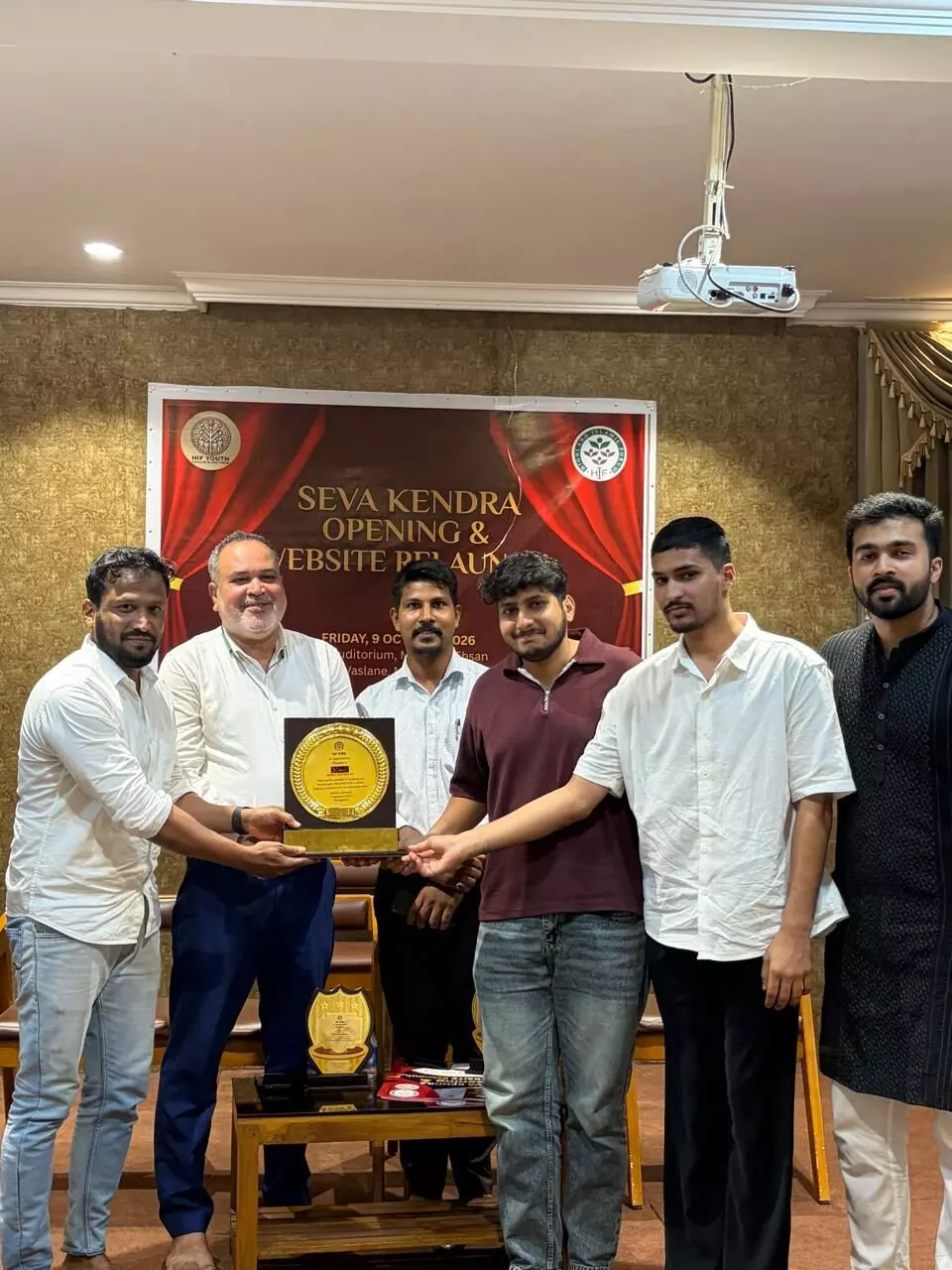
The guests jointly inaugurated the Seva Kendra and launched the website during the programme.
Mementos presented to contributors HIF President Rizwan Pandeshwar, Mr. Nazeer from the Minority Department and Rafeeq Master of Namma Nadu Okkuta also addressed the gathering.
The Khatheeb Ustad of Masjid Ul Ehsan was among those present.
During the event, HIF presented mementos to Namma Nadu Okkuta in recognition of its role in training the Seva Kendra staff, and to Nexhala Solutions LLP for developing the website. A memento was also presented to Mr. Nazeer in appreciation of his guidance and assistance regarding scholarships and other government welfare benefits.
Bilal Raif hosted the programme and delivered the vote of thanks.
source: http://www.english.varthabharati.in / Vartha Bharati / Home> Karavali / by Vartha Bharati / October 10th, 2026
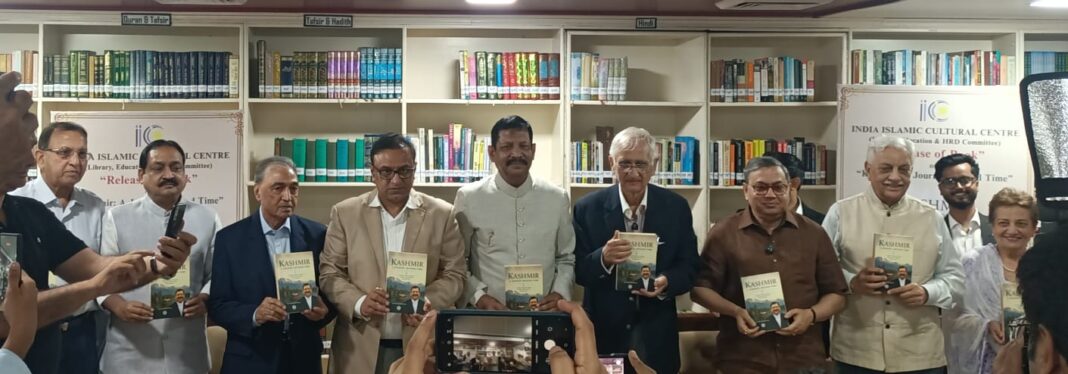
Advocate Irshad Ahmad’s book titled “Kashmir – A Journey Beyond Time” was released at the India Islamic Cultural Centre (IICC) on Wednesday, bringing together former judges, political leaders, legal professionals and public figures who reflected on Kashmir’s history, natural beauty, political developments and the experiences of its people.
Speaking at the book release, Justice Iqbal Ansari, former Chief Justice of the Patna High Court, congratulated Ahmad and urged people to read the book to develop a deeper understanding of Kashmir. Recalling his own visits to the region, Justice Ansari said that Kashmir’s extraordinary natural beauty stood in sharp contrast to the difficult circumstances he witnessed there.
Describing Kashmir as a “tragic place”, he said its people were good and hospitable but had experienced difficult lives. He recalled seeing restrictions and challenging conditions during his visits and said these experiences left him deeply saddened.
Justice Ansari also discussed the historical circumstances surrounding Jammu and Kashmir’s accession to India. Recalling the events following the end of British rule, he said Jammu and Kashmir was a princely state whose ruler, Maharaja Hari Singh, initially sought to maintain an independent position. According to Ansari, the situation changed following the entry of forces from Pakistan into the region, after which the Maharaja sought India’s assistance and signed the Instrument of Accession.
He emphasised that the accession initially related to three subjects, defence, foreign affairs and communications, while Jammu and Kashmir retained substantial autonomy in other areas.
Justice Ansari subsequently turned to the history and constitutional significance of Article 370. He questioned the popular narrative that Sardar Vallabhbhai Patel was unaware of, or opposed to, the provision. According to him, discussions concerning Article 370 took place at Patel’s residence, while a draft letter concerning Sheikh Abdullah was also sent to Patel for approval.
He said Patel subsequently played a role in securing support for the provision within the Congress Working Committee. Justice Ansari argued that Article 370 was conceived as a constitutional mechanism through which the applicability of provisions of the Indian Constitution to Jammu and Kashmir could be determined while preserving the state’s special constitutional position.
He stressed that claims concerning Article 370 and Patel’s role should be assessed in light of historical records rather than simply repeated as established facts. Referring to the subsequent abrogation of Article 370, Justice Ansari said there had been limited opportunity for a dispassionate public discussion about its constitutional and political implications.
He expressed appreciation for Ahmad’s effort to document his journey through Kashmir and said the book could encourage readers to engage more deeply with the region’s history, people and contemporary realities.
Former Union Minister Salman Khurshid also congratulated Ahmad on the publication. He said the book on Kashmir should perhaps have been written much earlier and suggested that greater engagement with the region could have contributed to addressing some of the problems associated with it.
Khurshid referred to the Supreme Court’s judgment concerning Article 370 and noted that Justice Iqbal Ansari had articulated his views on Kashmir and the constitutional provision. He also suggested that a separate book should be written on the Central Bureau of Investigation (CBI) and its significance in India’s constitutional and institutional framework.
Addressing the question of Kashmir’s relationship with the rest of the country, Khurshid said that even if some people believed the situation had improved, sustained efforts were necessary to ensure that the people of Jammu and Kashmir never felt separated from the rest of India.
He emphasised the importance of strengthening relationships with the people of the region and avoiding actions or approaches that could deepen feelings of alienation.
Recalling former Prime Minister Atal Bihari Vajpayee’s formulation of “Kashmiriyat, Insaniyat and Jamhooriyat”, Khurshid described the phrase as an important message associated with Kashmir. He said India should work towards an era in which Kashmir makes a significant contribution to the country’s future and receives the attention and care appropriate to its place as the “crown of India”.
The author, Advocate Irshad Ahmad, described the occasion as a deeply emotional moment, saying he had never imagined that he would become the author of a book. Recalling his journey to Kashmir, he said he had initially travelled there as an ordinary visitor but returned with experiences and impressions that eventually inspired him to write.
Ahmad said the beauty of Dal Lake, mountains, valleys, shikaras and gardens, along with the warmth and hospitality of Kashmir’s people, left a lasting impression on him. These experiences, he said, became the foundation of his book.
He said the central theme of his journey was “Sangharsh”, or struggle, which he described as an integral part of human life and an important source of inspiration and strength. Referring to Winston Churchill’s well-known exhortation to “never give in”, Ahmad said the spirit of perseverance had remained an important part of his own journey through different phases of life, including engineering, politics and public service.
Ahmad said he had already published around 650–700 books and credited the encouragement of friends and well-wishers for motivating him to continue writing. He particularly addressed young people, saying that determination and sustained struggle could help them achieve their objectives irrespective of the profession or field they chose.
He clarified that Kashmir – A Journey Beyond Time was not intended to be a conventional historical work. Instead, he said, it was based on what he personally saw, experienced and felt during his journey through Kashmir. He also indicated that he planned to write another book dealing with Islamic culture and animal cultural history.
Sirajuddin Qureshi, former President of the India Islamic Cultural Centre, congratulated Ahmad for completing the book, particularly because the project had been undertaken quietly and without much public attention. He said the author deserved appreciation for presenting Kashmir in what he considered its proper context rather than attempting to write about the region without experiencing it firsthand.
Qureshi highlighted Kashmir’s natural beauty and recalled its longstanding reputation as a destination comparable to Switzerland. While acknowledging that numerous books had already been written about Kashmir, he said Ahmad’s effort to present the region through his own journey and observations added significance to the work.
Pradeep Rai, President of the Supreme Court Bar Association, also congratulated Ahmad and reflected on the enduring significance of books. He said societies had undergone enormous changes over thousands of years, with rulers, communities and social structures changing, while Kashmir’s mountains, rivers and natural landscape had remained enduring features of the region.
Rai said books had the power to make writers’ names live on through generations because readers continued to remember authors through their works. Referring to his interest in Amir Khusro and writings in which Kashmir has been mentioned, he said successive dynasties and historical developments had shaped the region and its society.
He praised Ahmad for travelling through Kashmir and documenting what he personally witnessed. Rai observed that understanding contemporary Kashmir required a willingness to see the region directly and engage with its people and society.
The book release thus became not merely a literary occasion but a wider discussion about Kashmir’s history, constitutional evolution, social experience, natural beauty and relationship with the wider Indian society. Across their remarks, the speakers emphasised the value of documenting personal experiences and engaging with Kashmir through history, literature and direct human interaction.
source: http://www.indiatomorrow.net / India Tomorrow / Home> News> Society / by India Tomorrow / October 01st, 2026
Rewadha Village (Darbhanga District), BIHAR / Bengaluru, KARNATAKA :
Ahmad’s success is an inspiring example of how determination and hard work enable individuals from modest backgrounds to contribute to some of the world’s most advanced technological endeavours
New Delhi :
Imtiyaz Ahmad, hailing from a small village of Rewadha in Bihar’s Darbhanga district, has added another milestone to his distinguished career at the Indian Space Research Organisation (ISRO) by serving as Project Director of the EOS-05 mission, India’s first dedicated geo-imaging satellite mission.
The EOS-05 satellite was successfully launched on 4 September aboard the GSLV-F17 rocket from the Satish Dhawan Space Centre in Sriharikota. Operating from a geosynchronous orbit approximately 36,000 kilometres above Earth, the satellite is designed to provide continuous observation of specific regions without the interruptions associated with low Earth orbit satellites.
As Project Director, Ahmad played a key role in overseeing the mission. News of the successful launch sparked celebrations in his native village and across the Mithila region, where residents expressed pride in one of their own reaching the highest levels of India’s space programme.
Addressing the gathering after the launch, Ahmad praised the efforts of ISRO’s scientists, engineers, technicians and support staff, describing them as the true heroes behind the mission. He also acknowledged the contribution of families whose support enables scientists to devote themselves to such demanding projects.
Born into a modest family, Ahmad is the only brother among four sisters. His father, Mohammad Qamar Alam, a retired serviceman, recalls his son’s childhood fascination with rockets and aircraft. According to family members, Ahmad would often spend long hours watching rockets cross the sky and dreamed from an early age of working in the space sector.
Ahmad completed his early education in Rewadha village before studying at Darbhanga District School and Patna Science College. He later earned a degree in Electronics and Communication Engineering from BIT Sindri, Dhanbad, before moving to Bengaluru and beginning his professional journey in space research.
He joined ISRO in 1998 and has since worked on several major space programmes. Before EOS-05, he served as Satellite and Project Director for the INSAT-3DS mission and was also associated with GSAT-20 and GSAT-2 in leadership roles.
EOS-05 represents a significant technological achievement for ISRO. Weighing 2,367 kilograms, it is the heaviest satellite ever launched aboard a GSLV rocket. The satellite will provide near real-time imaging and data for applications including agriculture, environmental monitoring and disaster management.
The mission has already completed its first major orbital manoeuvre successfully, with the satellite’s propulsion system raising its orbit significantly as part of a series of planned operations before it reaches its final geostationary position nearly 35,786 kilometres above Earth.
For Bihar and particularly the Mithila region, Ahmad’s success is being celebrated as an inspiring example of how determination, scientific curiosity and hard work can enable individuals from modest backgrounds to contribute to some of the world’s most advanced technological endeavours.
source: http://www.clarionindia.net / Clarion India / Home> Editor’s Pick> India> Indian Muslims / by Team Clarion / September 08th, 2026
Aarian Zeeshan Ahmed of Rangia in Assam’s Kamrup district has brought pride to the state after receiving special recognition from NASA for discovering two new asteroids.
But Aarian’s interest in space research does not end with asteroid discovery. He is currently working with his friend and colleague, Tanfa Yakin Nur, on applying machine learning and artificial intelligence models to study the solar cycle (Helio-Cycle) and solar storms (Helio-Solar Storms).
The research is being conducted independently, without affiliation to any institution.
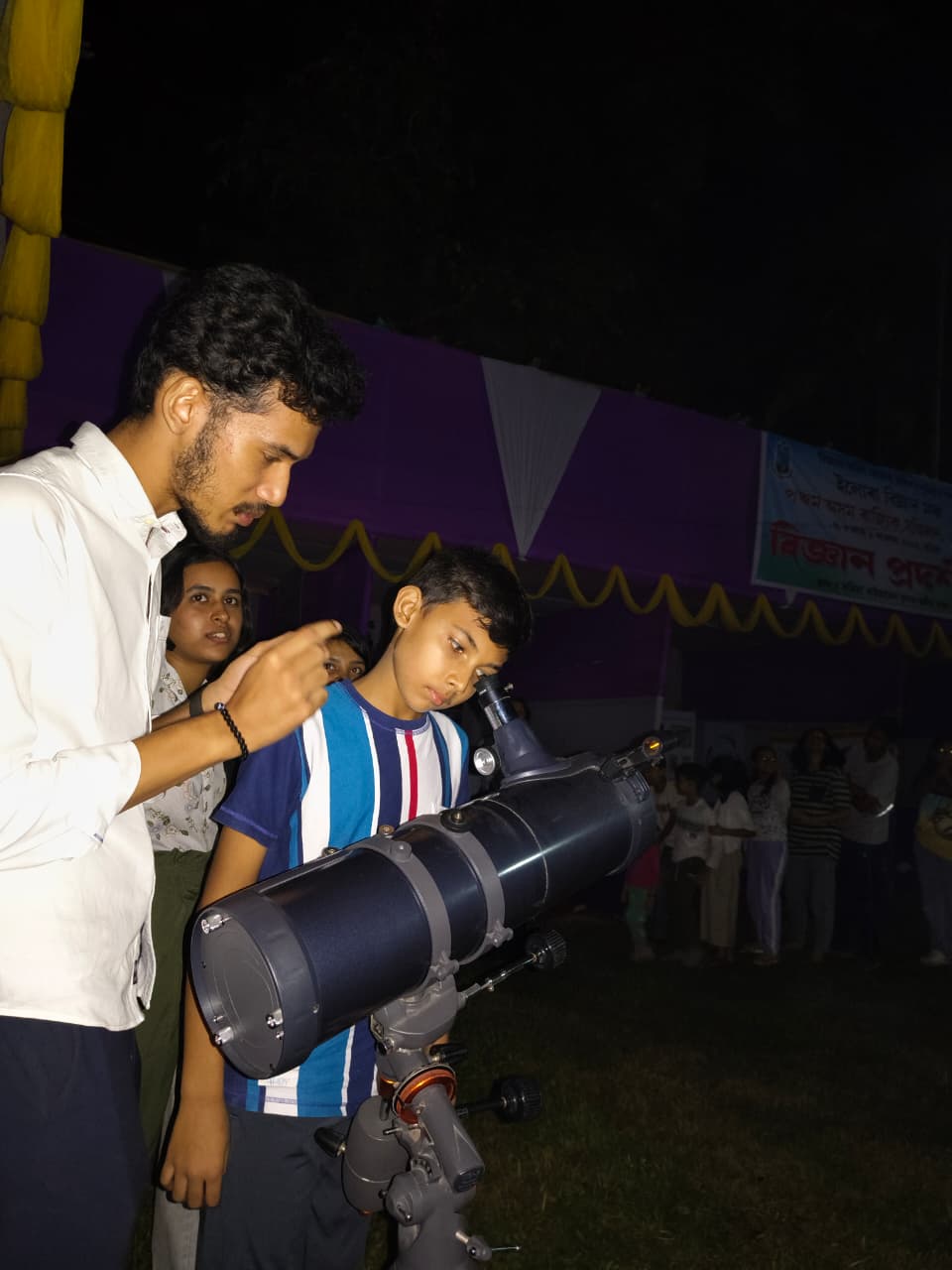
Aarian Zeeshan Ahmed helps a child with his telescope
According to Aarian, “This project uses advanced technologies to understand the Sun and its impact on Earth. Our objective is to develop an advanced ‘Make in India’ system capable of forecasting space weather by using data from Indian solar observatories.”
Earlier, Aarian had participated in a special project of the International Astronomical Search Collaboration, through which he conducted the research that led to the discovery of the two asteroids. NASA has since formally recognised his efforts.
The International Astronomical Search Collaboration has provisionally designated the asteroids as 2024 VE8 and 2024 VC23. On December 17, NASA contacted Aarian and formally recognised his discoveries.
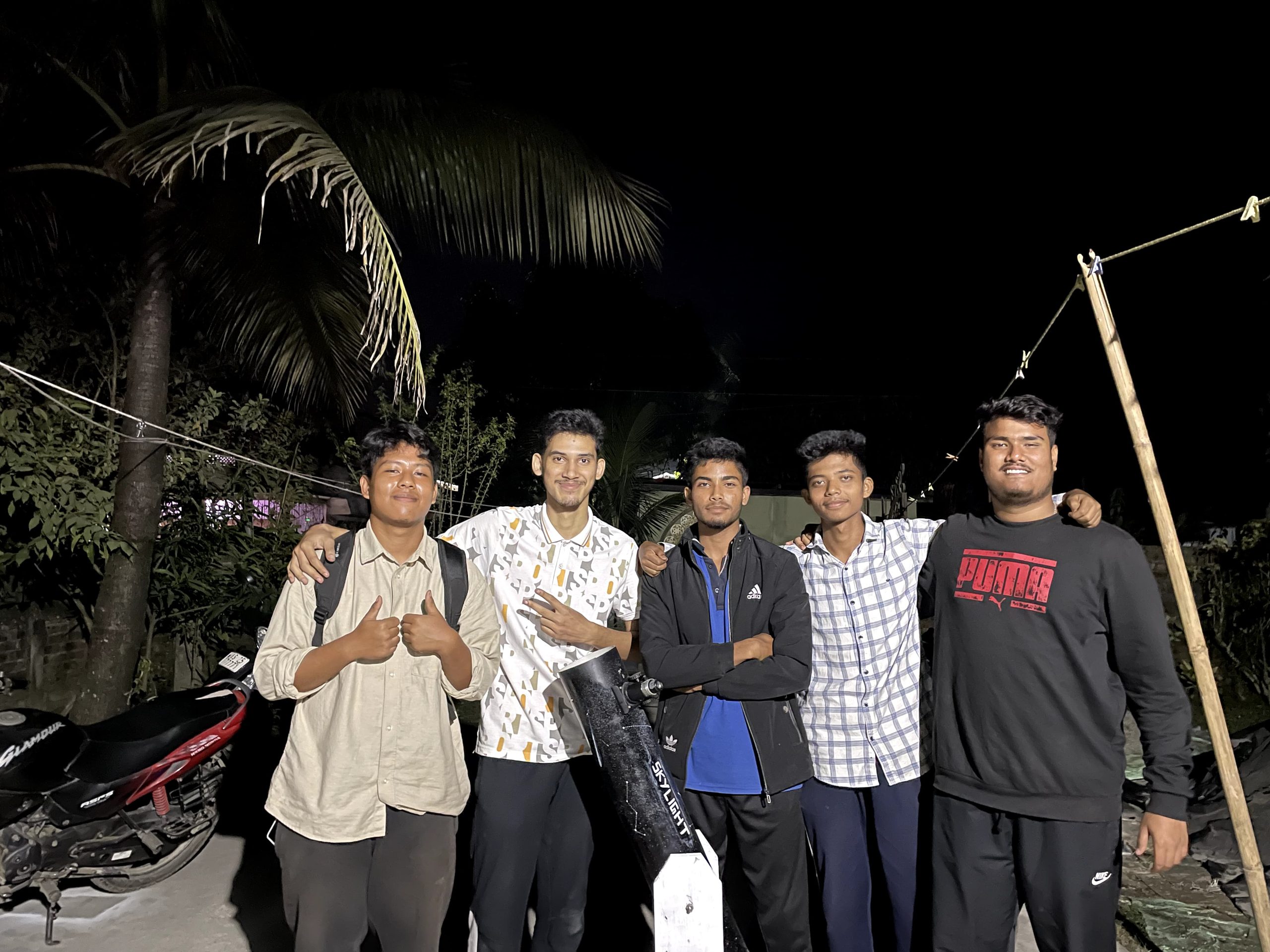
Aarian Zeeshan Ahmed with friends
NASA is now conducting an extensive study of the characteristics of the two asteroids, a process expected to take at least a year. Once the research is completed, Aarian will have the rare opportunity to give the two asteroids their final names.
A resident of Ward No. 3 in Rangia town, Aarian is the son of Mirajul Islam, principal of Jayantipur Yogeshwar Vidyapith Higher Secondary School, and Ruma Nazrin. He completed his primary and higher secondary education with distinction at Fatima Convent School in Rangia.
He is currently pursuing the first semester of a B.Tech in Computer Science and Engineering at the University of Science and Technology Meghalaya (USTM).
In an exclusive interview with Awaz – The Voice, Aarian spoke about his fascination with astronomy.
“I have been fascinated by astronomy and the movements of celestial bodies since childhood. I experience immense joy whenever I look at the sky, and I read many books on astronomy,” he said.
Aarian began developing a deeper interest in space science in Class VIII. While studying in Class XI, he bought his first telescope. He now owns two powerful telescopes and regularly observes the night sky from the rooftop of his home.
In 2024, he submitted his research as part of the special opportunity offered by NASA to young researchers. Following a year-long observation period, his work received the recognition.
Aarian dreams of joining the Indian Space Research Organisation (ISRO) and serving the country. He has already begun preparing for his goal.
His father, Mirajul Islam, said: “It is truly a matter of pride that a boy from an ordinary family like ours, from a small place like Rangia, has achieved such a major success. I hope people will bless him so that he can establish himself as a successful astronomer in the future.”
source: http://www.awazthevoice.in / Awaz, The Voice / Home> Mizan / by Ariful Islam / September 21st, 2026
Sarah Mehmood began as a reader. Today she writes fiction rooted in the lives of young Indian Muslims.
She found an online platform where young writers worldwide published novels chapter by chapter. She noticed a gap. Muslim fiction set in India, especially about young Muslim women, was hard to find.
“I stumbled upon writing by chance,” she recalls.
Curiosity became a wish to write the missing stories. She wanted authentic, positive representation and relatable characters for young women.
Her characters dress modestly, stay devoted to their Creator and hold ambitions for their futures. They follow their faith without being defined by it alone. They also face a universal tension between who society expects them to be and who they want to become.
This tension drives her book ‘Bowled Over by the Broken’. Sarah wrote it after readers dismissed events in novels as things found only in stories. She wanted to prove otherwise.
She drew on experiences familiar to many young South Asian women. Some hear taunts about a brown complexion. Others face pressure to marry soon after finishing their education. Some hear the assumption compatibility will grow after the wedding.
Sarah refuses to treat the wedding as the finish line. “Most stories end at the wedding,” she says. “In this book, the most eventful part begins after it.”
Her three self-published books share one idea. Faith and dreams belong together. “You do not have to abandon your religion while seeking to accomplish your dreams,” she says.
Sarah works as an Assistant Professor with a background in Food Science and Nutrition. Her training teaches her to question, analyse and look beyond the obvious.
She balances teaching, research and writing. Writing helps her cope with the load. “On days when I think I’m too busy for anything apart from work,” she says, “those happen to be the same days when I find myself scrambling to pen down my thoughts as a means of destressing.” She sums it up in one line: “Painters paint, bakers bake, and writers write.”
Her path from online reader to self-published author and academic followed no fixed plan. It began when she noticed a gap and decided to fill it. Her stories ask young Muslim women to keep their identity whole. They leave room for dreams alongside devotion and ambition alongside values.
Tamil Nadu Chief Minister Vijay has announced that squash players Joshna Chinappa and Shameena Riaz will each receive an incentive of ₹30 lakh for winning a bronze medal at the Asian Games.
The 2026 Asian Games began on September 19 in the Aichi-Nagoya region of Japan and are currently underway.
The Indian women`s squash team won the bronze medal at the Asian Games. In the competition, Tanvi Khanna won 3-1, while Anahat Singh and Shameena Riaz lost 2-3, and Joshna Chinappa lost 0-3 against the Chinese players.
Joshna Chinappa and Shameena Riaz, both from Tamil Nadu, were part of the team that won India`s 61st medal at the Asian Games.
Congratulating the Indian team and the Tamil Nadu players, Chief Minister Vijay said that the Indian team had won the bronze medal in the women`s squash team event at the 20th Asian Games being held in Japan.
He also congratulated Joshna Chinappa and Shameena Riaz and announced that the Tamil Nadu government would provide an incentive of ₹30 lakh each in recognition of their achievement.
The Chief Minister said that their success, achieved through their talent, confidence and perseverance, had further strengthened Tamil Nadu`s sporting achievements. He also said that their victory would inspire young people and women who aspire to achieve success.
He extended his wishes to both players for achieving many more victories in the future and bringing greater recognition to Tamil Nadu and India on the world stage.
source: http://www.livechennai.com / Live Chennai / Home / October 01st, 2026
The two-day conference concludes with a renewed emphasis on education, character building, responsible teaching, women’s empowerment and collective community responsibility
Bhopal :
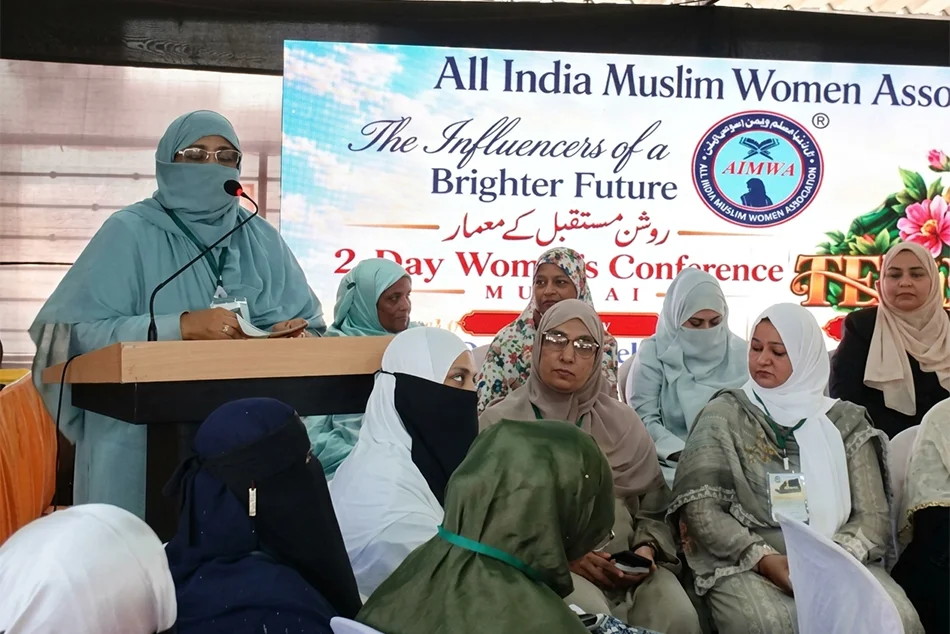
Women teachers and educationists from different parts of India deliberated on education, character building, emotional well-being, women’s empowerment and the challenges facing the next generation at a conference in Mumbai recently.
According to a Press release issued by All India Muslim Women Association (AIMWA), the two-day conference (September 26-27) concluded with a renewed emphasis on education, character building, responsible teaching, women’s empowerment and collective community responsibility.
The gathering brought together participants from different backgrounds and regions and provided a platform for meaningful discussion on strengthening education, supporting teachers, empowering women and preparing the younger generation for the future.
The conference was organised around the broader message that teachers are influencers of a brighter future, with education, character building and value-based upbringing at the centre of the discussions.
The need for a Milli Educational Policy and an All India Muslim Education Board was also highlighted as part of efforts to address educational challenges.
The conference ended with a call for sustained educational efforts and greater collective responsibility towards building stronger communities and brighter generations.
The first day was dedicated exclusively to teachers and witnessed the participation of more than 600 teachers and educationists from different parts of the country. Delegates attended from Delhi, Hyderabad, Bengaluru, Mumbai, Nagpur, Bhiwandi, Kolkata, Midnapore, Nellore, Pune, Bhopal and several other parts of the country. The conference focused on the changing educational environment and the expanding responsibilities of teachers in shaping children, families and society.
The conference began with Mrs Waheeda Sayyid, Convener, and Adv Farhana Shah, who welcomed the participants and explained the objectives of the conference.
Mrs Waheeda Sayyid told the delegates that every person present was an asset to the community and that their participation was a sign that they had been chosen for an important service to the community.
She emphasised that teaching is not merely a job or profession, but can be an act of worship, as teachers impact lives and influence children in shaping a brighter future. She encouraged the participants to recognise the responsibility that comes with the teaching profession and to contribute meaningfully to the community.
Character Before Curriculum
The conference then moved to an educative session by Mrs Sobia Lule, a prominent educationist from Pune, who spoke about the role and responsibility of teachers.
Mrs Lule highlighted the importance of continuously improving and updating professional knowledge. She discussed the changing role of teachers and the challenges faced by teachers, students and parents. She covered workload and management, emotional and mental stress among educators and the importance of maintaining loyalty towards educational institutions.
The need to protect children from exploitation and harassment was also emphasised, along with the importance of learning from past mistakes and continuously improving educational practices.
Presidential Address
The conference was presided over by Dr Asma Zehra, President of the AIMWA, who stressed that education has the power to change the future of generations.
In her address, Dr Zehra said that the responsibility of teachers extends far beyond the classroom. Teachers play a crucial role in shaping the character, confidence, values and future outlook of children.
She observed that the Muslim community is presently at a crossroads, with a significant percentage of youth facing illiteracy and the community confronting challenges related to the availability of primary and higher schools, shortage of qualified and trained teachers, inadequate infrastructure and changing government policies.
She emphasised that a huge responsibility rests on the educational class and intellectuals. Teachers, principals, management and educators must work in coordination and cooperation with parents and society to bring children into schools and ensure quality and standard education. She highlighted several concerns facing the educational sector, she stated.
Dr Zehra also laid emphasis on “Education for All”, along with various schemes and initiatives intended to increase enrolment and reduce dropout rates. She also highlighted concerns over increasing educational backwardness, illiteracy, poverty, economic difficulties and marginalisation within the Muslim community.
Working Muslim Women’s Challenges
The discussions also touched upon challenges faced by Muslim women at workplaces, particularly in relation to observing hijab and cultural identity.
Participants discussed the difficulties created by cultural and social pressures and emphasised the need to unite and seek practical solutions to these challenges.
The speakers observed that education has, in many areas, moved from being viewed primarily as a service sector towards a more commercial and business-oriented field, creating additional challenges for poor and marginalised sections seeking access to education.
Panel Discussion
A panel discussion brought together more than 25 educationists, teachers and principals to deliberate on the role of teachers and the challenges facing the education sector.
The panel discussed the importance of professional development and continuously updating teachers’ knowledge and skills. It also examined challenges faced by children, students and parents, including workload, management-related pressures and emotional and mental stress.
Connecting with the New Generation
Mrs Mamdooha Majid, Vice President, AIMWA, spoke about the importance of connecting with the new generation. She emphasised that age is not a barrier and that passion and commitment to meaningful community service matter the most.
She encouraged teachers to take responsibility for their respective localities and to serve their communities. She also highlighted the role of teachers in impacting lives and influencing children to build a brighter future.
The second day of the conference was divided into dedicated sessions for girls and women. The morning session was exclusively for girls, with more than 500 girls participating. The discussions focused on issues relevant to young women, including: Education, identity and purpose, character development, emotional well-being, responsible use of social media, confidence-building, and preparation for future roles in society
The session encouraged girls to develop confidence, character and a sense of responsibility while preparing themselves for meaningful roles in their families and society.
A panel discussion on “Challenges Our Youth Face Today” further provided an opportunity for young participants to reflect on contemporary challenges and discuss possible responses.
The discussions addressed parenting, social media etiquette, mental health solutions in Islam, family responsibilities, and the role of women in education and social reform.
The session also highlighted AIMWA’s programmes and its efforts towards women’s empowerment and community development.
source: http://www.clarionindia.net / Clarion India / Home> Editor’s Pick>India / by Parvez Bari / October 07th, 2026