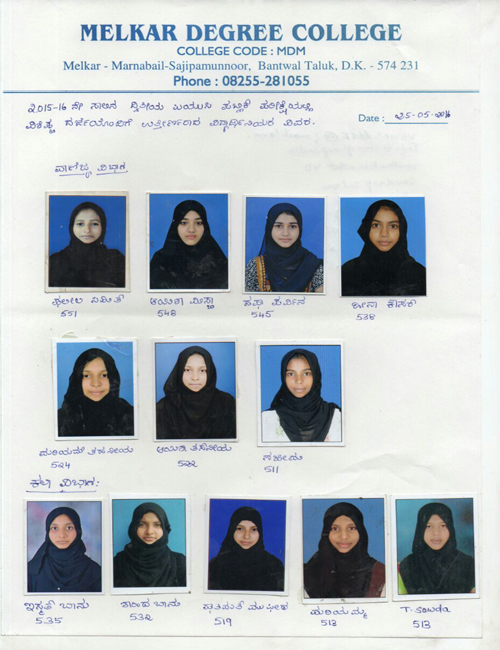
Melkar Women’s PU College, Sajipa Munnur in Bantwal taluk has bagged 100 percent pass results in the Commerce stream in II PUC for the third consecutive year.
According to a press release, the college had bagged an overall pass percentage of 98 percent in II PUC examination.
Shalima K P topped the college with a total of 556 out of 600 marks in Arts stream, followed by Himayattunnisa with a total of 543 marks in Commerce stream.
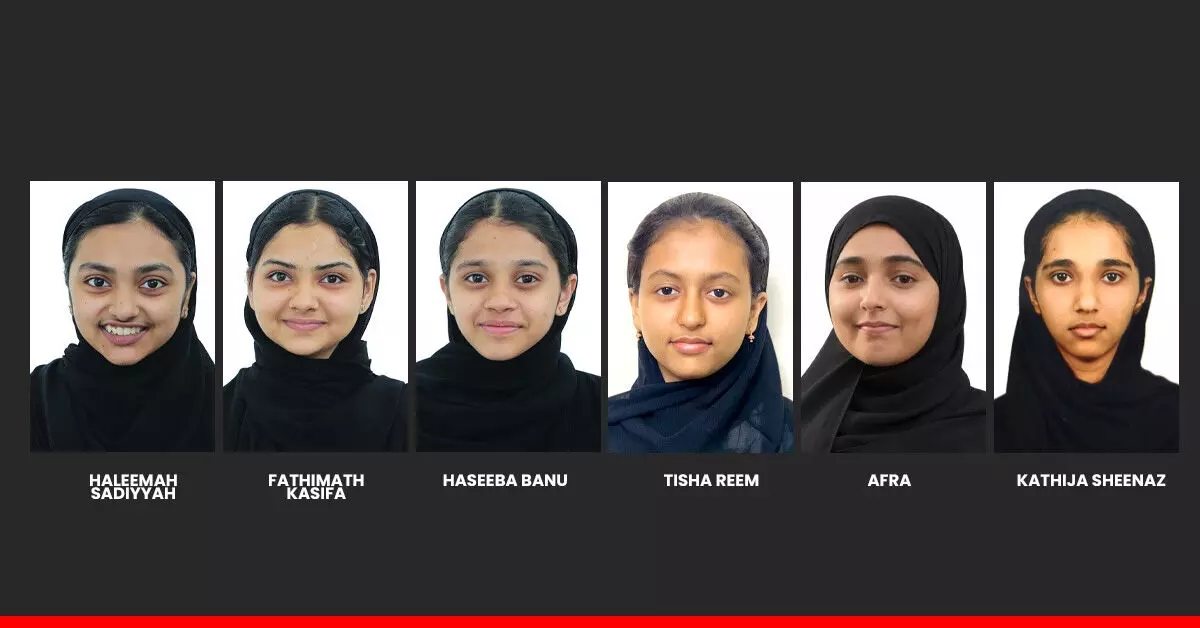
Naseeba (533), Aaminamma (533), Ramlath (527), Hafeeza (526), Fathimath Zohara (523), Haleema Sadiya (519), Ramzeeya (516), Thazeema Banu (511), Shafeeka (511), Katheejathul Kubura (510), Rabiyathul Nishyan(510) are other toppers in the college.
“A total of 133 students had appeared for the II PUC examination for the academic year 2014-15. Out of which 13 students passed with distinction while 87 students have passed with first class and 29 students have passed with second class,” said chairman of the institution S M Rasheed Haji in the press release.
source: http://www.daijiworld.com / DaijiWorld / Home> Karnataka / by Media Release / August 26th, 2016
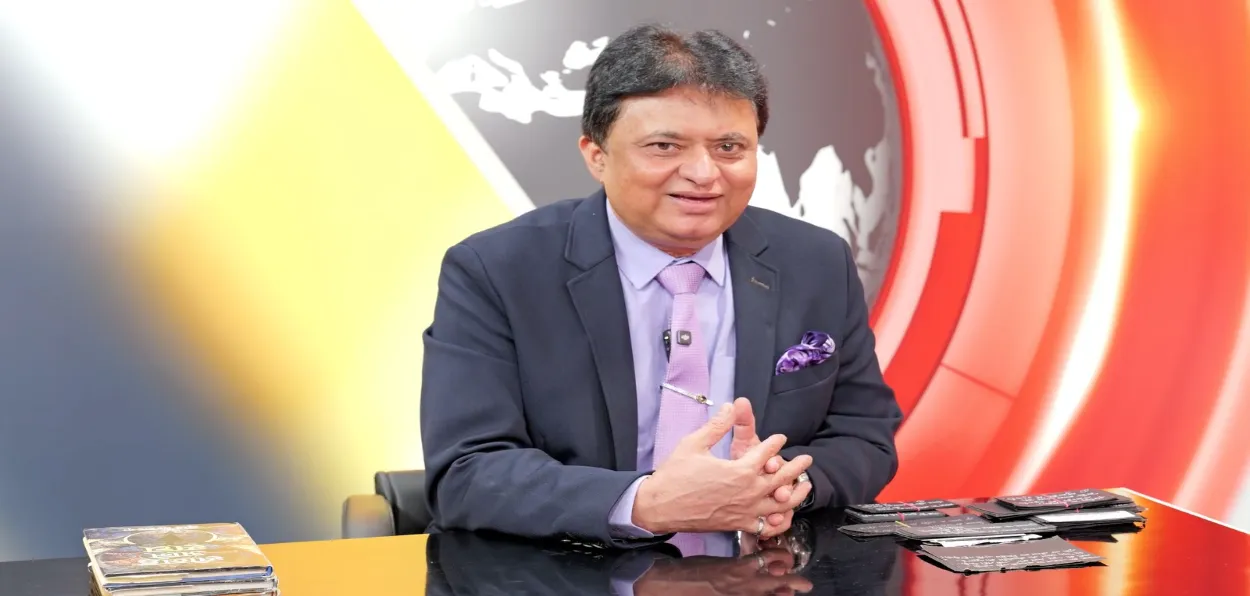
The thought of joining the Indian Navy never occurred to a young Khurram Shahzad Noor while he was growing up in a village of Western Uttar Pradesh.
It was a meeting with a colonel while he was attending a tuition class. The Army officer encouraged him to consider a career in the armed forces. Today, after retiring from the Indian Navy at the rank of Rear Admiral, a fairly senior leadership position, he remembers the encounter with the stranger who changed his life.
Today, he has a distinguished career in the Indian Navy behind him and is active as a poet, writer, and motivational speaker. His life demonstrates that a person need not have to choose between discipline and imagination, or public service and passion. Both can coexist and enrich life.
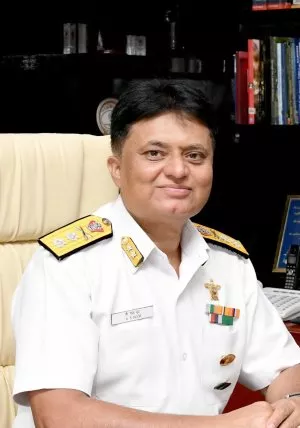
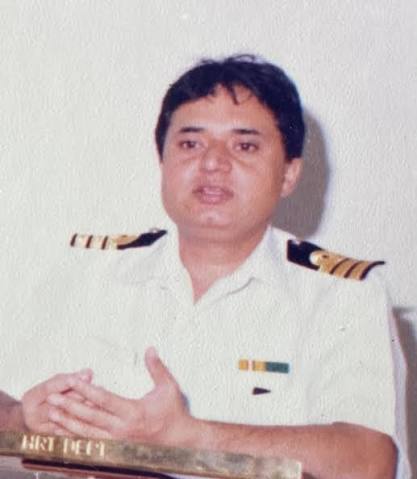
Though the armed forces do not believe in flaunting the religious identities of the officers and men, Dr Rear Admiral (retd) Khuram Shahzad Noor is the first Muslim to reach such a top position in the Indian Navy.
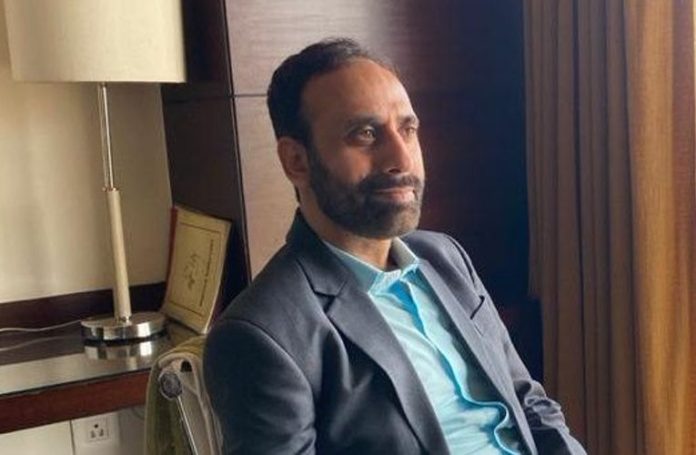
Rear Admiral Khurram Shahzad Noor
Born into a family with roots in the village of Nagina, Bijnor, Noor’s childhood did not suggest the extraordinary career that lay ahead. Born prematurely at around seven months, he was physically weaker than many children of his age. He took longer to learn to walk and found ordinary sporting activities demanding. Running for a short distance could leave him exhausted.
For a child growing up with such limitations, the prospect of joining the armed forces might have appeared distant. Yet those early difficulties eventually became a source of strength. Rather than allowing physical limitations to define his future, Noor chose to challenge them.
The road ahead required discipline, education and perseverance. Noor eventually joined the Indian Navy and went on to serve the country for approximately 35 years. His professional journey was closely associated with technology, education and training. He developed expertise in anti-submarine warfare, a specialised field that requires precision, patience and the ability to understand complex underwater operations.
Reflecting on his professional responsibilities, Noor says, “I teach anti-submarine warfare, where I look after the training of Navy officers.” The statement offers a glimpse into another important aspect of his career: preparing the next generation of naval officers for the responsibilities that come with serving at sea.
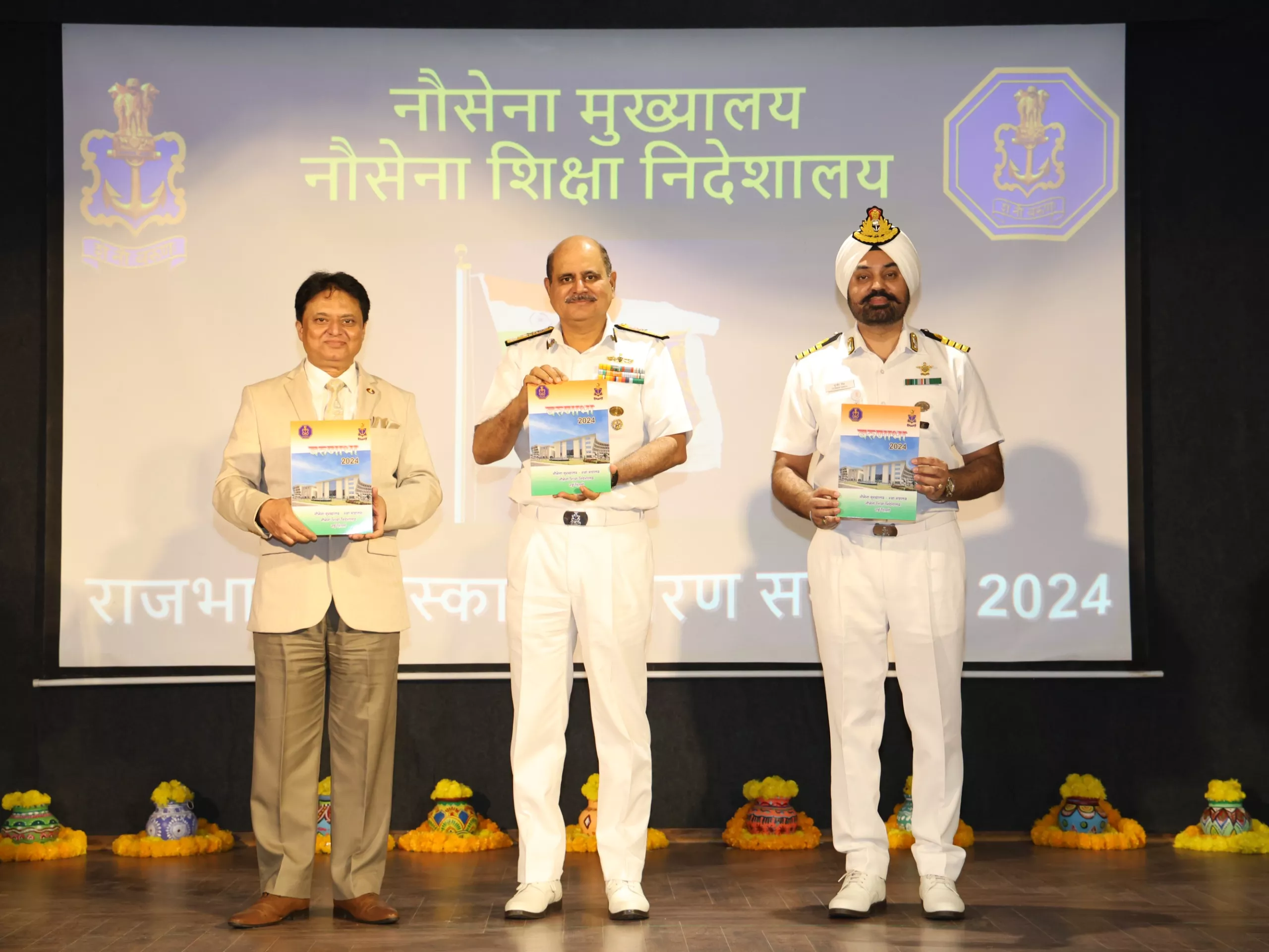
Rear Admiral Khurram Shahzad Noor at an event
Submarine warfare is a highly specialised domain in which knowledge, technology, judgment and teamwork have to work together. Noor’s role as an instructor placed him not merely in the position of an experienced officer but also that of a mentor responsible for transferring knowledge to those who would eventually shoulder the nation’s maritime responsibilities.
Speaking about the Navy’s role during Operation Sindoor, Noor explained that naval operations have a distinct character. “The role of the Navy in wars is very specific. We do not come out in the open until it’s a full-fledged war declared,” he said.
For Noor, the Navy’s contribution is not limited to moments when ships are deployed in direct combat. He highlights the less visible but equally significant role of maritime engagement.
“The Navy does a lot of Sea Diplomacy, which no other armed forces get to do. This is a positive part that the Navy contributes to,” he said. “Sea diplomacy allows a country’s naval presence to serve strategic and diplomatic purposes during peacetime. Through maritime cooperation, international engagements and interaction with other nations, naval forces can help strengthen relationships while simultaneously protecting national interests”, Noor added.
Noor also explained the distinction between the Navy’s role during a declared war and its responsibilities at other times. “When it’s a properly declared war, we cut lines and follow orders at sea. Otherwise we are never in attack mode, but in support of what is going on the borders, to make things easy for the army,” he said.
His observations underline the coordinated nature of India’s defence structure. Different branches of the armed forces have distinct responsibilities, but their larger objective remains common, safeguarding the country and supporting one another when circumstances demand it.
Recalling tough days during his training, a young cadet ran away from the academy. Five days later, the boy returned with a letter from his father. The letter said the boy had two choices – face his father’s wrath at home or return to the Naval forces.
Recalling the incident with a laugh, Noor said the young cadet chose to return to the academy.
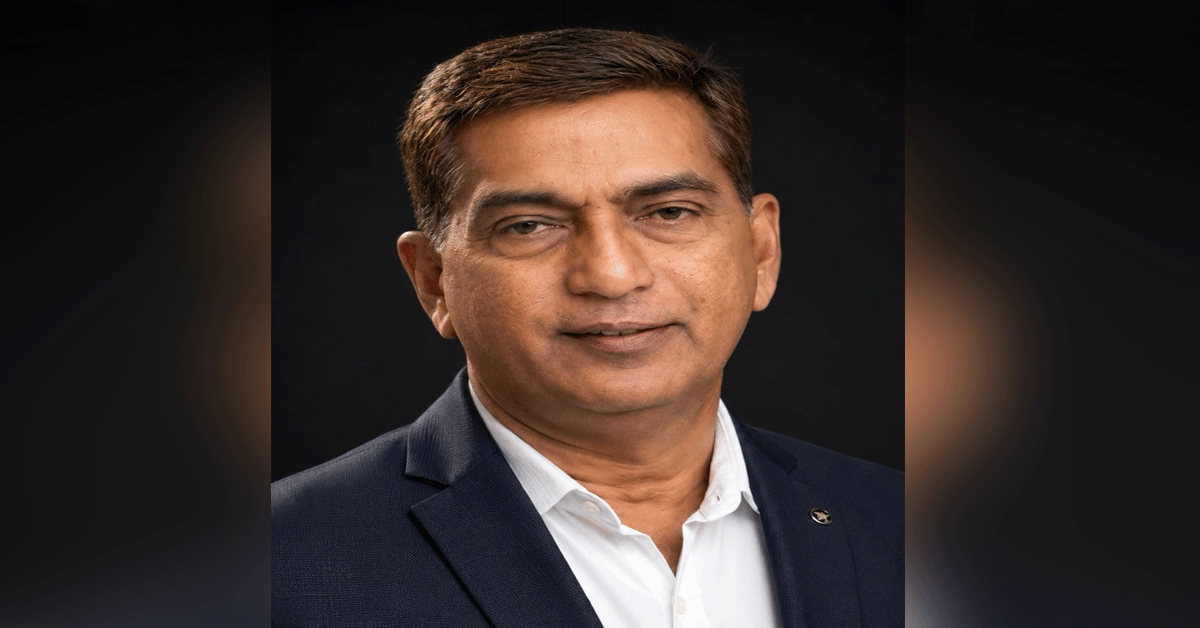
Rear Admiral Khurram Shahzad Noor
Yet behind the uniform and military responsibilities was another personality, one connected with words. “I deeply believe in languages”, Noor shared.
Noor’s love for poetry did not disappear amid the demands of naval life. Instead, literature became another way through which he could explore human emotions, relationships and society. The contrast is striking: a professional trained to listen for faint signals beneath the sea also became a poet attentive to the quieter signals of the human heart.
His creative interests extend beyond poetry. He has also explored short filmmaking and storytelling, using creative expression to examine human relationships and social themes. These pursuits reveal a personality that refuses to be confined to a single professional identity.
Noor’s life challenges the assumption that a person’s early circumstances determine the limits of his future. The child who struggled to keep pace on a football field eventually spent decades undertaking demanding naval responsibilities. The officer associated with submarine warfare also became a teacher and mentor. The military professional developed into an educator, poet and communicator.
source: http://www.awazthevoice.in / Awaz, The Voice / Home> Stories / by Vidhush Gaur, New Delhi / August 23rd, 2026
The Kanara Industries Association (KIA) elected its new office-bearers for 2026-27 at its 46th Annual General Body Meeting held at the C. N. Shetty Convention Hall, Baikampady, on September 30.
B. A. Iqbal was elected as the President, while Ramachandra was elected Vice President.
Roshan Baliga B. will serve as the Secretary, with Suresh B. Karkera as Joint Secretary and Sundar B. as Treasurer.
The meeting was attended by members of the association.
source: http://www.english.varthabharati.in / Vartha Bharati / Home> Karavali / by Vartha Bharati / October 01st, 2026
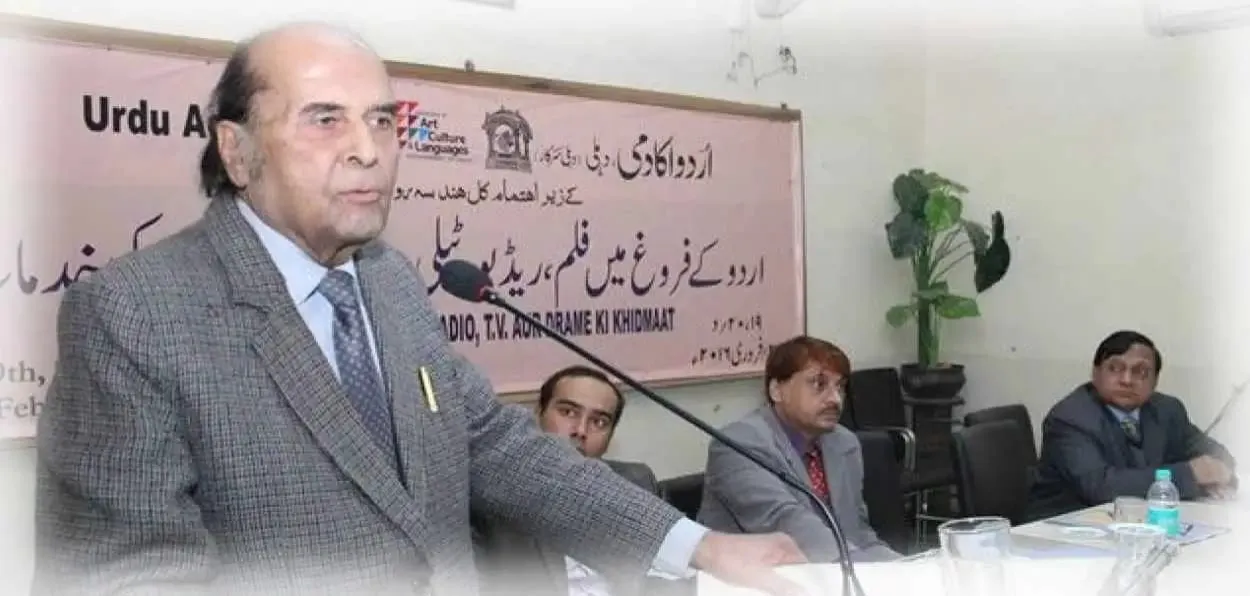
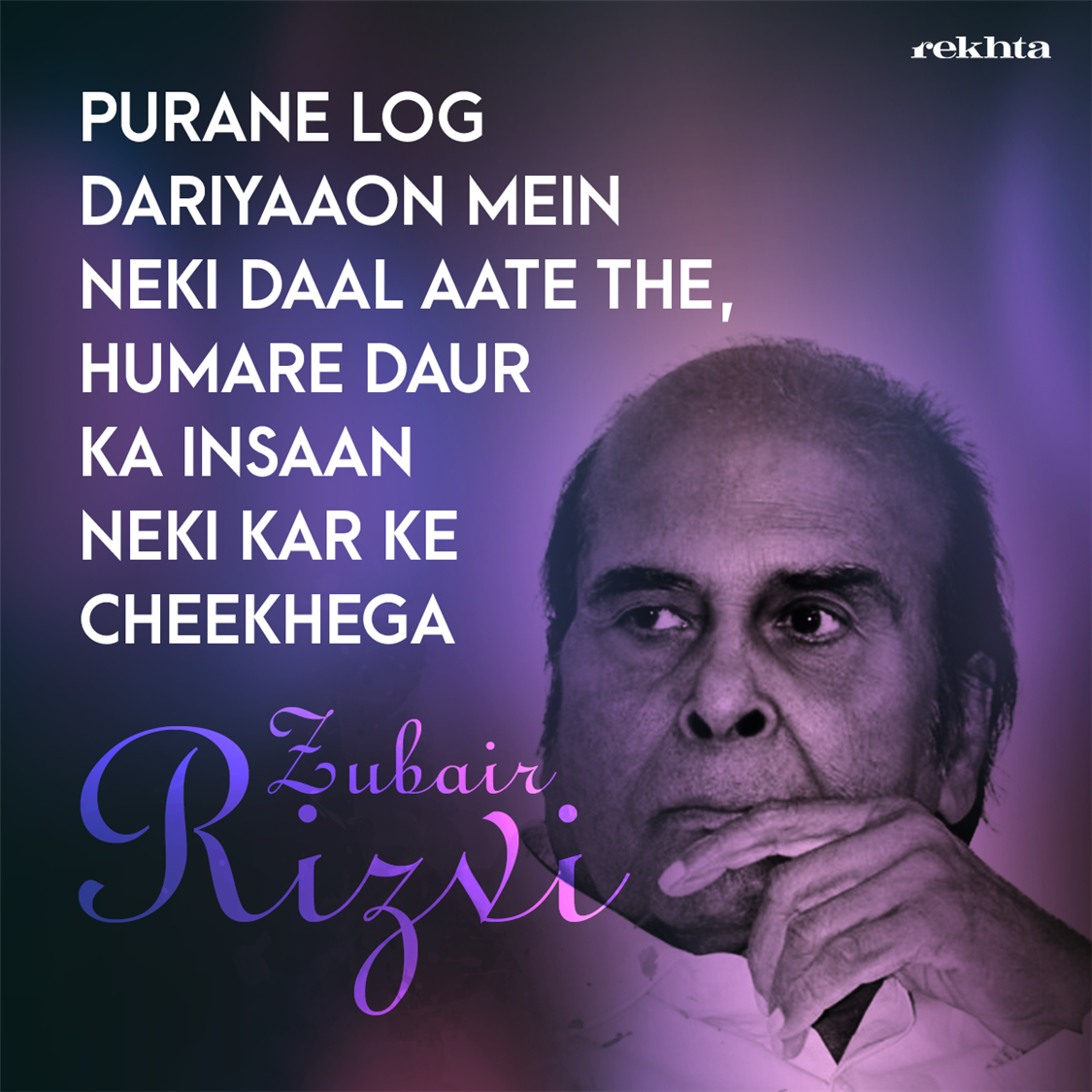
Zubair Rizvi speaking at a function of Urdu Academy
It was February 21, 2016. A seminar on Urdu was in progress in the Qamar Rais Hall of Delhi Urdu Academy of Delhi. The president of the Urdu Academy Zubair Rizvi rose to speak. He apologized for becoming emotional and said it was difficult for him to speak. Zubair Rizvi had been heading the Academy for 30 years and the audiences too it as the idiosyncrasy of a reputed poet. He left his speech midway and walked slowly to his chair and sat down in it. Rakim Numan, the chief guest, who was seated close to him found him feeling uneasy. He rose and rushed towards Zubair’s seat. Before he could pour water from his bottle to the doyen of Urdu litterateur, he had collapsed.
Majid Deobandi, vice chairman of the Academy immediately ran towards Zubair. People lifted him and rushed him to the hospital. A few minutes later Zubair Rizvi was declared dead.
The gem of a litterateur from Amroha, Uttar Pradesh, died working till his last breath and amidst fans and admirers. He was laid to rest the same day in his ancestral cemetery in Amroha.
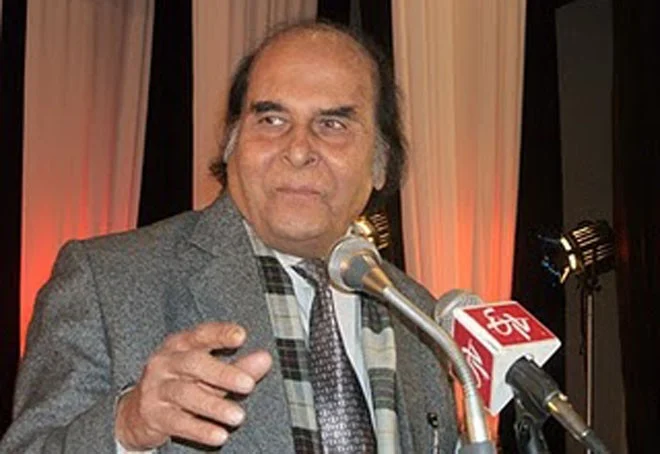
Zubair Rizvi
Zubair Rizvi was a writer par excellence. He was also the best scholar with an awakened consciousness about the literary heritage of Urdu. As a popular poet, he enjoyed adulation and cherished admirers. He made his mark as a successful poet in mushairas all over the world including India Pakistan, Canada, etc., and introduced a new tone to contemporary poetry. He was also a successful broadcaster and a staunch intellectual critic. During his days with the All India Radio, he was posted as Station Director of the Rampur station for some time.
One of his famous poems, Yeh Hai Mera Hindustan, which he read with gusto at many a Mushaira, not only gained great popularity among Urdu lovers but was also included in many textbooks.
Zubair Rizvi was born on April 15, 1935, in a scholarly family in Amroha, Uttar Pradesh; the atmosphere in his family was filled with religious and spiritual fragrances. His father Muhammad Rizvi and his mother Fahmida Rizvi were famous religious and scholarly figures.
A distinguished poet, Zubair donned many hats in his prismatic career: Broadcaster; Secretary, Urdu academy; Lecturer, Mass communication; Jury for AIR, Writer, and Magazine composer.
He began his career at the famed Hamdard Dawa-Khana, followed by a position as an interviewer, scriptwriter, and interviewer at AlR, Delhi where he interviewed celebrities such as Amitabh Bachchan, Dharmendra, Lata Mangeshkar, and Dilip Kumar.
He rose to the position of Director of Sports at AIR.
A sher of Zubair Rizvi
A postgraduate of the Delhi University, Zubair Razvi, joined Urdu Academy, Delhi as Secretary after 30 years of service at All India Radio. He was the director of the Urdu Academy for two years, and during this time he did an incredible job of promoting and helping Urdu lovers learn the language. He held seminars on popular topics such as The Role of Urdu in Bollywood which was attended by Yash Chopra, Gulzar, and Farooq Shaikh to name a few.
He was appointed a member of many jury committees for script selection and also appointed as a guest lecturer in the Department of Mass Communication at Jamia Milia Islamia Delhi.
His journey as a poet started from Hyderabad at a very early stage; around the 1950s. He had the chance to share the stage with then-famed poets like Kaifi Azmi and Ali Sardar Jafri. Soon, he made a place for himself as an Urdu Poet. Be it critics or less-informed audiences, Zubair Rizvi is regarded very highly by both as an Urdu poet, writer, and a significant contributor to Urdu Literature.
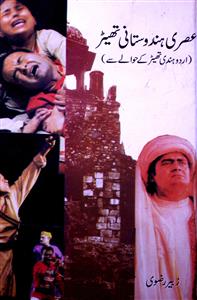
Cover of one of Zubair Rizvi’s books
In verse, he mainly tried his hand at Ghazal, Nazm, and Geet. He has over 17 books to his credit, some of the more important ones among these include, Lahar Lahar Nadiya Gahri (Collection of Poems), Khisht-e-Deewar, Musafat-e-Shab, Purani Baat Hai, Dhoop Ka Saibaan, Ungliyaan Figaar Apni, etc.
Two books have been written on his life and work and he has compiled and edited 24 books.
His remarkable contribution to the field of literature can be fathomed by the breadth of awards he amassed during his lifetime. These included: The All India Radio New Delhi- External Services Division Award; Sant Gyaneshwar National Award for the year 2009 by Maharashtra Urdu Sahitya Academy; All India Mushaira Award of Honor S.C.D. Govt College SAHIR Memorial Society Ludhiana (2002); Urdu Academy Delhi Award for Ghalib Aur Funoon-e-Lateefa; Consulate General Of India, Jeddah, Saudia Arabia- Certificate of Appreciation; Certificate for Sufi Studies-Maharaja Ranjit Singh Police Academy (2001); Karnataka Urdu Academy, Bangalore; Urdu Academy at Delhi Secretariat presented an award to his book Sang-E-Sada; Uttar Pradesh Urdu Academy, Lucknow Award for Sang-E-Sada (2014); National Council for Promotion of Urdu Language -World URDU Conference (2016).
As a poet, his beyond-the-borders following can be gauged by the different mix of mediums that his works have featured. A few of these special features include: Door Darshan Serial “Khali Haath”, written by Dr. Harikrishna Devsare, had Zubair Rizvi’s lyrics. In five Indian states, the NCERT Urdu curriculum has selected Zubair Razvi’s iconic patriotic song” Yeh hai Mera Hindustan, Mere Sapnon Ka Jahan Is Se Pyaar Mujhko” for school textbooks. He was also quite famous for his recitals and was invited to Mushairas in Asia, Canada, Europe, and especially America where he once performed in 15 different states in one tour.
Zubair Rizvi’s passion for Urdu was undying, and to spread this language of love to lands far and wide, he started the famous magazine Zehn-e-Jadid – Bari Zaban Ka Zinda Risala, which is now being published and edited by his wife Jamshed Jahan.
source: http://www.awazthevoice.in / Awaz, The Voice / Home> Stories / by Siraj Naqvi / December 12th, 2023
Bushra Bano defies four surgeries, responsibility of two kids to become IPS
Aligarh :
Its very rare in the history of Indian civil services that women candidates face interviews when they are more than eight months pregnant and have undergone multiple surgeries.
Dr Bushra Bano, a resident of Sork Qaswa in Kannauj district, uttar Pradesh, and Sub Divisional Magistrate (SDM) of Firozabad (Sadar tehsil), has faced this odd meritoriously. She has secured 234th rank in the latest UPSC list of successful candidates. She was allotted the Indian Police Service (IPS).
Bushra is mother of two children, both born through caesarean surgeries. Besides, she had to endure two more major surgeries. Yet her resolve to continue her education and later pursue competitive exams for various Indian services remained unaffected.
“I was a gifted child since childhood. At least this is what my parents feel proud of and all my acquaintances admit. I started my primary education at the age of four in Class 2. All through my academic life, I have been a topper. After completing my B. Sc in Mathematics (usually rare for girls in India), I decided to go for an MBA and I completed that before I turned 20.
“Just after that I joined PhD in Management at Aligarh Muslim University (AMU). The very next year, I qualified for the Junior Research Fellowship (JRF) that gave me confidence to make my education self-reliant and a passion to earn on my own. I finished my PhD in a short time of two years and few months,” Bano told this correspondent in a candid chat from Firozabad.
She said that while she was still pursuing her research at AMU, she started teaching at Hindustan and Anand Institute in Agra.
“Then I got married to Asmer Hussain, an assistant professor in Jazan University, Saudi Arabia. Perhaps as a marital boon, I was also selected as an assistant professor at the same university and both of us taught together,” said Bano.
However, the Saudi sojourn was not suiting her heart.
“I was working there, but my heart always stayed in India. The only memorable thing for us was to perform a pilgrimage to Mecca. After four years, it became impossible for me to defy the pangs of homesickness. I consulted my husband and resigned. He stayed back,” said Bano, insisting that it was the most difficult decision of her life.
After arriving in India, Bano didn’t sit idle. She was now a mother of a son. She joined a post-doctoral programme in AMU and at the same time started preparing for various competitive exams.
“My first attempt at the Union Public Service Commission (UPSC) was not successful. However, I managed to join a reputed Coal India company as assistant manager. My posting was in Sonbhadra. Next year, I got through the prelims of both the Public Service Commission (PCS) of UP state and UPSC.
“In June 2018, I cleared the Mains of both the exams. I was pregnant with my second child then and when interviews were conducted, I was in the last stage of my pregnancy. The UPSC first declared its list. I had secured 277th rank and was allotted the Indian Railway Traffic Service (IRTS). Later, when the PCS result was announced, my rank was 6th and that meant I was eligible to become Deputy Collector or Sub Divisional Magistrate (SDM). Thus, I joined as SDM of Firozabad Sadar in 2020,” said Bano.
Bano also shared an interesting episode of her married life.
“In families with kids, it is usually women who sacrifice. But in my case, my husband sacrificed his Saudi job for me. Since it became clear that I would work in India and our children would also be with me, he decided to resign from his job and join us in India. Now, he works as a businessman,” said Bano.
She added that her husband, who was teaching without a PhD, is now also pursuing a PhD.
As an SDM, Bano has been famous for her stand on illegal mining in Firozabad. She has also been strict in ensuring law and order and devising ways to bring relief to weaker sections of society.
She wears a hijab and it raised some eyebrows in her office. “Some people thought I was a ‘kattar’ (hardliner) Muslim. But, when they began to understand me, their doubts melted and now I am their favourite madam,” said Bano.
One of the most joyous moments in her life came when her another attempt at UPSC brought her 234th rank and she was allotted IPS.
“But I have decided that I will join it only when I am offered my home cadre. Otherwise, I am happy as SDM in UP,” she said.
Bano’s advice to young Muslims, especially girls and their parents, is that youth should be given the choice to pursue their passion at whatever stage in their lives.
“I chose to quit my Saudi job, come to India and opt for these services and my family supported me. Such cooperation from your dear ones makes a lot of impact in your life,” said Bano. -IANS
source: http://www.muslimmirror.com / Muslim Mirror / Home> Indian Muslim> Women / by Muslim Mirror / January 04th, 2022
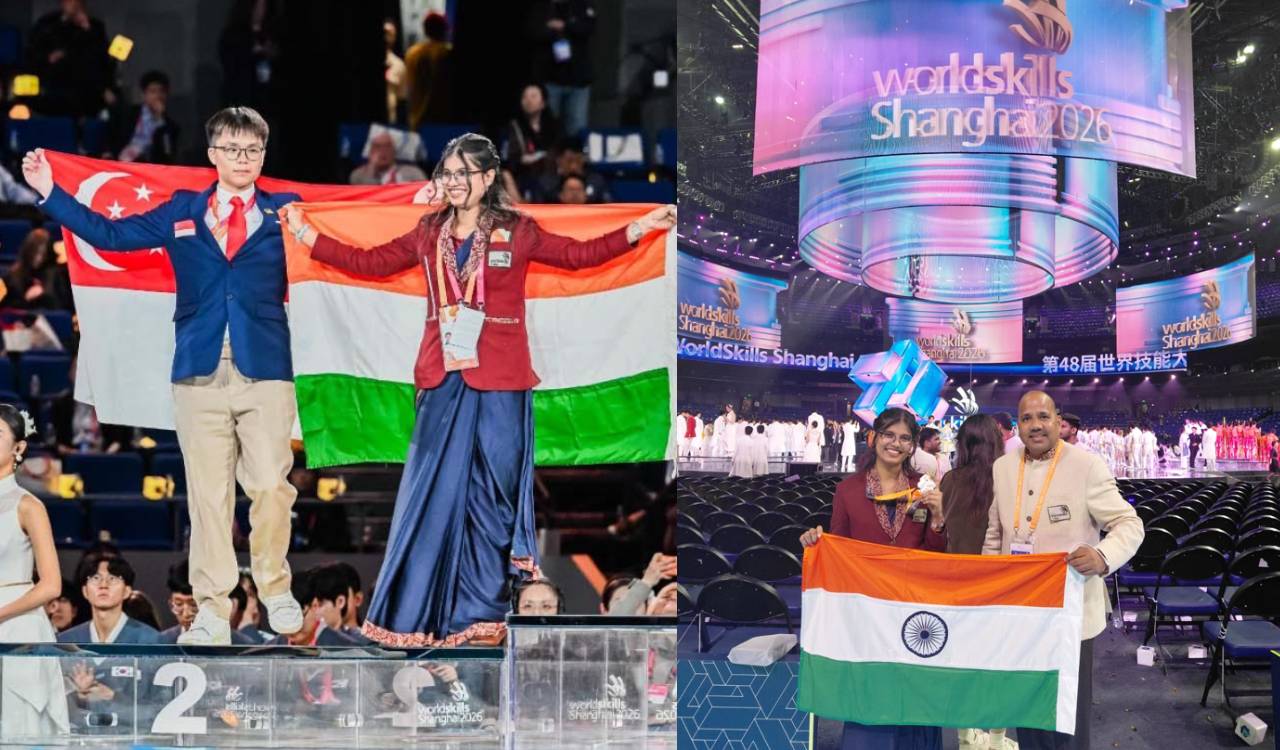
Hyderabad’s Mehrunissa Begum won a silver medal for India in the Logistics and Freight Forwarding category at the 48th WorldSkills Competition held in Shanghai. A BBA Logistics graduate and logistics professional, she showcased excellence in freight forwarding and international logistics.
Hyderabad:
Mehrunissa Begum, a young talent from the city, won a silver medal for India in the Logistics and Freight Forwarding category at the 48th WorldSkills Competition Shanghai 2026, one of the world’s most prestigious international skills competitions.
WorldSkills, one of the world’s largest platforms for vocational and professional skills, is often described as the global championship for skilled professions.
Competing against some of the world’s best talent, Mehrunissa Begum demonstrated excellence in logistics and freight forwarding, excelling in documentation, routing, commercial decision-making, and customer handling.
She completed her Bachelor of Business Administration (BBA) in Logistics from Begumpet Degree College, Hyderabad, and is currently employed with Cargomen Logistics India Pvt. Ltd.
At Cargomen, she manages the Thermo Fisher Scientific account, gaining hands-on experience in international logistics operations, customer coordination, documentation, and freight management.
She underwent intensive training under Kamal Jain and his team, covering key aspects of international freight forwarding, including air and sea cargo, multimodal transport, freight calculations, Incoterms, customs procedures, documentation, dangerous goods handling, customer communication, and practical problem-solving.
The Logistics Sector Skill Council (LSC) provided training and institutional support throughout Mehrunissa Begum’s WorldSkills journey. The council plays a key role in promoting skill development and industry-aligned competencies within India’s logistics sector.
The 48th WorldSkills Competition was held in Shanghai, China, from September 22 to 27, 2026. Nearly 1,400 young professionals from around 70 countries and regions competed in 64 skills, covering sectors such as manufacturing, technology, services, transportation, construction, and logistics.
The competition provides young professionals with an opportunity to benchmark their knowledge and practical skills against international occupational standards.
Logistics and Freight Forwarding is a critical professional discipline that supports international trade and global supply chains.
Competitors are assessed on a range of areas, including freight planning, international transportation, documentation, customs compliance, cargo handling, costing, route planning, Incoterms, customer service, and operational problem-solving.
Mehrunissa Begum’s achievement reflects the growing competence of young Indian logistics professionals and their ability to compete successfully on the global stage.
The Government of India, through the Ministry of Skill Development and Entrepreneurship, has been actively promoting vocational and professional skills development under the Skill India initiative.
The National Skill Development Corporation (NSDC) plays a pivotal role in coordinating India’s participation in WorldSkills competitions and strengthening the country’s skill development ecosystem.
Through initiatives such as IndiaSkills and WorldSkills, young professionals are provided opportunities to develop industry-relevant skills and represent India on global platforms.
Mehrunissa Begum’s achievement is expected to inspire more young people to pursue careers in logistics and supply chain management, a sector offering significant global opportunities.
source: http://www.telanganatoday.com / Telangana Today / Home> Hyderabad / by Telangana Today / September 29th, 2026
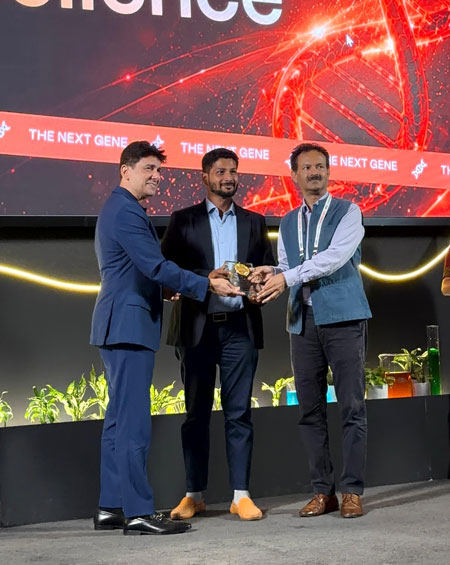
Dr Inamul Hasan Madar of Yenepoya (Deemed to be University), has been conferred the Kalam Medal of Excellence in Translational Innovation at the NEXT GENE Bioscience Summit 2026 held in New Delhi on September 19.
The award was presented by noted cardiac surgeon and healthcare innovator Dr Shriram Nene in recognition of Dr Madar’s contributions to precision medicine, multi-omics, cancer research and translational healthcare.
His research integrates genomics, proteomics, bioinformatics and artificial intelligence for biomarker discovery and personalised medicine, with a focus on translating advances in biomedical science into practical healthcare applications.
Dr Madar has a strong record of scientific publications and patents and continues to work in biomedical research aimed at developing innovative approaches to diagnosis and personalised treatment.
source: http://www.daijiworld.com / Daijiworld / Home> Karnataka / by Daijiworld Media Network / September 21st, 2026
Anzarul Bari Rafeeqi, a senior journalist, editor, columnist and media personality with 27 years of experience in journalism, has been selected to receive the World Urdu Day Award for Journalism, named after R.K. Karanjia, editor of the weekly Blitz (Urdu, Hindi, English), in recognition of his valuable services to the field. He currently serves as Resident Editor of the English daily Freedom Press.
The World Urdu Day Awards had already been announced earlier, and this marks the first time an English-language journalist has been chosen to receive a journalism award under R.K. Karanjia’s name on the occasion of World Urdu Day, observed on November 9.
The announcement was made jointly by Jalaluddin Aslam, Patron of the World Urdu Day organising committee; Convener Dr. Syed Ahmad Khan; and Co-Conveners Suhail Anjum and Javed Akhtar.
source: http://www.radiancenews.com / Radiance News / Home> Latest News> Report / by Radiance News Bureau / September 30th, 2026
Students of Barakah NEET Academy’s 2026 batch have recorded strong results in medical admissions, with around 30% securing MBBS seats and another 25% gaining admission to BDS courses.
The results mark the second consecutive year of encouraging performance by the academy, which reported 100% medical course admissions among its students in 2025.
The remaining students are awaiting the third round of counselling, with the academy expecting them to secure seats in MBBS, BDS, BAMS and other government medical courses. The academy has expressed confidence in achieving 100% enrolment for the batch.
Following the results, the academy has launched a new NEET repeater batch, particularly for female students, offering preparation in a safe and culturally sensitive environment.
The academy provides hostel accommodation, nutritious food, attention to cultural and religious needs, round-the-clock security, an affordable non-commercial fee structure and professional academic training.
source: http://www.english.varthabharati.in / Vartha Bharati / Home> Karavali / by Vartha Bharati / September 20th, 2026
Dr Hina Qasim Foplinkar, daughter of an ST bus driver, completed BHMS, served as an excise inspector and fought a legal battle before securing her police selection in Maharashtra
Mumbai :
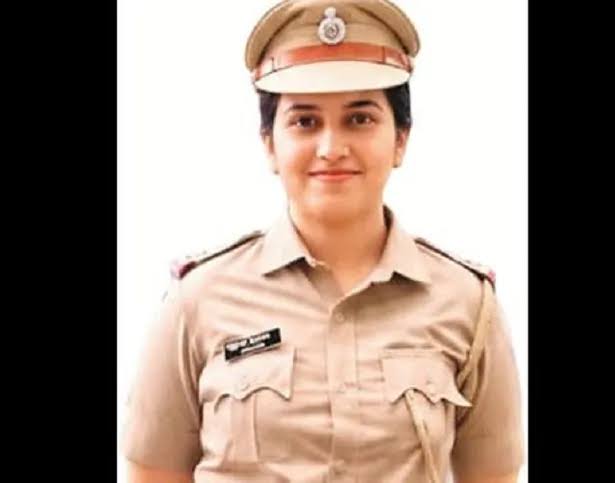
Dr Hina Qasim Foplinkar, who began her education at an Urdu-medium school in the small Konkan village of Sai, has been selected for the post of Deputy Superintendent of Police/Assistant Commissioner of Police after clearing the Maharashtra Public Service Commission examination.
The daughter of a Maharashtra State Road Transport Corporation bus driver, Foplinkar first became a doctor, then spent nearly seven years working as an inspector in the Maharashtra Excise Department before clearing the MPSC examination. She is currently undergoing training at the Maharashtra Police Academy in Nashik.
Foplinkar completed her early education at RZP Urdu School in Sai. She then studied at Advocate Haroon Solkar High School in Sai, where she completed Class 10, followed by Class 12 in science at SS High School and Junior College in Morbe.
She completed her BHMS in 2014 and became a doctor.
Speaking to Urdu daily Inquilab, Foplinkar said her teachers in Sai and Morbe played an important role in her educational journey by guiding her and encouraging her to pursue higher education.
“During my BHMS studies in Kharghar, I learnt about government jobs and competitive examinations,” she said.
After completing her graduation, Foplinkar worked for a year at different hospitals. During this period, she came across an advertisement for a free competitive examination preparation programme run by Savitribai Phule Pune University.
She cleared the entrance examination and was subsequently provided free accommodation and preparation facilities for around two years. She said this period helped her prepare for competitive examinations.
“During this period, I successfully cleared all the stages of the examination for Excise Inspector,” she said.
Nearly Seven Years in the Excise Department
Foplinkar joined the Maharashtra government’s Excise Department as an inspector in 2018. During her nearly seven years in the department, she served in areas including Andheri, Matunga and Chembur.
Despite having a government job, she continued preparing for further competitive examinations.
“I had a feeling that I had to do more. I continued my studies while performing my government duties,” she told Inquilab.
Her attempt to move into the state police service, however, did not come without setbacks.
Foplinkar appeared for the MPSC examination in 2023 and cleared all three stages but did not succeed at the medical stage and therefore could not secure a place in the final merit list.
She appeared again in 2024 and cleared the examination, but her name was again absent from the final list. She then challenged the matter through legal proceedings.
According to Foplinkar, she spent eight months pursuing the case before the decision was made in her favour.
“I had to fight a legal battle for eight months for my right. You have to raise your voice against injustice within the system and within the prescribed legal framework. It is not an easy task. In the end, the decision came in my favour,” she said.
Parents’ Sacrifices
Foplinkar has attributed her success to the sacrifices and support of her parents.
Her father worked as an ST bus driver but later decided to go to Kuwait to provide better educational opportunities to his two daughters. He worked as a driver for a private company there for around 10 years.
“My parents’ sacrifices are part of my success. Their prayers and hard work are the reason I have reached this position today,” Foplinkar said.
Her career has also drawn attention because of her educational background. She studied in an Urdu-medium school in Sai before pursuing science education, completing BHMS, entering government service and later clearing the state civil services examination.
Foplinkar’s journey is being seen as an example for students studying through Urdu, particularly those from smaller towns and villages.
She believes Urdu does not prevent a student from achieving professional success, provided students continue to acquire knowledge and skills and prepare themselves for competitive examinations and new opportunities.
Her progression from an Urdu-medium school in a small Konkan village to the medical profession, the Excise Department and now police service has made her an example of perseverance for students, particularly Muslim girls pursuing higher education.
source: http://www.clarionindia.net / Clarion India / Home> Editor’s Pick> India> Indian Muslims / by Clarion India Team/ August 25th, 2026