Prof. Bilqis Bano to receive Lifetime Achievement Award, Dr. Raouf Khair to be honoured with Allama Iqbal Award.
New Delhi:
An important meeting of the Global Urdu Day Awards Committee (organised by the Global Urdu Day Organising Committee) was held under the chairmanship of senior journalist Jalaluddin at Daryaganj here.
The awards jury included Dr. Syed Ahmed Khan, Ashraf Ali Bastavi (Chief Editor, Asia Times, New Delhi), Suhail Anjum (former correspondent, Voice of America), and Javed Akhtar (Editor, D.W. Urdu, Germany, Delhi Bureau).
As per tradition, the awardees for the upcoming Global Urdu Day on 9 November 2025 have been selected.
The recipients are Prof. Bilqis Bano (Department of Biochemistry, Faculty of Life Sciences, Aligarh Muslim University) – Lifetime Achievement Award; Dr. Raouf Khair (Hyderabad) – Allama Muhammad Iqbal Award for Literature; Prof. Kauser Mazhari (Jamia Millia Islamia, New Delhi) – Mirza Ghalib Award for Poetry; Prof. Zehra Khatoon (Jamia Millia Islamia, New Delhi) – Maulana Ali Mian Award for Urdu-Persian Language; Dr. Aqeel Ahmad (Secretary, Ghalib Academy, New Delhi) – Maulana Abdul Majid Daryabadi Award for Language and Literature; K.L. Narang Saqi (New Delhi) – Kunwar Mahendra Singh Bedi Award for Literature; Yaseen Momin (Mumbai) – Qazi Mohammad Adeel Abbasi Award for Promotion of Urdu Language; Syeda Talat Nasreen (TN Bharti, New Delhi) – Noor Jahan Sarwat Award for Journalism; Syed Zubair (Muslim Mirror, New Delhi) – Maulana Usman Farqaleet Award for Journalism; Maulana Abdul Hameed Numani (New Delhi) – Maulana Sanaullah Amritsari Award for Column Writing; Abdul Mannan (Editor, Yojana Urdu, New Delhi) – Maulana Mohammad Muslim Award for Journalism; Jamshed Khan (Aaj Tak, New Delhi) – Ameen Sayani Award for Electronic Media; Saurabh Shukla (Red Manak, New Delhi) – Pandit Devnarayan Pandey Award for Journalism; Abid Anwar (UNI Urdu, New Delhi) – Mahfuzur Rahman Award for Journalism; Shohrat Ansari (Khalilabad, U.P.) – Imdad Sabri Award for Journalism; Hafeezur Rahman (Sharq Adeel, Marahra, Etah District, U.P.) – Ismail Merathi Award for Poetry; Mohammad Yamin Zaki (Editor, Hilal, Rampur) – Dr. Zakir Hussain Award for Children’s Literature; Farooq Ahmad (Doordarshan, Delhi) – Ilmat Yasin Award for Promotion of Urdu; Prof. Dr. Ziaur Rahman Siddiqui (Aligarh) – Mazharuddin Khan Award for Teaching; Master Iqbal Ahmad (Former Headmaster, Jamia Middle School, New Delhi) – Maqbool Ahmad Siddiqui Award for Best Teacher; Prof. Abdul Majid Mohammad Siddiq Siddiqui (Malegaon) – Maulana Azad Award for National Integration; Prof. Khalid Mubashshir (Jamia Millia Islamia, New Delhi) – Hafeez Merathi Award for Naat Poetry; Dr. Ibrahim Afsar (Meerut) – Naseeruddin Hashmi Award for Urdu Research; Dr. Azeer Ahmad (Islampur, West Bengal) – Maulvi Abdul Haq Award for Literature; Dr. Nihal Nazim (Moradabad) – Dr. Abul Faiz Usmani Award for Promotion of Literature; Dr. Abu Saad Asari (Jhanda Nagar, Nepal) – Indo-Nepal Friendship Award; and Hidayat Publications, New Delhi (Syed Abul A’la Subhani) – Munshi Naval Kishore Award for Publishing.
Dr. Syed Ahmed Khan, the convener of the Global Urdu Day Organising Committee, expressed hope that the selected awardees will continue to play a significant role in the promotion of the Urdu language.
source: http://www.radiancenews.com / Radiance News / Home> Pride of the Nation> Awards> Latest News / by Radiance News Bureau / July 15th, 2025
The evocative recapitulation of eminent personalities provides a quick, candid, exquisite and scrupulous portrayal of those who retain their abiding presence without being physically present in the world.
The unprecedented acceptance of monolingualism has put a big question mark on the existence of numerous languages through which people stitch up a warm social rapport and seek to fulfill their cultural aspirations. India, an awe-inspiring repository of innumerable dialects, languages and different linguistic traditions, finds it nerve-racking to carry through the challenges thrown open by the technology-savvy language-English. The domination of English has taken a heavy toll on regional languages, and Urdu, once considered a significant link language, is no exception. Though Urdu is widely used as a spoken language, and its sensitively rendered poetry gets across the country, its script has been fading away with bewildering speed.
It aches much to realize that the popularity draws its sustenance from its oral rendering, and familiarity with its distinct script has been melting away steadily. Barring some notable exceptions, only faculty members and research scholars associated with various departments of Urdu of the universities and colleges use Urdu as the medium of trifling academic discourse. At a time when Urdu faces the threat of obsolescence, the gleam of hope emerges from the citadel of learning, Aligarh, where academicians not belonging to humanities draw on Urdu to initiate a perceptive discourse on a plethora of issues without bringing rhetorical flourish into play.
Professor Saeeduz Zafar Chagatai (Physics), Professor Faseeh Ahmad Siddiqui (Chemistry), Professor Athar Siddiqui (Zoology), Professor Shaan Mohammad (Political Science), Professor Iftikhar Alam Khan (Museology), Professor Zilur Rehman (Unani Medicine), Professor Mohammad Sajjad( History ), Professor Zafar Mahfooz Nomani (Law) Dr Asad Faisal Farooqui (Mass Communication) and the like seek to strengthen non-fiction prose in Urdu.
Autobiography, memories, diary, letters, sketches and anecdotal scrolls are much-adored genres of non-fiction prose, but in Urdu, they usually betray a strong sense of gushiness and sickening self-adulation. The preponderating narrative of reminisces does not go well with the celebrated author, Professor Athar Siddiqui, whose evocative recapitulation of eminent personalities appeared.
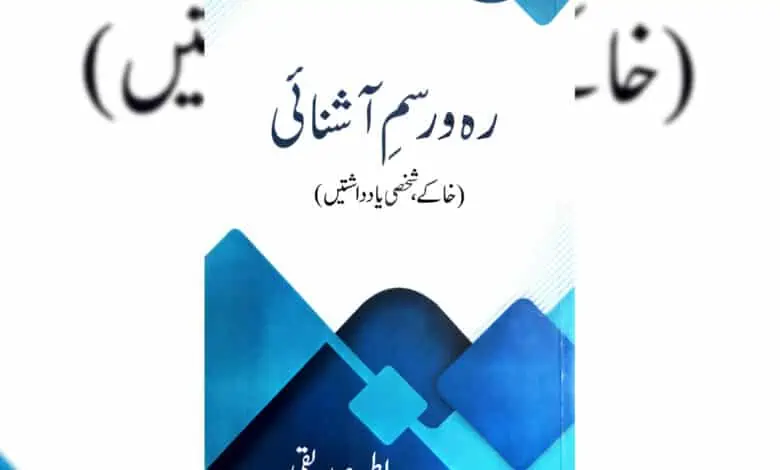
The book Rahe wa Rasm-e-Aashnai (sketches and personal memoirs) provides a quick, candid, exquisite and scrupulous portrayal of those who retain their abiding presence without being physically present in the world.
Professor Athar Siddiqui, a widely recognized scientist, has produced a captivating narrative of his eventful life, Main Keya Meri Hayat kaya, with disarming humility and jotted down travelogues vividly calling attention to down reaching human experiences that frequent foreign travels produce. Interactive media frequently carry intriguing stories featuring commonplace occurrences. The stories with a strong sense of moral tutoring dished out by the digital world need to be shared with non technology conversant Urdu knowing people.
He left Professor Athar Siddiqui to supplement what had been missing and started translating these pulsating stories into Urdu. It was left to Professor Athar Siddiqui to supplement what had been missing, and he translated these pulsating stories into Urdu.
Tahzibul Aklaqh, a prestigious periodical launched by Sir Syed in 1870, started serializing it with a suggestive title Hairat Sarai Ki Kahaniyan (The stories of wonderland), and two volumes of these laconic and absorbing stories have appeared so far.
He meticulously edited two autobiographies of two illustrious alums of Aligarh Muslim University–Dr. Sheikh Mohammad Abdullah (founder of women’s college, AMU) and Nawab Ahmad Saeed Khan Chattari ( former Governor of Uttar Pradesh). He had astutely done over translating books on Shaheryar and Musa Raza.
Athar Siddiqui’s recently published book, Rah-o-Rasam-e – Aashnai,” creatively maps out the accessible and unchartered terrains of thirty-five personalities in candour-driven idiom, and he hardly holds with the popular notion that put a lock on showing the slightest discourtesy to the deceased. The author asserts, “It is widely mentioned that the sketch writer must not use any indecent or improper word for those resting in the peace. If this sort of exhortation is adhered to, then the sketch, personal article and memories will be read as appreciation and admiration-filled text. If history writing sticks to this principle, then the authentic history of any period could not be produced. I do not buy this argument.”
The subtle wised-up mélange focuses on nine creative writers such as Shahryar, Iqbal Matin, Sajida Zaidi, Qazi Abdus Sattar, Professor Mukhtar Uddin Arzoo, Syed Hamid, Lateefuz Zaman and a couple of close relatives, teachers, friends and former vice-chancellors.
Iqbal Matin, whose awe-inspiring artistic sensibility could not get him the recognition across the country he fully deserved, has come in for a refined exploration. Athar Siddiqui’s reminiscence is peppered with unusual but fascinating details about the author. The author living in Aligarh tried desperately to contact Iqbal Matin (Hyderabad) when the letter was the preferred communication medium. He realized that his letters were not delivered to the addressee, who was prone to change houses. Iqbal changed thirty-five houses and bore testimony to his nomadic lifestyle.
Much has been written on Jnanpith awardee and prominent poet Shahryar but a comprehensive and insightful article highlighting his distinctive personal traits and oeuvre is still looked-for. The piece titled “Shahryar as a man and poet” fills the bill with remarkable ease. Athar saheb cites many instances to prove Shahryar’s unflinching loyalty to his friends but never spitting upon the rivals. The voice of modernism with strong traces of neoclassicism, Shahryar never nurtured animosity and did whatever he could for those who looked up to him in their hours of peril. People, even authors and pushover critics tend to read creative texts in the backdrop of personal details; hence when Shahryar suffering from a terminal illness- cancer–composed a couplet; Aasman ab kuch nahi tere karney ke liye/Ham ne sab taiyaariyan karli hain marne ke liye (O sky, now you have nothing to do/I have completed all the preparations for dying) it was considered as the affirmation of impending death. Employing critical acuity, Athar saheb mentioned that the couplet has nothing to do with a nagging sense of personal extinction; the poet laments how we perfected the art of self-destruction reflected in the depletion of Ozone layer manufacturing of weapons of mass destruction.
Athar Siddiqui wrote an immensely readable sketch of Qazi Abdus Sattar, a much overrated and pretentious writer who always took pride in using ornate and florid language in his fiction. His novel Tamam Sultan has been described as magnum opus, but it is hardly more than an oft-repeated titillating story of unrequited love. Athar Saheb and Qazi have had close ties for over fifty years, but Qazi was so intemperate that he pulled ties into pieces as Athar could not attend his facilitation function. It was an act of civility to describe this narcissism as uniqueness of personality.
Prof Zilur Rehman, a widely- respected academician of Unani medicine, is a well-known scholar of Urdu, Persian and Arabic and has more than fifty books to his credit. His books, especially on Ibne Sina, Hakim Ajmal Khan, Sir Ross Masood, Hakim Ehshanullah Khan, and Hakim Abdul Moid, got widespread admiration. In addition to discussing his well-documented and invigorating writings, Athar Siddiqui effortlessly unravels his amenable nature and inimitable passion for books and artefacts. He has a collection of over 70,000 and set up a museum and library, Ibne Sina Academy, which has its website.
Seldom does one attempt to spell out what essentially embodies his wife, going beyond the adulation and berating with a sense of objectivity. This nagging edginess seems to have no bearing on Athar saheb, who painted a stirring wordy portrayal of his wife Zakia Siddiqui, a renowned academician and former principal of Women’s College, Aligarh Muslim University.
One tends to agree with the author when he asserts that during the first ten years wife is treated as the beloved; with the birth of children, she takes over the role of the mother. If harmonious marital life continues, she becomes an inseparable friend who hardly gets perturbed, no matter how annoying one becomes. It is all momentary, and the bond of affinity never weakens.
Athar saheb also evocatively narrated his mother’s life story, and he recollects his memories and anecdotes to document her extraordinary considerate nature. Suhail (son) and Taab (daughter) get pat on the head by the caring and unerring father for their abiding sympathy for others.
The book turns attention to a dozen vice-chancellors and pro-vice-chancellors of AMU, such as Dr Zakir Hussain, Bashir Hussain Zaidi, Badruddin Tyabji, Abdul Aleem, Ali Mohammad Khusro, Syed Hamid, Syed Hashim Ali, Wasiur Rehman, Naseem Farooqui, Mahmoodur Rehman, Hamid Ansari and Abul Hasan Siddiqui.
The author’s appraisal of them looks convincing, but occasionally subjectivity surfaces. The assortment of sketches offers a discerning peep into the life of all who impressed the author. The nuanced and readable prose is used impeccably, and Athar Siddiqui deserves accolades for producing such picturesque vignettes.
Shafey Kidwai is an Indian academic, communication scientist, translator, columnist, and author. He is the chairman of the Department of Mass Communications at Aligarh Muslim University.
source: http://www.siasat.com / The Siasat Daily / Home> Featured News / by Shafey Kidwai / September 26th, 2025
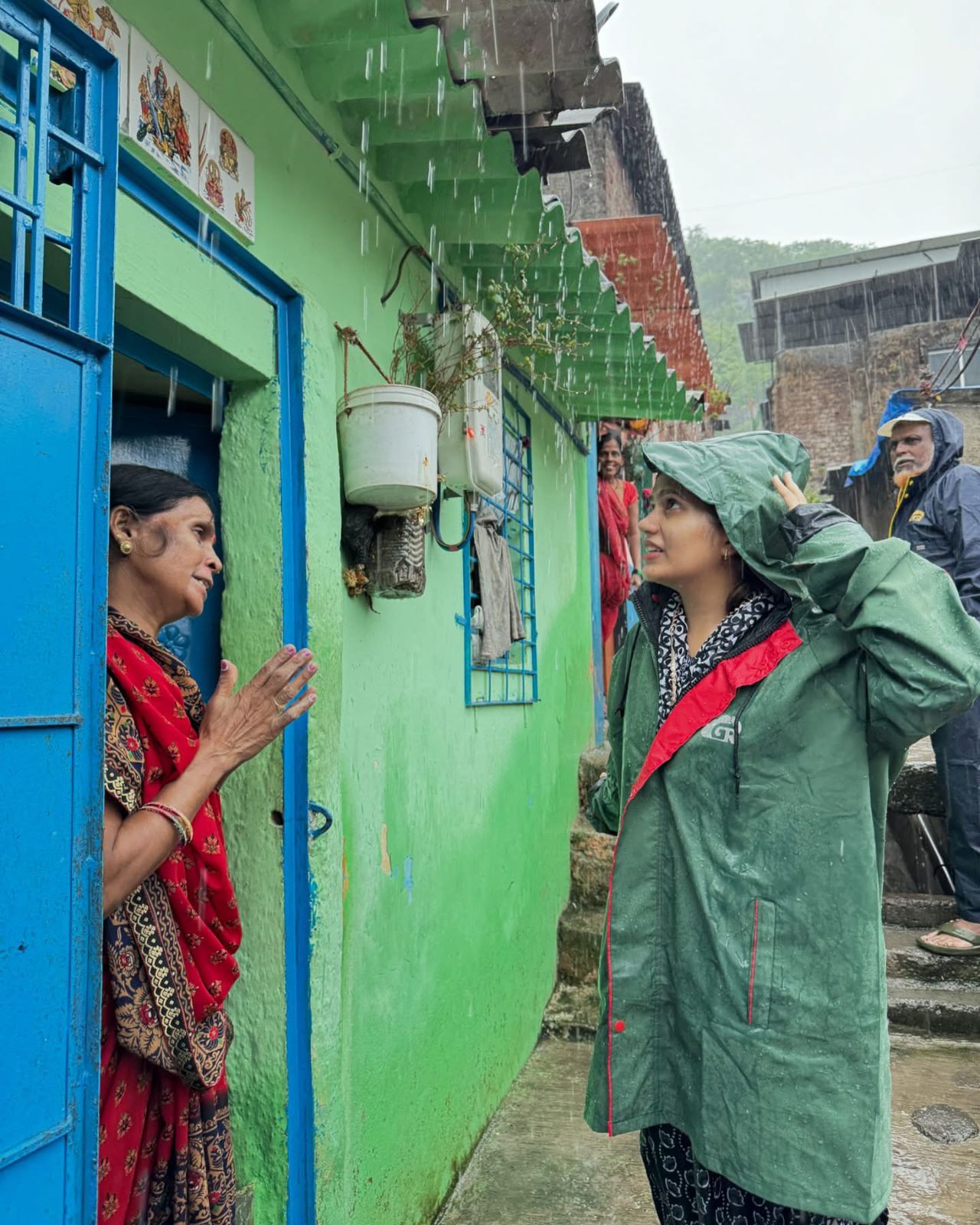
In the bustling suburb of Mumbra, on the outskirts of Mumbai, a young Muslim woman is emerging as a fearless leader—breaking stereotypes, raising her voice for justice, and empowering her community through bold, grassroots activism.
“People often underestimate how critical basic amenities are,” she says. “But when citizens lack even clean streets or functioning drains, how can we talk about empowerment?”
Marziya Shanu Pathan is not just addressing civic issues—she’s rewriting the script for what political and social leadership can look like, especially for women in marginalized communities.
From an early age, Marziya has been at the forefront of local activism, particularly in areas where Muslim women have historically faced barriers to education, mobility, and leadership.
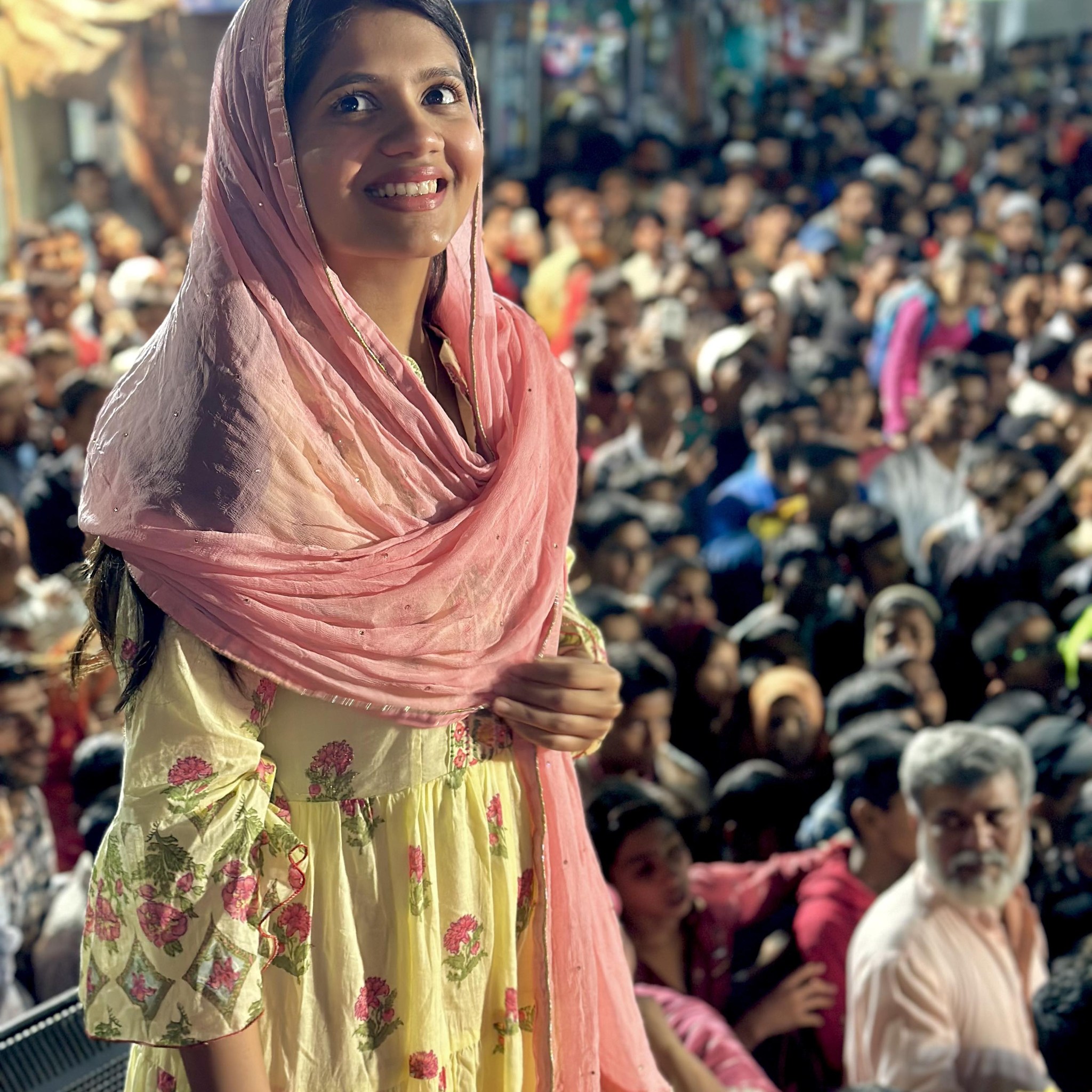
Marziya Shanu Pathan at a Public rally
Through perseverance and determination, she overcame those challenges, completed her education, and entered public life. Now, through her NGO, the MSP Care Foundation, Marziya is creating lasting impact, one initiative at a time.
Mumbra struggles with overpopulation, inadequate civic infrastructure, and limited access to basic services. Marziya works tirelessly to bring attention to these problems—rallying for better roads, clean water, improved sanitation, reliable healthcare, and quality education.
Through her Foundation, Marziya leads campaigns to clean drains, address waste management issues, and pressure local authorities to respond to citizens’ needs. She doesn’t just talk about change—she gets her hands dirty doing it.
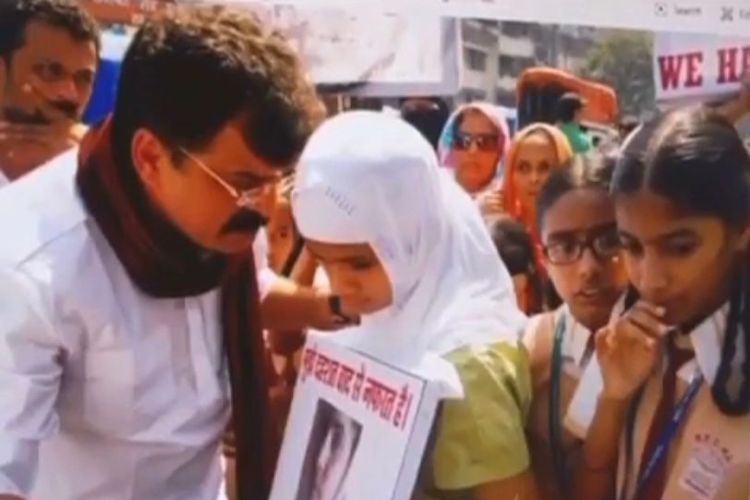
In 2012, the world was shaken when Malala Yousafzai was shot for advocating girls’ education in Pakistan. That same year, in a quiet corner of India, 12-year-old Marziya Pathan led a march through the streets of Mumbra, demanding access to education for girls. That moment was a turning point—not just for her, but for many in her community.
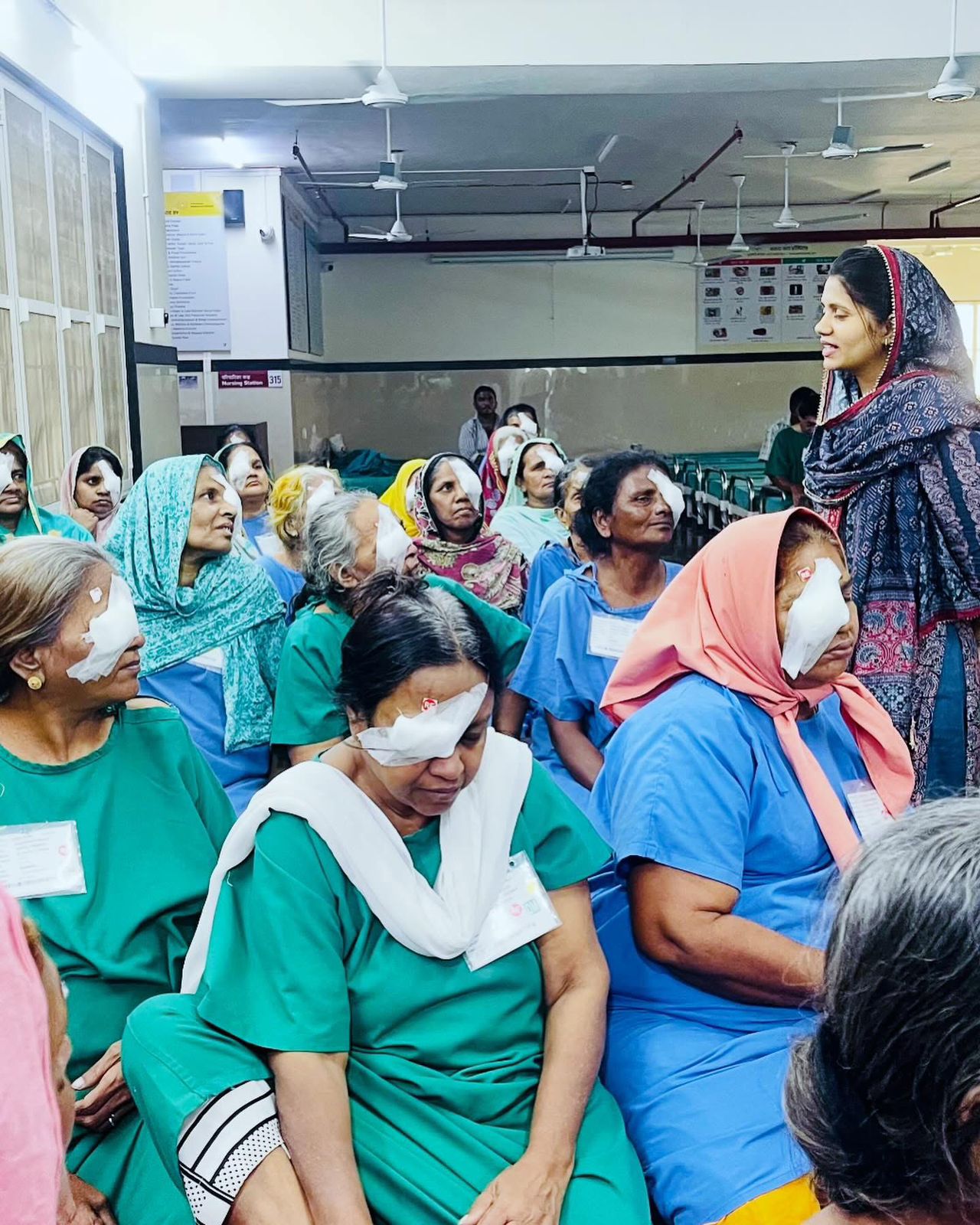
Marziya Shanu Pathan at a Eye surgery camp organised by her Foundation
Since then, she has remained at the frontlines of social reform.
Marziya is the daughter of Ashraf (Shanu) Pathan, a dedicated regional politician in the Thane Municipal Corporation. The father-daughter duo has long worked to address the region’s pressing issues—from water shortages and garbage collection to healthcare and crimes against women.
But Marziya is not content to walk in her father’s footsteps—she’s paving her path. Her focus on youth engagement, women’s empowerment, and constitutional awareness has brought new energy to Mumbra’s civic landscape.
She organizes workshops in schools to educate students about their constitutional rights. She arranges monthly eye camps for senior citizens, ensuring access to free cataract surgeries for those who can’t afford them.
Marziya Shanu Pathan meeting common people during her campaign on civic issues
Two years ago, a video of Marziya managing traffic during Ramzan went viral. Wearing her hijab, she was seen directing traffic late into the night in the congested Mumbra-Kausa market.
“After Mohammad Ali Road, Mumbra hosts Maharashtra’s largest Ramzan market,” she explains. “Women come from far-off areas to shop. We, the women of Mumbra, took it upon ourselves to ensure their safety and convenience.”
That viral moment wasn’t just symbolic—it was transformative. It showcased a new kind of leadership: visible, grounded, and unafraid.
Marziya’s foray into politics is not about power—it’s about purpose. “When I talk to people or address their issues, I don’t just see myself as a politician. I see myself as a citizen standing up for others,” she says.
Marziya Shanu Pathan with Shiv Sena leader Sanjay Raut
Marziya initially aspired to be a government officer and moved to Pune to prepare for competitive examinations. When the COVID-19 pandemic struck, she returned to Mumbra where after watching her father serve during the crisis made her take up social work as full-time work.
She believes more women must enter politics—but acknowledges it’s not easy. “Patriarchy and rigid mindsets create obstacles. But women who persist, who claim their space, can change the narrative,” she says.
“I admire every woman who carves out her identity, no matter the field. It takes courage and resilience.”
Quoting the findings of the 2009 Sachar Committee Report, Marziya points out that Muslim neighborhoods remain critically underdeveloped. “Not much has changed since that report. It’s our responsibility to bring attention to these gaps,” she says.
Whether through organized protests, petitions, or direct engagement with officials, Marziya ensures that issues like education, sanitation, and women’s safety stay at the top of the agenda. Her efforts have already led to the resolution of several long-standing civic problems in Mumbra.
Though born into a politically active family, Marziya has never relied solely on that legacy. Instead, she has chosen the harder road—working alongside the people, from the ground up.
Marziya Shanu Pathan courting arrest
Her courage, vision, and consistent community engagement have made her a role model, especially for young Muslim women and girls.
Marziya Pathan is more than just an activist—she’s a symbol of what young leadership in India can look like: principled, people-first, and fearless. Through constitutional values, civic engagement, and community-led solutions, she is reshaping not just Mumbra, but the larger discourse around women’s rights, minority representation, and participatory democracy.
In her quiet determination and bold action, Marziya proves that true leadership starts not in offices or headlines—but in the streets, schools, and hearts of the people.
source: http://www.awazthevoice.in / Awaz, The Voice / Home> Story / by Bhakti Chalak / July 09th, 2025
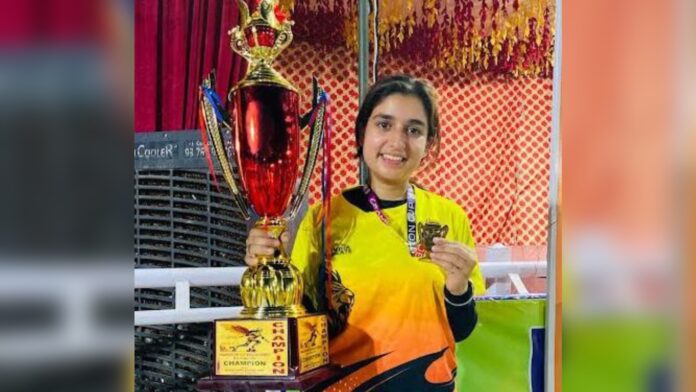
Nabeela Khan, a B.Sc. Biochemistry student from the Women’s College at AMU.
Aligarh Muslim University (AMU) continues to make headlines, not just in academics but also in sports. Nabeela Khan, a B.Sc. Biochemistry student from the Women’s College at AMU, played a pivotal role in leading Uttar Pradesh to a gold medal at the prestigious Federation Cup 2025 Roller Skating Derby Championship held in Bikaner, Rajasthan.
Representing Team Uttar Pradesh, Nabeela demonstrated outstanding skill and determination throughout the tournament. Her performance was instrumental in securing strong victories during the pool stage, including a dominant 44–11 win over Tamil Nadu. In the final, her team put up an equally impressive show, defeating the host team Rajasthan 26–12 to clinch the championship title.
Adding further pride to the university, Syeda Laiba Ali, a recent Class X graduate from AMU, was also part of the victorious state team. Her selection highlights AMU’s growing emphasis on promoting women’s participation in sports and nurturing young talent.
Nabeela’s selection to the state team followed a standout performance during a 10-day intensive training camp in Mohali in 2024. Her speed, consistency, and strategic play caught the attention of national selectors. No stranger to competitive success, Nabeela has already won five medals on the National Roller Derby Circuit, including three golds.
Remarkably, she balances her athletic pursuits with academic excellence. Nabeela has cleared the NEET examination twice, showcasing her dedication to both sports and studies. Her journey reflects the holistic environment AMU fosters—where students are encouraged to pursue excellence in all spheres.
With achievements like these, AMU is reinforcing its reputation as a nurturing ground for talent, empowering women like Nabeela and Laiba to shine on national platforms. Their success stories continue to inspire the next generation of student-athletes at the university. — With Agencies Inputs
source: http://www.muslimmirror.com / Muslim Mirror / Home> Indian Muslim> Women / by Muslim Mirror Desk / July 10th, 2025
Yusufpur (GhazipurDistrict), UTTAR PRADESH / NEW DELHI / London, U. K :
Begum Zohra Ansari sold away ‘Dar-us-Salam’ to raise party funds and worked for the victory of the candidates of the Indian National Congress and for the defeat of the candidates of the Muslim League, who wanted partition.
Begum Zohra Ansari, an activist of the Indian National Movement whom Mahatma Gandhi addressed as “Vasthad Bi, was born in Delhi. She was the adopted daughter of freedom fighters, Dr. Mukhtar Ahmed Ansari and Begum Shamsunnisa Ansari.
Besides playing an important role in the National Movement, her parents provided hospitality to leaders and a cadre of the Indian National Movement and scholars and people of repute in different walks of life in their residence ‘Dar-us-Salam’. It was very spacious like a royal palace.
While Begum Shamshunnisa Ansari was busy in these responsibilities, Zohra helped her. Thus she had an opportunity to see from close-quarters leaders such as Mahatma Gandhi, Pandit Motilal Nehru, and the Ali Brothers and to serve them. Right from childhood she evinced interest in literature, history, and social sciences. She also gained proficiency in Urdu, Arabic, Persian, and Hindi.
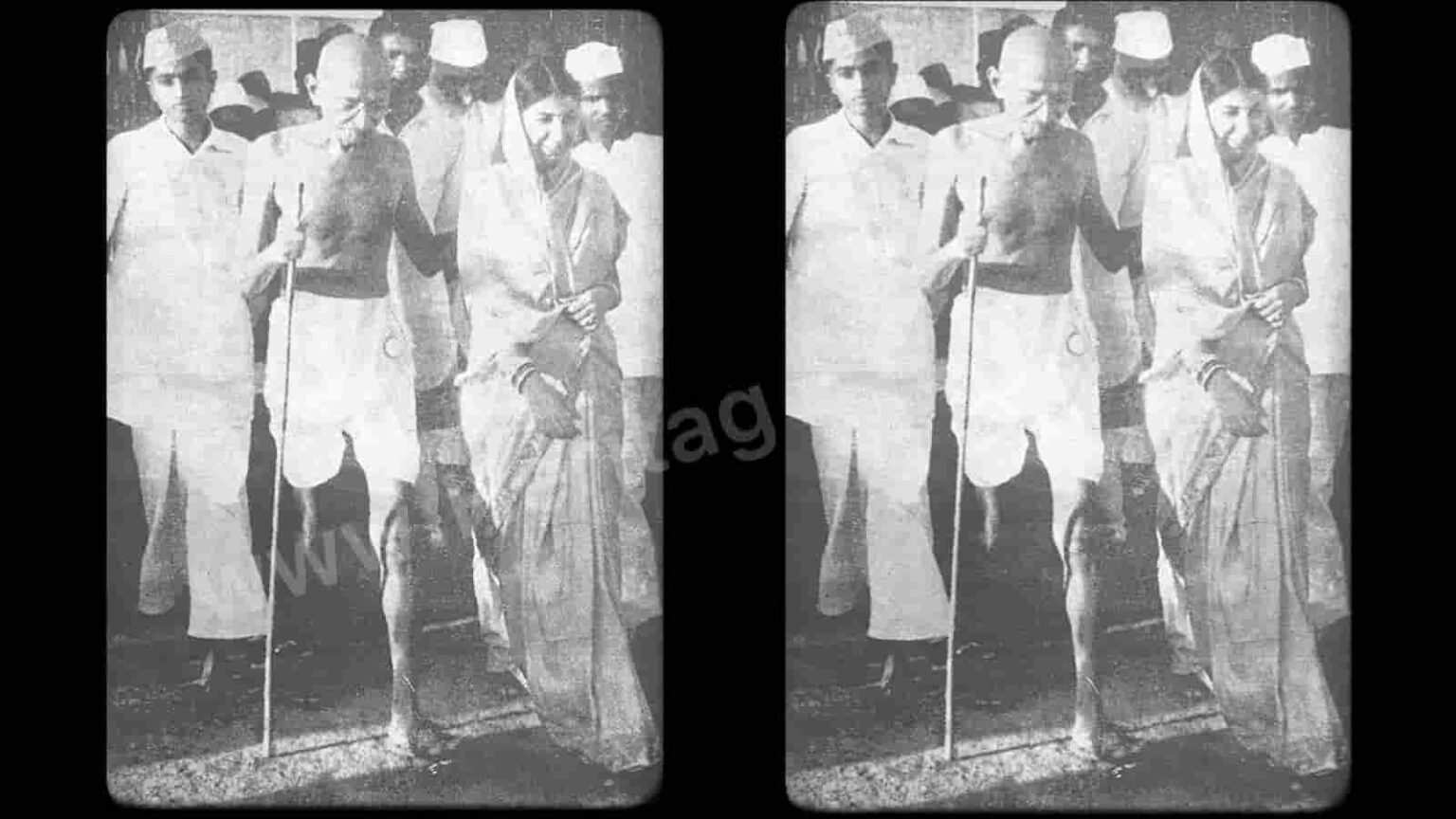
Zohra Ansari and Mahatma Gandhi
Zohra Ansari rendered her services in Wardha Ashram for a long time. Mahatma Gandhi came to know about her command over Urdu and started learning the language from her. He used to address her in his letters as ‘Vastad Bi’ and ‘Beti.
Zohra Ansari and Mahatma Gandhi used to have regular correspondence on various issues. In his letter dated 22 December 1932 to Dr Ansari, Gandhiji remarked that he used to look forward to Zohra’s letter every week. When Zohra expressed her desire to go to jail as a part of the National Movement, like her parents, Gandhiji asked her to wait and promised to allow her to go to jail.
Begum Zohra Ansari married Dr Shaukatulla Shah Ansari (1908-1972) who was her relative and leader of the Indian National Movement. Begum Zohra Ansari lost her father in 1936 and mother in 1938. She took an active part in the Freedom Struggle along with her husband. Both wife and husband opposed the partition of India.
She sold away ‘Dar-us-Salam’ to raise party funds and worked for the victory of the candidates of the Indian National Congress and for the defeat of the candidates of the Muslim League, who wanted partition. Post Independence, Begum Zohra Ansari led a simple life and passed away on 28 July 1988 in England.
source: http://www.heritagetimes.in / Heritage Times / Home / by Syed Naseer Ahamed / December 12th, 2023
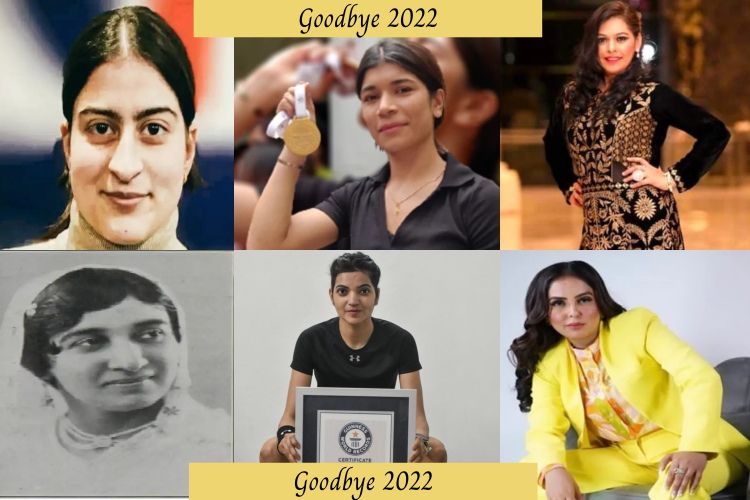
As we gear up to bid goodbye to the year 2022, here’s an about-turn to look at the most influential Muslim women who with their girt and strength have embedded their names in history.
Meet Mehr Sheikh from being a news anchor working with a company in Noida, Uttar Pradesh, to setting up her office in front of the same company, she has come a long way. She is presented as one of India’s youngest mainstream female motivational speakers, founder-director of Papr Network, and Editor-in-Chief of Nikology, a YouTube channel with nearly 2 million subscribers.
From being routed in regular corporate life to breaking the barriers and taking running as a full-time profession Sufiya Sufi set many records. From being the fastest female to run the Indian Golden Quadrilateral Road in 6 days, 12 hours, and 6 minutes to taking up the challenges of running continuously 200 km in Qatar and later running across the globe she has come a long way.
With many beauty pageants coming back to India in 2022, Tabassum took the podium a notch up when she represented India as one of the jury members in a beauty event held in South Korea’s Seoul
In the field of sports, Nikhat brought laurels to India as apart from winning the gold at the world championship, she won gold at the National Championship, the CWG and the Stranjde Memorial championship.
Do not marry your sisters, daughters, and other relations to men as their second wives or to those who are inclined on marrying another woman for no reason.” Hundreds of Muslim women unanimously passed the above resolution moved by Begum Jahanara Shahnawaz at the 7th All India Muslim Ladies Conference in 1920.
The All India Muslim Ladies Conference was established in 1914 under the presidentship of Begum Sultan Jahan, the ruler of Bhopal, and the leadership of women like Begum Waheed, Abru Begum, and Begum Shafi to bring social, educational, and economic reforms among Muslim women. Within six years of its inception membership of the Conference increased from a few dozens to hundreds. These women raised money to open and maintain girls’ schools in different parts of India and formed a public opinion in support of education.
Apart from the white robe of a doctor and the operation theatre, Dr. Jahanara Begum, a prominent obstetrician of Assam, also dons colourful costumes and has a wide stage to perform. Away from the hospitals and clinics, Dr. Begum has made theatre a part of her life despite her hectic professional schedule. While she has healed thousands of people as a doctor, she has also impressed numerous playwrights and audiences as an actor.
Syeda Salva Fatima – Amazed at her confidence, he decided to give wings to her dreams and she was enrolled in the Andhra Pradesh Aviation Academy in 2007. Despite failures, she remained undeterred and finally completed her training. She logged in 200 hours of flying in the Cessna 152 aircraft and 123 Hours of solo flight. She says,My best moment was when I flew for the first time. Also, every time I fly the big bird Airbus 320 in command, that’s the best feeling ever!
Farida Jalees, the founder of Lucknow Mahila Sewa Trust, who had boldly four startups during the Covid-19 lockdown to sustain the livelihoods of some 2.5 lakh women associated with her self-help group, said, “we have never felt these two (festivals) are different. We endeavor to make Jeevika Bakers viable and for this, I have been making use of every festival to sell baked foods under a canopy in marketplaces.”
Dr.Muhammad Raziul Islam Nadvi is a renowned Urdu author advocates Muslim women’s participation in mosques and namaz
Naseem Shafaie, the only Kashmiri woman to get the Sahitya Akademi award and the recipient of this year’s State Award for Literature rues that the Kashmiri language is being ignored by natives who prefer to speak with their children in Urdu (Hindustani) and not in their mother tongue. She laments that the language was not getting due treatment by its natural speakers. “Let all read it and be it our language,” she told Awaz-the Voice. She said there is a general trend among people in Kashmir to speak in the Urdu (Hindustani) language to their children at their homes.
source: http://www.awazthevoice.in / Awaz, The Voice / Home> Stories / by Shaista Fatima, New Delhi / December 29th, 2022
From rose syrup to mango panna, Indian Muslims continue the Mughal tradition of crafting cooling summer drinks originally developed by royal physicians.
New Delhi :
Muslims in India proudly carry forward the centuries-old tradition of crafting refreshing drinks that originated in the Mughal era, a time when royal physicians invented syrups not only for their enduring taste but also for immense health benefits.
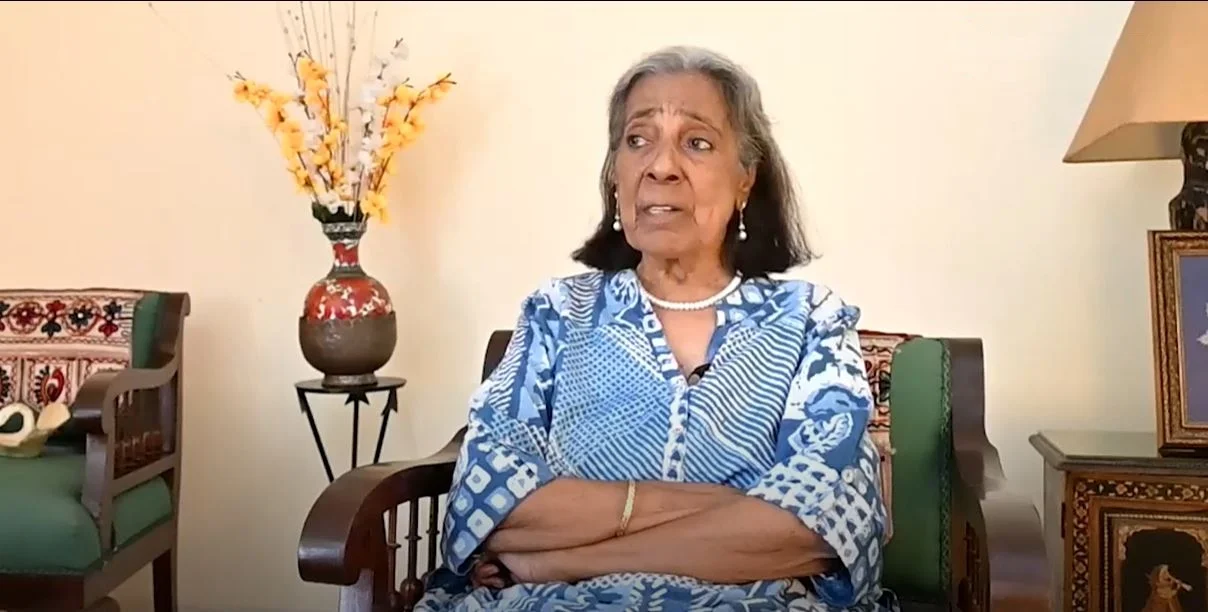
Salma Hussain, a researcher who has studied Mughal food and drink habits for over fifty years, explained: “Most of the drinks were invented by the royal physicians, who sometimes prepared drinks for medicinal purposes and sometimes for a refreshing taste, and they were very popular.”
She shared how the art of making these drinks flourished under royal patronage, especially during the reign of Empress Noor Jahan, whose influence in the royal kitchen brought many innovations. “Noor Jahan had creative talent. Under her leadership, excellent syrups were developed. The food was also good, tasty. She especially supervised the royal kitchen,” she told Clarion India recently.
Salma recalled an interesting anecdote from the Mughal court: “Once Queen Noor Jahan was strolling in the garden. Rose flowers were in full bloom. Noor Jahan’s mother, Ismat Ara Begum, used to make perfumes from these flowers. Noor Jahan called the royal physician and said many medicines were made from flowers; why cannot a syrup be extracted from the roses? ‘Many people drink in the name of medicine, but you should make something that will relieve us from the heat and be refreshing, and we will also enjoy it.’”
This simple request from the queen gave birth to the now-famous rose syrup, a cooling drink cherished across the Indian subcontinent to this day.
According to Salma, syrups were not limited to rose alone. “Syrups started to be made from roots, like khus syrup; Panna from mango. Similarly, vine syrup came up. Pomegranate syrup was made by cooking sour and ripe fruit, both said to be very beneficial for the skin,” she said. These drinks were especially popular among the royals, famous for their passion for beauty and health.
Salma further highlighted how Indian Muslims and Mughal royalty took special care to combat the intense Indian heat. “The heat in India was extreme, like today’s heat. Kings also used to cool drinks. Emperor Akbar started ordering ice from the mountains.”
The knowledge of cooling drinks extended to using yoghurt, lemon, and various salts to make beverages like shikanji and lassi, which remain popular today.
“Rose syrup was made from flowers, custard from custard. Jamun syrup was made from fruits, vine syrup was made from mango syrup. Yoghurt was used a lot then. We learned how to make raita from it. They used to cool the yoghurt or mix it in water and make a drink,” she said.
She also pointed to the influence of neighbouring cultures: “A syrup came from Turkey, Aryan, which is the buttermilk we drink today. Almonds were used to make a lot of syrups. It is said that in Iran, almonds were put in hot water and savoured.”
Salma stressed the importance of these drinks beyond refreshment. “There are some unsubstantiated stories about drinks, but all of them seem appropriate, such as the first among the sages who made syrup; his name was Fitha Ghoras. Sage Fitha Ghoras was the first to give a medicinal drink the form of a syrup, like a decoction, etc. Over time, the trade in syrup gradually started and all kinds of syrups started being made.”
She also mentioned that in 1906, Hakim Abdul Majeed (founder of Hamdard) made the spirit-enhancing syrup. The same refreshing syrup is still alive, and we drink it to relieve the heat.
The purity and quality of ingredients were also important to the Mughals. Salma explained: “The water mixed in the syrup was from the Ganges, although the Yamuna River was closer to Delhi. Its water was not used because of the belief that it caused diseases.”
Water management was taken seriously: “The Mughals used to inspect water tanks. Special officers were assigned to procure and preserve the Ganges water.”
This careful tradition of preserving royal recipes and using pure ingredients continues in India’s Muslim communities, who keep the memory of Mughal cuisine alive through generations.
Local historian Ahmed Khan commented, “These drinks are not just a part of our culture, they connect us to our glorious past. They remind us of the wisdom of our ancestors and the care they took in making life enjoyable and healthy.”
As the summer sun blazes, families across the subcontinent continue to enjoy these time-honoured drinks, a tribute to the enduring legacy of the Mughal era and the Indian Muslim custodians who have preserved these traditions.
source: http://www.clarionindia.net / Clarion India / Home> Editor’s Pick> Indian Muslims / by Mohammed Bin Ismail / May 26th, 2025
Chocolate is a universal favourite. Associated with love, health, and romance, the fanciful food has also created a cottage industry across the country with the makers using social media to innovate and sell handmade chocolates all over.
Chocolate also caught the imagination of Kashmir’s Ifshana Feroz, an MSc student living in srinagar, who is a self-taught chocolate maker and prides in being called Kashmir’s first floral chocolate maker.
pix
She sells her chocolates through her popular Instagram page, “Choco Charms”, which has more than 12 thousand followers. If you are a regular on Instagram, you must have seen her page named Choco Charms. She is known for her unique floral customized chocolates, nut-stuffed chocolate dates, coconut truffles, and more.
“Chocolates have a magical way of winning hearts over. They are not only delicious, but are also universally loved by both children and adults. Whether you choose to give them to your furry cousin or your closest friend, these sweet gifts are guaranteed to bring a smile to anyone’s face,” she told Awaz-The Voice.
Ifshana’s handmade Eid hampers that featured three delightful varieties of chocolates – dark, milk, and white – were sold like hot cakes. “And for those who love chocolates with a little crunch, we have added premium dry fruits to them. The box also includes chocolate-coated dates and coconut truffles, ensuring a varied and delightful chocolate experience,” she said.
Inspired by her mother, she was interested in innovating recipes since the age of 9. When she started, she was struggling with many things, but she felt comfortable making recipes and working with the ingredients.
She said; “I realised that the photos of my customised floral chocolates were getting a good response from fellow Instagrammers, people outside of my immediate circle. So I started investing more time into styling and customising, and, making chocolates beautiful.
“Later, I streamlined my content and posted more chocolates. That’s how I built it from scratch. More people started following me for the pictures of chocolates and started ordering. I had always dreamt of starting my own business. When I got the opportunity to start my own business, I invested the tuition fees that I earned from teaching students.
“For me, making chocolate is magical! It helps me relax and explore my creativity. And that’s one thing about it, I always say – it’s so fascinating how you turn chocolate into something so beautiful,” she said.
Recently Ifshana started making customised chocolates. This was an instant and a huge hit. It has been more than five months that she is overwhelmed by the demand for these through social media.
Ifshana said that she wants people not to always be looking for jobs and gain some skills. ”A person should focus on himself and acquire some kind of skill.”
“Unlike the chocolates available in the market, our products are always fat-free and low-sugar,” he said. Featuring luscious coverture chocolate dates filled with nut stuffing, complemented by a velvety hazelnut center and a chocolaty exterior.
Ifshana Feroz’s story is not just the success of a chocolate chef, but it is also a symbol of the growing wave of youth entrepreneurship in the Kashmir Valley. From a sensitive region like the valley, where challenges are often high, it is inspiring to see a young woman turn her passion into a business and make a mark with a brand like “Choco Charms”.
This example shows that Kashmiri youth are now moving away from traditional paths and becoming self-reliant in creative fields and contributing towards economic development. Many youths like Ifshana are creating new opportunities for self-employment with the help of their skills and digital platforms, which is a sign of positive change in the socio-economic scenario of the valley.
source: http://www.awazthevoice.in / Awaz, The Voice / Home> The Changemaker / by Onika Maheshwari, New Delhi / July 07th, 2025
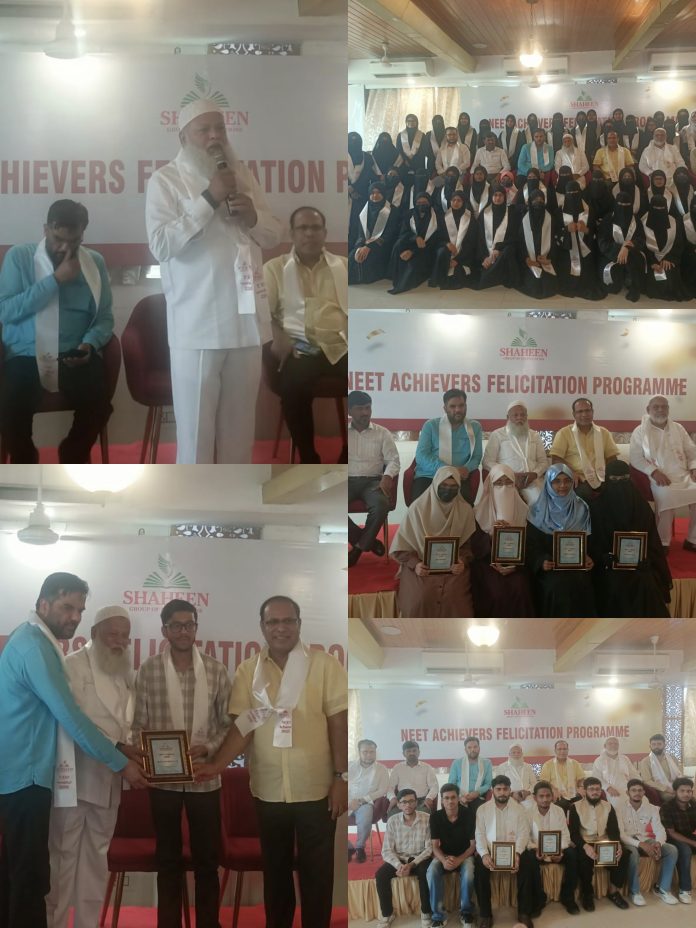
Shaheen Academy organised a grand event to honour its NEET achievers. The ceremony celebrated the students’ success and dedication.
The event was attended by educationists and community leaders. Among them was Abdul Qadeer, founder and chairman of Shaheen Group of Institutions.
In his keynote speech, Abdul Qadeer praised students and faculty. He stressed that education should not just be for earning. “Education can uplift society and spark social change,” he said. “It plays a key role in national growth and development.”
He reaffirmed Shaheen Academy’s mission: to offer value-based, holistic education. He said students must grow into responsible citizens and future leaders.
Abdul Qadeer urged students to look beyond personal success. He asked them to engage in social service and nation-building.
He also made a heartfelt appeal against lavish weddings. “Don’t spend lakhs on grand celebrations,” he said. “Use that money to educate your children, neighbours, and the poor.”
He called education the true celebration. “Transforming lives through education is the real joy,” he added.
He also underlined the need for wider educational outreach. “Five or six institutions are not enough,” he said. “We need 5,000 organisations working for value-based education. Shaheen must have 500 branches to transform society.”
Kaleemul Hafeez, Chairman of Al-Hafeez Educational Academy, also spoke. He compared Abdul Qadeer’s work to that of Sir Syed Ahmad Khan. “Abdul Qadeer Sahib is continuing that legacy to educate a new generation,” he said.
Noor Nawaz, founder of The Hind Guru Academy, echoed the same spirit. He reminded students of the idea of Rabbul Alamin—Lord of all worlds. “Be ambassadors of Prophet Muhammad ﷺ,” he said. “Show compassion, honesty, and service in all you do.”
The event ended with a special honour for teachers and staff of Shaheen Academy. Their hard work was praised as a key part of the students’ success.
The celebration not only recognised academic achievement but also highlighted education’s role in building a better society.
source: http://www.radiancenews.com / Radiance News / Home> Latest News> Report / by Radiance News Bureau / June 28th, 2025
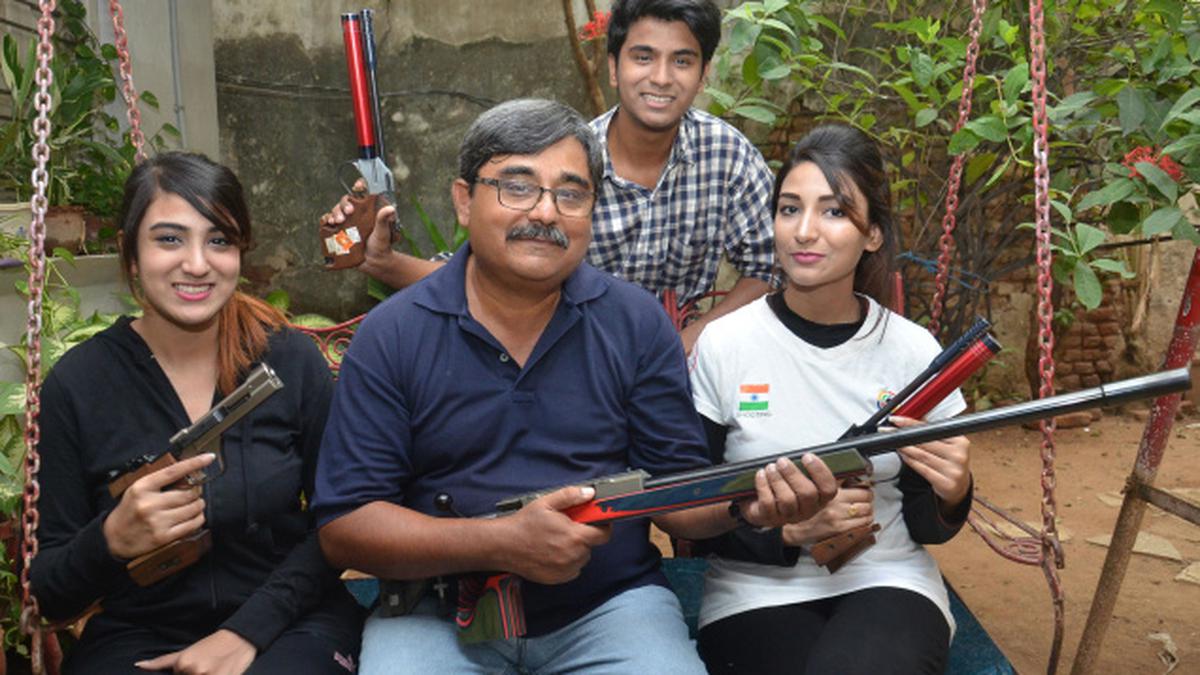
Siblings Nargis Fatima, Saba Fatima and Mohammed Zainulabedein on charting their own path in shooting
Narjis Fatima, A.M. Zainulabedin, and Saba Fatima with their father and coach Abbas / Photo: Nagara Gopal
On the first floor of Aga Mohammed Hussain’s house, Saba Fatima aims at the target as her sister Nargis Fatima and brother Mohammed Zainulabedein watch on. “I am very strict during practice and keep giving instructions,” laughs Saba. The trio do not indulge in the usual brother-sister spats and instead regularly practice on the home trainer range installed at home. These siblings make Hyderabad proud with their shooting achievements.
Interestingly, they are fulfilling their father Hussain’s dreams. Hussain has been shooting for the past 16 years and is a renowned shot. “Since I was into shooting, the children saw me and got guidance. The biggest advantage was that the weapons were at home,” recalls Hussain on how his children took to shooting. He also adds that his fatherly instincts do not come in the way of coaching. “When I am coaching I tend to forget I am their father. I am disciplined and strict and the results show. The only reason they have come up in the field at such a young age is because of their perseverance, discipline and dedication,” he says.
While Nargis Fatima won her first national medal at the age of 11, her aim is to make it to the Olympics. “By God’s grace both Saba and Zain are in the Indian national squad,” states Hussain. Saba, whose ranking is no. 4 is practicing to take part in shooting championship later this year. “Only the top three are sent by the sports ministry and she will be going at her own cost,” says Hussain.
Recently Saba, a D. Pharm student couldn’t go to Germany because of her final year exams. “D. Pharmacy is worse than medicine; it is a five-year course and I told her not to take it because she has to study a lot,” adds the father. However, he is more than glad with Zain’s performance and feels he will bring in laurels to the country. “Zain, whose ranking is number 5 is going for selection trials; Next year, he will be representing the country but getting into the Indian squad itself is a big achievement,” he points out.
Hussain speaks of his recent visit to Uttar Pradesh. “Youngsters are working very hard and one can see them practicing for even six hours,” he adds.
What do the girls do when not shooting? “I study or attend family parties,” laughs Saba. She feels Indian women shooters are charting their own path. “There is Heena Siddhu, who is making us proud,” she beams.
On the importance of having calm nerves during shooting, Hussain says, “For shooting, one needs a temperament that is extraordinarily soft and a synchronisation of multiple things; about 20 things happen in a fraction of a second and one needs to hone the technique and register it in the sub-conscious mind. Conscious mind is very powerful and the moment you shoot with it, you tend to lose everything. One needs to blindly follow what one has put in the training. Ninety percent shooters fail because they get excited and go in for score and don’t get the technique,” he explains.
source: http://www.thehindu.com / The Hindu / Home> Features> Metroplus / by Neerja Murthy / October 18th, 2016