Tag Archives: Indian Muslims

Zoological Survey of India Has 23 Muslims Among its 591 Officers and Other  Employees

Kolkata, WEST BENGAL / INDIA :
PUSHED TO THE MARGIN

On the list are 14 Muslim zoologists and scientists

To date, India has identified 102,718 animal species

Work is underway to discover new species in ecosystems

15 million living species still to be discovered

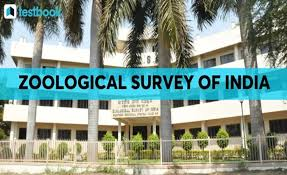
THE Kolkata-headquartered Zoological Survey of India (ZSI), whose scientists and field staff are engaged in exploring, naming, describing, classifying, and documenting animals from all over the world’s most populous country, has a miserably low number of Muslims – 23 – on its rolls that has a total of 591 officers, administration and field staffers, according to Mohammed Abdul Mannan’s new book, At the Bottom of the Ladder: State Of The Indian Muslims – https://www.amazon.in/dp/B0GF1Q9R25. The book quantifies Muslim presence in 150 key organisations, including Union ministries, departments, and organisations.

The Muslim scientists and zoologists at the ZSI are – Sarfraz Ul Islam Kazmi, Shaikh Rehnuma Sultana, Mohammed Hafiz, Imran Alam, Shabnam Nizamuddin Ansari, Jalil Ahmed, Mohammed Rasmanjani Ali, Anjum Nasreen Rizvi, Rifat Hussain Raina, Jafer Palat, Mohammed Ethtesham Ul Hassan, Ruqiya Bano, and K Bakh Mollah. There are seven Field Assistants from the largest minority community.

Among 82 ZSI scientists are two Muslims – Dr M E Hassan, a Scientist ‘E’ at the Gangetic Plains Regional Centre in Patna, and S R Sultana, Assistant Zoologist at the Freshwater Biology Regional Centre in Hyderabad. Among 98 officials at 15 Regional Centres, eight are Muslims, including two NRCs in Dehradun – Dr. Anjum Nasreen Rizvi, a scientist in Nematology, Helminthology and Molecular Systematics, and Dr S I Kazmi, a scientist in Hymenoptera. The Western Regional Centre in Pune’s four staff members include Dr Muhamed Jafer Palot, a scientist in animal taxonomy with a special interest in birds, reptiles, and butterflies. Dr Anjum Rizvi is the Managing Editor of the Journal of Indian Zoology.

The 108-year-old organisation has been working to understand and investigate the faunal diversity for scientific use and equitable sharing of the benefits of animal resources of the country. Formed in July 1916, it conducts surveys, exploration, and research that lead to the advancement of zoological knowledge. ZSI originated from the establishment of the Zoological Section of the Indian Museum at Calcutta in 1875.

It gradually expanded in terms of its manpower and research programme. Today, India is among the 17 mega-diversity countries of the world, with four biodiversity hotspots, including the Western Ghats/Sri Lanka, Indo-Burma, and the Himalayas. Currently, there are about 1.7 million living species described from all over the world, and another 15 million species are waiting to be discovered. To date, India has been able to describe 102,718 species of animals, and work continues to discover and explain new species, especially from the lower invertebrate groups occurring in various ecosystems. Also, the status of the higher group of animals is studied before their habitats disappeared on the planet Earth.

The country’s custodian of the animal resources has broadened its work in line with the Articles of the UN Convention on Biological Diversity (UNCBD), a multilateral treaty focused on conserving biodiversity, promoting its sustainable use, and ensuring the fair and equitable sharing of benefits from genetic resources.  As many as 157 countries signed it, like the United Nations Framework Convention on Climate Change (UNFCCC) and the United Nations Convention to Combat Desertification (UNCCD), at the UN Conference on Environment and Development in Rio de Janeiro in 1992. The CBD now has 196 countries as signatories, including India.  

To take the agenda further up, India also enacted the Biological Diversity Act in 2002 to implement the provisions of CBD, which covers biodiversity at all levels: ecosystems, species, and genetic resources. To support the implementation of its objectives, two internationally binding agreements were adopted within the framework of the CBD. The Cartagena Protocol, adopted in 2000 and entered into force three years later, regulates the transboundary movement of living modified organisms (LMOs).

The Nagoya Protocol, adopted in 2010 in Japan and entered into force four years later, establishes a legally-binding framework for access to genetic resources and the fair and equitable sharing of the benefits arising from their use. Experts say considerably less is done to assess the degree and value of biodiversity without knowing the species involved. The ecosystem’s health also cannot be monitored without recognizing the presence of the individual organisms crucial for the indication of ecological processes.

The ZSI has made extensive surveys across the country, and a large number of specimens have been collected. Of these collections, only about 65 percent have been taxonomically studied. These include the major groups of vertebrates. The organization provides information and vital data for the in-situ conservation of various species in different ecosystems, both within and outside the protected areas. The ZSI provides regular services with regard to permissible limits of legal trading of faunal resources or derivatives thereof, monitoring services on population status of commercially important species, and providing inputs for underutilised, culturable species, both from terrestrial and aquatic systems.

A part of the Union Ministry of Environment, Forest and Climate Change, it also undertakes Environmental Impact Assessment (EIA) with special reference to ecology and wildlife. Zoological surveys worldwide are crucial for understanding and managing biodiversity. These surveys involve various methods to collect data on animal populations, behaviour, and habitats, including field observations, monitoring programs, and advanced techniques like DNA analysis and satellite tracking.  

There are about 1.7 million living species described from all over the world and another 15 million species are waiting to be discovered. Based on the largest dataset to date, the global Living Planet Index (LPI) shows an average 73 percent decline in monitored wildlife populations between 1970 and 2020. It reports that there has been a large average decline across more than 34,000 animal populations.  In 2024, ZSI set up a pilot project to use eDNA (environmental DNA) to study and monitor wildlife.

Data analysis of the 2010-2020 decade reveals that a total of 4,112 species — 2,800 new species and 1,312 new records in 2020, India added 557 new species to its fauna, which included 407 new species and 150 new records, according to a document by the ZSI. The number of faunal species in India has climbed to 1,02,718 species with the discovery of the new species. There is no definitive, universally agreed-upon number for the total number of animal species in the world.

Estimates range from three million to 100 million. However, the most common estimates fall between seven and 10 million. About 1.5 million animal species have been formally described and named by scientists.  The ZSI publishes the Red Data Book on Indian Animals, which was first published in 1983 and is similar to the Red Data Book published by the International Union for Conservation of Nature (IUCN), the world’s largest and most diverse environmental network known for producing authoritative reports, standards, and tools for conservation.

To read and obtain more data, please visit:

At the Bottom of the Ladder: State of the Indian Muslims – https://www.amazon.in/dp/B0GF1Q9R25

source: http://www.clarionindia.net / Clarion India / Home> Big Story> India / by Team Clarion / April 27th, 2026
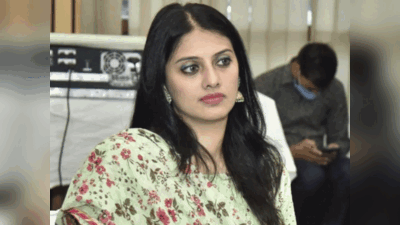
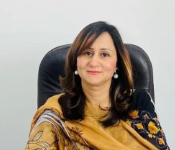
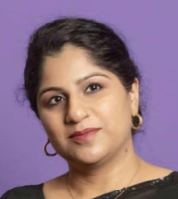
10 Muslim women who rule the Indian media space

INDIA :

Muslim women Journalists

New Delhi :

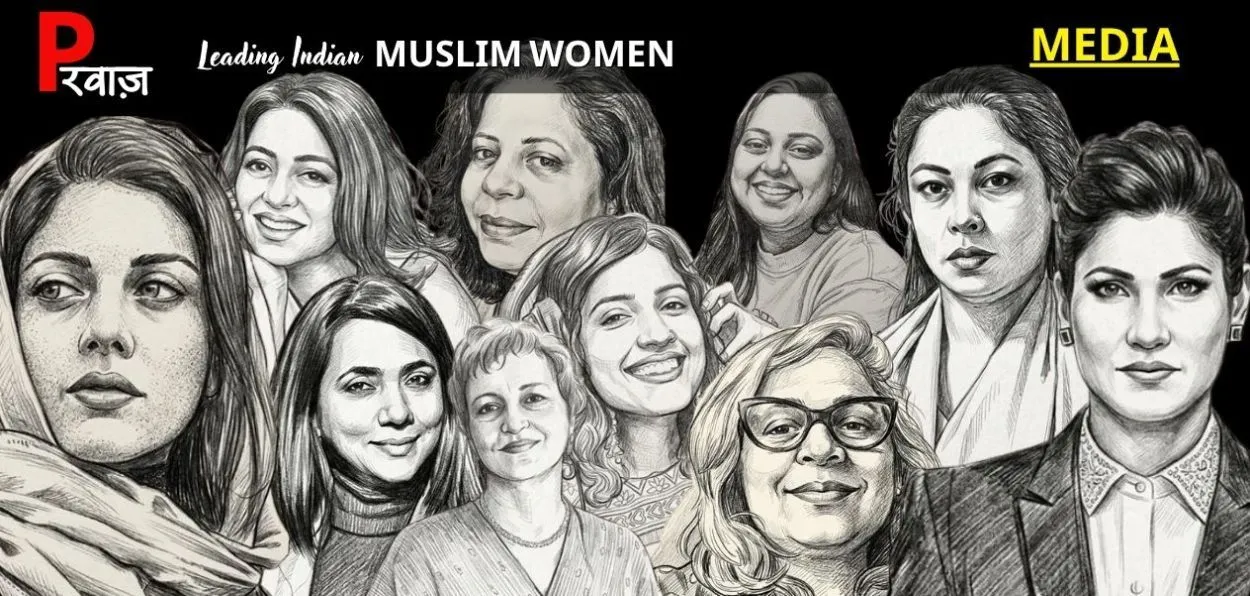
The media is considered a tough profession, and naturally, till few decades ago, very few women were part of it. However, the pioneers, especially among Muslims, whose journeys span television studios, radio booths, conflict zones, and digital platforms, helped turn the narrative on national and local issues. With a growing presence of Muslim women in newsrooms, on TV screens conducting prime-time news debates, as Radio Jockeys, and covering conflicts on the ground, they have empowered the community and made media space more inclusive.

Under its series ParvazAwaz-the Voice brings you the stories of ten women from the Indian media who have left a mark in the field. They represent a generation of women who refused to remain confined by convention and instead built identities rooted in excellence and purpose. Here are the top Muslim women media persons:

Yana Mir

Yana Mir has emerged as one of the strongest voices from Kashmir, challenging Pakistan-backed propaganda through journalism, entrepreneurship and advocacy. Educated in Mumbai and rooted in Kashmir, she returned to the Valley in 2020 to report stories often ignored, including the families of policemen killed by terrorists and the silence created by fear.

As CEO of the Real Kashmir Group, she has continued to document change despite threats and pressure.

Her speech at the UK Parliament in 2024 brought international attention when she spoke of feeling free and safe in India. Through her enterprise NourZuw, she also supports Kashmiri artisans and promotes economic self-reliance.

Seema Mustafa

Seema Mustafa stands among India’s most fearless journalists, with a career spanning nearly five decades. Beginning at The Pioneer at just nineteen, she went on to work with leading publications such as The Indian Express, The Telegraph and The Asian Age.

She reported from war zones, including Beirut and Kargil, earning the Prem Bhatia Award. Founder of the digital platform The Citizen, she remains a powerful advocate for independent journalism and women’s voices. As the first elected President of the Editors Guild of India, she reinforced the principle that journalism must question power, not flatter it.

Saima Rahman

Saima Rahman, fondly known as RJ Saima, is one of India’s most loved radio voices.

Raised in Delhi after being born in Nigeria, she developed a passion for language, music and public speaking early in life. Her journey began with All India Radio’s Yuv Vani and blossomed through the iconic show Purani Jeans, where songs, poetry and nostalgia created an emotional bond with listeners.

Through Urdu Ki Paathshala, she has also brought audiences closer to the beauty of the Urdu language and literature. Her voice continues to blend memory, music and social awareness.

Rubika Liyaquat

Rubika Liyaquat has built a strong identity in Indian television journalism through discipline, sharp reporting and composed primetime anchoring. Beginning with field reporting, she worked with networks such as Live India, News24, Zee News and ABP News, steadily rising to national prominence.

Beyond the newsroom, she is recognised for affirming India’s plural social fabric through messages of mutual respect and Hindu-Muslim harmony. Her journey highlights resilience, merit and the importance of coexistence in a polarised age.

Rana Siddiqui Zaman

Rana Siddiqui Zaman broke barriers to become a respected voice in journalism, particularly in cinema, culture and the performing arts. Educated at Aligarh Muslim University, she chose journalism when it was still considered unconventional for women.

Her defining years at The Hindu earned her acclaim for insightful columns and interviews with major artists. After professional setbacks and economic challenges, she reinvented herself and now works with the Children’s Book Trust. Her story is one of courage, reinvention and quiet determination.

Nagma Sahar

Nagma Sahar is widely regarded as one of the most balanced and socially committed voices in television journalism. Born in Patna and educated in Delhi, including studies at JNU, she brought academic depth to her reporting. At NDTV India, she covered major events from the tsunami in Tamil Nadu to elections in Kashmir.

Her show Salaam Zindagi brought issues such as addiction, discrimination and transgender rights into mainstream conversation with empathy and dignity. Her career reflects integrity and meaningful journalism.

Heena Kausar Khan

Heena Kausar Khan has become an important journalistic and literary voice by bringing the inner realities of the Muslim community into mainstream Marathi discourse. Raised in Pune, she started her career with Lokmat before turning to feature writing.

Through platforms like Sadhana Weekly and Loksatta, she explored identity, reform and changing social consciousness. Her books, including Itranama and Ijtihad, have earned acclaim and honours. She continues to advocate humanity, coexistence and nuanced understanding.

Atika Farooqui

Atika Farooqui has enjoyed a distinguished media career spanning more than two decades. Known as a thoughtful host and interviewer, she built her reputation through consistency rather than instant fame.

Working across news and entertainment, she became known for warm, intelligent conversations that focused on creativity and personal journeys rather than sensationalism. A poet and writer fluent in multiple languages, she remains relevant by adapting gracefully from television to the digital era.

Dr. Firdous Khan

Dr Firdous Khan, celebrated as “The Princess of the Isle of Words,” is a scholar, poet, journalist and translator whose work bridges spirituality, literature and media. Associated with the Sufi tradition, she has authored books such as Fahm al-Qur’an and Pioneers of Ganga–Jamuni Culture.

Her career spans Doordarshan, All India Radio and numerous print platforms. Writing in Urdu, Hindi, Punjabi and English, she has earned honours for journalism and literature while promoting harmony, service and the enduring power of words.

Shah Taj Khan

Shah Taj Khan, professionally known as Sheh Taz Begum Khan, is a distinguished Urdu author, journalist, and educator whose career spans more than twenty-five years across print media, broadcasting, literature, and academia.

Based in Pune, she has earned respect in Urdu journalism through roles as reporter, editor, producer, and creative director with organisations such as ETV News, where she helped shape the special bulletin Khas Baat, as well as publications like Nai Duniya Urdu Weekly and Media Star News Feature Agency

She has also made a notable contribution to children’s literature through science-based Urdu books such as Seen se Science and Picnic, praised for making scientific ideas engaging for young readers and supported by the National Council for Promotion of Urdu Language.

source: http://www.awazthevoice.in / Awaz, The Voice / Home> Stories / by Aasha Khosa / April 26th, 2026

Hyderabad-born Prof. Mumtaz Ali wins Malaysia’s National Book Award for third time

Hyderabad, TELANGANA / Kaula Lumpur, MALAYSIA :

Kuala Lumpur/New Delhi: 

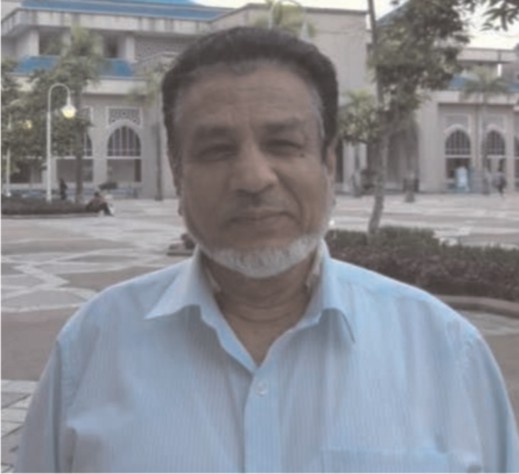
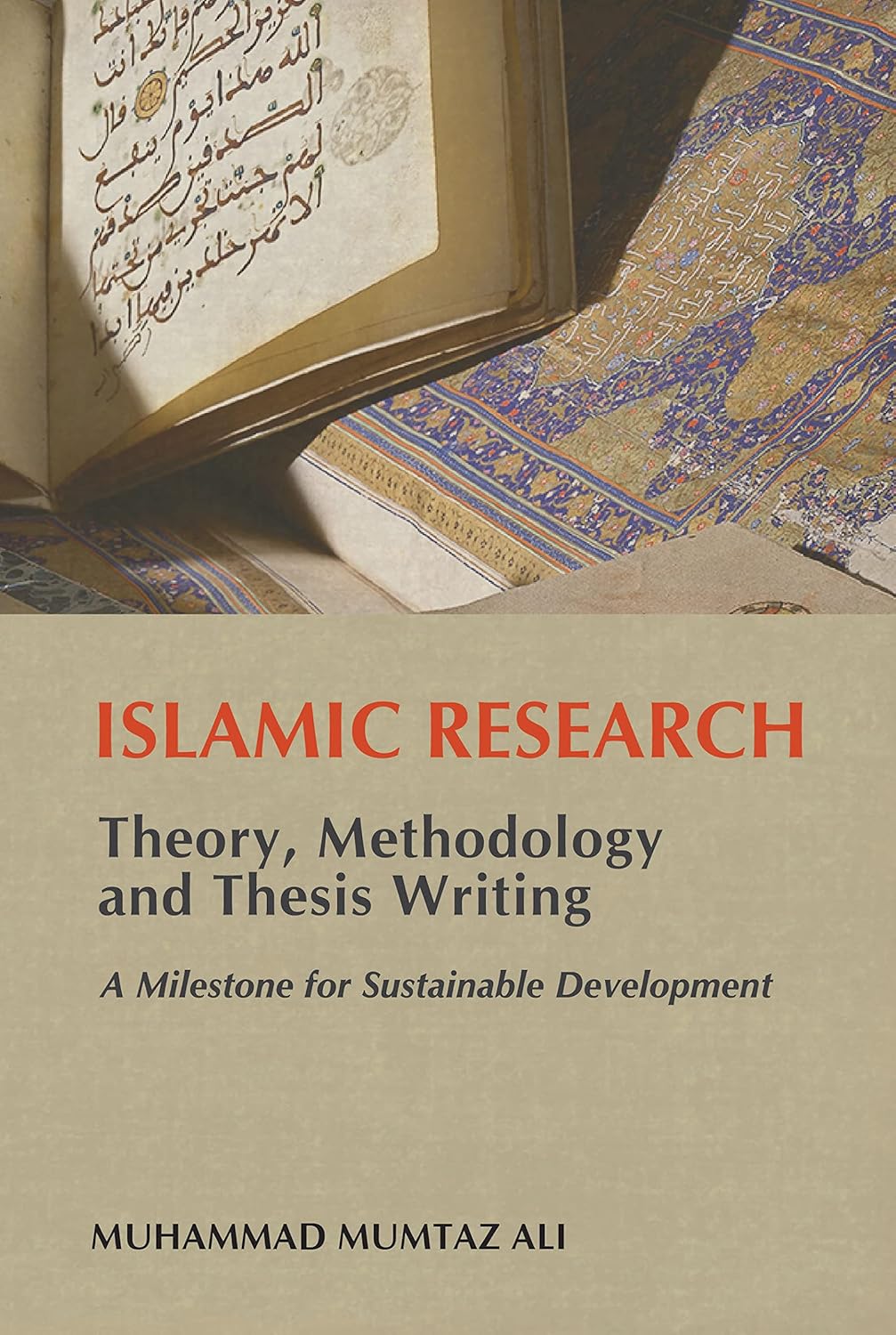
In a significant achievement, Professor (Dr.) Muhammad Mumtaz Ali, hailing from Hyderabad, India, has been honored with Malaysia’s National Book Award for the third time. Currently teaching at the International Islamic University Malaysia (IIUM) in Kuala Lumpur, Prof. Ali was recognized for his outstanding contribution through his latest work, “Islamic Research: Theory, Methodology, and Thesis Writing,” published in 2022.

pix: amazon.in

The prestigious National Book Award 2023 and Certificate for the year 2023 were presented to Prof. Ali in a grand ceremony held on December 22, 2023. The certificate carries the signatures of Prime Minister Dato Seri Anwar Ibrahim and Minister Dato Seri Zambry Abdul Qadir.

Born in Hyderabad in 1955, Prof. Ali holds a doctorate in philosophy in Islamic studies from Aligarh Muslim University. He began his academic journey by completing his master’s degree in Islamic studies at Aligarh Muslim University and a bachelor’s degree in modern western political thought from Osmania University.

Joining IIUM in 1987 as an assistant professor, Prof. Ali has been a dedicated member of the university ever since. Currently, he leads the Abdulhamid Abusulayman Kulliyyah of Islamic Revealed Knowledge and Human Sciences in the Department of Usul al-Din and Comparative Religion.

His award-winning book, “Islamic Research: Theory, Methodology, and Thesis Writing,” advocates for the transcendence of Islamic research beyond religious topics, emphasizing its relevance to all aspects of life and society. The book distinguishes Islamic research from conventional methods, emphasizing the need for a comprehensive theory and methodology.

Prof. Ali’s contributions extend to various branches of Islamic theology, including developmental studies, modernization, epistemological and methodological studies, critical thinking, philosophy of science, and modernity. His books, especially those on the Islamization of Knowledge, are widely regarded as bestsellers on campus.

In 2014, Prof. Ali received the National Book Award for his book, ‘Issues in Islamization of Human Knowledge: Civilization Building Discourse of Contemporary Muslim Thinkers.’ His consistent recognition reflects his commitment to advancing Islamic research and knowledge.

source: http://www.islamicvoice.com / Islamic Voice / Home> National News and Affairs / pix of book added – amazon.in / by Islamic Voice / February 24th, 2024.

Professor Dr. Zeenat Kausar Passed Away

INDIA / MALAYSIA :

Professor Dr. Zeenat Kausar breathed her last at 12:10 am on March 16, returning to her Creator. She had served for a long time at the International Islamic University Malaysia. Her death is not only a loss for academic circles but also a great loss for the entire Muslim Ummah.

Dr. Zeenat Kausar taught at the International Islamic University Malaysia, in the Department of Political Science from 1990 to 2006 and later taught at Qatar University, in the Department of International Affairs from 2007-2009.

A leading figure in faith-based women’s intellectual struggle, Dr. Zeenat Kausar completed her Master’s degree in 1986 and her PhD in 1991 from Aligarh Muslim University. At international conferences, she frequently spoke as a keynote speaker, presenting Islam and its perspectives on women in a highly effective and engaging manner, leaving a strong impression even on people of other faiths. Her book, Islamic Feminism: A Critique (Islam Vs Feminism: Emancipation, Liberation and the Development of Women) is widely known.

She had deep interest and expertise in various academic fields, including Islamic and Western political thought, feminism and its Islamic critique, modernity, development studies, and globalisation.

Professor Zeenat Kausar used to contribute her thought-provoking articles to Radiance Viewsweekly, especially when the magazine requested her to write articles for its Special issues.

Her recently completed book is about Dr. Wan Azizah, the wife of Malaysia’s Prime Minister Dato’ Seri Anwar Ibrahim. She had also requested Dato Iqbal to arrange a meeting with the Prime Minister’s wife. In this book, Dr. Wan Azizah’s personality is portrayed in detail – as a homemaker, a mother, a party leader, a political activist who helped realise the dreams of her imprisoned husband (when Anwar Ibrahim was Deputy Prime Minister), and a woman of struggle. Sadly, she passed away before her wish to meet Dr. Wan Azizah could be fulfilled.

Professor Dr. Tamim Usama mentioned that Dr. Zeenat was writing a detailed article on “Women’s Empowerment in Islam.”

The distinguished scholar’s husband, Professor Muhammad Mumtaz Ali, is himself a prominent scholar associated with the Department of Revealed Knowledge at the International Islamic University, Kuala Lumpur, Malaysia. When her body was placed in the room and colleagues stood around her, Professor Dr. Mumtaz Ali, spoke emotionally. He said: “It had not even been a month since our marriage. We were standing at a railway station. I had to leave for a training camp organised by the Jamaat. I told my wife, Dr. Zeenat: From this station, two trains are departing in different directions. One goes towards our home, and the other is the one I must take for social and missionary work. You may board whichever train you prefer.”

“Without a moment’s hesitation, she said: I will travel with you on the train that is going for the work of faith and Dawah.”

He further added: “From that day on, throughout our 46 years of married life, she remained my support and strength. Her thoughts and writings were a source of awakening for society. She was a practical example of the freedom that Islam envisions for women. She always had a thirst for knowledge, read extensively, and expressed her ideas in very simple language. As a wife, as the mother of my children, and as a thinker beneficial to society, she lived a meaningful life. I request all of you to pray for her success in the Hereafter.”

Thus, Dr. Mumtaz Ali concluded his brief yet deeply moving words about his wife, Professor Dr. Zeenat Kausar.

May Almighty Allah accept her good deeds and grant her the highest place in Jannat al-Firdaus. Aameen.

source: http://www.radiancenews.com / Radiance News / Home> Focus> Obiturary / by Radiance News Bureau / March 17th, 2026

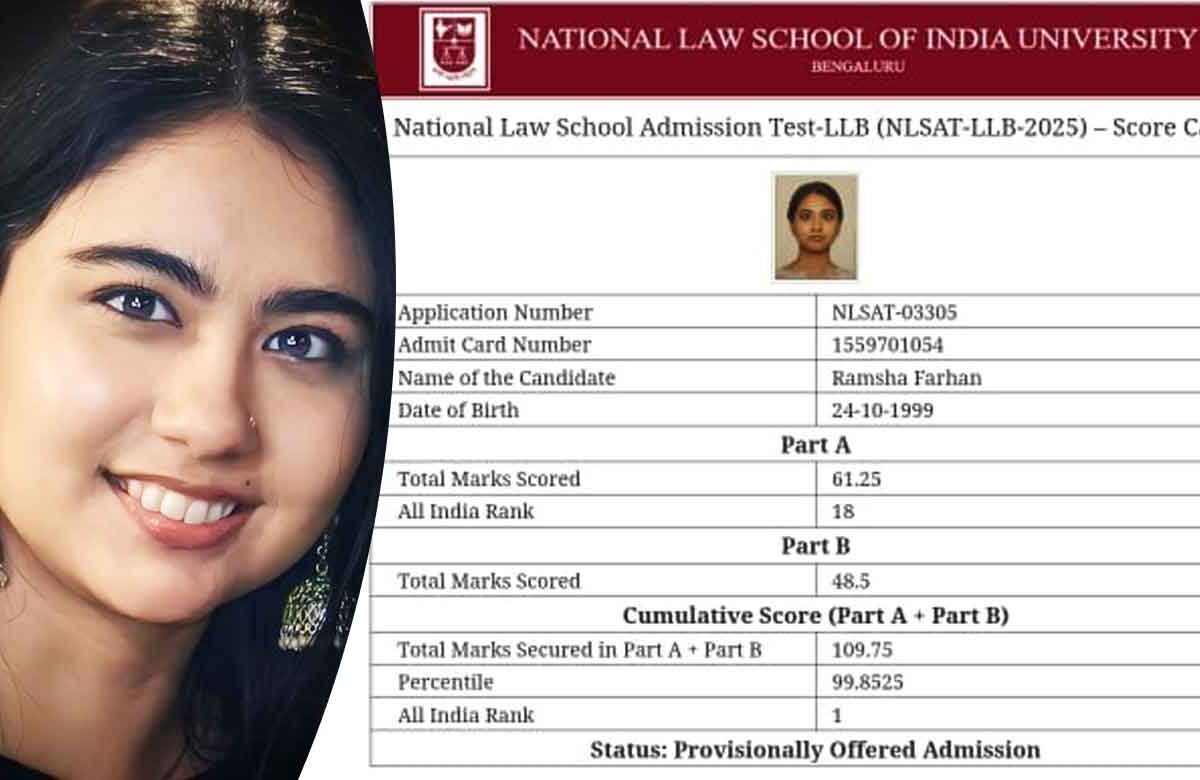
Hyderabad’s Ramsha Farhan Tops NLSAT-LLB 2025, Bringing Pride to the City

Hyderabad, TELANGANA :

Ramsha is an alumna of Azim Premji University, Bangalore, where she pursued her undergraduate degree in Liberal Arts. She later went on to complete a Master’s in History and Persian from the School of Oriental and African Studies (SOAS), University of London.

Hyderabad: 

In a moment of immense pride for Hyderabad, Ramsha Farhan has secured the 1st Rank in NLSAT-LLB 2025, the national-level entrance examination for admission to the prestigious National Law School of India University (NLSIU), Bangalore — widely regarded as the top law school in the country.

Ramsha is an alumna of Azim Premji University, Bangalore, where she pursued her undergraduate degree in Liberal Arts. She later went on to complete a Master’s in History and Persian from the School of Oriental and African Studies (SOAS), University of London.

She hails from a family with a strong legacy of intellectual and cultural contributions. Ramsha is the daughter of Ashhar Farhan and Humera Ahmed, co-founders of Lamakaan, Hyderabad’s iconic open cultural space. She is also the granddaughter of the celebrated writer and Padma Shri awardee Jeelani Bano.

Known for her academic excellence and deep social commitment, Ramsha Farhan’s achievement is not just personal but a proud milestone for her city and community. Her success is a testament to the values of education, culture, and progressive thought that her family has championed for decades.

We extend our heartfelt congratulations to Ramsha and wish her continued success as she embarks on her legal journey at NLSIU.

source: http://www.munsifdaily.com / Munsif News 24 x 7/ Home> Hyderabad / by Syed Mubashir / June 03rd, 2025

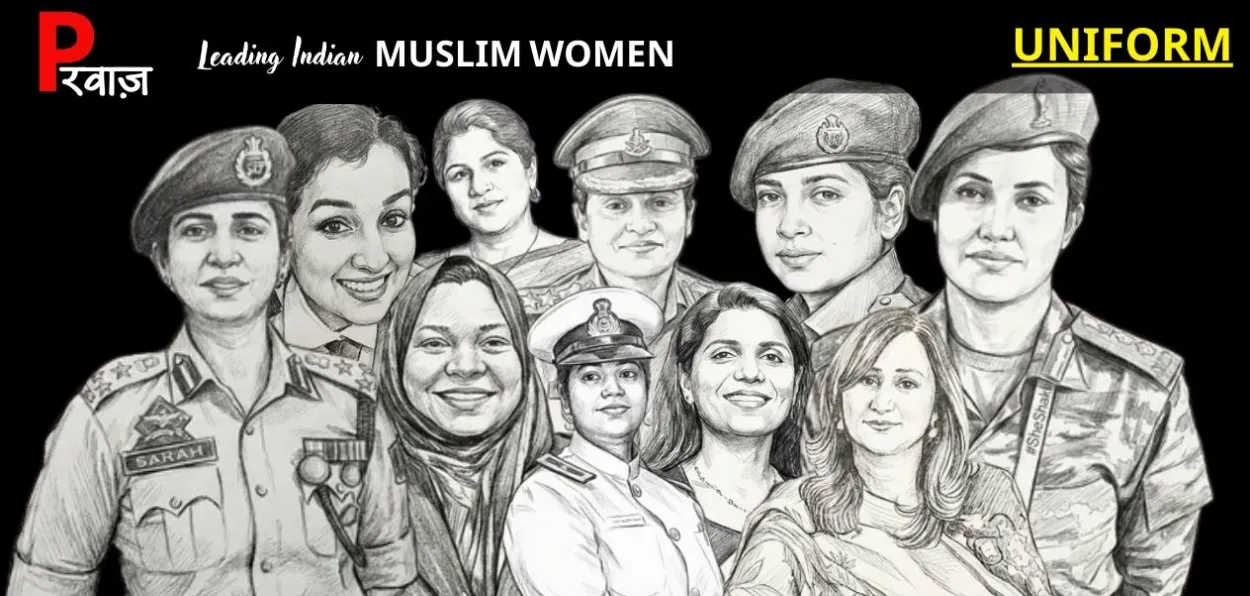
Muslim women donning uniforms are breaking gender and social barriers

INDIA :

Muslim women in uniform

New Delhi

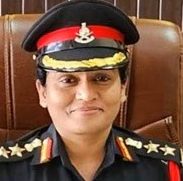
Col. Sofiya Qureshi’s briefing the media during Operation Sindoor surprised the world, for not only an Indian woman but also one from the Muslim community,  was briefing the media in the utmost professional manner, befitting an Indian Army Officer. Forget about the world; even many Indians could not believe that the Indian Army had women officers. The fact is that Muslim women have been part of the armed forces and technical workforce for many years.

Awaz-the Voice is bringing you ten stories of such women to inspire the younger generation:

Ajeetha Begum Sulthan stands as a compelling example of determination, discipline, and empathy in policing. Rising from a modest background in Coimbatore to become the Inspector General of Police (Crime Branch) in Kerala, she has built a reputation for tackling complex issues ranging from trafficking and drug networks to crimes against women and children. Known for her simplicity and strong sense of duty, Ajeetha believes that a police officer “cannot afford to go wrong,” a principle that has guided her through challenging postings and high-profile investigations.

Her journey reflects not only professional excellence but also a deep commitment to social responsibility and mentoring the next generation through initiatives like the State Police Cadet programme.

Anisa Nabi represents a rare blend of administrative commitment and athletic passion in Jammu and Kashmir. A 2012-batch JKAS officer and currently the Chief Sports Officer at the J&K Sports Council, she has consistently worked to promote sports, fitness, and youth engagement while building an impressive record as a runner who has completed major races like the Vedanta Delhi Half Marathon and the Tata Mumbai Marathon.

Through her initiative “Wondrous Women,” Anisa encourages women to embrace fitness and mental well-being, while her work in government—from GST awareness to grassroots livelihood programmes—reflects a strong commitment to empowering communities. By promoting sports as a positive pathway for youth, she continues to inspire many to lead healthier and more purposeful lives.

Ishrat Ahmed, hailing from the village of Nuaan in Rajasthan, embodies a remarkable legacy of service, discipline, and patriotism. Commissioned into the Indian Army in 2001, she has risen through the ranks to command an Ordnance Unit in Meerut, becoming the first woman from the Qaimkhani community to hold such a significant role. Coming from a distinguished family of military and civil service officers, Colonel Ishrat’s journey reflects both inherited values and personal determination.

Beyond her achievements in uniform, she continues to inspire young people—especially girls from rural backgrounds—to pursue careers in the armed forces and public service, making her story one of courage, leadership, and lasting inspiration.

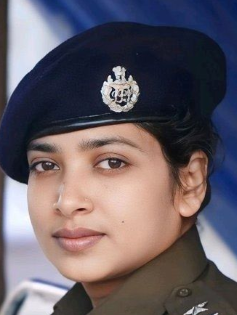
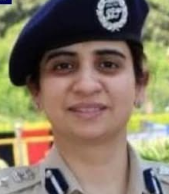
Bushra Bano’s journey from a small village in Kannauj to the ranks of the Indian Police Service is a story of resilience, faith, and unwavering determination. A scholar who completed her PhD at Aligarh Muslim University, Bushra balanced motherhood, professional responsibilities, and intense preparation for the civil services examination.

Remarkably, she appeared for her UPSC interview while eight months pregnant and eventually secured a place in the IPS, serving in the West Bengal cadre. Her journey—from lecturer and corporate employee to SDM and now a police officer—stands as an inspiring example for young women, proving that determination, family support, and education can turn even the most challenging circumstances into milestones of success.

Hana Qureshi has emerged as a leading voice in infertility treatment at the Cradle Fertility Centre in Kolkata, where she serves as the Centre-in-Charge of its Garia branch. Specialising in IVF procedures and advanced reproductive diagnostics, she combines cutting-edge medical science with compassionate patient care to help couples realise their dream of parenthood. Honoured with the ISAR Youth Icon Award in 2024, Dr Qureshi believes that discipline, perseverance, and continuous learning are key to success.

Through her patient-centred approach and commitment to innovation, she has become a trusted figure offering renewed hope to families facing infertility challenges.

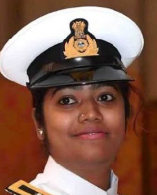
Reshma Niloufer Naha has made maritime history by becoming the world’s first woman river pilot at Kolkata Port Trust in Kolkata. Trained at the Academy of Maritime Education and Training, she spent years sailing across the world before undergoing rigorous pilot training and earning her position in 2018.

Guiding massive ships through narrow and challenging river channels demands exceptional skill, physical strength, and quick decision-making—qualities that Reshma has demonstrated consistently. Honoured with the Nari Shakti Puraskar, her journey stands as a powerful symbol of perseverance and women’s empowerment, inspiring young women to pursue careers even in the most challenging and traditionally male-dominated fields.

Sara Rizvi, a 2008-batch officer of the Indian Police Service from the Gujarat cadre, has built a distinguished career marked by resilience and dedication to public service. Currently serving as Deputy Inspector General of the Udhampur–Reasi range in Jammu and Kashmir on inter-cadre deputation, she is the only woman officer in the region to hold the DIG/IG rank.

From overcoming early financial struggles and personal loss to handling critical assignments such as elections, intelligence operations, and security challenges, Rizvi has consistently demonstrated leadership and commitment. Her journey—from a determined civil services aspirant in Mumbai to a senior police officer serving in sensitive regions—stands as a powerful testament to perseverance, courage, and a deep sense of social responsibility.

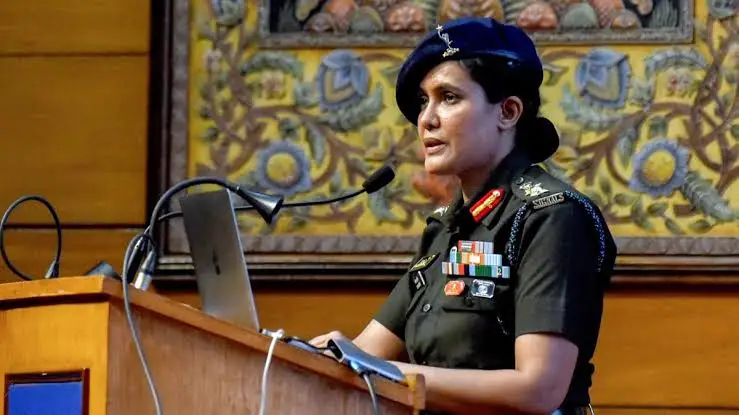
Col Sofiya Qureshi has emerged as a powerful symbol of perseverance and merit in the Indian Army, challenging long-standing stereotypes about gender and identity in the armed forces. Rising through the ranks with discipline and professionalism, she has taken on demanding leadership and operational responsibilities, demonstrating that capability—not background or gender—defines a soldier’s worth.

Through her quiet determination and consistent excellence, Sofiya has inspired many young women to envision a future in uniform, proving that dedication to service and nation can break barriers and reshape perceptions.

Tuba Sanobar, a young lawyer from Seoni now based in Bengaluru, is emerging as a powerful voice for civil rights, women’s empowerment, and data privacy. With an LLM in Criminology from Osmania University, she blends legal expertise with grassroots activism, working closely with the Association for Protection of Civil Rights to raise awareness about domestic violence and minority rights.

Through initiatives like the SOZ programme and her advocacy on digital privacy and community participation, Tuba represents a new generation of lawyers who see the law not merely as a profession but as a tool for social change and dignity.

Hana Mohsin Khan has carved an inspiring path in aviation, proving that determination can overcome social labels and late beginnings. Born in Meerut and educated partly in Saudi Arabia, Hana’s journey to the cockpit was anything but conventional—moving from journalism and entrepreneurship to pursuing aviation after discovering her passion later in life.

After rigorous training in the United States and Greece, she eventually flew her first commercial flight in 2020, becoming one of the few Muslim women pilots in India.

Her story reflects resilience, curiosity, and a refusal to be confined by stereotypes, inspiring young women to pursue their ambitions with confidence and courage.

source: http://www.awazthevoice.in / Awaz, The Voice / Home> Stories / by ATV / posted by Aasha Khosa / March 12th, 2026

Sisters with Panache

Mysuru / Bengaluru, KARNATAKA :

Nishat & Misba turn Panache into one of  Mysuru’s most loved fashion exhibitions…

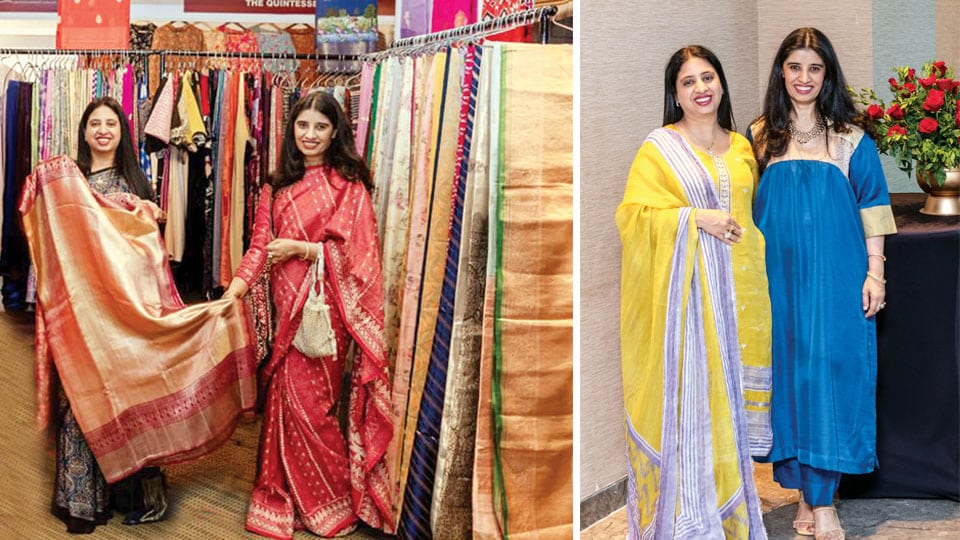
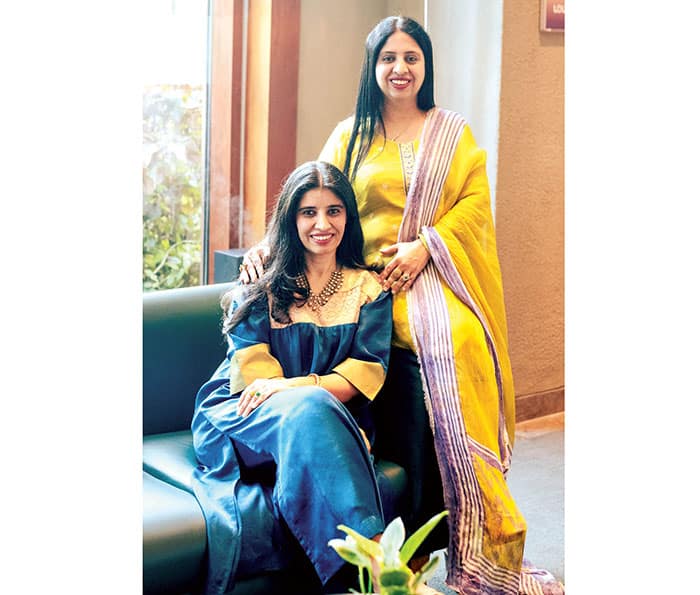
Nishat Mohsin and Misba Umrean, Co-founders of the fashion exhibition platform ‘Panache’, have been curating memorable fashion experiences in Mysuru for several years.

What began as a modest initiative has grown into one of the city’s most-loved fashion exhibitions, offering a thoughtfully curated experience while bringing designers and fashion enthusiasts under one roof.

Alongside its successful editions in Mysuru, ‘Panache’ has also travelled to Bengaluru and Coorg in collaboration with several high-end brands.

While successfully steering ‘Panache’, the duo also balances their entrepreneurial journey with family life and personal passions.

Nishat, born in Bengaluru & raised in Mysuru, is married to a businessman and is a mother of two who enjoys designing spaces and nurturing plants.

Misba, born in Mysuru and now based in Bengaluru, is a B.Com graduate, married to a Bengaluru-based professional and a mother of three who enjoys travel, adventure sports and cooking.

Speaking to Star of Mysore, the sisters open up about their journey, inspiration and vision behind ‘Panache’: “Fashion is not just about clothing, it’s about creativity, craftsmanship and giving designers a platform to shine.” —Ed

Star of Mysore (SOM): How did the fashion extravaganza Panache begin? And what inspired you both to venture into fashion exhibition curation?

Nishat Mohsin and Misba Umrean: ‘Panache’ was envisioned by Nishat in 2008 as an intimate platform connecting designers with fashion enthusiasts. When Misba joined in 2009, the exhibition gained new momentum and gradually evolved into a celebrated fashion destination.

Coming from business-oriented families, we always aspired to create something of our own. Our journey into exhibition curation is driven by a deep appreciation for fashion not just as clothing, but for the creativity and craftsmanship behind it. Through ‘Panache’, we’ve had the joy of bringing ideas to life while giving designers a platform to shine.

OM: Mysuru is known for its legacy of royalty and rich cultural identity. Do you think Mysureans have a unique fashion sense? And when it comes to style, what defines them more, silk sarees or contemporary fashion trends?

Nishat and Misba: Absolutely. Mysureans have a refined and graceful sense of style. Silk sarees hold a special place; they’re timeless, elegant and deeply rooted in tradition. At the same time, they embrace contemporary styles and modern silhouettes with equal grace. What makes their style truly distinctive is this seamless blend of heritage and modernity, marked by elegance and understated sophistication.

SOM: In your opinion, how has the representation of women in fashion events evolved over the years?

Nishat and Misba: The evolution has been remarkable. While women were once seen mainly as participants or models, today they lead as designers, entrepreneurs and key decision-makers, shaping the industry.

Fashion platforms have become powerful spaces for women to express their creativity and vision through their brands, and it’s inspiring to witness and contribute to this evolution.

SOM: How has the role of social media and digital platforms changed how fashion exhibitions are promoted and experienced?

Nishat and Misba: Social media have introduced a new dimension to fashion exhibitions. Promotions that once relied on word of mouth now reach audiences instantly. Digital platforms create anticipation even before the event begins, allowing us to connect with our audience early and extend the energy of the exhibition beyond its closing day.

SOM: What has been your most memorable exhibition moment? Have you encountered a last-minute crisis? How do you navigate them?

Nishat and Misba: Some of the most memorable moments are often the simplest. Watching a designer sell out, or a visitor finding exactly what they were looking for, is priceless.

Naturally, live events come with their share of challenges, from logistical hurdles to unexpected technical setbacks. Over the years, there have been many last-minute surprises and we address them with composure, teamwork & mutual trust.

Nishat Mohsin (sitting) with her younger sister Misba Umrean

SOM: How do you ensure smooth collaboration among teams and what defines the success of an exhibition for you?

Nishat and Misba: Effective collaboration begins with clear communication and mutual respect. We involve designers, production, and marketing teams from the very beginning. So, everyone feels aligned and valued.

For us, the success of an exhibition goes beyond numbers. It lies in the connections created when designers feel supported, visitors leave inspired and the continued trust people place in ‘Panache’ year after year.

SOM: How do you stay calm and manage stress when the event date is approaching?

Nishat and Misba: As the event date approaches, there is always a certain rush, but over the years with ‘Panache’, we have learnt that staying calm is a conscious choice. Careful planning helps minimise last-minute stress. A quiet prayer, deep breaths and trusting our team help us stay grounded and we believe that positive energy always reflects in the event.

SOM: What advice would you give someone who wants to break into fashion or event management?

Nishat and Misba: Fashion and event management may appear glamorous, but they require discipline, patience and emotional intelligence. Start small, build genuine relationships and stay consistent, as reputation is paramount. Above all, understand people, fashion is not just about clothing, but about emotions and confidence.

SOM: What message would you like to share with women this Women’s Day?

Nishat and Misba: To every woman, we would say that strength is not defined by others; it lies in your ambition and compassion. Celebrate your achievements without guilt, dream beyond your fears and never diminish yourself to make others comfortable. Your journey simply needs to be your own.

source: http://www.starofmysore.com / Star of Mysore / Home> Feature Articles> Top Stories / by Shadan Muneer / March 16th, 2026

Ghazipur’s Saima Khan Creates History: Clears UPSC Twice, Secures Rank 135

Usia Village Kamsarbar (Ghazipur District), UTTAR PRADESH / Kolkata, WEST BENGAL :

The daughter of Kamsarbar village in Uttar Pradesh becomes the first woman civil servant from her area, inspiring Muslim girls across the country 

New Delhi :

In a moment of pride for Indian Muslims, especially young women from small towns, Saima Saraj Khan from Kamsarbar in Ghazipur district, Uttar Pradesh, has once again cleared the prestigious Union Public Service Commission (UPSC) Civil Services Examination. This time, she achieved an impressive All India Rank of 135, improving on her earlier success where she secured Rank 165. With this double achievement, Saima joins the rare group of women in the country who have passed the tough exam twice.

Saima, the only daughter among three siblings, hails from Usia village in the Muslim-majority Kamsarbar area of Ghazipur. Her family later moved to Kolkata, where she grew up and studied. Her father, Saraj Ahmad Khan, is a successful businessman and builder, and he played a big role in encouraging her education from childhood. “My father always said education is the biggest power. Once you get it, paths in life open on their own,” Saima recalled.

Most of Saima’s schooling took place in Kolkata. She completed up to Class 8 at St. Paul’s Boarding and Day School in Kidderpore, then did her Class 12 from Ashok Hall Girls Higher Secondary School. She graduated with honours in Sociology from St. Xavier’s College. During her college days, working with an NGO brought her close to real problems faced by people on the ground. “When I met people and saw their struggles, I felt I wanted to help them, even if in a small way. That need for real authority to make change pushed me towards UPSC,” she said.

Saima prepared for the exam at Educate IAS Academy in Kolkata. After clearing prelims in earlier attempts, she also guided other aspirants for some time. Her journey was not easy. She failed three times before her first success in UPSC 2023, which made her the first woman from Kamsarbar to become a civil servant. Each failure tested her deeply. “Every day after those failures, the thought of giving up came. But I had no other plan. All my dreams were tied to UPSC, so I kept going,” she shared.

To focus fully, Saima cut herself off from social media and most social events for four to five years. She rarely visited relatives or attended weddings, limiting outings to occasional meetings with childhood friends once a month. “There was no fixed study time, but I gave as many hours as possible to studies,” she explained.

Her message to other aspirants is clear and practical. “First, be honest with yourself. If you study five hours, focus on quality, not just quantity. Consistency matters most. Don’t worry too much about results—just keep preparing fully.” She also spoke directly to Muslim girls and women: “Dreaming and working to fulfil those dreams is every girl’s right. Women can succeed in any field. Never give up on your dreams.”

Saima’s success brings huge joy to her family, village, and district. People in Ghazipur and beyond see her as a strong example of self-reliance and hard work for Muslim women, where many still face limits on education and careers. Her story shows that with family support and belief in oneself, no goal is too far.

She quoted a line that sums up her journey: “Where there is a will, there is a way.” Saima often repeats that difficulties and failures are part of success. “Don’t let them take over you. Keep pushing.”

Her achievement also connects to Kolkata’s proud history—from Satyendranath Tagore, the first Indian ICS officer from united India, to now Saima becoming the first woman civil servant from Kamsarbar. “Education is the real power,” she stresses, echoing her father’s words from childhood.

As news of her Rank 135 spread, young Muslim girls in Uttar Pradesh and across India are finding fresh hope. Saima proves that with clear goals, steady effort, and strong resolve, women from humble backgrounds can reach the top. In the words of poet Dushyant Kumar that capture her spirit perfectly:

“Kaise aakaash mein suraakh nahin ho sakta

Ek patthar to tabiyat se uchhaalo yaaro”

(How can the sky not have a hole?

Just throw a stone with real courage, friends.)

Saima Khan has thrown that stone with full courage—and broken through barriers for many to follow. Her story is a shining light for education, perseverance, and the power of dreams in the Indian Muslim community.

source: http://www.clarionindia.net / Clarion India / Home> Editor’s Pick> Indian Muslims> Women / by Mohammad Bin Ismail / March 10th, 2026

Adibah Anam, rickshaw driver’s daughter, becomes Maharashtra’s first Muslim woman IAS officer

Yawatmal, MAHARASHTRA :

Adibah Anam, rickshaw driver’s daughter, becomes Maharashtra’s first Muslim woman IAS officer.

Defying immense odds, Adibah Anam, daughter of a rickshaw driver from Yavatmal, Maharashtra, has achieved an extraordinary feat by securing All India Rank 142 in the UPSC Civil Services Examination 2024.

With this, she becomes the first Muslim woman from her state set to join the prestigious Indian Administrative Service (IAS), according to Clarion India.

Raised in a modest household, Adibah’s story is one of sheer determination and purpose. She began her education in a Zilla Parishad Urdu School, scoring an impressive 94% in SSC and 92.46% in HSC (Science).

Though she once dreamt of becoming a doctor, her maternal uncle, Jan Nizamuddin Sahib, guided her toward civil services, believing she could bring broader change. He supported her emotionally and financially, becoming a pillar in her journey.

Adibah completed her graduation in Mathematics from Abeda Inamdar College, Pune, with 85.20%. Despite clearing the NET exam, she chose not to enter academia and began preparing for the UPSC.

Her early attempts were marked by struggle, especially during the COVID-19 pandemic. Her third attempt, from Mumbai’s Hajj House under Maqsood Khan Sahib’s mentorship, brought her closer, but she still missed the final list.

Refusing to give up, she joined the Residential Coaching Academy at Jamia Millia Islamia in Delhi, where she finally succeeded. Choosing Urdu Literature as her optional subject despite a science background, she showcased her academic versatility and deep cultural roots.

Her parents remained her silent strength. “My father never asked me to stop. He only said, ‘May Allah make you successful,’” she shared.

Today, Adibah’s success is a beacon of hope for marginalized communities. “This victory belongs to every girl told to stay behind,” she says. “This is just the beginning.” — With Agencies Inputs

source: http://www.muslimmirror.com / Muslim Mirror / Home> Indian Muslim / by Muslim Mirror Desk / April 27th, 2025

Yunus Sayyad’s journey from cancer patient to award-winning author

MAHARASHTRA :

Yunus Sayyad receiving the award for his book ‘Inuchi Goshta

The conferring of the prestigious ‘Lakshmibai Tilak Award’ by the Maharashtra Government on ‘Inuchi Goshta‘ (The Story of Inu) is a tribute to its author, Yunus Sayyad, for his resilience in fighting a slew of diseases, including cancer, and sharing his experience with public through the book.

Yunus Sayyad was pursuing his Master’s degree at Fergusson College when he was diagnosed with blood cancer.

For the next year, he underwent treatment at Mumbai’s Tata Memorial Hospital. During that time, he had to battle 13 different diseases. Twice, his health deteriorated to the point of hopelessness. Friends who saw him in the ICU thought it would be their last meeting.

However, today, Yunus has dodged death and become a ray of hope for thousands of patients. His book ‘Inuchi Goshta‘ (The Story of Inu) is the story of his struggle with diseases.

Yunus Sayyad receiving the award

A visibly happy Yunus Sayyad told Awaz-the Voice, “When the award was announced, I was doing cancer awareness work in the Konkan region—in Sindhudurg, Ratnagiri, and Raigad. At one place, I was conducting a session for medical officers and primary health centre staff on palliative care centres on the care of cancer patients. Coincidentally, I was in a village very close to Lakshmibai Tilak’s village, and the award is also in her name. It was a great coincidence that I was doing cancer awareness work, which is the exact subject of my book.”

Yunus faced many difficulties while undergoing cancer treatment. Common patients have no information about things, such as the cost of treatment, proper diet, precautions during chemotherapy, and scientific methods of drinking water. Often, many things can be learned only through experience.

Yunus says, “I found solutions myself to all the problems I faced. With the thought that my journey and experiences should benefit other patients, I started writing a diary.” This diary was later transformed into a book. Since Yunus’s nickname is ‘Inu’, the book was named ‘Inuchi Goshta‘, and its tagline was kept as ‘Ajun Mi Jivant Ahe‘ (I am still alive).

Yunus’s mother had never seen the world outside her village till her son was diagnosed with cancer. For Yunus’s treatment, she rented a room in a slum area in Mumbai and lived there.

Yunus says, “My mother’s struggle was bigger than mine. She endured the heat of Mumbai, the environment there, and the constant physical strain caused by my illness for a year.”

Yunus Sayyad with his family

While bedridden and undergoing treatment for cancer, Yunus diligently wrote down memories from his childhood in a diary.

The book ‘Inuchi Goshta‘ is not just confined to cancer patients. Reading the story of a young man who fought and survived 13 diseases in a year is inspiring many ordinary people as well. The Maharashtra State Board of Literature and Culture selected this book from among 80 books.

Receiving a state award for an autobiography in the adult literature category at the age of just 26 makes Yunus the youngest literary awardee this year. He achieved this success purely on the strength of his experience, without previous inclination to writing.

Yunus said, “My book was published at the end of 2024. After publication, it received the ‘Navlekhak‘ (New Author) award from the Pune Book Festival. After that, the book was read by many cancer patients. Most importantly, on Cancer Day last year, I was invited as a guest to Tata Memorial Hospital, the very hospital where I was treated, and an informal launch of the book took place there too.”

Yunus also founded an NGO named ‘Aarambh‘. He says, “It’s wrong to think that our life is over after cancer. Modern medical science has good options like immunotherapy and targeted therapy.”

He also made a video on the treatment process at the Tata Hospital, which was watched by thousands of people. Many of them contacted him, and he helped 2500 patients get admitted into hospitals for treatment.

Today, he says, more than 85 per cent of them are living normal lives.

source: http://www.awazthevoice.in / Awaz, The Voice / Home> Stories / by Bhatki Chalak, Pune / March 10th, 2026