Parvez Parwaz, a 72-year-old former journalist and social activist, died in Gorakhpur District Jail on Sunday while serving a life sentence in a gangrape case. Jail officials said he suffered from high blood pressure and diabetes. He developed breathing difficulties late Saturday night and was taken to the district hospital, where he died around 2:50 am during treatment.
Parwaz had been in custody since September 2018 after a woman accused him and another man of gangrape. A district court sentenced him to life imprisonment in July 2020.
His death has revived attention on his prolonged legal challenge against a 2007 speech by Uttar Pradesh Chief Minister Yogi Adityanath, then a BJP MP from Gorakhpur. On 27 January 2007, Parwaz recorded Adityanath addressing a gathering near Gorakhpur railway station amid communal tension following a clash during a Muharram procession. Adityanath was quoted saying that for the blood of one Hindu, “we will not get an FIR registered against the administration, but will instead have at least 10 such people killed.”
Violence followed in parts of the city, with reports of at least two deaths and extensive property damage. Parwaz sought an investigation into alleged incitement. A local court rejected his plea, and later efforts, including before the Supreme Court, did not yield the proceedings he sought before his own criminal case led to imprisonment.
source: http://www.muslimmirror.com / Muslim Mirror / Home> Indian Muslim> Media / by Muslim Mirror Desk / October 13th, 2026
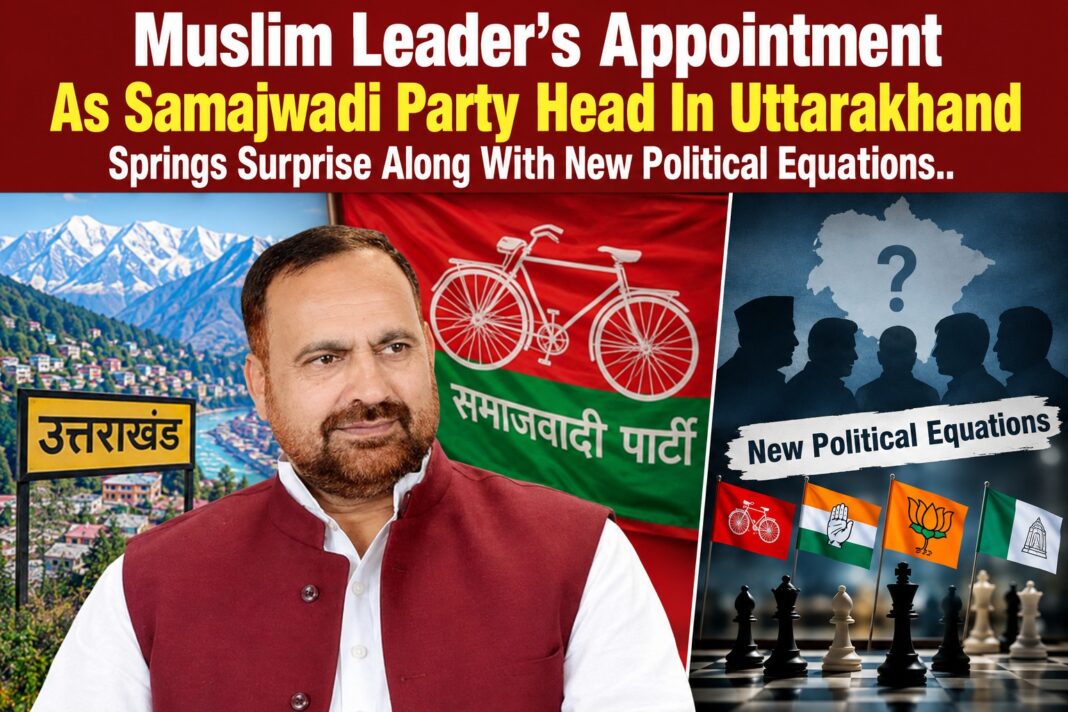
The appointment of a Muslim leader, Abdul Mateen Siddiqui, as the new president of Samajwadi Party state unit in Uttarakhand has sprung surprise in the political circles and indicated the emergence of new political equations less than five months ahead of high-stakes Assembly elections in the state as well as in neighbouring Uttar Pradesh.
Sixty-six-year-old Siddiqui hails from the Nainital district and has previously served as Samajwadi Party’s general secretary and state in-charge in Uttarakhand. He previously contested the Haldwani Assembly seat on the party ticket in 2007 and 2012, but lost both the times.
Following his appointment, Siddiqui announced the dissolution of all existing state executive committees, district units, and frontal organisations to rebuild the party structure from the ground up ahead of the Assembly elections. Alongside Siddiqui, Sonam Bagwadi and Abha Barthwal were named as state in-charges/observers for the Uttarakhand unit of Samajwadi Party.
Siddiqui, a businessman, has replaced a mahant, Shubham Giri, who was named Samajwadi Party’s working president over eight months ago. This is the first time that the party, which was once a force to be reckoned with in Uttar Pradesh, has appointed a Muslim face as the Uttarakhand unit president.
Alongside forming a new state executive committee, Siddiqui has been asked to focus on nearly 20 seats with significant Muslim populations across Haridwar, Udham Singh Nagar, Dehradun and Nainital districts, and to also work in bordering Muslim-dominated districts of western Uttar Pradesh. Uttarakhand is scheduled to go to the polls along with Uttar Pradesh in February 2027.
Muslim voters have largely supported the Congress and the Bahujan Samaj Party in these seats in several elections in the past. Rajendra Chaudhary, Samajwai Party spokesperson and in- charge of Uttarakhand, was quoted as saying by media outlets that Siddiqui has been appointed because Muslims are a major constituent of the electorate in the districts located in the plains of Uttarakhand.
Evidently, the move to appoint Siddiqui forms part of Samajwadi Party’s strategy to consolidate support in Muslim-dominated Assembly seats across several districts in Uttarakhand as well as the bordering regions in western Uttar Pradesh. The decision is also set to create new political equations in the region, as the Muslim community will be playing a crucial role in the 2027 Assembly elections with its capacity to determine the poll outcome.
Samajwadi Party had appointed Shubham Giri, 34, as the Uttarakhand unit working president in January this year, when the Magh Mela in Prayagraj had turned into a political battlefield as the ruling Bharatiya Janata Party and the Opposition parties like the Samajwadi Party and Congress took on each other over the alleged high-handedness of the Uttar Pradesh administration towards Swami Avimukteshwaranand Saraswati, the Shankaracharya of the Jyotirmath in Uttarakhand.
Jyotirmath, also known as Joshimath, is a sacred town and municipal board in the Chamoli district of Uttarakhand. It is one of the four cardinal monasteries established in the 8th century by Adi Shankaracharya. It also serves as the winter home of Lord Badrinath, as the deity is moved from the Badrinath Temple to the ancient Narasimha Temple in Jyotirmath during the winter months.
Swami Avimukteshwaranand had staged a sit-in protest after the Uttar Pradesh police allegedly prevented him from taking a holy dip at the Triveni Sangam on the occasion of Mauni Amavasya on January 18 this year. The Prayagraj administration denied these allegations. Akhilesh and the Congress had extended support to the seer, attacking the ruling BJP for disrespecting the religion.
On Giri’s appointment then, the Samajwadi Party camp had said it was done because the party respected all mahants, seers and saints. His selection was also seen as an attempt to counter the BJP’s allegation against the Samajwadi Party for indulging in so-called Muslim appeasement.
Samajwadi Party has maintained that Giri’s performance as the Uttarakhand unit chief was not satisfactory. Despite this, he has now been appointed as the state unit’s co-incharge. Giri, on the other hand, has stated that he had tried to strengthen Samajwai Party in the state and organised various programmes to connect with people.
“But some people in the party got upset with me. Also, I am preparing to contest election from Pirankaliyar seat in Haridwar district. So, I requested the party leadership to free me from the responsibility of the state working president, so that I can focus on my seat,” Giri was quoted as saying. Being a mahant, Giri wears saffron and lives in an ashram in Haridwar. He has been engaged in various religious activities.
Siddiqui has announced that since the Assembly elections are round the corner in both Uttarakhand and Uttar Pradesh, he will work to boost the party’s prospects in both states. He says he will focus on about 20 seats in Uttarakhand which have significant Muslim population, and affirms that the party will contest with full strength there.
“I will work also in several seats in bordering western Uttar Pradesh districts like Bareilly, Rampur, Moradabad, Bijnor, Saharanpur, etc., where Muslims are in large numbers. Our first priority is to ensure the formation of the Samajwadi Party government in Uttar Pradesh,” Siddiqui said.
Both the Samajwadi Party and the Congress, which are currently allies in the Opposition INDIA bloc, vie with each other for Muslim votes in these districts of western Uttar Pradesh. While the two parties are preparing to forge an alliance to fight the elections in Uttar Pradesh, no such alignment between them is expected in Uttarakhand.
Muslims make up about 14% of Uttarakhand’s population. The districts with the highest proportion of Muslims in the state are Haridwar (34.28%), Udham Singh Nagar (22.58%), Nainital (12.65%) and Dehradun (11.91%). In the 2022 Uttarakhand Assembly polls, Samajwadi Party had contested 55 of the state’s 70 seats, failing to open its account.
The BJP won 47 seats to return to power, with the Congress winning 19. The BSP won two seats, Manglaur and Laksar in Haridwar, with both its winning candidates being Muslim. In the 2022 Uttar Pradesh elections, the BJP returned to power by winning 255 of the state’s 403 seats as against Samajwadi Party’s 111. In western Uttar Pradesh, which accounts for 74 seats, Samajwadi Party got 23 and its then ally Rashtiya Lok Dal eight, with the BJP bagging 43 seats.
source: http://www.indiatomorrow.net / India Tomorrow / Home> Politics / by India Tomorrow, Correspondent / October 14th, 2026
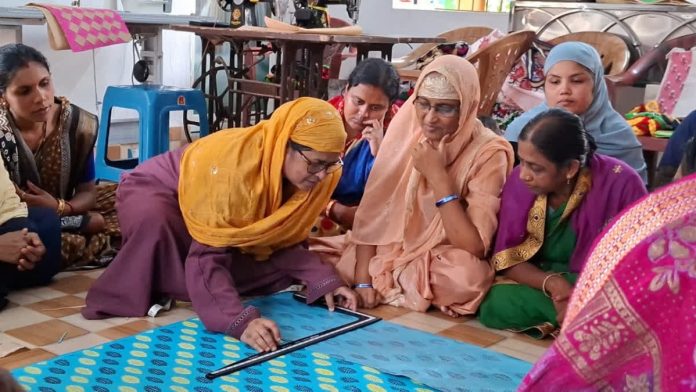
In a workspace near the Budhi Jagulai temple in Odisha’s Kendrapara district, 26 women divide tasks with quiet efficiency. One stitches the body of a shopping bag, another attaches the handles and a third applies the finishing touches. Bringing them all together is Israt Jahan, a 50-year-old woman whose path into earning a livelihood began with loss.
After the death of her husband Zakir Hussain Khan, a well-known local sportsman and journalist, Israt stepped outside her home to support her family. She drew on sewing skills that dated back to 1985, took up wool craft, embroidery and stitching, and eventually built something larger than she had imagined.
In 2019, she formed the Swadhin Producer Group. The COVID-19 pandemic halted work for two years, but when the women decided to resume, they pooled their personal savings and collected Rs 18,000 to restart without any initial government assistance. They shifted to jute work in 2022, drawn to the material’s biodegradable nature and the growing demand for plastic-free alternatives in a district already known for jute cultivation.
“We chose jute because it is environment-friendly,” said group secretary Rajida Khanam.
The group’s product range now includes handbags, shopping bags, bottle carriers, office and laptop bags, lunch bags, files, folders, sitting mats and letter holders. Fabric is sourced from Cuttack and, when demand rises, from Kolkata. Priced from Rs 150 per bag, each piece takes a skilled member around 10 to 15 minutes to complete.
Members earn between Rs 3,000 and Rs 5,000 a month. The group’s annual income stands at Rs 5 lakh to Rs 7 lakh. A one-time government startup grant of Rs 2.04 lakh helped them purchase eight machines, including an embroidery machine and electronic sewing units. No further financial grant has followed.
The group also receives bulk orders for files and folders used in agriculture, horticulture and block-level training programmes, sometimes running into thousands of pieces. Most retail sales take place at fairs.
For member Subhasini Swain, the venture offers something beyond income. “Besides learning and earning happening together, the Hindu-Muslim companionship here is the best part,” she said.
Kendrapara Collector Raghuram R. Iyer said the administration would ask Mission Shakti’s district programme manager to examine the group’s marketing needs and arrange additional credit support if required.
Israt’s own hope is straightforward. “The women want to contribute to their children’s education and support their families. If our message reaches the government, we would like some additional help,” she said.
source: http://www.radiancenews.com / Radiance News / Home> Latest News> Markers of Excellence> Social Service> Personality / by Radiance News Bureau / October 06th, 2026
Hyderabad, TELANGANA / Birmingham, UNITED KINGDOM :
The Hyderabad-origin doctor’s three-decade pursuit of better diabetes care and fairer health outcomes earns him an Officer of the Order of the British Empire (OBE)
Hyderabad :
The news arrived with all the ceremony one would expect of a royal honour. For Prof Wasim Hanif, however, it also prompted a journey in the opposite direction — back to Hyderabad.
Back to St. George’s Grammar School. Back to Gandhi Medical College. Back to the city where medicine first became more than a profession and where a young student began imagining a life in healthcare.
This month, Prof Hanif was named an Officer of the Order of the British Empire (OBE) in the King’s Birthday Honours List 2026 for services to diabetes care and tackling health inequalities. In Britain, the award recognises a career spent shaping policy, advancing research and advocating for patients often overlooked by healthcare systems.
In Hyderabad, the news was received somewhat differently. Here, the honour belongs as much to memory as achievement.
Hanif grew up in a Hyderabad that was very different from the technology hub it would later become. His father served as General Manager of the Azam Jahi Mills at Gunfoundry, one of the institutions that formed part of the city’s industrial landscape. Education was valued, ambition was encouraged and, like many Hyderabadi families of the period, the expectation was simple: work hard, study harder.
Medicine became his path, first in Hyderabad’s classrooms and later in hospitals thousands of miles away. At Gandhi Medical College, Hanif belonged to a generation of students who viewed medicine not merely as a profession but as a public service. The crowded wards, demanding schedules, and constant interaction with patients offered lessons that would remain with him long after he left the city.
When he moved to the United Kingdom in 1995, he joined a long line of Indian doctors seeking advanced training and professional opportunities abroad. Over time, one question increasingly shaped his career: why do some communities experience significantly poorer health outcomes than others?
For Prof Hanif, diabetes was never simply a disease measured through blood sugar levels or laboratory reports. It was also a lens through which broader questions about society could be examined. Why were certain ethnic groups more vulnerable? Why did some communities have less access to healthcare? Why did outcomes differ so sharply between populations living in the same country?
These questions would come to define much of his professional life.
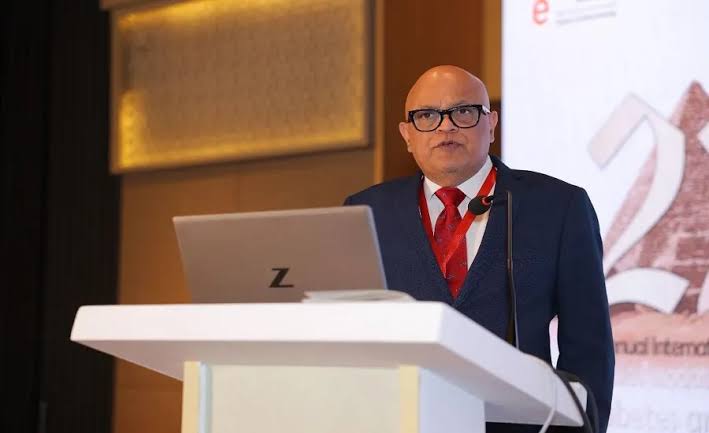
Today, he serves as a professor of diabetes and endocrinology at University Hospitals Birmingham and Clinical Advisor to Diabetes UK. His expertise has taken him far beyond hospital clinics and lecture halls. He has advised the World Health Organisation (WHO), the European Union and the UK Parliament on issues relating to diabetes, obesity, ethnicity and public health.
Yet colleagues often describe him as someone who has remained grounded in the realities of patient care. Behind the research papers, policy recommendations and leadership positions lies the daily work of listening to patients and understanding the circumstances that shape their health.
His work has been particularly influential in drawing attention to the disproportionate burden of diabetes among South Asian and minority ethnic communities. Long before health inequality became a widely discussed public issue, Hanif was highlighting the social, cultural and economic factors that influence health outcomes.
Reflecting on the honour, Prof Hanif responded with characteristic humility.
“I am deeply honoured to receive this award. Throughout my career, I have been driven by a desire to improve the lives of people living with diabetes and to address the inequalities that continue to affect health outcomes across our society.”
The award, he emphasised, belongs to many others as well.
“This recognition reflects the dedication and support of the many colleagues, students, researchers and healthcare professionals I have had the privilege to work with. While this is a tremendous personal honour to my family and me, it is also recognition of the importance of continuing our efforts to deliver fairer, more inclusive healthcare.”
Today, Prof Hanif’s influence extends across some of Britain’s most respected medical institutions. He is President-elect of the British Medical Association, Trustee of Diabetes UK, Non-Executive Director of the BMJ, Chair of the Association for the Study of Obesity UK and Trustee of the South Asian Health Foundation.
Taken together, the appointments speak to the esteem in which he is held within British medicine. Yet honours and titles tell only part of the story. The larger story is about persistence — about a doctor who spent three decades asking difficult questions about fairness in healthcare and working to find practical answers.
For Hyderabad, the recognition carries a special resonance. The city has produced generations of doctors who have built distinguished careers across the world. Prof Wasim Hanif now joins a long list of Hyderabadis whose contributions have transcended national boundaries while remaining rooted in the values and education that shaped their early lives.
The OBE marks a significant milestone. But perhaps its deeper significance lies elsewhere.
It recognises the idea that medicine is not only about treating disease. At its best, it is also about reducing barriers, widening access and ensuring that those most vulnerable are not left behind.
That conviction has guided Wasim Hanif from the classrooms of Hyderabad to the highest levels of British healthcare. The honour may have been announced in London, but its roots lie elsewhere – in the classrooms of St George’s Grammar School, the wards of Gandhi Medical College and a Hyderabad upbringing that first shaped a young doctor’s understanding of service.
__________________
Syed Khaled Shahbaaz is a Hyderabad-based journalist and author of the best-selling coffee-table book ‘The Kohinoors: Distinguished Personalities of Hyderabad.’ He may be reached at syedkhaledshahbaaz@gmail.com.
source: http://www.clarionindia.net / Clarion India / Home> Editor’s Pick>India> Indian Muslim / by Syed Khalid Shahbaaz / June 18th, 2026
There is something special about success stories emerging from small towns of India. The achievement of one person can give many others the courage to dream.
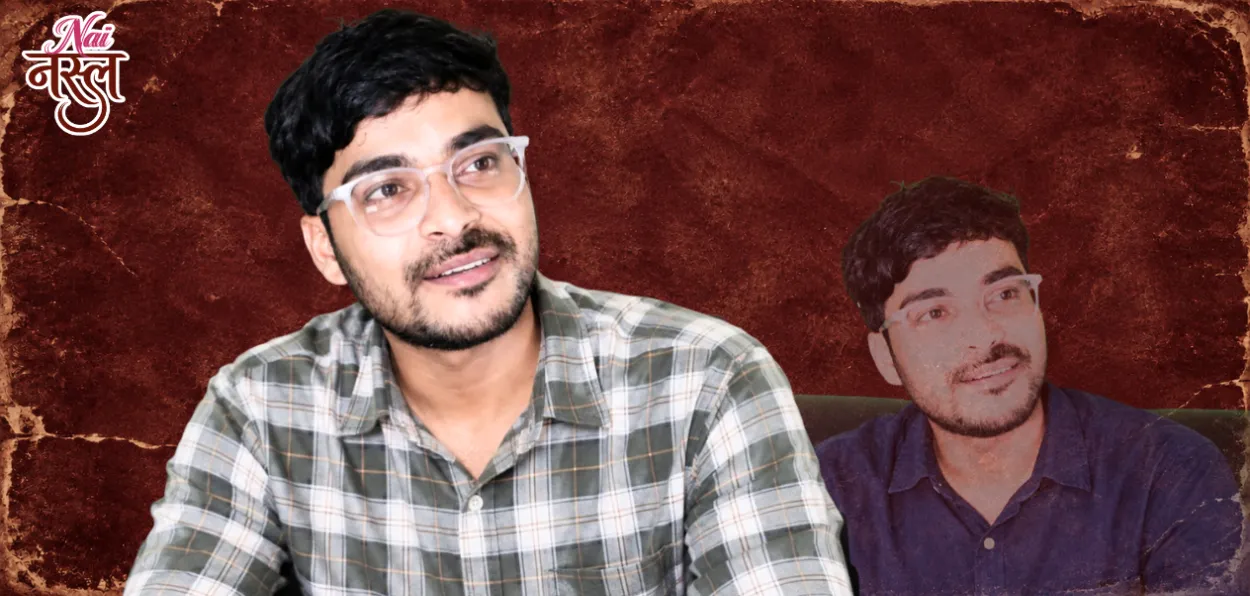
The story of Mohammad Mamatazul Hasan of Salar, Murshidabad, is one such story. His story of being selected as a space engineer in the Indian Space Research Organisation (ISRO) is the story of an ordinary family aspiring to see the next generation achieve something extraordinary.
It is a story of his parents’ quiet sacrifices, Mamatazul Hasan’s determination and, above all, the courage to dream big while growing up in a small town.
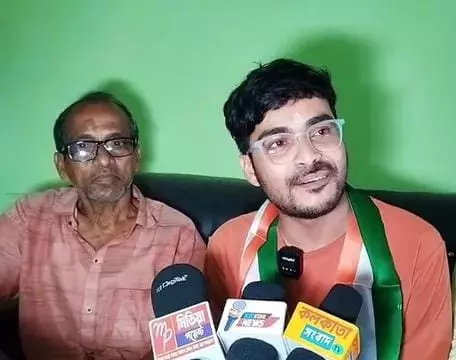
Mohammad Mamatazul Hasan with his father speaking to the media
According to a report published by The Indian Express on May 27, 2025, Mamatazul Hasan secured a job as a space engineer at ISRO. The report stated that he received his appointment letter on May 5. As the news spread, his family and the people of Salar celebrated his achievement.
An appointment letter may be just a few sheets of paper. But within those pages lay years of hard work, waiting and dreams.
Mamatazul’s father, Mohammad Azgar Ali, works as a copyist at the registry office in Salar. His mother is a para-teacher at a school. They do not come from a family of industrialists or senior government officials. It is a household with an ordinary income. Yet, parents always encouraged their son to dream big.
When Mamatazul’s family learned about his success, his father could not hold back his tears. He said that he became emotional after hearing the news. The family had done whatever it could within its means to support their son.
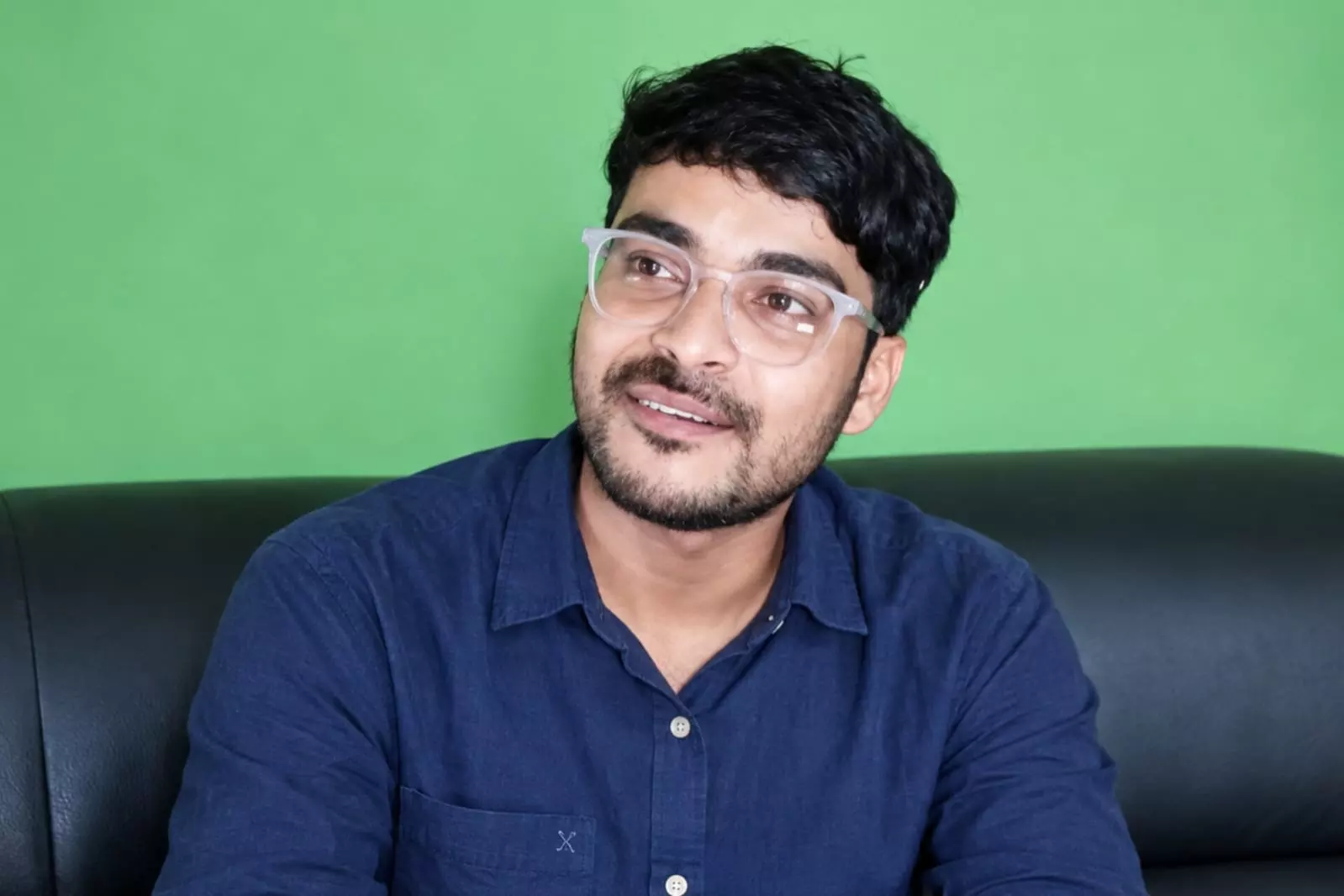
Mohammad Mamatazul Hasan
Those tears may also have carried memories of his son’s childhood, the hours spent at the study table, anxiety before examinations, worries about the future and, finally, the moment when the long-awaited success arrived.
For a father, what could be a greater reward than seeing his son hold an appointment letter from ISRO?
Mamatazul’s success did not come overnight. He initially worked for a private company while continuing to prepare for government recruitment examinations. He wrote several examinations, made repeated attempts and waited for opportunities. Eventually, the opportunity at ISRO arrived.
Mamatazul’s journey, too, had its share of this unseen struggle.
Speaking about his achievement, Mamatazul has said he had never imagined that he would reach this point. He found it difficult to put into words what he felt after receiving the appointment letter.
But he firmly believes in one thing: there is no substitute for hard work. If one remains focused on a goal and works consistently, success will eventually follow.
Matatazual knows that dreaming alone is not enough. A dream must be transformed into daily effort. And when that effort finally produces the desired result, tears of emotion are only natural. Mamatazul, too, has said that he could not hold back his tears at that moment.
The people of Salar now see Mamatazul as one of their own.
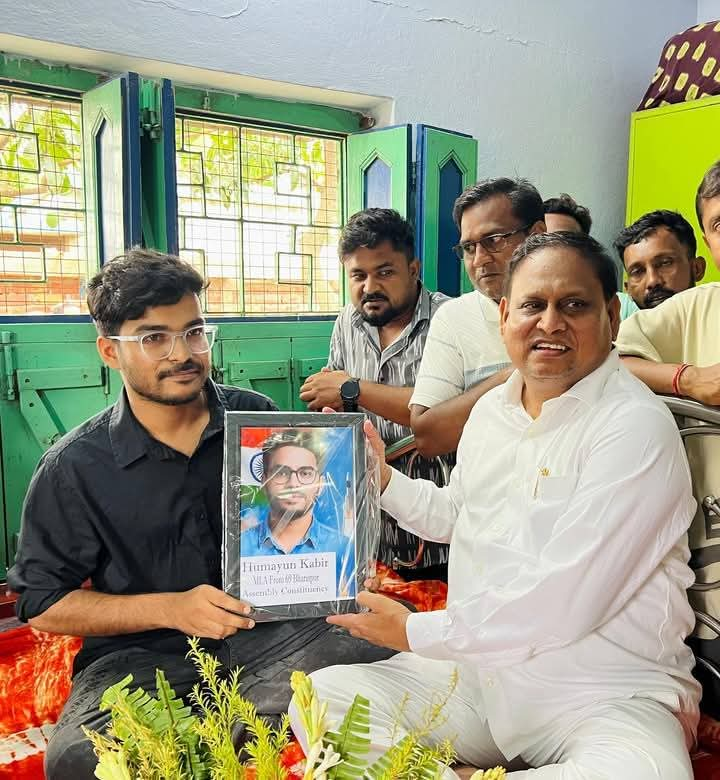
Mohammad Mamatazul Hasan receiving an honour
This story has the potential to change many lives. A school student may now study science with greater interest. A father may decide to continue his child’s education despite financial limitations. A mother may tell her daughter, “You can do it too.” And a young person may quietly think, If Mamatazul can reach ISRO from Salar, I can try too.
Mamatazul showed that if someone from Salar in Murshidabad can dream about space, compete in difficult examinations, try again after setbacks and eventually hold an ISRO appointment letter.
Of course, the journey is not easy. Students from remote areas can face limitations in access to opportunities and infrastructure. Therefore, Mamatazul’s achievement cannot be viewed only as a story of individual merit. It is also a story of family support, education, perseverance and the ability to make the most of an opportunity.
As India’s space programme continues to expand, the country needs a new generation of scientists and engineers. Scientists and engineers working together across ISRO’s missions have helped India advance its capabilities in space technology.
Mamatazul Hasan from Salar in Murshidabad now has the opportunity to become part of that vast endeavour.
Mamatazul Hasan’s story is therefore more than the story of a young man’s professional success. It represents the dreams of countless young people from the remote corners of Bengal who continue to believe that the sky may be far away, but the journey towards it begins on the ground.
source: http://www.awazthevoice.in / Awaz, The Voice / Home> Mizaz / by Debkishore Chakraborty / October 12th, 2026
Islamic scholar, renowned social worker and senior leader of Jamaat-e-Islami Hind, K.K. Mammunni Maulavi Sahab (may Allah have mercy on him), passed away at his residence in Shantapuram at the age of 82. His death marks the passing of a multifaceted personality who devoted his entire life to the service of knowledge and faith, the promotion of education, social welfare, and support for the deprived and vulnerable sections of society. His life was a journey of knowledge, action, service and selflessness, whose imprint will long be felt across various religious, educational and charitable fields.
In his practical life, he discharged a range of religious and educational responsibilities with great sincerity and dedication. He taught at Kariyad Madrasa, served as Imam of Chavakkad Muthuvattur Mahall, and also served as Principal of Muvattupuzha Madrasatul Banat. However, the scope of his activities was not confined merely to teaching and institutional duties – a large part of his life was spent in building, nurturing and developing educational, religious and charitable institutions that became a source of support for the needy members of society. He had a deep and long-standing association with numerous orphanages and welfare institutions established in Kerala and elsewhere, playing a prominent role in their patronage and development, and helping strengthen them into centres that continue, even today, to serve the weak, the destitute and the deprived. His contributions were also notable in mosque construction, the development of educational institutions, the provision of basic amenities, and various social welfare projects. Thus, his personality was not merely that of a religious scholar or teacher, but that of a quiet servant who devoted his energies to the building and welfare of society.
K.K. Mammunni Maulavi was born in 1944 in Mulliyakkurishi, Malappuram district. His father was Kalakkanthal Mohammed and his mother Kadan Thodi Mariyakutty. He studied at Shantapuram Islamia College from 1955 to 1965, obtaining his FD and B.Sc. degrees. He later channelled the training gained from this education into a practical life devoted to the service of religion and humanity. He is survived by his wife, Khadija, and his children namely Hafsa, Naseema, Sajida, Najmunnisa, Nazira, Mubaraka, Yasir, Abdur Rab and Bilal.
The legacy of his life lies in the prayers of countless people and in the institutions whose construction and development benefited from his labour, sincerity and time. His departure is undoubtedly a void, but his scholarly, religious, educational and charitable services will keep his memory alive in the days to come.
Tahreek-Related Services
Mammunni Maulavi Sahab served for a long period as a member of the Kerala Shura and the All India Representative Council of Jamaat-e-Islami Hind. He was Secretary of the Perinthalmanna Islamic Mission Trust, Assistant Qazi of Shantapuram Mahal, and also served as Principal of the Islamia College at Vadanapally Orphanage.
He played an important role in launching and publishing the children’s magazine Malar Vadi and served as its publisher for a long time.
He also held administrative responsibilities on the committees of numerous institutions, including Shantapuram Islamia College, Vadanapally Orphanage, Pathiripala Mount Sinai, Perumpalav Ansar institutions, and the Azhikode Islamic Educational Complex.
He served as chairman of several institutions, including the Pathiripala Bait-ush-Shariqa al-Khairi Trust, the Perumpalav Ansari Charitable Trust, the Vadanapally Orphanage Committee, Kechery Al-Islah, the Azhikode Islamic Educational Complex, Peringadi Al-Falah, and Thavoor Hira English School.
He also played a significant role in extending the welfare activities of Jamaat-e-Islami Hind beyond Kerala. As Vice-Chairman of the Vision 2026 project, he toured underdeveloped regions of India and played a key role in launching educational and welfare initiatives there.
From 1977, he served for ten years as Zonal Nazim (organiser) of Jamaat-e-Islami Hind, during which time the districts of Ernakulam, Alappuzha, Kollam, Thiruvananthapuram, Kottayam, Idukki, Pathanamthitta, Thrissur and Palakkad fell under his charge. This long list is not merely a record of positions and responsibilities, but reflects that a large part of his life was spent in collective and constructive work.
An Active Life
Mammunni Maulavi Sahab is no longer in this world, but the memories of his simple life, tranquil personality and selfless service will remain forever in the hearts of those whose lives he helped, in one way or another, to succeed. The most prominent aspect of his personality was his calm temperament. A faint smile on his face, gentleness in conversation, and simplicity in manner were part of his identity. There was a quiet energy within him that never sought to draw attention to itself, yet it never failed to impress those around him. He was among those whose lives are recognised more by action than by claims.
Mammunni Maulavi Sahab had devoted his life to a greater purpose rather than to personal comfort and ease. After 1965, his working life remained continuously tied to religious, educational and social activities. Alongside his participation in the various works of the Islamic movement, he also played a major role in advancing its educational activities. His association with institutions working for orphans, the needy and the destitute remained strong throughout. His services were also notable in the construction and expansion of mosques and in shaping religious and social life. For him, service was not merely an activity but a way of life. As such, there was no place in his life for self-promotion or display. He did not merely speak of simplicity as a virtue, simplicity was an essential part of his life. Travelling by train and bus, riding a motorcycle from place to place when necessary, and constantly travelling to reach people, were part of his routine, for his priority was never comfort, but the achievement of his purpose.
Mammunni Maulavi Sahab was among those who valued purpose over publicity. He never sought crowds or praise, yet the large number of people who gathered on the final journey of his life reflects how service rendered quietly can still leave a deep impression on people’s hearts. People arrived from different parts of the country for his funeral prayer in Shantapuram. Young children and teachers attended; elderly men and women arrived; and even the sick, despite their frailty, participated in the funeral. Ordinary people from various parts of northern and southern Kerala travelled long distances to reach Shantapuram for one last glimpse of their beloved.
The funeral prayers began around 1:30 in the afternoon and continued without a break until 9:30 at night. T. Arifali, Secretary General of Jamaat-e-Islami Hind, led the final funeral prayer.
Even then, the mosque remained full of people. Large numbers remained near the grave after the prayer as well, reciting tasbeeh, praying, and staying on for a long while, as though everyone wanted a little more time to bid farewell to a life that had touched them at some point.
A significant feature of Mammunni Maulavi Sahab’s life was his connection across generations and social groups. From children to the elderly, from teachers to ordinary workers, and from religious to social circles, many found in him an elder and compassionate guide from whom they sought advice, encouragement and direction. To some he was a teacher, to others a leader, to others a counsellor, and to others simply an elder whose very presence brought comfort. Perhaps this is why the impact of his passing was not confined to his immediate family or associates, but was felt by a much wider circle.
Family’s Sacrifices
Behind every great collective service lie sacrifices that never come to public attention. Mammunni Maulavi Sahab’s life was no exception. His wife spent years enduring his busy life, constant travel, and social and religious responsibilities with patience and fortitude. His children, too, came to see their father not merely as a family member, but as someone fulfilling a broader social responsibility. Those who devote a large part of their lives to collective service are accompanied, in that journey, by the quiet sacrifices of their families. In this sense, a significant part of Mammunni Maulavi Sahab’s legacy also belongs to the sacrifices of his wife, children and family.
The earth has now taken Mammunni Maulavi Sahab into itself, but his simple way of life, constant travel, selfless service, and his manner of instilling hope amid difficult circumstances will remain in the hearts of those who knew him. His life stood as an example that the building of society is not always achieved through grand slogans or prominent positions; sometimes, a quiet, simple and steadfast person can leave an impact across generations. Perhaps the truest description of Mammunni Maulavi Sahab’s life is that he lived less for himself and more for others. Such a life comes to an end physically, but its effects remain among those who found light, encouragement or support in it. May Allah Almighty forgive Mammunni Maulavi Sahab, grant him a place in His mercy, accept his religious, educational and social services, and make the sacrifices offered by his family throughout this long journey a source of reward for them as well.
[The writer is Secretary Jamaat-e-Islami Hind, Kerala]
source: http://www.radiancenews.com / Radiance News / Home> Focus> Markers of Excellence> Personality> Obituary / by Shihab Pookkottur / October 05th, 2026
It will gradually be screened across 20 schools in Bengaluru, including government schools, under Project SAFE (Student Advocacy for Emotional Well-being).
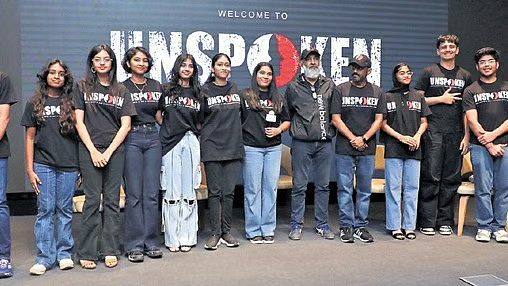
Imaan Zara Khan during the screening of her film Unspoken in Bengaluru.(Photo | EPS)
Bengaluru :
Young people are often encouraged to speak up when they are struggling, but what happens when they cannot find the words to express what they feel? And when they do speak, will the people around them listen without dismissing their concerns?
These questions form the premise of Unspoken, a youth-led film written and directed by 16-year-old filmmaker and researcher Imaan Zara Khan. The film follows four teenagers from different backgrounds who face emotional struggles they find difficult to articulate, highlighting the need for safer spaces where young people can acknowledge their distress and seek support.
Ahead of World Mental Health Day on October 10, the film was screened in Bengaluru on Friday as part of an initiative to take conversations on student mental health beyond awareness campaigns. It will gradually be screened across 20 schools in Bengaluru, including government schools, under Project SAFE (Student Advocacy for Emotional Well-being).
The initiative also includes the development of a mental health first-aid programme intended to help teachers and students recognise signs of distress and respond appropriately.
“I think everyone tells young people to speak up, but they do not realise that sometimes there are no words to express what they are going through. Even if they find the courage to speak, are the people around them willing to listen, or will they dismiss them?” Imaan said.
The film follows four teenagers whose circumstances could hardly be more different. One is a popular social media influencer struggling with body image and self-confidence.
Imaan with the cast and crew of the film(Photo | EPS)
No hero moments: Film tackles ‘Unspoken’ mental health struggles of youth
Another is a boy from a middle-class family in Lucknow who wants to pursue art but faces expectations of conventional masculinity. A young aspiring runner from Assam grapples with the economic realities that make pursuing his ambitions difficult, while a girl at a boarding school struggles with loneliness and parental expectations. Their experiences differ, but their inability to express what they are going through connects them.
Imaan said she wanted the characters to resemble authentic students rather than portrayals of clinical diagnoses. The film does not offer dramatic turning points or easy resolutions to their problems. Instead, it seeks to create a moment of recognition for viewers who may see their own experiences reflected in the characters.
“I do not want there to be a big, dramatic hero moment. I want there to be a small moment of recognition. We need to create an environment where people can speak up and understand what they are going through without having to figure everything out by themselves,” she said.
The idea for the film emerged from observations of her peers and cousins. As she researched the subject further, Imaan said she became increasingly concerned about the stigma surrounding mental health and the social consequences young people often associate with seeking help.
Her work involved both primary and secondary research, including conversations with her parents and a survey of around 750 students on their mental health experiences. Imaan chose filmmaking as a medium because she believes personal stories can make emotional struggles easier to recognise than statistics alone. “Data does not really change behaviour. Stories do. The impact stories can have in driving change is different from a statistic that someone reads once or twice and then forgets,” she said.
Through the school screenings, Imaan hopes to study the impact of storytelling as an intervention within school mental health systems and use the findings to develop a framework for student well-being. Project SAFE brings together the film, discussions and the proposed mental health first-aid programme.
The latter is aimed at helping students and teachers identify signs of distress, understand how to respond and support peers who may be struggling.
source: http://www.newindianexpress.com / The New Indian Express / Home> Karnataka / by Gayathri M Kurup / October 11th, 2026
In a Muslim-majority neighbourhood of Coimbatore, Tamil Nadu, a women-only gym run by trainer and weightlifter Shabana is drawing women from across the area. The facility offers them a rare space to exercise, learn about nutrition and focus on their health.
Shabana said the idea for the gym came from her own struggle with obesity and the absence of fitness centres exclusively for women. “I weighed more than 140 kilograms. We looked for a gym in our area but could not find one exclusively for women. So I found a gym for myself and later became a trainer there,” she said.
Her path was far from simple. She studied only up to Class VII and faced serious health complications at 19, undergoing six or seven operations, including the removal of her gallbladder. “I became isolated from everyone. I stayed at home. My husband supported me throughout,” she recalled.
Although the gym welcomes women from all backgrounds, it has grown especially popular among Muslim women owing to the area’s large Muslim population. The facility operates throughout the day and is staffed exclusively by women.
Members say the gym goes well beyond physical fitness. “When I come here, it is not only about fitness. It is also a way for me to relieve stress. This place feels like a second home,” said one homemaker.
Women also receive guidance on nutrition. “We take care of our husbands and families but rarely take care of our own health. After coming here, we realised there was so much to learn about nutrition,” said another member.
One member lost 13 kilograms after three Caesarean sections, training under careful supervision. She initially kept her gym visits secret from her family, telling them she was going for a walk. After winning first prize in a skipping competition held at the gym, she revealed the truth. “They were all very happy,” she said.
The women exercise wearing hijabs and, in some cases, burqas. Members said the clothing does not prevent them from working out effectively.
Unlike many commercial fitness centres, the gym relies largely on floor-based workouts rather than expensive machines. “Everyone thinks you need machines to lose weight. That is not true. Most exercises can be done through floor workouts,” Shabana said.
Shabana also competes in weightlifting and has participated in the sport for five years. She faced strong opposition when she launched the facility. “People asked me how I could stand here alone from morning until night. But I ignored what they said. We had to move forward and prove ourselves,” she said.
source: http://www.radiancenews.com / Radiance News / Home> Latest News> Markers of Excellence> Personality> Report / by Radiance News Bureau / September 26th, 2026
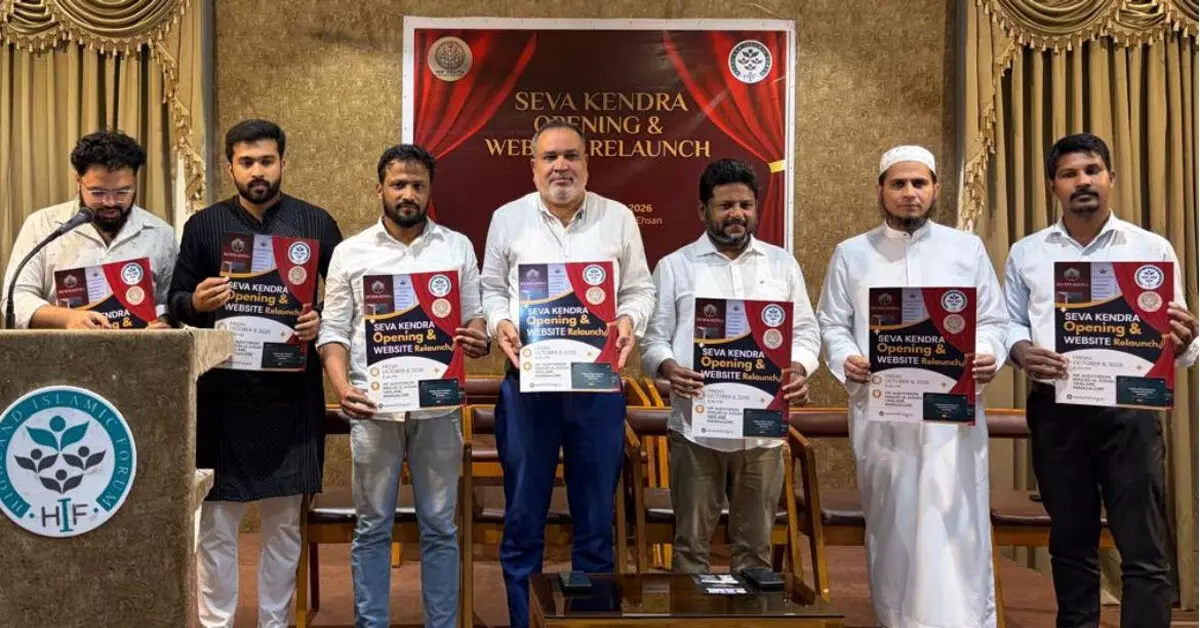
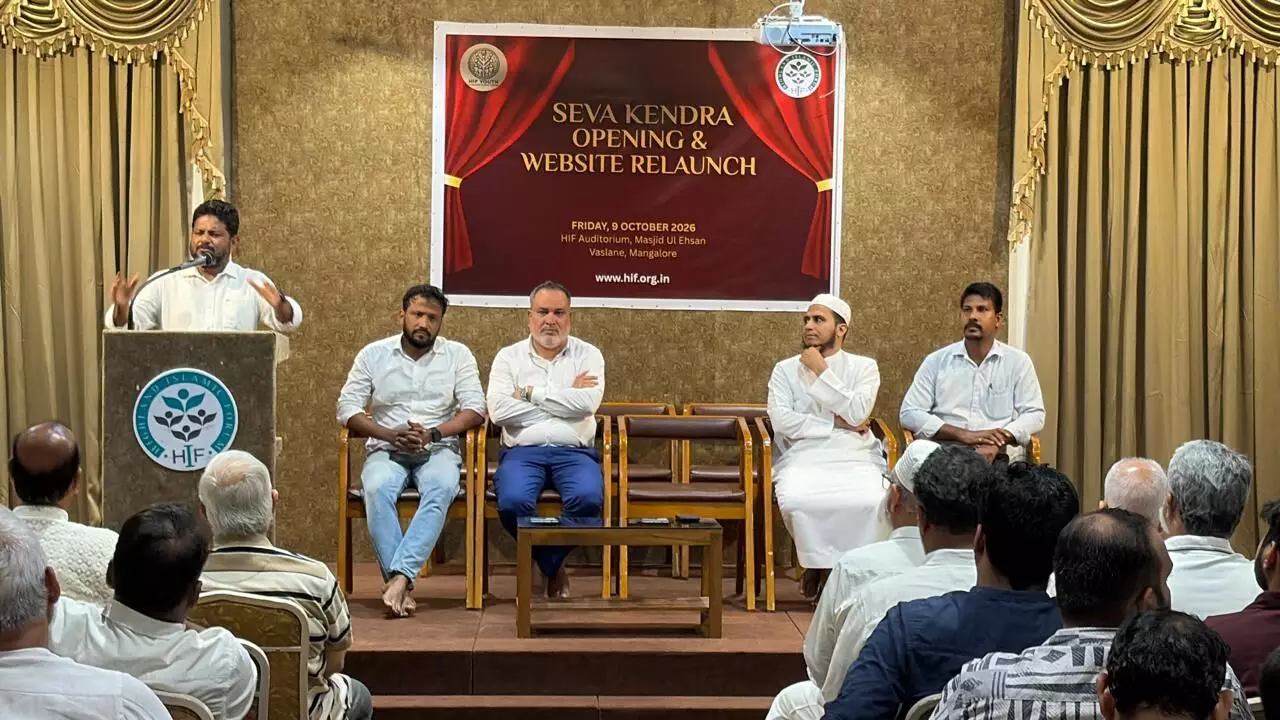
Highland Islamic Forum (HIF INDIA) inaugurated its new Seva Kendra and launched its official website at a programme held at the HIF Auditorium on Friday evening. The programme began with Qirat by Ahil Farooq, followed by an address by chief guest Mohammed Kunhi. Explaining the services offered by the Seva Kendra, Rafil Ahmed said the centre would help people access various government services and welfare schemes. These include assistance with Voter ID, PAN card, Aadhaar updates, Senior Citizen cards, Ayushman cards, scholarships, Gruha Jyothi, Gruha Lakshmi, and income and caste certificates.
People seeking assistance can contact the Seva Kendra at +91 98450 81312. Website to showcase HIF’s charitable work Shaz Rasheed, convenor of the programme, introduced HIF INDIA’s new website, www.hif.org.in, developed by Nexhala Solutions LLP. The website brings together information about the organisation’s various social welfare and charitable initiatives, including house construction for needy families, care for orphans, assistance to masjids, provision of clean drinking water and medical support.
Describing the website as a platform for “Shopping for the Aakhirah”, Shaz Rasheed explained that it would allow people to choose projects they wished to support, understand how their contributions would be used and make donations online. The platform offers multiple payment options, including UPI and bank transfers, and provides receipts for donations. It is available in English, Kannada and Hindi.
The guests jointly inaugurated the Seva Kendra and launched the website during the programme.
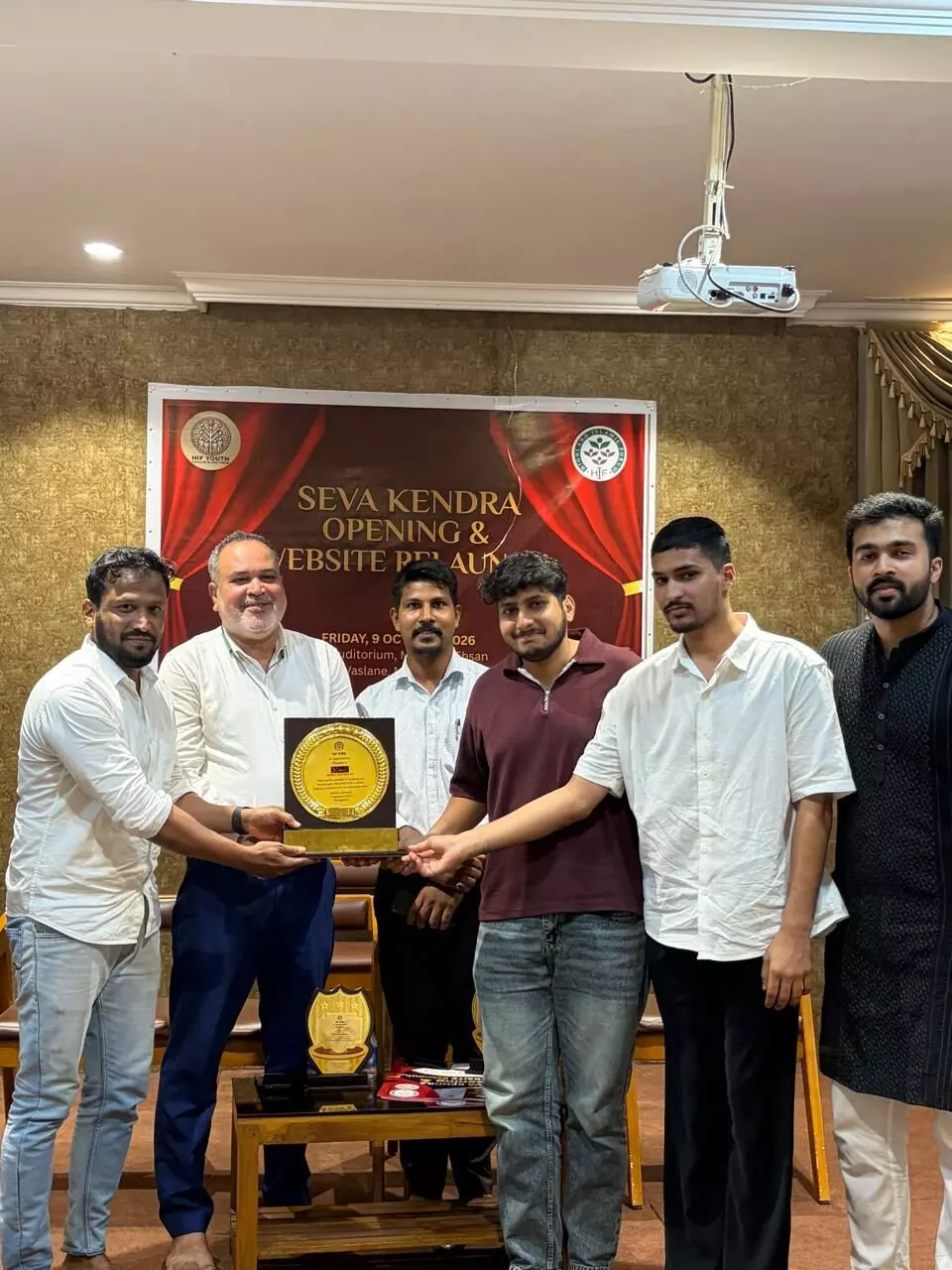
Mementos presented to contributors HIF President Rizwan Pandeshwar, Mr. Nazeer from the Minority Department and Rafeeq Master of Namma Nadu Okkuta also addressed the gathering.
The Khatheeb Ustad of Masjid Ul Ehsan was among those present.
During the event, HIF presented mementos to Namma Nadu Okkuta in recognition of its role in training the Seva Kendra staff, and to Nexhala Solutions LLP for developing the website. A memento was also presented to Mr. Nazeer in appreciation of his guidance and assistance regarding scholarships and other government welfare benefits.
Bilal Raif hosted the programme and delivered the vote of thanks.
source: http://www.english.varthabharati.in / Vartha Bharati / Home> Karavali / by Vartha Bharati / October 10th, 2026
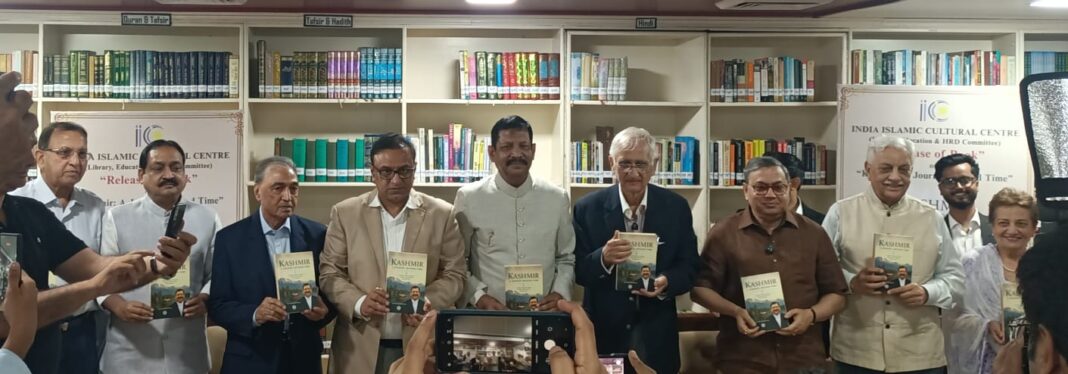
Advocate Irshad Ahmad’s book titled “Kashmir – A Journey Beyond Time” was released at the India Islamic Cultural Centre (IICC) on Wednesday, bringing together former judges, political leaders, legal professionals and public figures who reflected on Kashmir’s history, natural beauty, political developments and the experiences of its people.
Speaking at the book release, Justice Iqbal Ansari, former Chief Justice of the Patna High Court, congratulated Ahmad and urged people to read the book to develop a deeper understanding of Kashmir. Recalling his own visits to the region, Justice Ansari said that Kashmir’s extraordinary natural beauty stood in sharp contrast to the difficult circumstances he witnessed there.
Describing Kashmir as a “tragic place”, he said its people were good and hospitable but had experienced difficult lives. He recalled seeing restrictions and challenging conditions during his visits and said these experiences left him deeply saddened.
Justice Ansari also discussed the historical circumstances surrounding Jammu and Kashmir’s accession to India. Recalling the events following the end of British rule, he said Jammu and Kashmir was a princely state whose ruler, Maharaja Hari Singh, initially sought to maintain an independent position. According to Ansari, the situation changed following the entry of forces from Pakistan into the region, after which the Maharaja sought India’s assistance and signed the Instrument of Accession.
He emphasised that the accession initially related to three subjects, defence, foreign affairs and communications, while Jammu and Kashmir retained substantial autonomy in other areas.
Justice Ansari subsequently turned to the history and constitutional significance of Article 370. He questioned the popular narrative that Sardar Vallabhbhai Patel was unaware of, or opposed to, the provision. According to him, discussions concerning Article 370 took place at Patel’s residence, while a draft letter concerning Sheikh Abdullah was also sent to Patel for approval.
He said Patel subsequently played a role in securing support for the provision within the Congress Working Committee. Justice Ansari argued that Article 370 was conceived as a constitutional mechanism through which the applicability of provisions of the Indian Constitution to Jammu and Kashmir could be determined while preserving the state’s special constitutional position.
He stressed that claims concerning Article 370 and Patel’s role should be assessed in light of historical records rather than simply repeated as established facts. Referring to the subsequent abrogation of Article 370, Justice Ansari said there had been limited opportunity for a dispassionate public discussion about its constitutional and political implications.
He expressed appreciation for Ahmad’s effort to document his journey through Kashmir and said the book could encourage readers to engage more deeply with the region’s history, people and contemporary realities.
Former Union Minister Salman Khurshid also congratulated Ahmad on the publication. He said the book on Kashmir should perhaps have been written much earlier and suggested that greater engagement with the region could have contributed to addressing some of the problems associated with it.
Khurshid referred to the Supreme Court’s judgment concerning Article 370 and noted that Justice Iqbal Ansari had articulated his views on Kashmir and the constitutional provision. He also suggested that a separate book should be written on the Central Bureau of Investigation (CBI) and its significance in India’s constitutional and institutional framework.
Addressing the question of Kashmir’s relationship with the rest of the country, Khurshid said that even if some people believed the situation had improved, sustained efforts were necessary to ensure that the people of Jammu and Kashmir never felt separated from the rest of India.
He emphasised the importance of strengthening relationships with the people of the region and avoiding actions or approaches that could deepen feelings of alienation.
Recalling former Prime Minister Atal Bihari Vajpayee’s formulation of “Kashmiriyat, Insaniyat and Jamhooriyat”, Khurshid described the phrase as an important message associated with Kashmir. He said India should work towards an era in which Kashmir makes a significant contribution to the country’s future and receives the attention and care appropriate to its place as the “crown of India”.
The author, Advocate Irshad Ahmad, described the occasion as a deeply emotional moment, saying he had never imagined that he would become the author of a book. Recalling his journey to Kashmir, he said he had initially travelled there as an ordinary visitor but returned with experiences and impressions that eventually inspired him to write.
Ahmad said the beauty of Dal Lake, mountains, valleys, shikaras and gardens, along with the warmth and hospitality of Kashmir’s people, left a lasting impression on him. These experiences, he said, became the foundation of his book.
He said the central theme of his journey was “Sangharsh”, or struggle, which he described as an integral part of human life and an important source of inspiration and strength. Referring to Winston Churchill’s well-known exhortation to “never give in”, Ahmad said the spirit of perseverance had remained an important part of his own journey through different phases of life, including engineering, politics and public service.
Ahmad said he had already published around 650–700 books and credited the encouragement of friends and well-wishers for motivating him to continue writing. He particularly addressed young people, saying that determination and sustained struggle could help them achieve their objectives irrespective of the profession or field they chose.
He clarified that Kashmir – A Journey Beyond Time was not intended to be a conventional historical work. Instead, he said, it was based on what he personally saw, experienced and felt during his journey through Kashmir. He also indicated that he planned to write another book dealing with Islamic culture and animal cultural history.
Sirajuddin Qureshi, former President of the India Islamic Cultural Centre, congratulated Ahmad for completing the book, particularly because the project had been undertaken quietly and without much public attention. He said the author deserved appreciation for presenting Kashmir in what he considered its proper context rather than attempting to write about the region without experiencing it firsthand.
Qureshi highlighted Kashmir’s natural beauty and recalled its longstanding reputation as a destination comparable to Switzerland. While acknowledging that numerous books had already been written about Kashmir, he said Ahmad’s effort to present the region through his own journey and observations added significance to the work.
Pradeep Rai, President of the Supreme Court Bar Association, also congratulated Ahmad and reflected on the enduring significance of books. He said societies had undergone enormous changes over thousands of years, with rulers, communities and social structures changing, while Kashmir’s mountains, rivers and natural landscape had remained enduring features of the region.
Rai said books had the power to make writers’ names live on through generations because readers continued to remember authors through their works. Referring to his interest in Amir Khusro and writings in which Kashmir has been mentioned, he said successive dynasties and historical developments had shaped the region and its society.
He praised Ahmad for travelling through Kashmir and documenting what he personally witnessed. Rai observed that understanding contemporary Kashmir required a willingness to see the region directly and engage with its people and society.
The book release thus became not merely a literary occasion but a wider discussion about Kashmir’s history, constitutional evolution, social experience, natural beauty and relationship with the wider Indian society. Across their remarks, the speakers emphasised the value of documenting personal experiences and engaging with Kashmir through history, literature and direct human interaction.
source: http://www.indiatomorrow.net / India Tomorrow / Home> News> Society / by India Tomorrow / October 01st, 2026