Tag Archives: Ali Musliyar

There is no history of India’s freedom without its Muslims

INDIA :

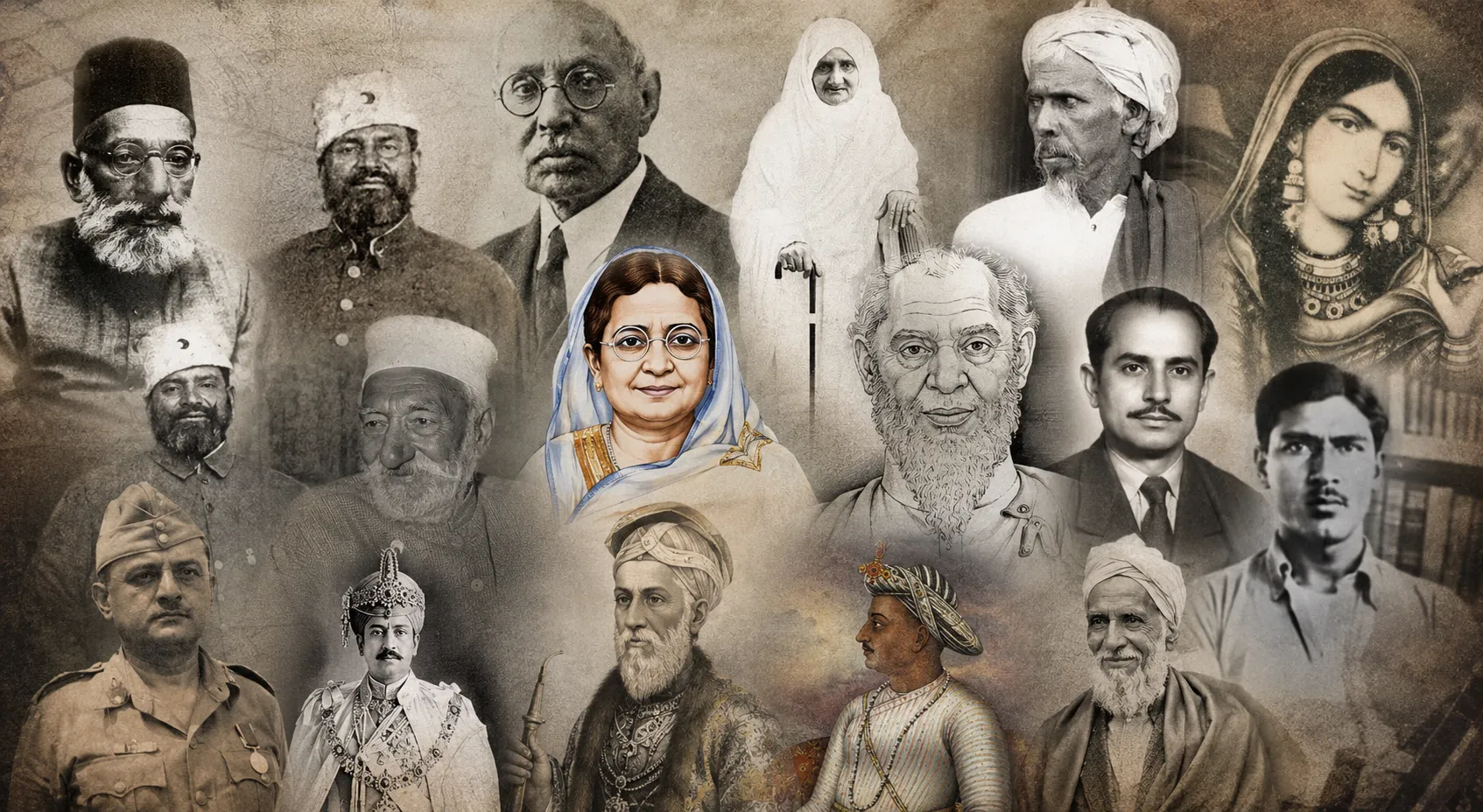
At 80, revisiting the Muslim lives, movements and sacrifices that shaped India’s struggle for freedom, and the politics of forgetting them.

Stroll through the pages of India’s history, because academia has failed to acknowledge some names and contributions in the Indian freedom struggle. From the Taj Mahal, Red Fort, Qutub Minar, Humayun’s Tomb, Gol Gumbaz, Charminar, to Fatehpur Sikri and the bustling lanes of Chandni Chowk, they all speak volumes louder. But the cultural pattern of ‘selectively remembering’ and ‘selectively forgetting’ has downplayed nation’s history into one-dimensional narratives , while external sources of learning like cinemas, textbooks, public places re-branding, etc,  are getting colored with contemporary political dynamics, to legitimize their plans and policies. 

To fathom India’s past sincerely, we must be willing not only to learn but also to unlearn. Learning involves discovering forgotten contributions, while unlearning requires shedding inherited biases, political narratives, and simplified versions of history. Because, as eminent historians have speculated, the past is constantly reinterpreted in the light of new evidence and new questions. Consequently, the framing of our past will affect the present, which will further be read as a past in the future, thus entrusting us with sheer responsibility of weaving a lineage of conscience, not insidious storytelling.

The lost dots of the Indian freedom movements

Revisit in Indian history afresh because erasure never happens all at once, it happens slowly and systematically.

Independence Movements did not count from the very battles fought, but from the conditions laid down before and after to formulate and fixate Indian society and culture altogether. Resistance to the economization, politicisation, and, ultimately, colonization by the Britishers was confronted by the collective plurality which our country possessed with pride. Testifying that resistance was not always born on the battlefield, often it began with communities refusing to harbor animosity for one another. 

Hindu sanyasis and Muslim fakirs whom the British Company wanted to fragmentalise, chose each other instead. Naga ascetics of the Dashnami order like Pandit Bhabani Charan Pathak stood beside Muslim fakirs of the Madari and Burhana sects, Majnu Shah Fakir, Chirag Ali, Musa Shah, and together resisted the oppressive taxation and economic exploitation the Company had imposed. It was one of the earliest organized rebellions against British rule in India, and yet how many of us have even heard these names?
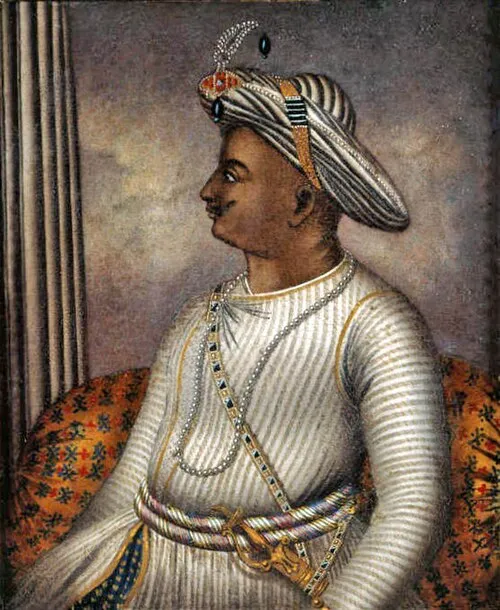
Tipu Sultan

That same defiance carried into Mysore, Tipu Sultan, a name antagonized in recent years that people even slipped away from the fact that he is the man who invented Missiles in India, a ruler who terrified the British. He built iron-cased rockets before most of the world imagined such a weapon, and fought the British across four wars, refusing again and again to let his kingdom bow. And what do we do with that legacy today? 

Islamic gallantry didn’t halt there. Moulvi Ahmadullah Shah, one of the key leaders of the First War of Indian Independence in 1857 was called the lighthouse of rebellion in Awadh, an epitome of the Ganga-Jamuna culture of Faizabad. The rebel army of Awadh was led by Barkat Ahmad and Maulvi Ahmadullah Shah, with Barkat Ahmad declared Chief Army Officer of the rebels after the Battle of Chinhat. ​​​​​​
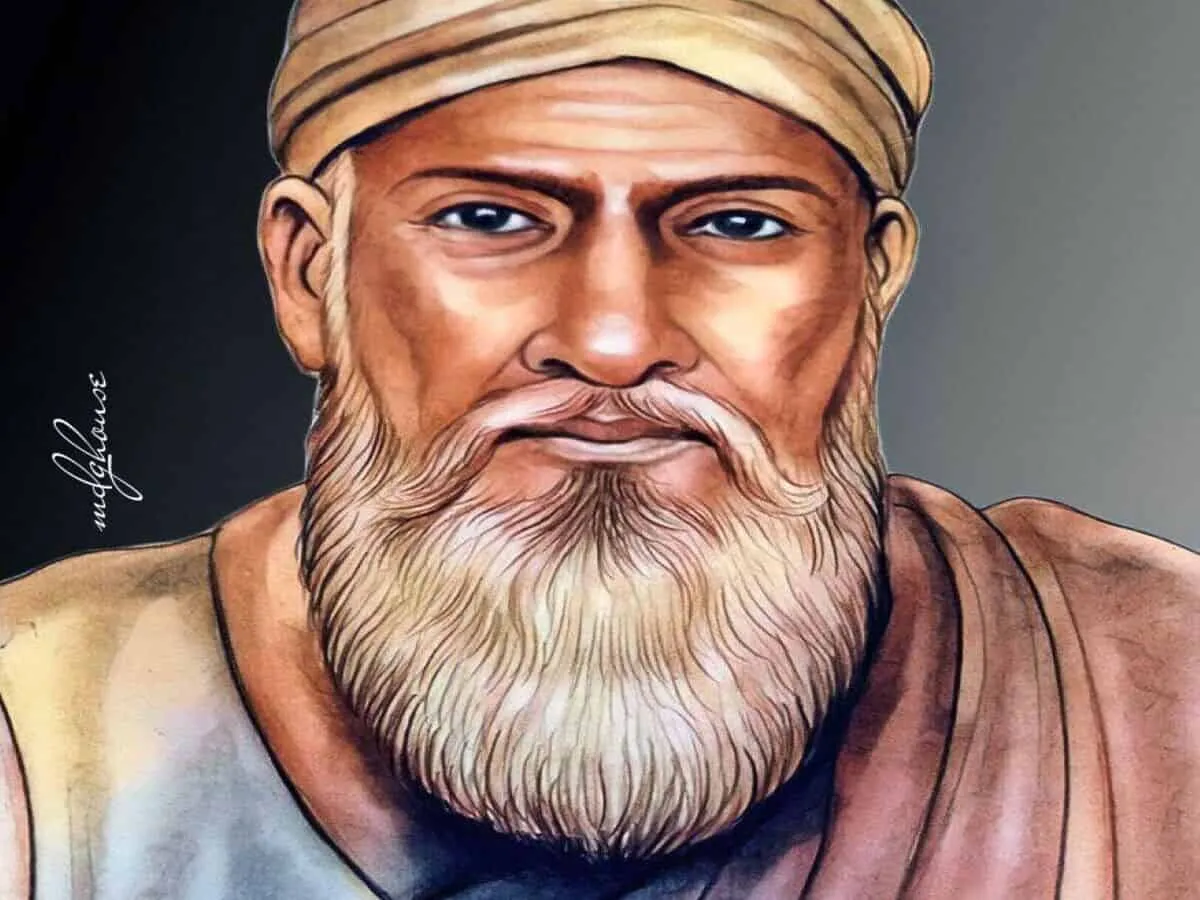
Moulvi Ahmadullah Shah

At the head of that same uprising stood Bahadur Shah Zafar, lending his name and his throne to the rebellion we call the Sepoy Mutiny. He gave everything a king could give, and the British broke him in the cruelest way. After his surrender, his sons Mirza Mughal and Mirza Khizr Sultan, and his grandson Mirza Abu Bakr, were stripped and shot in cold blood by Major William Hodson at what is now called Khooni Darwaza, and their severed heads were brought before their own father as a trophy. So many lives were lost in that struggle, so many families broken, and it is widely said that nearly 5 lakh Muslims were martyred, close to 50,000 of them ullema who chose the battlefield over silence. After rotating around 79 years of India’s independence, we are still cynical over the contributions carved by Indian Muslims.
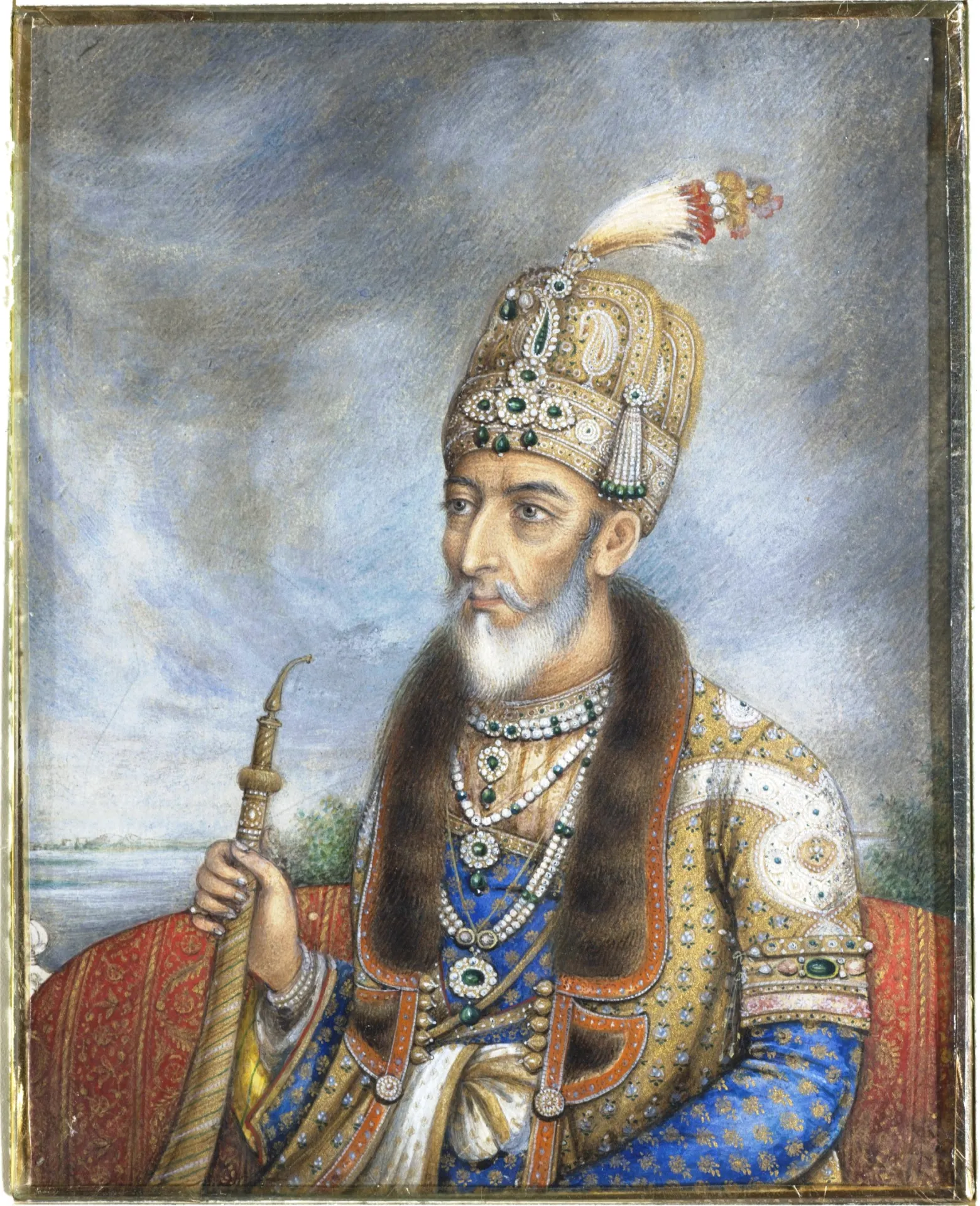
Bahadur Shah Zafar

Another buried name is of, Ashfaquallah Khan, was hanged on 19th December 1927, at just 27 years old, along with other Kakori comrades who were sent to the gallows. This Kakori robbery was to pull back the wealth of Indian soil to channelize it for the national struggle. Khan revolutionized nationalist movement with his participation in Hindustan Republican Association (HRA), founded by Ram Prasad Bismil along with two others. Like Kakori robbery, many other raids were rolled out to confront with required force rather than abstracting the notion of peace towards the gruesome tortures.   Have we ever lent an ear to these lines of Khan’s  ‘Hasrat’ poem- “Kuch aarzoo naheen hai, hai aarzoo to yeh hai, Rakh de koi zara si Khaak-e-watan kafan men” who as his last whim, recited this poem soaked in patriotism. Are we made to remember these lines by a Muslim freedom fighter when we are reminded about the terrified misapplication of the divine slogan “Allah-u-Akbar” to polarize the Islam?
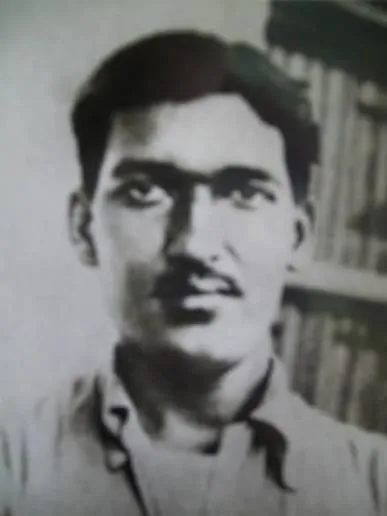
Ashfaqullah Khan

Walking further, Abdul Habeeb Yusuf Marfani, gave away his entire estate for a freedom he’d never see honoured. His courage was never separate from the cause, it was central to it, and it’s long overdue we remember it that way.
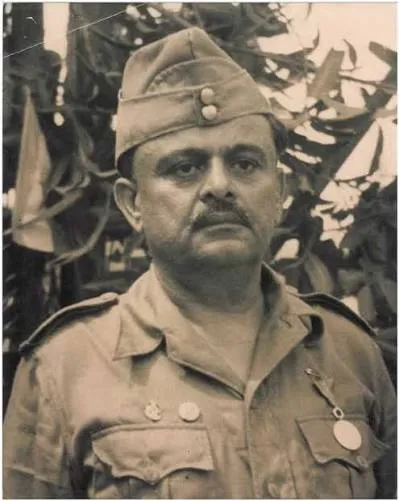
Abdul Habeeb Yusuf Marfani

Muslim participation in India’s freedom struggle was not boxed in a specific time or way, it encompassed armed resistance, societal reforms, mass mobilization, revolutionary events, and non-violent protests. The hurls on the invasions done by Muslims are widely made, but onlookers of the contributions by very same people, are tactfully airbrushed.

Sacrifices for the Indian motherland were proven on silent or loud battlefields,  not by the mere recital of ‘Patriotic Songs’ such as Vande Mataram as a contemporary reference. That is turned down by Indian Muslims lyrically, not soulfully, because of the religiosity which the Indian Constitution guarantees them. When did the recital of patriotic songs begin to outweigh the very acts of sacrifice they were meant to spring up?

Freedom fighters such as Maulvi Ahmadullah Shah, Begum Hazrat Mahal, Fazl-e-Haq Khairabadi (clarified the Jihad term through his war against the British), and Azimullah Khan were also important in the 1857 uprising. Barely, we learn or are made to learn about them? While vilifying other names of this very same community. 
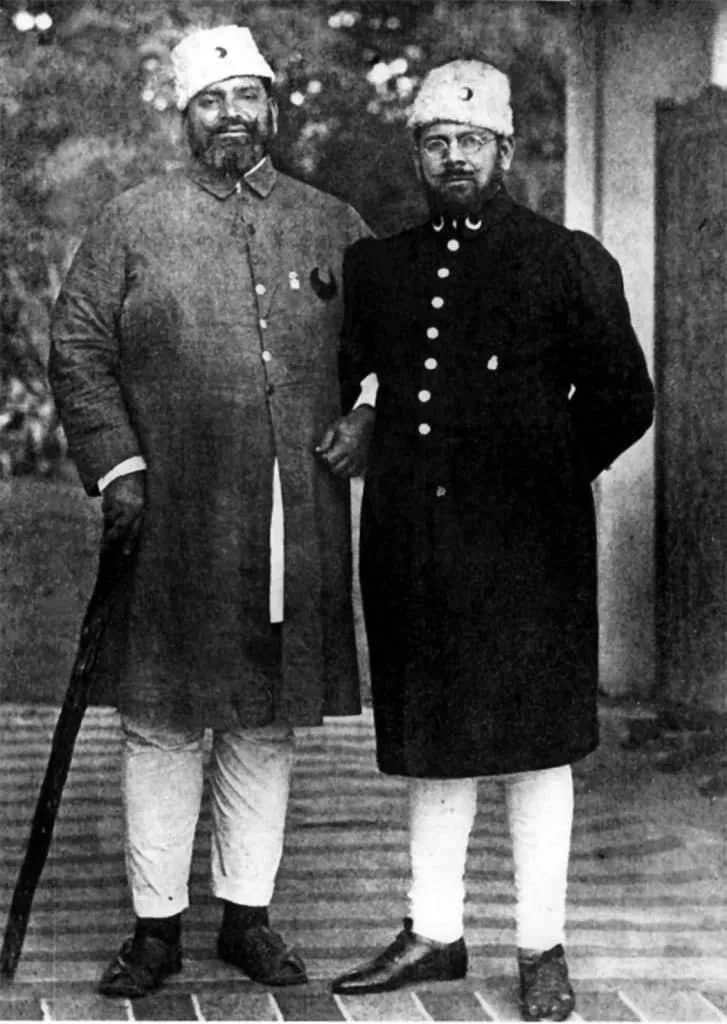
The Ali brothers, Shaukat Ali (1873-1938) and Mohamed Ali Jauhar (1878-1931)

Even the popular moments like the non-cooperation movement and the Khilafat Movement were helmed by some unheeded names: Mohammad Ali Jauhar and Shaukat Ali. Erected on the former’s name, there stands a university in Rampur, U.P. which recently has fallen prey to the communal politics, staking Indian youth’s future at darker stage, thus disregarding the blood of these freedom fighters.
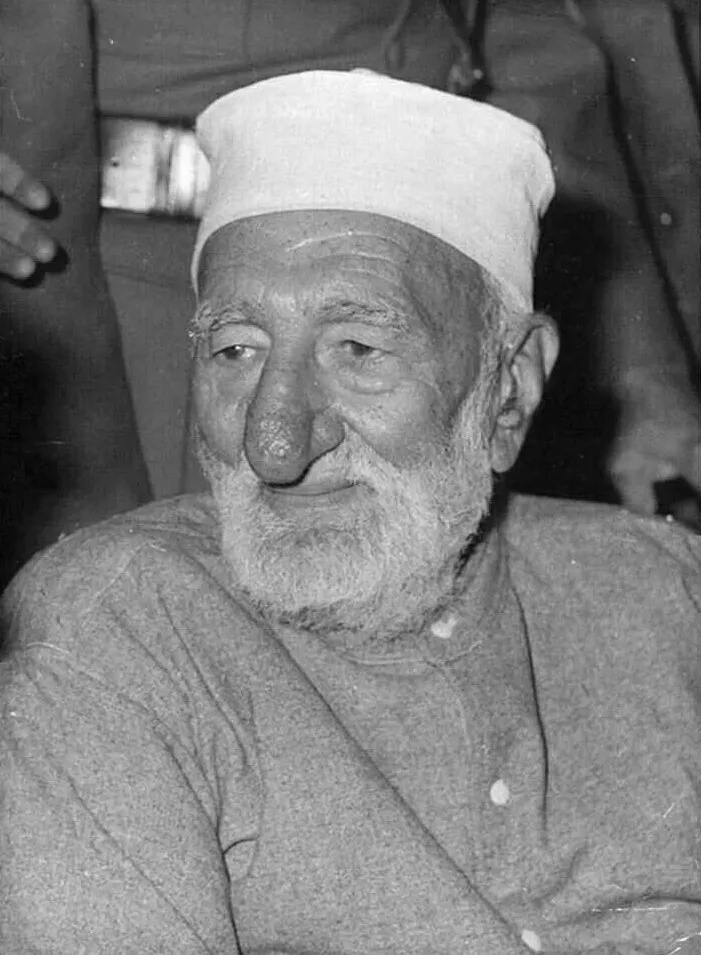
Khan Abdul Ghaffar Khan

Khan Abdul Ghaffar Khan who spent three decades in prison and headed the non-violent Khudai Khidmatgar Movement among Pashtuns against British rule, wherein he combined social reform, service, and discipline. His demise took place during his house arrest in Peshawar. 
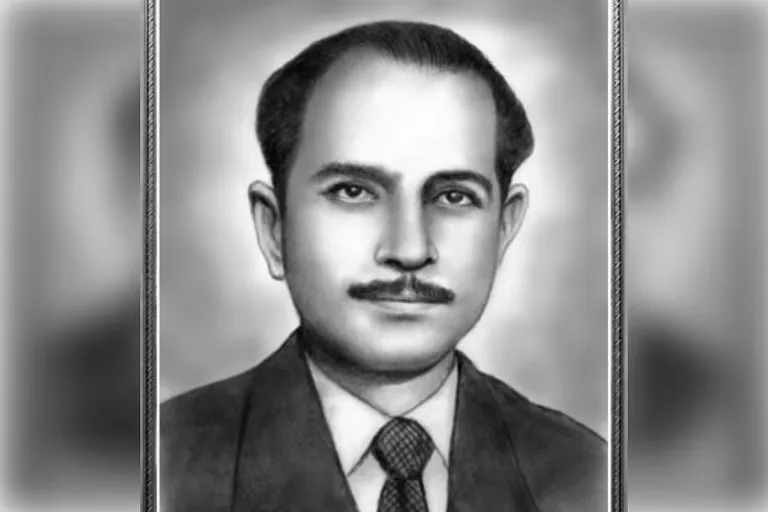
Abid Hasan Safrani

Without a single community-led leader, ideologies often find a loose hand to wrestle for their individual existence rather than collective results. Abid Hasan Safrani,  prominent INA member, mobilized the Muslim youth and committed to Subhas Chandra Bose’s movement (Azad Hind Fauj), which underpinned armed resistance in the Indian Freedom Struggle rather than non-violent means, brewing the unity for winning back the motherland.

Having said that, the famous Ghadar Party, founded in 1913, was pioneered by one more buried name- Maulana Barkatullah Bhopali. He was the first Prime Minister of the Provisional Government of India (Government-in-Exile), which was established in Kabul in 1915. He traversed across Europe, Asia, and North America to usher in the momentum for the Indian freedom struggle. His death took place in the US, leaving him deprived of bidding adieu to his motherland one last time.
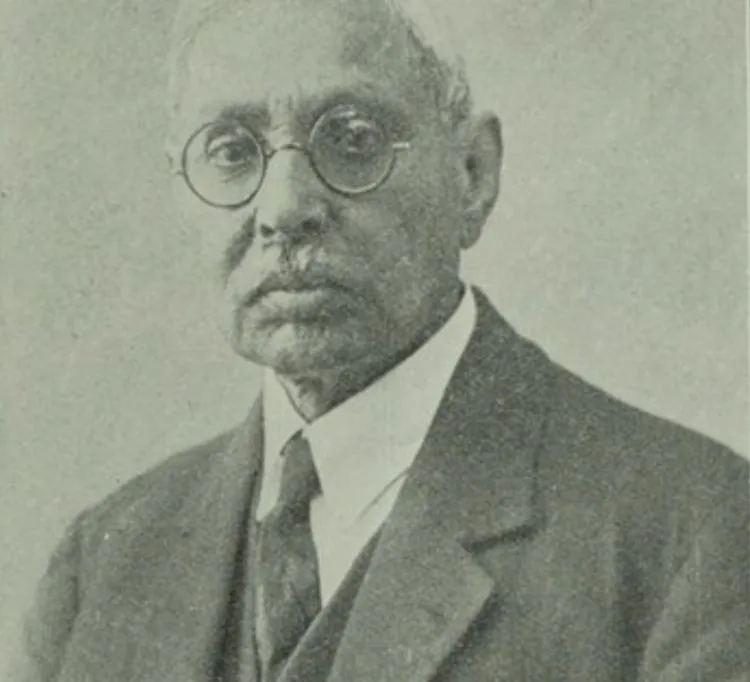
Maulana Barkatullah Bhopali

Then, “Inquilab Zindabad”, the popular hymn echoed at Jantar Mantar very recently, was originally coined by Urdu poet-politician Hasrat Mohani at the Congress’ Ahmedabad session, while Bhagat Singh solely made it popularized. Mohani had been a soulful Krishna Bhakt, leaving him writing eulogies for ‘Hazrat Krishna’ (Hazrat is not a religious tag; it is an honorary title).  He, being the co-prisoner of Gandhi ji, presented him with the USSR idea of federalism for empowering the localized and regional pockets of the agglomerate India. His courage and values proved his patriotism in the debates of the Constituent Assembly and confrontations with the Britishers. 
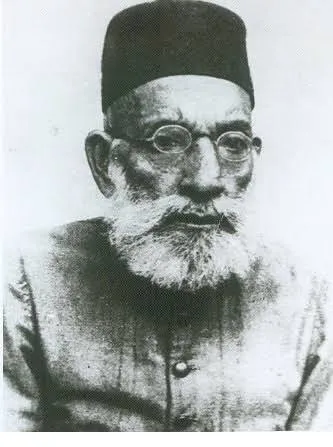
Hasrat Mohani

We remember Mahatma Gandhi more than any other freedom fighter, but are we mindful of the fact that the man who saved him was Batak Mian Ansari during the Champaran Satyagraha in 1917? He was the cook deployed by the Britishers, who then ordered Batak Mian Ansari to serve venomous milk to Gandhi ji. His integrity made him stake his life to save Gandhi ji. He sneakily warned Gandhi ji, and, as anticipated, he was kicked out of his job by the Britishers, further leaving him battered by the villagers and ousting him and his family from his residence. To date, his family couldn’t receive what was promised for his courage by India’s first president, Rajendra Prasad. Questioning how much we have honoured the honorable personalities on the ground?
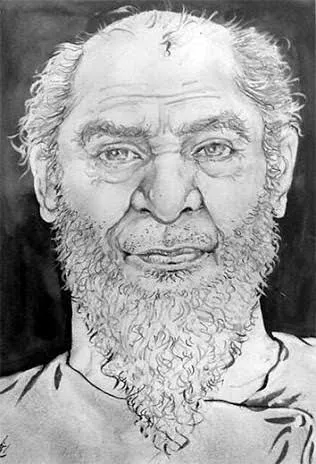
Batak Mian Ansari

The last Nizam of Hyderabad, Mir Osman Ali Khan, is also in this queue of the buried names. Independence movement is not merely the swing between direct confrontation with colonial regime, it too laps over the pre and post period that either nudged the movements or repaired the damages caused to India. He has reportedly granted mammoth donations across educational and religious institutions. From BHU, AMU, IISc, publication of critical editions of Mahabharata, Golden Temple, Amritsar and many more places . We rewind through cruel rulers who demolished Indian structures, to attack their community and make them accountable in the present, but are we awakened with these submerged realities as well? One-sided history or evolving history, rationality comes with the choices citizens make to discern their roots.
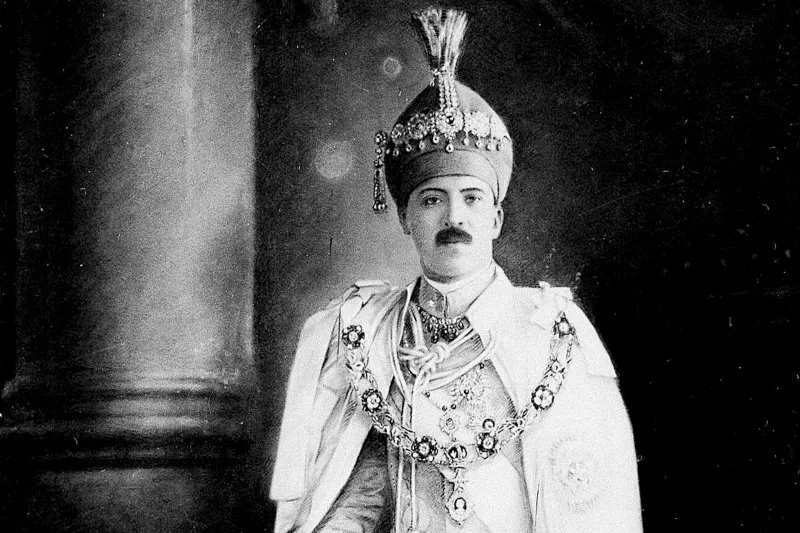
Mir Osman Ali Khan

The history of Muslim resistance to British colonial rule also travelled deep into Malabar in Kerala, where Variyankunnath Kunjahammad Haji, Ali Musliyar , and Sayyid Fazal Pookoya Thangal emerged as formidable names in a long tradition of anti-colonial mobilisation. Fazal Pookoya Thangal, the 19th-century Mappila spiritual leader of Malabar, became an influential voice against British authority and the oppressive agrarian order sustained under colonial rule, eventually being forced into exile in 1852. Decades later, that inheritance of resistance found powerful expression in the 1921 Malabar uprising, with Ali Musliyar, a religious scholar and Khilafat leader, and Variyankunnath Kunjahammad Haji becoming among its most prominent leaders. Haji challenged British authority in parts of Malabar and established a parallel administration in areas under rebel control, while Ali Musliyar mobilised people against colonial rule before being captured and executed by the British. Haji, too, was eventually captured and executed by firing squad in January 1922.
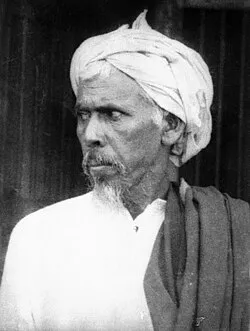
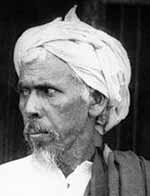
Ali Musliyar

Culture can marginalise women, but religion pours courage 

“Khoob Ladi Mardani thi, Wo Jhansi Wali Rani thi”, Whenever we speak of women who took up arms for this land, Rani Lakshmibai of Jhansi is the name that comes to every tongue, and she deserves every bit of that memory. But here’s what gnaws: she was not alone. There were other women just as fearless, standing in the same fire, and history simply didn’t bother to write their names down. 
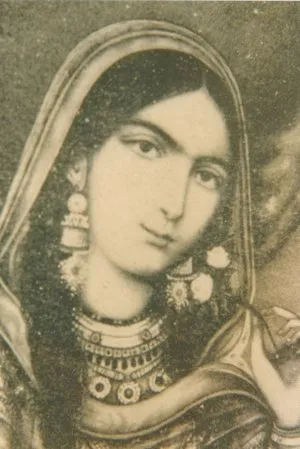
Begum Hazrat Mahal

Begum Hazrat Mahal was one of them, and she wasn’t a side character, she was one of the rebellion’s most formidable forces. Even William Howard Russell, a British correspondent writing for his own side, couldn’t deny her fire. In his My Indian Mutiny Dairy, describing her as a woman of remarkable energy who had stirred all of Oudh into rising for her son’s cause and had herself declared undying war against the British. At Musa Bagh in Lucknow, she didn’t issue orders from a distance, she personally fought alongside and rallied nearly 9,000 rebel soldiers, moving from camp to camp, lifting morale with speeches that set entire camps on fire.
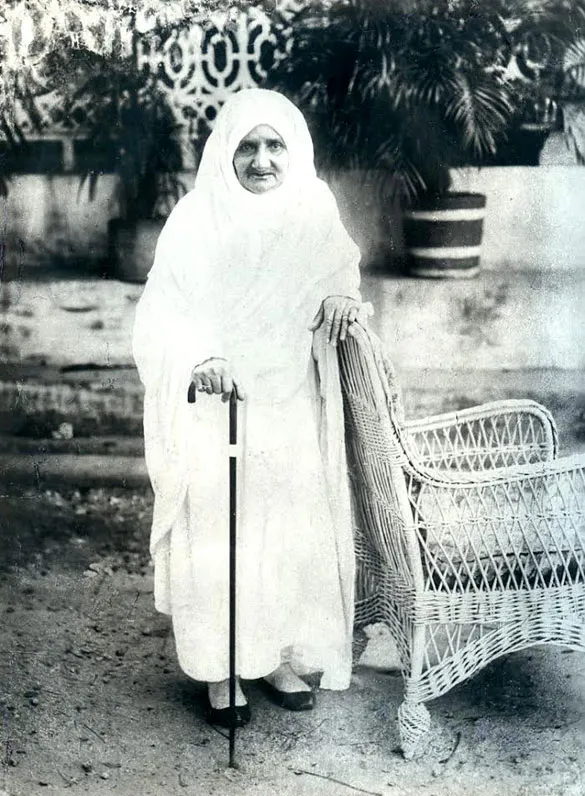
Abadi Bano Begum

And then there’s Abadi Bano Begum- the woman history remembers, if at all, only as “Bi Amma.” A widow with six children, one of the sons Maulana Shaukat Ali, and the other Mohammad Ali Jauhar, above-mentioned together known as the Ali Brothers. She could have used every excuse the world hands a woman to stay silent. widowhood, motherhood, the weight of raising children alone. She used none of them. When the country needed people brave enough to stand up to the British, she stood up too. She became the first woman to address a political rally while wearing a burqa and let that sink in for a moment. She didn’t have to remove a part of her identity to be taken seriously in public life; she broke the idea that a veiled woman couldn’t also be a fighter, a leader, or a voice loud enough to move a crowd. She urged women to stop hiding at home and join the struggle, organizing funds and meetings where they were addressed as political beings for the first time, and taught why boycotting foreign goods mattered. She convinced them to donate to the Tilak Swaraj Fund, set up by Bal Gangadhar Tilak to finance India’s freedom struggle.
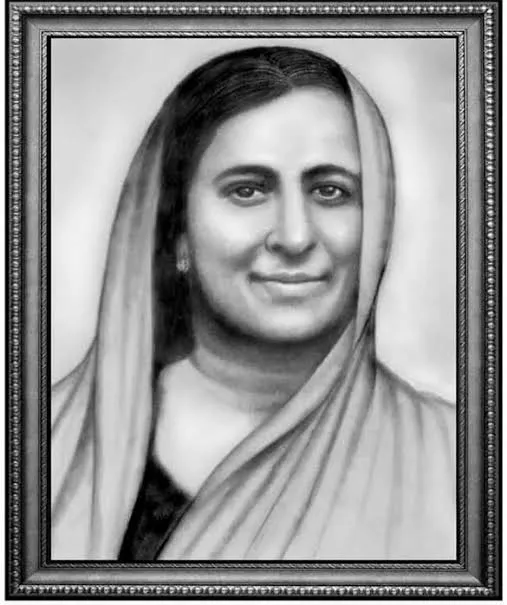
Kulsum Sayani

Not every battle was fought with a sword, some were fought with pen and paper. Kulsum Sayani, awarded the Padma Shri in 1960, waged her own war against illiteracy through the Jan Jagran movement, teaching under “each one, teach one” and leading centres for Muslim women that grew from 50 to 600 by sheer will. Begum Rokeya, a fiercely prolific feminist writer at a time when a woman dreaming was seen as rebellion, imagined a world turned upside down in Sultana’s Dream, then built that vision into reality, founding a girls’ school in 1909 and the Muslim Women’s Association in 1916, giving women space to learn and speak.
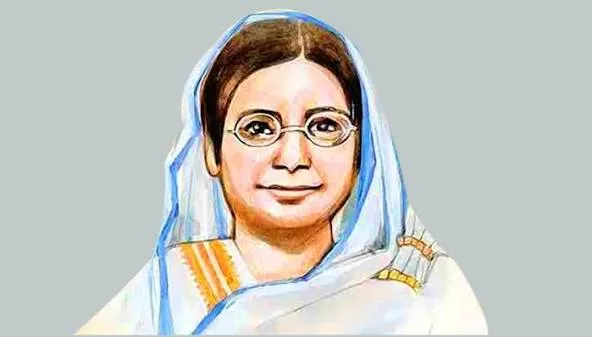
Begum Rokeya

80th Indian Independence Day’s call to unwind the narratives 

As the author of ‘Sare Jahan Sai Achcha, Hindustan Humara’– Allama Iqbal penned- “The freedom lovers of the nation stepped forward with such dignity that even those long imprisoned by deprivation watched in admiration.” It has been shouldered on the present generations to soak in the evolving history to sanitize the present from groans of hatred, rotting the Indian society. 

These lost chapters from Indian history wouldn’t have been possible to muster without the effulgent works of Salim Khan, Romila Thapar, Ramachandra Guha, S. Irfan Habib, Mushirul Hasan, A. G. Noorani, Rana Safvi, etc. Grinning us with the fact that the pluralistic framework of India is not only designed by the constituent makers, but it is also originally earned by all the freedom fighters, from pre- to post-independence.

Adeena Navaid is a law student and writer covering legal, social, and feminist issues, with work published in Maktoob, Bar & Bench, The Quint, Siasat, SheThePeople, and other platforms. Aiman Tabassum is a final-year LL.B. student at the University of Mumbai who writes on constitutional law, legal history, and socio-political issues, with work published in Bar & Bench.

source: http://www.maktoobmedia.com / Maktoob Media / Home> Opinion / by Adeena Navaid & Aiman Tabassum / August 14th, 2026
Mappila Haal: Celebrating 100 Years Of Malabar Uprising

KERALA :

This year marks the 100th anniversary of the eventful Malabar Uprising of 1921.

In this historic context, SIO Kerala has come up with a new venture: an interactive virtual exhibition titled ‘Mappila Haal’.

‘Mappila Haal’ is a comprehensive creative expression of the Malabar Uprising enabling the viewer to travel through the revolutionary days and nights.

SIO acknowledges the memories, discussions on various factors and celebration of the Malabar Uprising as a crucial socio-political engagement.

History is not merely a record of the past. For any community, history is a decisive factor in their present life. That is why history is said to be a never-ending dialogue between the past and the present. Historical narratives play a major role in shaping contemporary socio-political perspectives and imaginations.

Every community should have a deep understanding of their history, and they should record and promote it. Failure to do so will result in the tragedy of having to live in a history written by others. That condition will adversely affect their future. Because their history written by the mainstream-dominant ideologies will be understood as the real one. If the dominant powers decide to marginalize or annihilate any community forever, they will use history as an easy tool. For that, they will do injustice to history in two ways. One is to hide and erase the rich history of that community, and the other – to present a distorted narration of it.

How Islam and Muslims were treated in colonial historiography is an apt example of this. The colonial powers hid the prestigious and glorious history of Muslims all over the world.  Later, colonialism defined Islam and Muslims in their own way, based on which the history of Muslims was written – Islam is primitive, it was spread in the world by sword, Islam is utter terror, Muslims are savage, bloodthirsty, war-loving, violent and dangerous. Based on this definition, they presented a distorted version of world Muslim history. In doing so, they sought to create a public perception that the very presence of Muslims would be dangerous to any nation and all forms of social and political expression based on Islam reflects extremism and terrorism. The aim was to make people believe that they were the ones who needed to be eliminated. Thus, this narrative became a justification for all violence, injustice and genocide against Muslims. This is how history itself becomes the greatest instrument of oppression. It is in this colonial narrative that the roots of present-day Islamophobia too lie, be it global, national or in Kerala. 

Here comes the relevance of the remembrance and celebration of the Malabar Uprising. This is a time when Hindutva politics is gaining strength and the Sangh Parivar is working on the genocide of Muslims. Hindutva forces use the history of Muslims in two ways to facilitate ethnic cleansing: One is the attempt to erase the history of Muslims in India and to uproot the glorious roots of Muslims in this country. Second, to distort the history of Muslims in India into an anti-Hindu history. Through these two forms of violence against history, Hindutva quickly finds pace for its racist propaganda.  In other words, the Hindutva forces are trying to create a public conscience that the Muslims are a group that came from somewhere, that they have no roots in this country, that the history since their arrival here is one of violence, that their presence is a danger to the country and therefore they should be eradicated. The question of how one’s mind allows Muslims to be lynched to death in broad daylight turns irrelevant there.  When a person believes that Muslims deserve to be killed, he will not feel any remorse for killing them. 

In this particular political context, there is a special significance for popularizing and celebrating the memories of the Malabar Uprising.  By remembering the Malabar Uprising and the fighters involved within, we are also positioning ourselves against the Hindutva ideology.  The British colonial powers portrayed the Malabar Uprising as fanatic aggression. Such a propagation was quite natural because it was a battle against them. However, the Sangh Parivar is also propagating the Malabar Uprising as a brutal anti-Hindu massacre, inciting hatred against Muslims in its name and using the history of the Malabar Uprising as fuel to accelerate the aforesaid process of genocide.  In 1921 itself, the Hindutva forces propagated the Malabar Movement as a Hindu genocide and used it as a fertilizer for the formation of the RSS. 

Moreover, the historical point of the Malabar Uprising is constantly disturbing Hindutva politics in many ways.  One of them is that the Malabar Uprising reminds us of the crucial role of Muslims in the anti-colonial struggles that led to the formation of the nation of India.  Another is that the Malabar Uprising was also a struggle against the upper caste hegemony which is the foundation of Hindutva politics. That is why the Sangh regime’s dictionary of martyrs cannot include the names of the Mappila fighters. Therefore, remembering and celebrating the Malabar struggle is a strong statement against Hindutva politics.

The memory of the Malabar Struggle is also a memory of our own glorious tradition.  It also gives us an idea of ​​how strong and deep our roots are in this land.  It shows the pivotal role played by our ancestors in the freedom struggle of this country, social renaissance and civilizational development.  For the Muslim community in India, this memory and realization will provide the energy to move forward with self-respect in the face of several crises.

The Malabar Uprising had two main stages. One was the struggle against the colonial British forces. Second, the struggle against the feudal and caste lords who oppressed and exploited the peasants and lower castes like slaves. The extraordinary struggle led by Ali Musliyar and Variamkunnath Kunhahammad Haji shook the foundations of the colonial powers and the caste leaders. It instilled a new dream of liberation in the oppressed masses. It was these two brave leaders who gave direction to the Malabar Uprising in which thousands of agricultural workers and labourers rallied. Many non-Muslims too took part in the Malabar Uprising along with the Mappilas.

We also need to think about the theological factor that motivated the Mappilas to fight. The Islamic faith was the basic factor that inspired the Mappila warriors to take their own lives and go to battlefield. It is a part of the Islamic faith to stand for justice and to fight against injustice, discrimination, slavery and exploitation. The Qur’an and the Sunnah teach us to fight for the victims of injustice. It is part of Tawheed (monotheism) that slavery and obedience are permissible only to Allah. Believers do not accept slavery or obedience before another. And they believe that the struggle for truth and justice is Jihad in the way of Allah. The scholars of Malabar passed on these divine lessons of justice and liberation taught by Islam to the common Mappilas. That is how the struggles against the occupying forces and caste lords took place in Malabar from the sixteenth century onwards.

Indeed, a cosmopolitan component was involved in the Malabar Uprising. After a short gap, the anti-colonial struggle in Malabar gained momentum again in 1921, with the advent of the Khilafat Movement. Even the national movement became popular as a result of the influence of the Khilafat movement. The Khilafat movement and the political ideology of the Khilafat acted as a new force in the anti-colonial anti-caste struggle. Globally, western modernity strengthened its political power by overthrowing the Ottoman caliphate. It was on the basis of these political convictions that the Mappila community, having global perceptions, embraced the Khilafat movement.

The historical narratives formed by the dominant ideologies can be defended and overcome only when studies are carried out in the light of such different elements involved in the Malabar Uprising. In particular, it is imperative in modern times to enable a critical reading focusing on the agency of the warriors, theological thought, social position, and decolonization. The SIO came up with the idea of ​​a virtual exhibition based on the conviction that such alternative narratives and analyzes focused on these considerations should be brought to the fore.

In the context of the 100th anniversary of the Malabar Uprising, SIO’s main objective through this virtual exhibition is to look at the history of Kerala’s Muslim intellectual and struggle history through an alternative perspective, to enable the production of knowledge about it, and to celebrate it politically and culturally. This can only be comprehensive when the various narratives that have been formed post rebellion are critiqued and analyzed from a realistic perspective. This is a continuation of the knowledge politics that SIO has been raising from time to time. We mark this interactive virtual exhibition as a continuation of the knowledge politics that SIO promotes through its rejection of hegemonic ideas and its critical reading of knowledge such as history, politics, theology and aesthetics.

The virtual exhibition will be available on a mobile application with a feast of video contents, paintings, calligraphy, digital art, rare archives, exclusive photos, the timeline of the uprisings of Kerala Muslims, different narratives on the Malabar Uprising, articles, profiles, events and graphical maps of the places of rebellion.

‘Mappila Haal’ will also be marked as a critical alternative to the colonial and savarna narratives which portrayed the long intellectual and revolutionary tradition of Malabar against the colonial and caste powers as fanatic and barbaric.

You can download the app both on Google Play and on the App Store.

Amjad Ali EM is the President of the SIO Kerala. The original article was published in Prabodhanam weekly published on Dec 24, 2021 (Volume 78).

Note: The original article had used the word ‘rebellion’, which we have changed to ‘uprising’

source: http://www.thecognate.com / The Cognate / Home> History / by Amjad Ali E M / January 03rd, 2022

India: Historians recall role of Muslims in freedom struggle

Coinciding 74th Independence Day on Aug. 15, scholars recollect help of Turkey to India’s national freedom struggle

Abdul Hameed Nomani, General secretary of the All India Muslim Majlis Mushawarat

New Delhi:

Celebrating country’s 74th Independence Day on Aug. 15, under the shadow of recent communal riots in capital Delhi and anti-citizenship law stir, many Indian scholars have called for recalling the role of Muslims during India’s freedom struggle.

Author and scholar Waseem Ahmed Saeed said over time, the contribution of Muslim freedom fighters in India has been forgotten.

In his book titled Kala Pani: Gumnam Mujahideen-e-Azadi 1857, Saeed said from the 1757 Battle of Plassey in Bengal, Tipu Sultan’s Seringapatam battle in South India in 1799 to the massive revolt in 1857 against the British was led by Muslims.

Saeed, who has authored a book on the subject in the Urdu language, said while India’s official history celebrates Udham Singh for killing Michael O’Dwyer, the lieutenant governor of Punjab in India, in revenge for the 1919 Jallianwala Bagh massacre in Amritsar, it does not recognize Sher Ali Afridi, who killed Lord Mayo, British viceroy and governor-general of India from 1869-1872.

Speaking to Anadolu Agency, many Muslim scholars and historians said the role of their ancestors in the freedom struggle has been overlooked.

According to Syed Jamaluddin, director of historical research projects at the Institute of Objective Studies, a think tank, there is no adequate coverage of the role of the Indian Muslims in the national movement.

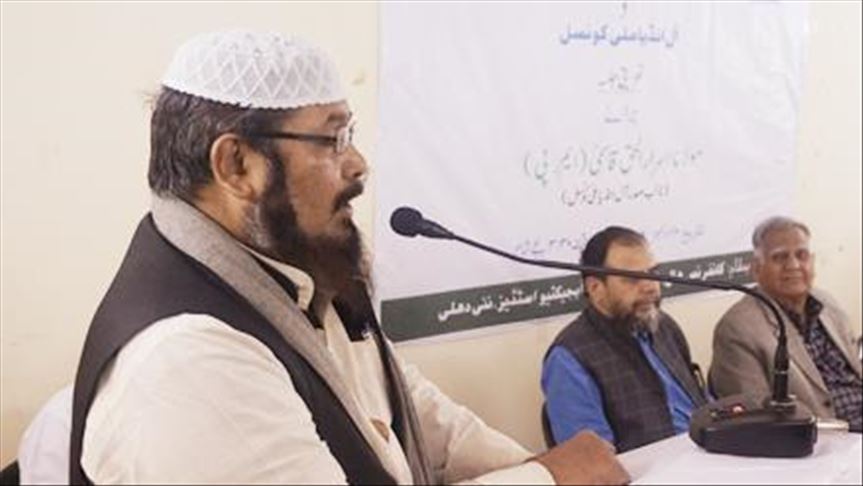
“The contribution of Muslim revolutionaries, poets and writers is not known today. Similarly, little is known about the contribution of people like Ali Musliyar and Bi-Amma, who made significant contributions,” he told Anadolu Agency. He is currently editing a book on the Muslim role in India’s freedom struggle.

Saeed recalled in his book that it was the ruler of Bengal Siraj-ud-Daulah, who first fought and lost to the British in 1757, which became a cornerstone for the imperial power to colonize India.

He said that even after losing this battle, there were many rebellions led by Muslims until 1850.

Muslim revolts against British

Jamaluddin mentions the Fakir-Sannyasi rebellion, a joint revolt against colonial power by Muslim and Hindu ascetics, for preventing them from collecting religious tax from locals. It started in 1764 and continued until the 1850. He said the rebellion even spread its wings to southern India’s Madras (now Chennai) presidency.

But most prominent and popular movements that hit the British hard in the early 20th century in the subcontinent was the Reshmi-Rumaal Tehreek (Silk Cloth Movement) led by Maulana Ubaidullah Sindhi with the help of Turkey, Germany, and Afghanistan.

Speaking to Anadolu Agency, a prominent Muslim scholar Abdul Hameed Nomani said that despite his best efforts, Sindhi’s contribution has not been included in the official Indian history.

Along with an Indian prince Raja Mahender Pratap Singh, Sindhi, and Maulvi Barkatullah had established the exiled government of India in Afghanistan in 1915.

“The movement picked up around the same time when Subhash Chandra Bose [renowned Indian freedom fighter] was allying with Germany and Japan to oust the British from India. While Bose is celebrated nationwide, not much is known about Sindhi and his supporters,” said Nomani, who is also the general secretary of the All India Muslim Majlis Mushawarat, an umbrella group of prominent Muslim organizations.

It was named Silk Cloth Movement because Sindhi and other leaders used to send letters and directions to their cadres written on silk cloth.

Later, Sindhi went to Turkey and joined the country’s national struggle.

“The movement led to the formation of Indo-German-Turkish mission to encourage local tribes on the borders of Afghanistan to attack Britishers and their interests. While the key figures were arrested by the British, the movement remains a key event in the freedom history,” he added.

He said even though in 2011 the government released a postal stamp to commemorate Sindhi’s movement, there has been no vigor to record the sacrifice of Sindhi and his allies Mahmud Hasan and Husayn Ahmad.

“Only passing reference has been made about the role of Muslims in India’s national struggle,” rued Nomani.

source: http://www.aa.com.tr / Anadolu Agency / by Cheena Kapoor / August 14th, 2020

After 97 years, a forgotten British massacre uncovered

KERALA :

The British unleashed ruthless violence over Mappilas to quell the rebellion in south Malabar taluks

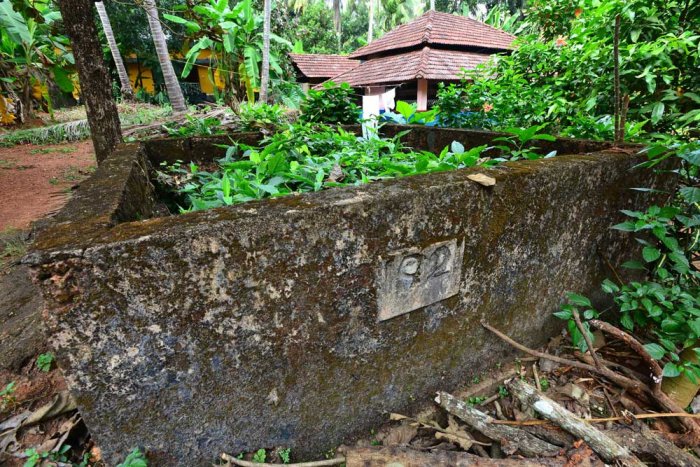
A mass grave in Adhikarathodi, Melmuri, where 11 bodies had been buried after the massacre. (Photo courtesy: Sameel)

Ninety-seven years ago on this day, the British army massacred 246 people in a small village in the Malappuram district of Kerala as part of a crackdown against the Mappila rebels.

The Mappila Rebellion was part of the non-violent Khilafat Movement led by Mahatma Gandhi and the Ali Brothers in 1921-22. The Mappila Muslims, who reside in the south Malabar region, had taken the movement seriously and engaged in combat with the well-equipped British army.

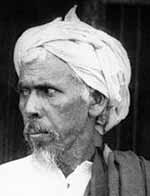
Ali Musliyar (Courtesy: Wikimedia)

The Mappila warriors, under the leadership of cleric Ali Musliyar and Variyam Kunnath Kunjahammed Haji (V K Haji), captured the taluks of Eranadu and Valluvanadu from the British and established their own rule.

After a short period, the British suppressed the rebellion savagely by letting loose the Gurkha Regiment, Dorset Regiment etc. According to official data, more than 2,300 people were killed and over 45,000 rebels were imprisoned in different jails  across the country (the numbers are five-fold higher in unofficial records).

The rebellion had a huge impact on the region as well as the country. Mahatma Gandhi distanced himself from the rebels stating that the rebellion was just “an outburst of fanatics”. Several works, both critical and in support of the rebellion, have been published, but most of them are silent about the British crackdown on the rebels.

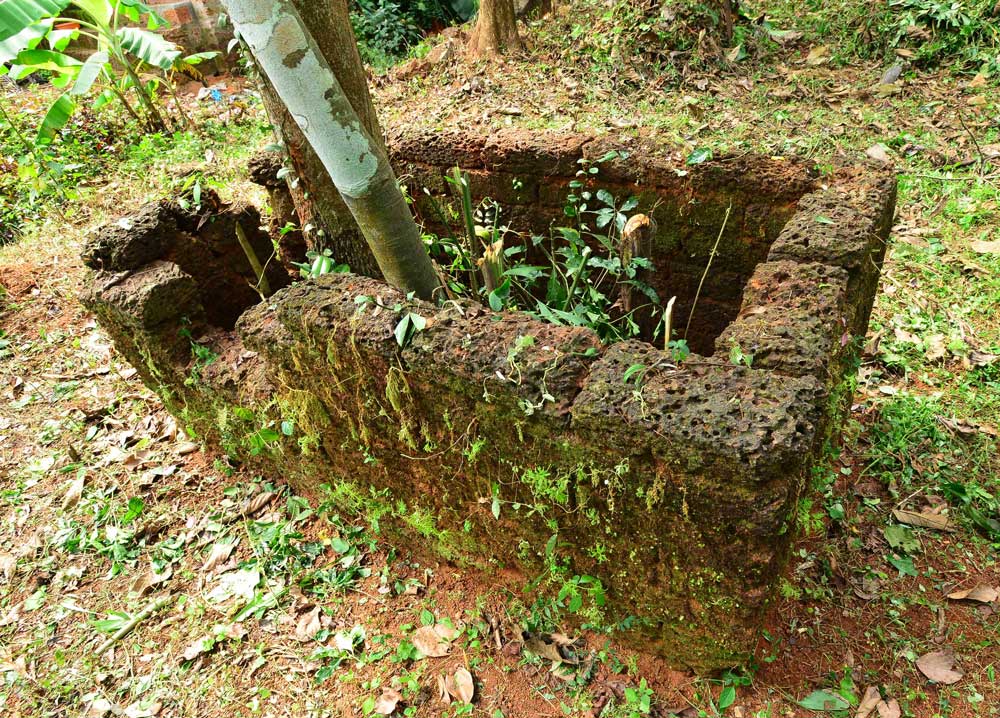
Two bodies were buried in this grave. (Courtesy: Sameel)

Unmarked graves

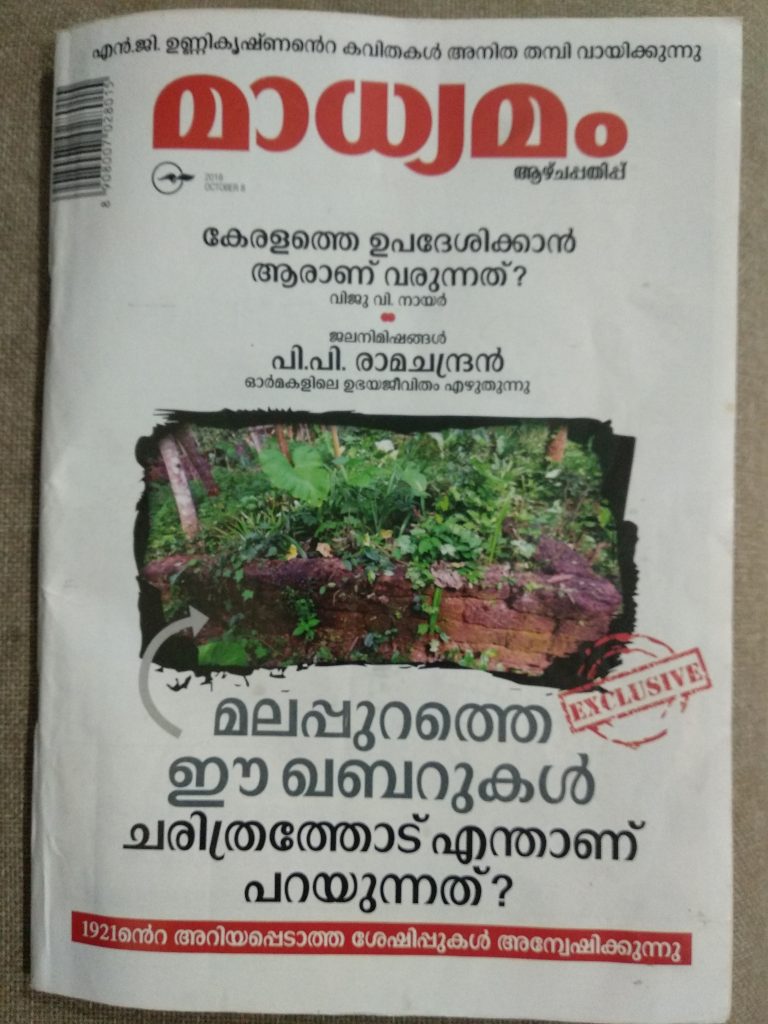
This bloodbath, which was largely forgotten, came to light after a three-year-long research by a journalist. Illikkal Sameel, who is with a Malayalam media organisation, spent four years documenting the history behind unmarked graves in a village  located 3 km from the Malappuram district headquarters. In a detailed report published in Madhyamam Weekly, a Malayalam magazine, Sameel has illustrated the brutality of the British towards the Mappila, mostly innocents, including the old and the sick, to terrorise the rebels who had driven the mighty English force away from the region for months.

Cover page of Madhyamam Weekly.

In an ironic twist, Sameel, who resides in a nearby village, got to know about this forgotten historical episode four years ago from a friend, K Ashraf, who is pursuing his PhD from Johannesburg University, South Africa. Ashraf informed Sameel about the undocumented graves dating back to 1921 present in the area.

Initially, Sameel could find only five graves at Adhikarathodi in Melmuri village but nobody had any details about those buried there. After tracing the descendants of those buried, Sameel obtained information of 40 people from nine graves. All the graves had more than one body buried and among them one had upto 11 bodies.

“Malabar struggle is a well-researched topic from Kerala’s freedom movement and several scholars are still trying to explore more aspects. But I could find no trace of this particular massacre in any of those works,” Sameel said.

“In a casual conversation, a researcher in Malabar history mentioned Dorset Regiment and their involvement in suppressing the rebellion. I dug further to get details of the regiment and their expeditions, that was also futile,” Sameel explains.

From an octogenarian physician Dr Thorappa Muhammed, Sameel got to know that the number of people killed in the massacre was more than he could count. Muhammed told him that the number would go above 200 and challenged him to look at official British  documents for more information.

Connecting the dots

“Most of the documents are not publicly available now, so I started flipping through the contemporary chronicles of officials. Among them, I went through a book of the  Personal Assistant of Kozhikode Collector Mr Gopalan Nair’s ‘The Moplah Rebellion 1921’, which was published in 1924. In that book, he has just mentioned that the Dorset Regiment met some rebels near Melmuri and it led to the killing of 246 people on October 25, 1921,” said Sameel.

A book by the then police inspector of Malappuram, R H Hitchcock, describes every moment of his life as a British officer in Malappuram.

“The book is no more in print, hence, I got a photocopy of the book from one of my friends and a professor at Malappuram Government College, Dr Jameel Ahmed,” said Sameel.

BookMalabarRebellionMPOs27dec2018

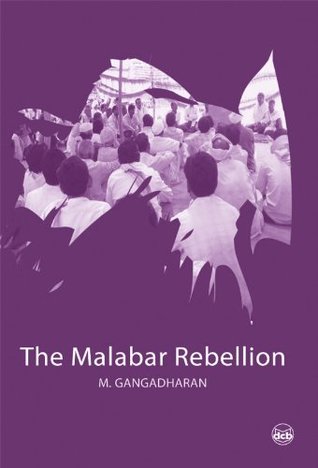
Another historian, Dr M Gangadharan, has cited British officials G R F Tottenham and C T Atkinson in his work on the Malabar struggle. Sameel found Tottenham’s book to be the most valuable as the author had added all the official communications, notes, commission reports etc., that were available during the rebellion.

“I stitched all these details together with the verbal accounts of various residents and stories of survivors to write this report. It was a painful effort,” said Sameel.

Earlier efforts 

In the early 2000s, an article published in ‘Souvenir’ as part of the Pookkottur War anniversary had made some efforts to cover the massacre.

Some young enthusiasts and writers had also made videos regarding this massacre and related artefacts still available in the area. The information for these efforts led Sameel to more graves.

Two feet deep grave. (Courtesy: Sameel)

‘Girls were murdered’

“Dr Thorappa Muhammed had mentioned graves dug by Muslim women as men were unavailable to conduct the funerals,” elaborates Sameel. “I found two such graves in the latest expedition. Unlike the usual six-feet deep Muslim graves, these were only two feet in depth,” he said.

“As per some official documents and the accounts of descendants of the dead, a significant amount of the people killed in the massacre were innocent. Family members told me about men, including aged and sick, being forcefully dragged out of their  home and shot. Two girls who were trying to protect their fathers were also shot by the army,” Sameel added.

Punished for links?

Apart from a telegram communication of the officials mentioning the short-engagement between Dorset and rebels in Melmuri after the Mappilas were attacked, there is no other evidence to lead us to the motive behind the massacre.

“A large gang reported last night four miles north-west of Malappuram. Operations are undertaken against them by Dorsets, Artillery and armoured cars. Enemy met in jungle west of Melmuri opposing our troops there and in the houses, refusing to come  out when ordered to surrender and offering continued opposition resulting in 246 rebel casualties,” reads the telegram.

Sameel assumes the British unleashed violence in that particular place due to the presence of a big chunk of Ali Musliyar’s students and giving shelter to V K Haji when he was in underground.

He rules out any connections to the alleged Mappila brutality, including forceful conversion of non-Muslims. “In my research, I could not find any credible information about the forceful conversion. Rather, there are mentions of participation of lower caste people in the rebellion,” Sameel claims.

“If such forceful conversions had happened, where are the later generations of those people. But till now nobody came forward claiming as the descendants of ‘those people’,” says Sameel.

“The story of forceful conversion was to demonise Mappila warriors and justify the British brutality. Even the leaders in the freedom movement believed this story and ignored the ruthless suppression of the rebellion,” he added.

In his article, Sameel gives an account of assistance from Thiyya family, lower caste Hindus, to extinguish the fire set on homes of Muslim neighbours by the army.

The course of rebellion changes

The entire course of the rebellion changed after the massacre as more rebels surrendered. Also, the popular support to the rebellion had also diminished. The British created an impression among the people that none,  despite being active or inactive in the rebellion, would be spared.

“This was the British strategy to terrorise the rebels as well as sympathisers of rebels to give a strong message: ‘either support British or die’,” Sameel added.

The British officials themselves accepted that all they killed were not rebels, but they cheered the increase in the number of submissions as a result of the army act.

“In the interval before they (Dorset Regiment) came into action, there had been several encounters with the rebels and on October 25th the Dorsets had killed 246 Mapillas in the Melmuri area. Not all of these probably were active rebels, and the encounter seems to have had a considerable moral effect, for shortly afterwards petitions began to be received from ‘amsams’ in the neighbourhood of Malappuram offering submission,” Under Secretary reported to superiors. (Tottenham, 39).

In the correspondence of F B Evans, I US, Special Civil Officer, he wrote that Malappuram Kazi with thousands of men and women pleaded for amnesty after the massacre. In continuation, he regrets about the bloodbath, saying, “I think this may be put down as the effect of the Melmuri show on the 25th when no doubt a certain number of comparatively innocent people were unavoidably killed.”

Complete cover-up

British and upper caste historians deliberately neglected this episode for their benefits, alleges Sameel.

British officials tried to cover up this brutality to suppress the rebellion as part of maintaining themselves from further reactions from Muslims from other parts of India and to avert the global scrutiny of the war crime.

Sameel demands an open apology and reparation from the British government for their brutality on innocent people.

“The massacres the British army unleashed as part of a crackdown on the rebellion in Malabar, including the one in Melmuri, was one of the deadliest violence in India when one looks at its intensity. There were families without men, as all men were killed or taken to prisons. Those families need both an apology as well as compensation. The Indian government should pressurise the UK for this,” Sameel said.

For generations to come

After publication of the article, Sameel received several calls from different corners detailing other similar massacres. He is planning to write a book with more descriptions and related events.

There is also a plan to produce a documentary on this. Malayalam filmmaker and director of hit movie ‘Sudani from Nigeria’, Zakaria Muhammed, has agreed to produce the documentary under the banner of his production house – Cross Border Camera.

Sameel hopes the history books will feature this episode in the coming days. “The episode of the massacre was known among the victims’ families, till the last generation. The present generation is not aware of this. I hope my work will instil curiosity among them,” Sameel added.

source: http://www.deccanherald.com / Deccan Herald / Home> Specials / by Ajmal V / DH News Service, Bengaluru / October 25th, 2018

Ali Musliyar — most prominent leader of Mappila Uprising

Nellikkunattu Desam (Evanad Taluk – Malabar District) KERALA :

AliMusliyarMPOs27dec2018

The Malabar rebellion (also known as the “Moplah War”, Mappila Lahala in Malayalam) was an armed uprising in 1921 against British authority and landlords in the Malabar region of Southern India by Mappila Muslims and the culmination of a series of Mappila revolts that recurred throughout the 19th century and early 20th century. The 1921 rebellion began as a reaction against a heavy-handed crackdown on the Khilafat Movement by the British authorities in the Eranad and Valluvanad taluks of Malabar. In the initial stages, a number of minor clashes took place between Khilafat volunteers and the police, but the violence soon spread across the region.

An estimated 10,000 people lost their lives, although official figures put the numbers at 2337 rebels killed, 1652 injured and 45,404 imprisoned. Unofficial estimates put the number imprisoned at almost 50,000 of whom 20,000 were deported, mainly to the penal colony in the Andaman Islands, while around 10,000 went missing.

Contemporary British administrators and modern historians differ markedly in their assessment of the incident, debating whether the revolts were triggered off by religious fanaticism or agrarian grievances. At the time, the Indian National Congress repudiated the movement and it remained isolated from the wider nationalist movement. However, contemporary Indian evaluations now view the rebellion as a national upheaval against British authority and the most important event concerning the political movement in Malabar during the period.

Early life and career in Mecca

Ali Musliyar was born in Nellikkunattu desom, Eranad taluk, Malabar district to Kunhimoitin Molla and Kotakkal Amina. Kotakkal Amina was a member of the famous Maqdoom family of Ponnani, known for their religions scholarship. Musliyar’s grandfather, Musa, was one of several “Malappuram Martyrs”. Ali Musliyar began his education studying the Qur’an, tajwid and the Malayalam language with Kakkadammal Kunnukammu Molla. He was sent to Ponnani Darse for further studies in religion and philosophy, under the tutelage of Sheikh Zainuddin Maqdum I (Akhir), which he successfully completed after 10 years.

He then went to Haram, Makkah (Mecca) for further education. After spending seven years in Mecca, he went on to serve as the Chief Qasi in Kavaratti, Laccadive Islands.

Musliyar in Malabar

In 1894, after learning of the slaying of his brother and several other family members, Musliyar returned to Malabar. He discovered that many of his relations and fellow students were lost during an 1896 riot. In 1907 he was appointed as the Chief Musliyar of the mosque at Tirurangadi, Eranad taluk.

The revolt of 1921–22 began following the police arrest of a number of Tenancy Association – Caliphate Movement – Indian National Congress leaders in August, 1921. Rumours that the British troops had destroyed the Mampuram Mosque led to large scale rioting throughout South Malabar against both wealthy Hindu landlords and the British.

Although the British army troops were quick to take the upper hand in many towns, a number of rebels initiated guerilla operations, forcing the British to deploy additional military units and introduce “aggressive” patrolling. The revolt came to an end in February 1922. Ali Musliyar was among a dozen leaders who were tried and sentenced to death. He was subsequently hanged at the Coimbatore Prison on 17 February 1922.

https://en.wikipedia.org/wiki/Ali_Musliyar

source: http://www.milligazette.com / The Milli Gazette / Home> Online News> Family & Kids / pub online: April 05, 2016 and print April 01-15 2016