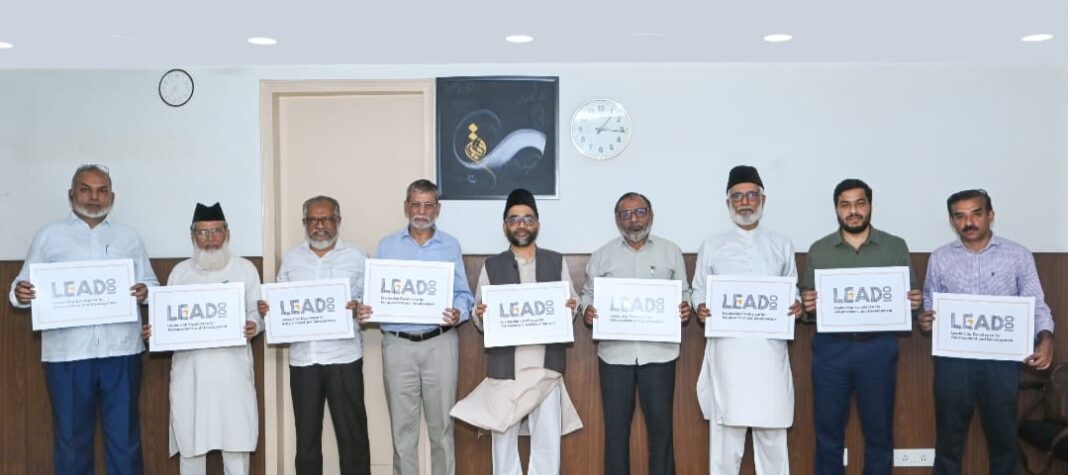
The Human Welfare Foundation (HWF) has launched LEAD 100 — Leadership Excellence for Advancement and Development, a flagship national initiative aimed at identifying and nurturing exceptionally talented students from underprivileged Muslim and backward communities and preparing them for leadership roles in various sectors.
The programme was officially launched here in the national capital by Siraj Hussain (Retd. IAS), Chairman, Human Welfare Foundation; Syed Sadatullah Husaini, Former Trustee, HWF; T. Arifali, Chairman, Vision 2026; Mohd. Jafar, Vice Chairman, HWF; M. Sajid, General Secretary, HWF; Dr. SQR Ilyas, Dr. Hasan Raza and Mujtaba Farooq, Trustees of HWF; and P. K. Noufal, CEO, HWF.
Under the ambitious initiative, HWF plans to identify 100 exceptionally talented students over the first five years, selecting 20 students every year. The programme is designed to provide sustained educational and developmental support to the selected students, beginning after Class X and continuing through higher secondary, undergraduate, postgraduate and doctoral education, at least up to the PhD level and, where feasible, beyond.
As part of the programme, selected students will undergo residential education in Delhi during Classes XI and XII. They will receive comprehensive academic support, financial assistance, personalised mentoring and career guidance, along with exposure to premier educational institutions and opportunities.
The initiative, however, goes beyond conventional academic scholarships. LEAD 100 seeks to develop students as future leaders by placing emphasis on critical thinking, communication skills, character development, ethical values and social responsibility.
The selection process will consist of a three-tier system comprising an admission test, an interview and a two-day residential camp. According to the programme’s objectives, the process has been designed to assess not only academic ability but also leadership potential, aptitude, character, commitment and the capacity to make a meaningful contribution to society.
The selected students will be prepared for leadership opportunities in six key areas — Public Policy, Law, Corporate Management, Social Enterprise, Technology and Civil Services. Through sustained mentoring, capacity building and exposure to intellectual and professional opportunities, the programme aims to help participants develop the skills and confidence required to excel in their chosen fields.
The initiative is based on the idea that identifying talent at an early stage and providing continuous support can help overcome financial and social barriers that often prevent talented students from reaching their full potential. Rather than limiting support to a particular stage of education, LEAD 100 proposes to accompany students throughout their academic journey and into their professional careers.
The HWF said the programme envisions creating a generation of ethical, competent, confident and socially committed leaders who can contribute meaningfully to India and respond to emerging social and national challenges.
The long-term objective of LEAD 100 is to establish a strong national talent pipeline by combining educational opportunity with leadership development. The initiative seeks to produce professionals who can combine excellence with integrity, leadership with social responsibility, and ambition with a commitment to the larger public good.
With its focus on sustained mentoring and leadership preparation, LEAD 100 represents an effort to move beyond short-term educational assistance towards a long-term model of talent development and nation-building.
source: http://www.indiatomorrow.net / India Tomorrow / Home> News> Society / by India Tomorrow / August 31st, 2026
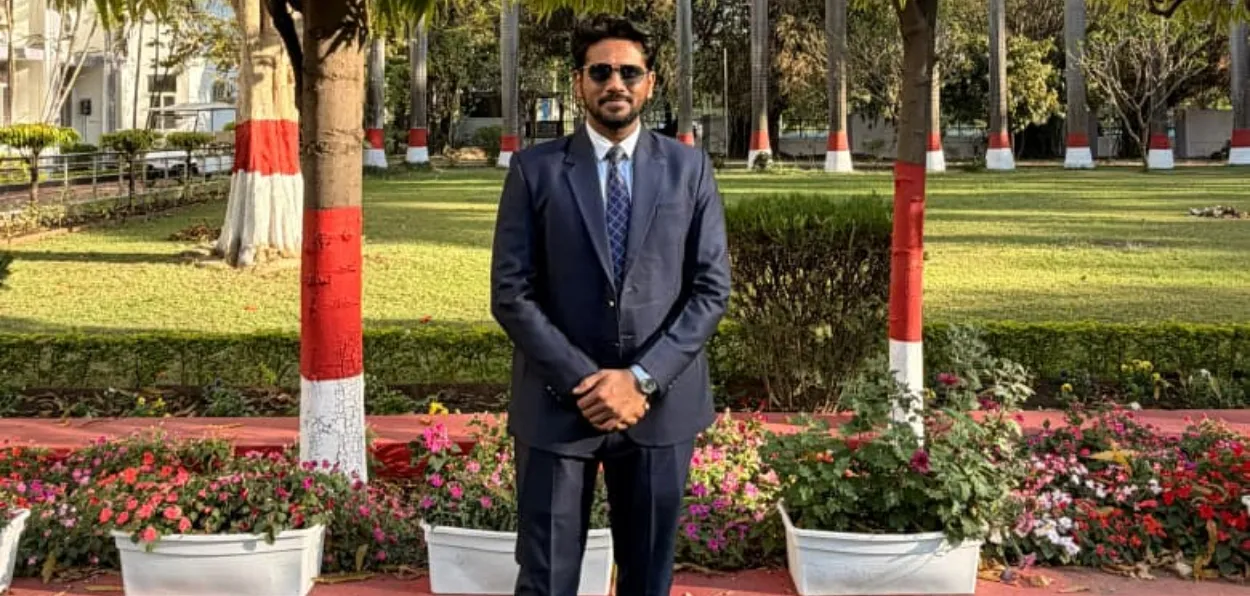
Mohammad Simab Khan, IAS, District Youth Officer, Dubhri, Assam
Muhammad Simab Khan, who grew up amid the slums and congested lanes of Mumbai’s Govandi where crime and drug usage are common among the youth, overcame formidable hardships to clear the gruelling UPSC examination. Today, posted as a District Youth Officer in Assam’s Dhubri district, he hopes his journey will inspire young people from his community.
Speaking to Awaz-The Voice, Simab said he comes from a modest family. His father was a carpenter and his mother is a homemaker. Despite financial constraints, his parents ensured that their children received a good education. Simab studied at New Model English High School in Chembur before graduating in Microbiology and Biochemistry from K. J. Somaiya College.
According to Simab, a lack of awareness and proper guidance often discourages Muslim youth from appearing for the UPSC examination. After graduation, he could have taken .
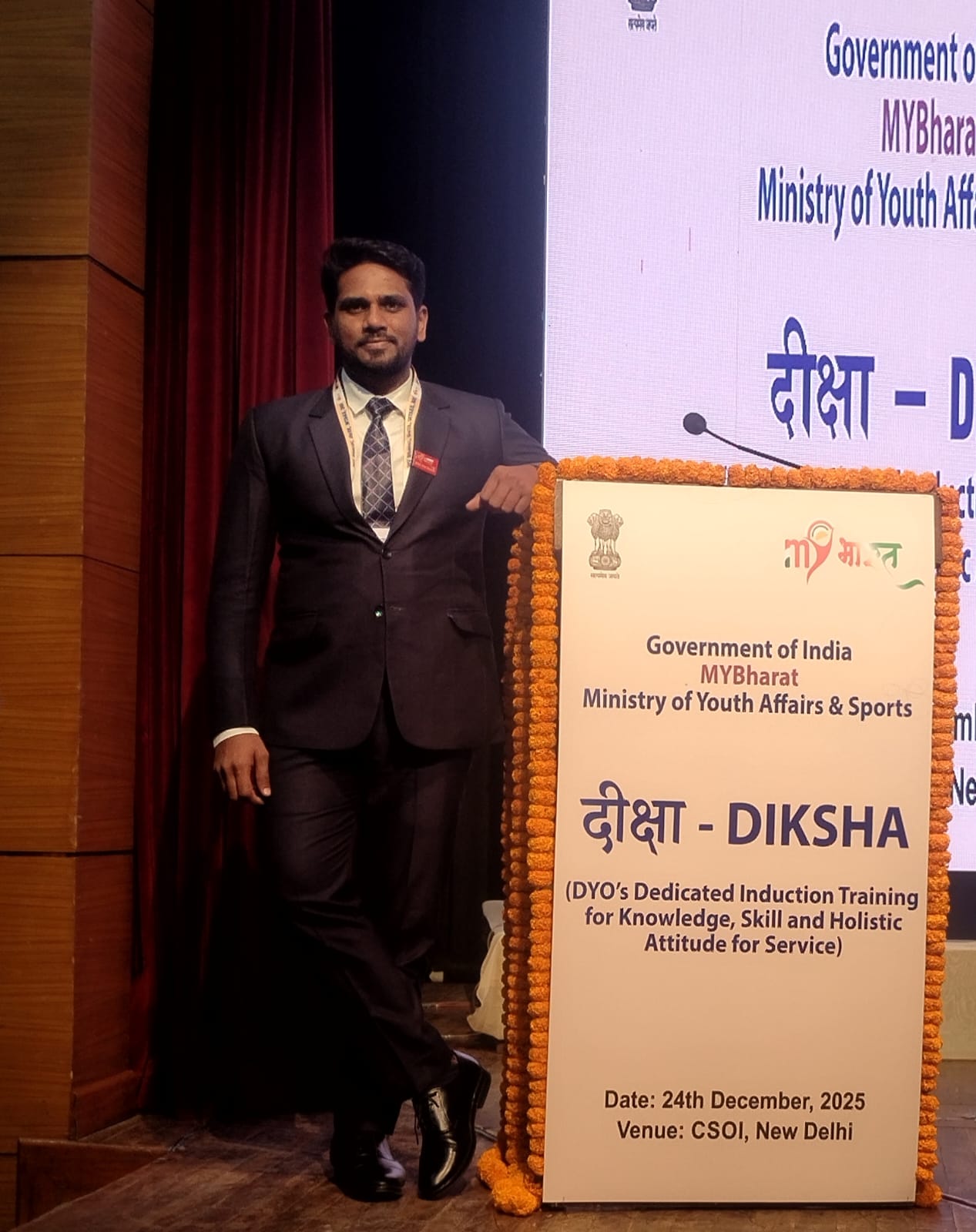
Simab Khan during a conference in New Delhi
When he began preparing for the UPSC, Simab did not have a peer group of fellow aspirants around him. He enrolled in a foundation course at Pursue IAS in Dadar and then began his serious preparation.
The journey was far from easy. “This exam is not just a test of your knowledge, it’s also of your character, mental strength, and faith,” he said.
Over six to eight years of preparation, Simab experienced repeated setbacks and moments of anxiety. On one occasion, he missed success by just 0.66 marks.
Seven years ago, during the early years of his struggle, he lost his father, the strongest pillar of support in his life. The loss made him consider giving up his UPSC preparation, but his self-belief helped him regain his resolve.
Simab continued to revise his strategy, which he considers essential for adapting to the demands of the examination. He cleared the preliminary examination on his third attempt and subsequently joined residential coaching at Mumbai’s Haj House, which he credits with significantly helping him prepare for the Mains.
For his fifth attempt, he moved to Delhi for a few months to prepare for the Mains and personal interview.
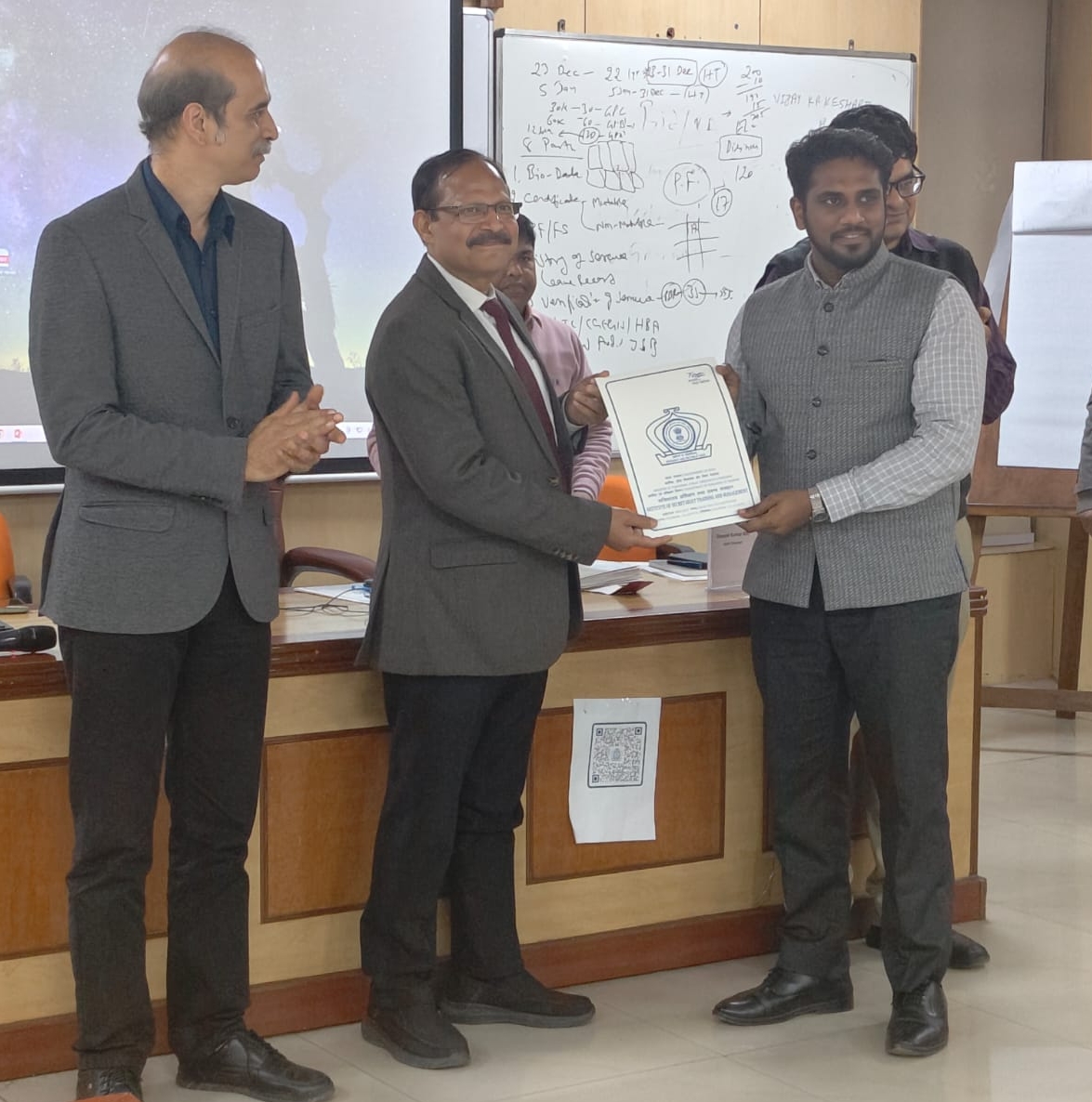
Simab Khan receiving an honour
While EdTech platforms have made UPSC preparation more accessible, Simab points out that resources such as test series can still be expensive. He was fortunate to receive access to free test series at the Haj House. He also acknowledges the contribution of organisations such as the Zakat Foundation in supporting promising students.
Simab is encouraged by the growing number of residential coaching institutes opening across the country and providing free education to students from disadvantaged backgrounds.
He urges Muslim youth to view competitive examinations not merely as a route to a government job, but as an opportunity to participate in the country’s decision-making process. When he qualified the UPSC civil services in 2023, after training her was appointed a District Youth Officer under the Ministry of Youth Affairs in 2025.
His family and neighbourhood back home, celebrated each moment of his success by distributing sweets.
Moving from Govandi to Assam’s Dhubri district was an entirely new experience for Simab. However, he sees it as one of the great rewards of public service, giving him an opportunity to understand India’s diversity at close quarters.
He says the youth of Dhubri are highly talented and believes the government’s ‘Mera Yuva Bharat’ (MY Bharat) initiative can provide them with a larger platform to realise their potential.
For young aspirants who are considering giving up their dreams because of a lack of resources, Simab has a message:“I know that the challenges standing before you might seem very big right now, and you might feel completely helpless. But do not lose courage, because the night is darkest just before the dawn. If you keep walking with resilience, success will definitely find its way to you.”
source: http://www.awazthevoice.in / Awaz, The Voice / Home> Stories / by Muhammad Uwais Siddiqui, Mumbai / August 30th, 2026
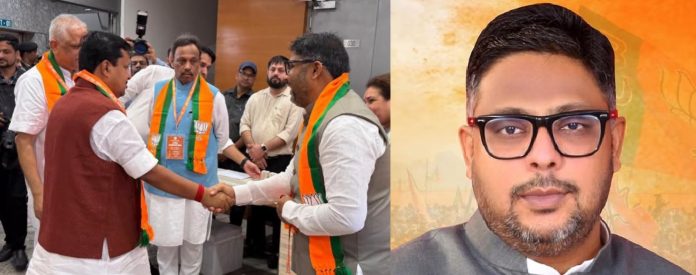
When Kunwar Basit Ali decided to join the Bharatiya Janata Party in 2011, he did not face resistance from political opponents alone. His own father beat him with shoes and a stick. Fifteen years later, Basit Ali stands as the National President of BJP’s Minority Morcha, the party’s most prominent Muslim face at the national level.
Basit Ali grew up in Kaastha Baddha, a small village in Meerut, Uttar Pradesh. His father, Hamid Ali, was the village head and an active member of the Bahujan Samaj Party. When a local newspaper reported that Basit had formally joined the BJP, his father read the news and flew into a rage. He beat his son with his shoes. That was only the beginning.
During the 2012 Uttar Pradesh assembly election campaign, Basit Ali was taking part in a road show with BJP leader Jai Pal Singh in the Kithore constituency. Both were standing on the same campaign vehicle when Hamid Ali spotted his son campaigning in the market. He pulled Basit off the vehicle and beat him with a stick in full public view.
Basit Ali fled the scene. Later that day, he returned home and told his father plainly that he would not leave the BJP under any circumstances. After that conversation, Hamid Ali never raised the matter again. He also quietly distanced himself from the BSP.
The hostility did not come from family alone. Muslim community members questioned his choice at every step. Relatives stayed silent. Neighbours watched with cold disapproval. Opposition parties labelled him and others like him a political shield. Yet Basit Ali continued to work at the grassroots level, going door to door, holding community gatherings, and connecting with ordinary people.
His organisational record is detailed. He started as a district co-media in-charge, then became the district president of the Minority Morcha in 2012. He also served as regional coordinator of the Muslim Rashtriya Manch. In 2014, he organised a special prayer programme in Meerut asking the Muslim community to support Narendra Modi’s prime ministerial campaign, which brought him wider attention. On the first day of BJP’s membership drive that same year, he enrolled more than 2,500 Muslims in Meerut alone.
The Uttar Pradesh government later appointed him as a member of the State Urdu Academy. He promoted yoga in madrasas and worked to extend government welfare schemes to underserved Muslim communities. He was subsequently appointed state president of UP’s BJP Minority Morcha.
BJP National President Nitin Naveen has now elevated Basit Ali to the post of National President of the BJP Minority Morcha.
source: http://www.radiancenews.com / Radiance News / Home> Latest News> Report / by Radiance News Bureau / August 27th, 2026
The All India Unani Tibbi Congress (AIUTC) Tamil Nadu has announced its reorganisation with the aim of making the organisation more active. Professor Mushtaq Ahmed expressed happiness while approving all the elected office-bearers of the AIUTC Tamil Nadu, and hoped that the current team would carry out its duties well, keeping in view the aims and objectives of the Tibbi Congress.
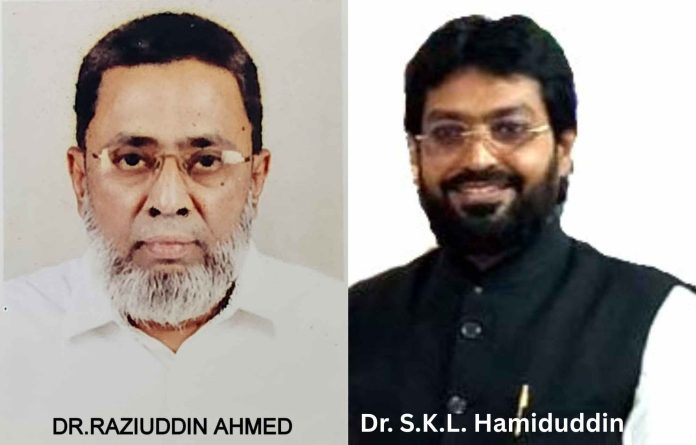
It may be noted that, apart from Dr. Raziuddin Ahmed as State President and Dr. S.K.L. Hamiduddin as General Secretary of the AIUTC Tamil Nadu, Dr. Rafiuddin was elected Vice President, Hakim Nasiruddin Ahmed as Provincial Convener, and Dr. Imtiaz Basha as Secretary.
source: http://www.radiancenews.com / Radiance News / Home> Latest News>Report / by Radiance News Bureau / August 27th, 2026
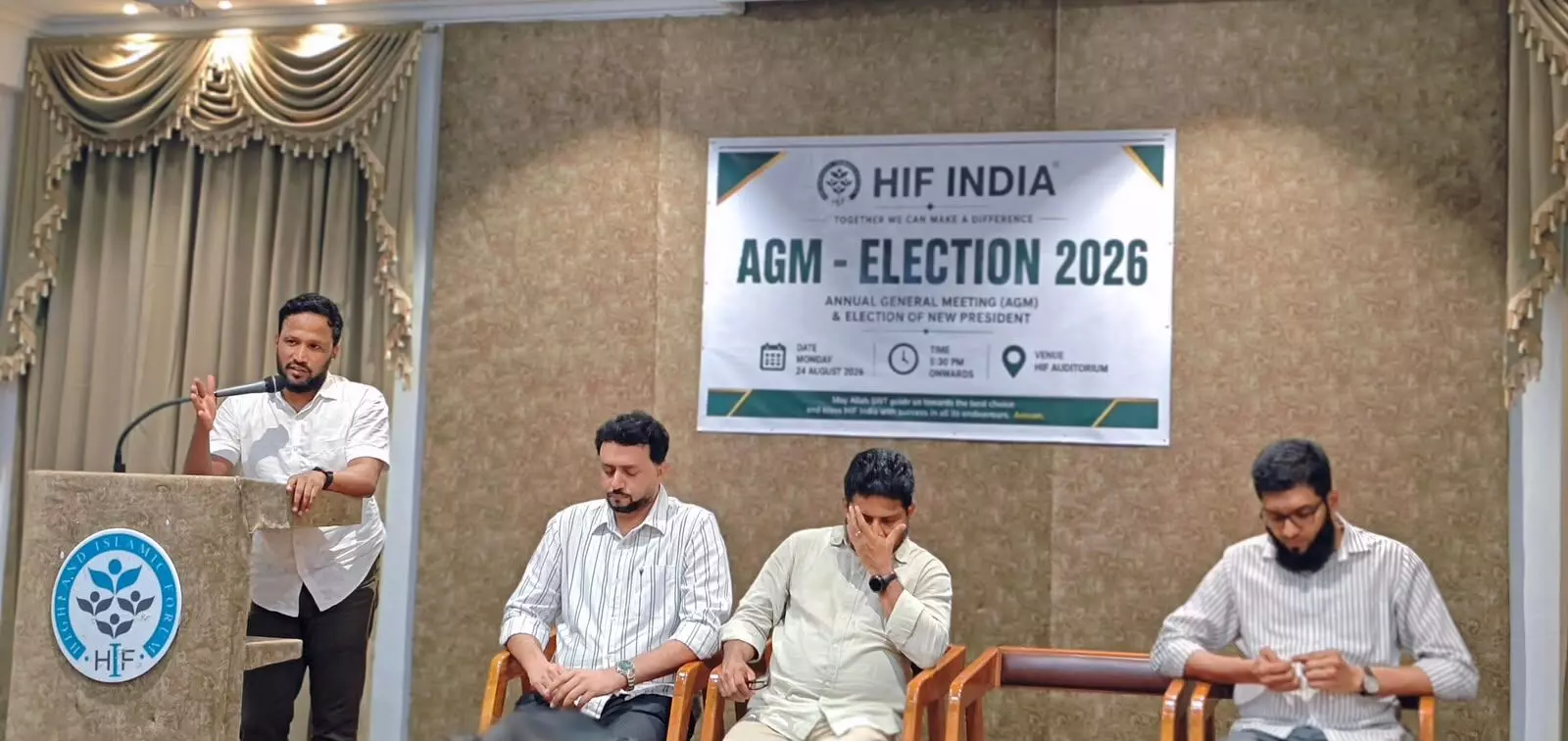
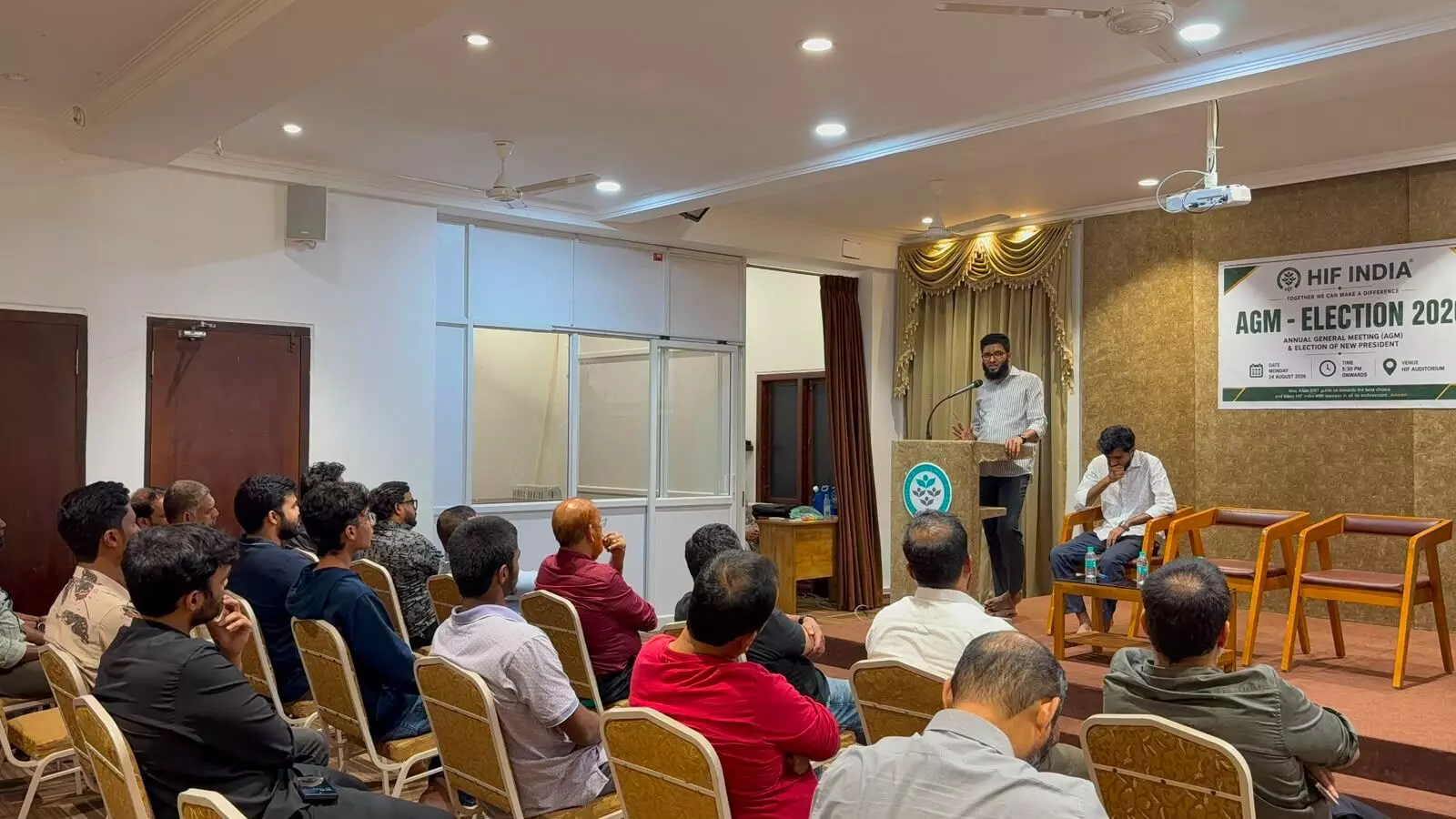
The Annual General Meeting (AGM) of the Highland Islamic Forum (HIF) was held at the organisation’s head office in Mangaluru, marking the completion of Adil Parvez’s three-year term as president and the election of a new leadership team.
Members actively participated in the AGM, with voting held as part of the leadership election process.
Janab Mohammed Kunhi attended the programme as the guest speaker. Br. Shuhaib, former president of the HIF Qatar Wing, was also present.
During the meeting, members appreciated Adil Parvez for his leadership and contributions to the organisation during his three-year tenure.
Following the voting, Rizwan Pandeshwar was elected as the new president of the Highland Islamic Forum, while Bilal Raif was selected as secretary.
Members expressed confidence in the new leadership and wished them a successful tenure.
The meeting also highlighted the importance of unity, cooperation and collective responsibility in strengthening the organisation and continuing its community-oriented activities.
The AGM concluded with members pledging their support to the new leadership and expressing their commitment to taking the Highland Islamic Forum forward with renewed energy and dedication.
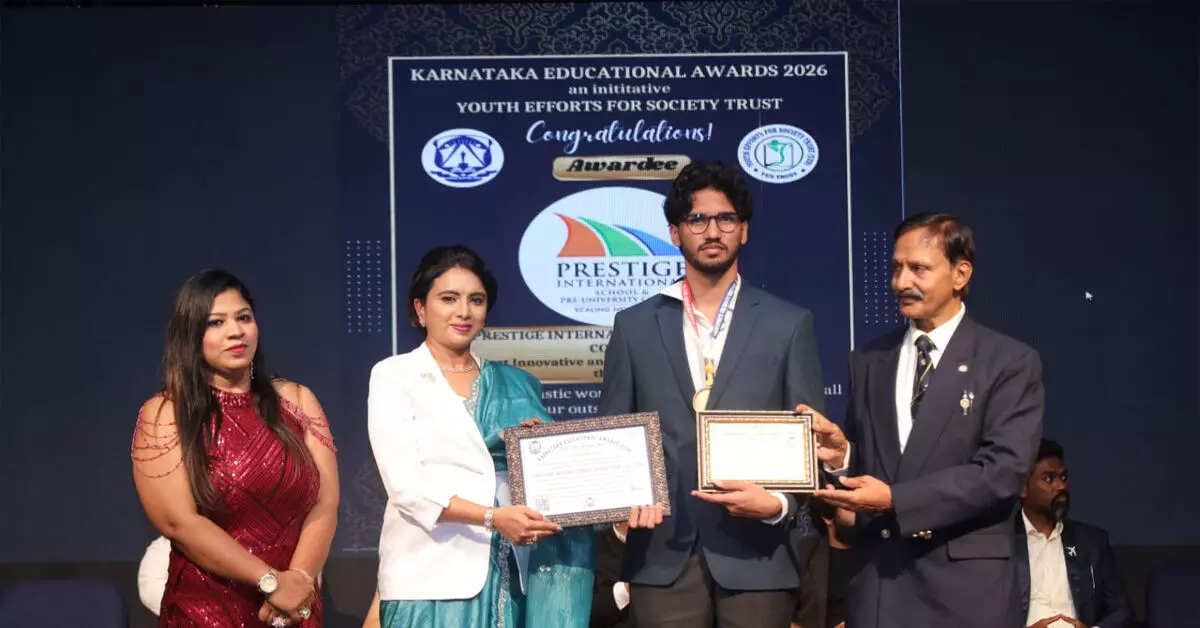
Prestige International School & Pre-University College, Mangaluru, has been honoured with the Best Innovative and Creative Institution of the Year award at the Karnataka Educational Awards 2026.
The award recognises the institution’s efforts in promoting innovation, creativity and excellence in education.
The institution described the recognition as a proud milestone in its journey of providing quality education and shaping the future of students.
source: http://www.english.varthabharati.in / Vartha Bharati / Home> Karavali / by Vartha Bharati / August 25th, 2026
Students of Sanskaar International School have, in all, secured three positions at the State-level debate and public speaking competition.
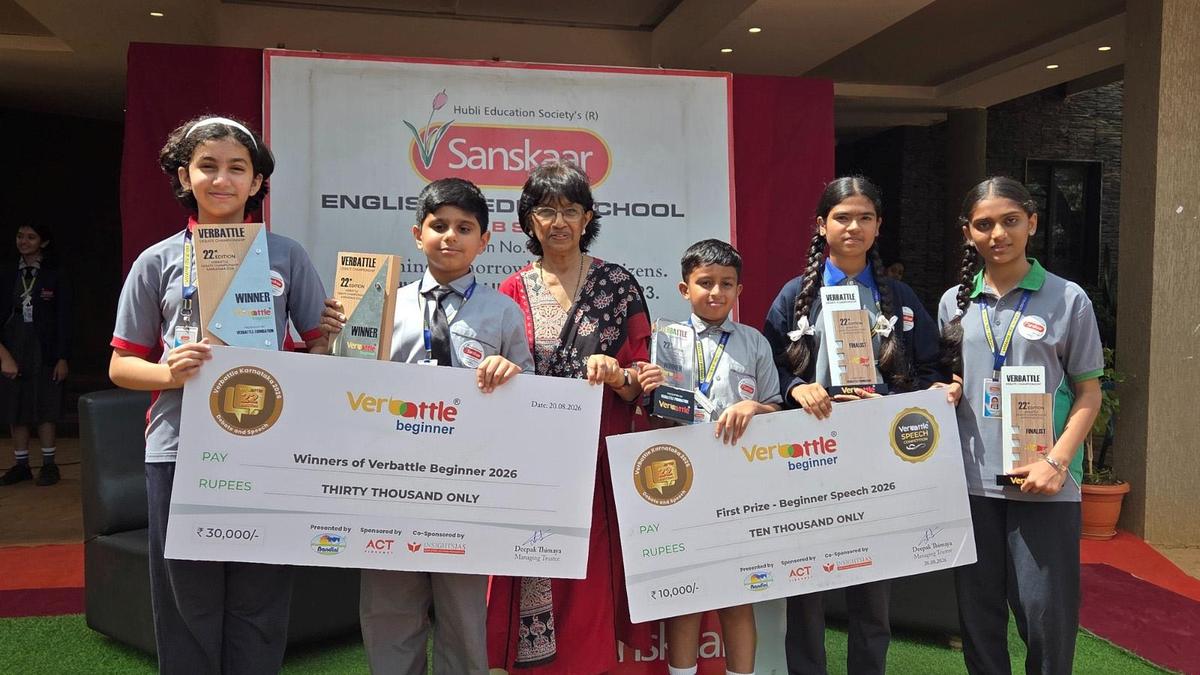
Students of Sanskaar International School, Hubballi, who have secured three titles at Verbattle Karnataka 2026, a State-level debate and public speaking competition for school students. | Photo Credit: SPECIAL ARRANGEMENT
Students of Sanskaar International School, Hubballi, have secured three titles at Verbattle Karnataka 2026, a State-level debate and public speaking competition for school students.
In an event which saw participation from across Karnataka, including Bengaluru, Mysuru, Mangaluru, two teams from Sanskaar secured the first position, while another team finished as second runner-up, a release from the school said.
The winners received trophies and cash prizes.
In the Beginner Debate category for Classes 3 to 6, Class 6 students Anay Abhijit Joshi and Rukhaiya Khuram Khatib won the first position.
In the Beginner Speech category, Class 4 student Nivaan Nagaraj Naik secured the first position and in the Kannada Junior Debate category for Classes 7 to 10, Class 9 students Sakshi Shashikant Grampurohit and Vinuta Vijanagouda Patil secured the second runner-up position.
In all, 33 students from Sanskaar were selected at the preliminary rounds in Hubballi and those who qualified progressed to the State-level competition in Bengaluru where they competed with students from across the State.
The winning students were welcomed by the school band and felicitated by founder-chairman of the school Mahendra Singhi and faculty members.
All the students who participated in the competition and those who advanced to the Bengaluru rounds were honoured.
“These achievements demonstrate the confidence of our students to express their ideas, defend their views with reason and, equally importantly, respect a different point of view. We are proud that our students have represented Hubballi and North Karnataka on such a competitive State-level platform,” Mr. Singhi said.
source: http://www.thehindu.com / The Hindu / Home> News> India> Karnataka / by The Hindu Bureau / August 25th, 2026
In an exclusive interview, Political Science and International Relations Graduate Affan Ansari discusses his journey from studying Science in India to pursuing Higher Education in Turkey and Europe, the realities of studying abroad, scholarships and financial planning, community engagement, and his ambition to build a career in peacebuilding, conflict resolution and international security.
Q.1. Affan, please introduce yourself. Tell us about your educational background and your journey so far.
Affan Ansari: My name is Affan Ansari. I come from a middle-class family in Mumbai and living my dream to study abroad. I am a graduate in Political Science & International Relations from Turkey, and Research fellow at the Social Sciences Lab MENA, which is situated in Estonia, Europe (SSL-MENA).
I completed my schooling at Anza High School, Byculla and then my Junior College education at Maharashtra College of Arts, Science and Commerce.
After Junior College, I took a different path. I moved to Turkey and completed my Bachelor’s degree in Political Science and International Relations from Istanbul Sabahattin Zaim University. During my undergraduate studies, I also got the opportunity to spend a semester at the University of Wrocław in Poland through the Erasmus exchange programme.
My journey was not simply about obtaining a foreign degree. For me, it was about stepping outside my city and comfort zone, meeting people from different cultures and understanding the world more closely.
Today, I have received Master’s offers from two highly ranked universities in the UK, a leading university in Poland, public universities in Germany, as well as two universities in Turkey.
Q.2. Students who take Science in India generally move towards Engineering or Medicine. Why did you choose Political Science and International Relations?
Affan: The irony is that I studied Science, but it was a virus that made me realise my real interest was in the world beyond Science.
For me, the journey from Science to Social Science was a struggle between social expectations and my own interests and ambitions. In India, when a student performs well in Science, there is naturally a push towards Engineering or Medicine. I too chose Science largely because of family and social expectations.
But the two years of the COVID lockdown became a turning point. I began to understand what globalisation really meant. A virus that emerged in China could affect almost every country in the world. I became fascinated by the role of the WHO, how different governments responded to the crisis, and how decisions taken in one part of the world could have consequences far beyond its borders. It changed the way I looked at the world, from a local perspective to a global one.
That was when I realised that my real interests lay in Political Science, International Relations, geopolitics, and understanding different societies and political systems around the world. So, moving from Science to Social Science was not really a change of direction. It was a realisation of the direction I actually wanted to take.
Q.3. Students generally target the USA, UK, Canada or Australia. Why did you choose Turkey?
Affan: Turkey was primarily a combination of affordability and opportunity for me.
My parents had wanted me to study in Turkey after Class 9 because of the scholarship opportunities available there. At that time, I was not ready to move abroad, so I completed my Junior College education in India.
Later, we came to know about the Turkish Government’s Türkiye Scholarships programme. I applied, but because of the intense competition, I was not selected for the government scholarship.
However, I did not give up. I independently applied to Turkish universities and received a 50 per cent scholarship from Istanbul Sabahattin Zaim University. For my family, this made the cost of my education financially manageable.
The university’s Erasmus students exchange and scholarship programme was another important factor. Through Erasmus, I got the opportunity to spend a semester in Europe and study in Poland.
My message to students is simple: do not choose a country simply because it is popular. Look at the university, tuition fees, living costs, scholarships, visa rules, course quality, post-study opportunities and, most importantly, your own career goals and family budget.
Q.4. Many parents believe that studying abroad is very expensive and only highly intelligent or wealthy students can afford it. What would you say?
Affan: Studying abroad is not only for the rich or exceptionally brilliant; with the right information, early planning and the right choice of country and university, it can be achievable for many students.
I think one of the biggest barriers is not always money, but a lack of information. Many families assume that studying abroad means going to the UK, USA, Canada or Australia, where costs can be very high. But there are also comparatively affordable options across Europe, including public universities in Germany and opportunities in countries such as Italy, France, Poland and Czech Republic.
Of course, costs, admission rules and scholarships vary by university and programme, so students should always verify information through official sources.
My most important advice is: do not wait until Class 11 or 12 to start thinking about studying abroad. Planning can begin much earlier, even at school level. If a student starts planning three or four years in advance, there is enough time to prepare for language requirements, entrance tests, scholarships and finances.
Q.5. If a middle-class family wants to send its child abroad, how should it plan?
Affan: If you want to study abroad tomorrow, start building your profile today, because your CV begins in school, not after graduation.
I look at it in three stages.
First, school: Build strong English skills and, if possible, learn a foreign language. Participate in Olympiads, sports, cultural activities and competitions, and keep a record of your achievements and certificates.
Second, Junior College: Maintain a strong academic record and start understanding requirements such as IELTS, TOEFL, SAT or programme-specific entrance tests. Also get involved in volunteering and community work. Universities look beyond marks.
Third, graduation: If you are planning a Master’s abroad, identify your target programmes early and prepare for requirements such as IELTS, TOEFL, GRE, GMAT or other relevant assessments. If Germany is your target, check the exact requirements of each programme, including whether an additional assessment is required.
Most importantly, do not think of your profile as marks alone. Internships, volunteering, research, competitions, leadership and meaningful extracurricular activities can all make a difference.
So my advice is simple: start early, explore your interests and build a profile that tells universities who you are, not just what your marks are.
Q.6. Are very high marks necessary for studying abroad?
Affan: Your marks may decide which doors open first, but they do not decide how far you can go.
High marks certainly provide an advantage, especially for competitive scholarships, but marks are not everything. Every university has a different admission system. Some focus heavily on academic grades, while others also consider entrance tests, motivation letters, work experience, extracurricular activities and the overall profile of the student.
So, if a student has average marks, they should not assume that studying abroad is out of reach.
Average marks do not mean average ambition.
The key is to understand your strengths, research universities carefully and apply to programmes where your overall profile gives you a realistic chance of admission.
Q.7. Which fields currently offer better scholarship and career opportunities abroad?
Affan: Don’t choose a career because the world says it has jobs; choose where your interest, ability and future opportunity meet.
The fields offering scholarships and career opportunities change with countries and economies, so I would not advise students to blindly follow one particular trend.
Technology-related fields such as AI, cybersecurity, data science and software, along with engineering and renewable energy, continue to offer opportunities. Healthcare is another major sector, not only for doctors but also for nurses, physiotherapists, laboratory professionals and other specialists.
However, students also need to consider licensing, qualification recognition and language requirements in their chosen country.
So instead of asking only, “Which field has the most jobs?”, students should ask three questions: What am I interested in? What am I good at? And what opportunities will this field offer in the future?
When interest, ability and opportunity come together, you are much more likely to build a career that lasts.
Q.8. What would you say about scholarships and education loans?
Affan: The biggest scholarship advantage is not just good marks, it is starting early and knowing where to look.
There are merit-based, need-based and government-funded scholarships. Some of the most generous opportunities I know include TürkiyeBurslari Scholarships, DAAD in Germany and Erasmus Mundus in Europe, along with Eiffel Scholarships in France, Stipendium Hungaricum in Hungary and Swedish Institute scholarships.
In Telangana, the Chief Minister’s Overseas Scholarship Scheme for Minorities also provides substantial financial assistance to eligible students.
My advice is to start researching scholarships early and look beyond marks. Academic performance, extracurricular activities, volunteering, leadership and your overall profile can all matter.
A full scholarship is ideal, but even a partial scholarship can make a big difference. In my case, a 50% university scholarship helped make my education in Turkey financially possible.
And if you consider an education loan, calculate the total cost and repayment burden carefully. Studying abroad should not put a family under unsustainable financial pressure.
Q.9. Can students work part-time abroad and manage their expenses?
Affan: Yes, you can work part-time abroad, but you should never go abroad depending on a part-time job to fund your education.
Many countries allow international students to work part-time, but the rules vary by country, visa and programme and can change over time. So students should always check the official rules applicable to their visa.
From my own experience, I would strongly recommend having a realistic financial plan for tuition and initial living expenses before going abroad. Part-time work should be additional support, not the primary source of funding.
At the same time, working part-time can provide financial independence, discipline and valuable international work experience.
So, work part-time to support your education, not to make your education possible.
Q.10. What has been the biggest challenge for you as a student abroad?
Affan: The hardest part of studying abroad was not being away from home, it was learning how to stand on my own when home was thousands of kilometres away.
Living abroad meant managing academics, finances, a new culture and everyday decisions on my own. There were moments of loneliness and stress, but the most difficult moment was the earthquake in Istanbul. I was afraid, I felt very alone, and suddenly lectures and exams moved online. Everything felt completely upside down.
But that experience also changed me. I gathered the courage to step outside myself and started volunteering with NGOs. It taught me that when life becomes difficult, you can either withdraw or find a way to contribute.
Later, studying in Turkey and spending a semester in Poland exposed me to students from different countries and completely different perspectives. I travelled across 10 EU countries, met young people from many cultures and learned to navigate the world independently.
Looking back, the biggest lesson was that studying abroad did not just educate me academically. It taught me how to be independent, resilient and comfortable even when I was far away from home.
Q.11. Affan, what is your dream? What do you want to do in the future?
Affan: I don’t just want a job at the United Nations. I want to be part of the global conversations that can prevent wars and build peace.
My dream is to become an International Civil Servant, specialising in Peacebuilding, Conflict Resolution and International Security, and eventually work with the United Nations.
We live in a world of wars, geopolitical tensions and changing alliances. At the same time, the Global South is demanding a stronger voice in global decision-making. As an Indian, I want to be part of that change.
There is a saying in politics and diplomacy: “If you are not at the table, you are on the menu.” I want to be at the table.
I want to use my education and career not simply for a prestigious position, but to contribute to peace, diplomacy and solutions for people affected by conflict and instability.
For me, an international career is not about having a title. It is about having a voice where decisions that shape our world are made.
Q.12. What is your final message to middle-class students and parents in Mumbai and India?
Affan: Foreign education does not begin at the airport. It begins with a dream, a plan and a decision your family can afford.
To parents, I would say: don’t push your children into a field simply because society considers it successful. Look at their ability, interests and future opportunities together.
And to students: don’t choose foreign education because of the glamorous life you see on Instagram. Going abroad is not a holiday. It is a responsibility.
If you genuinely want to study abroad, start early. Explore scholarships and affordable universities, prepare for language and entrance requirements, understand visa rules and, most importantly, make sure the decision is financially sustainable for your family.
An ordinary student from a middle-class family in Mumbai or anywhere in India can begin an extraordinary journey.
Dream big, but calculate carefully. Plan early, verify everything and never let your financial circumstances stop you from exploring your possibilities.
Because the first step towards foreign education is not the airport. It is planning.
Q.13. You are studying abroad yourself. What are you doing for your community in Mumbai?
Affan: For me, education is meaningful only when you can use what you learn to make someone else’s journey easier.
Since 2021, I have been associated with Kawish’s Community Education & Student Mentorship Programme and Madni High School. Whenever I return to Mumbai, I spend time mentoring students, helping them with English and academics, and guiding those who aspire to study abroad.
After completing my graduation, I also spent time in Mumbai working with my father and uncle during the Special Intensive Revision (SIR) of electoral rolls, helping with voter mapping and assisting people with their SIR forms. That experience gave me a very different kind of understanding of how democracy works at the grassroots level.
I have also volunteered with the IHH Humanitarian Foundation, including relief work following the 2023 earthquake in Turkey, and was involved in COVID-19 and leprosy relief activities in 2020.
I know how difficult it can be to find the right information and guidance. If I have gained knowledge through my own journey, I believe I have a responsibility to share it.
These experiences have taught me one simple lesson:
Education should not only change your own life. It should give you the ability and responsibility to contribute to your community and society.
[Falak Ather Faizee is an Intern at ummid.com.]
source: http://www.ummid.com / Ummid.com / Home> Education & Career / by Falak Ather Faizee / August 22nd, 2026
At 80, revisiting the Muslim lives, movements and sacrifices that shaped India’s struggle for freedom, and the politics of forgetting them.
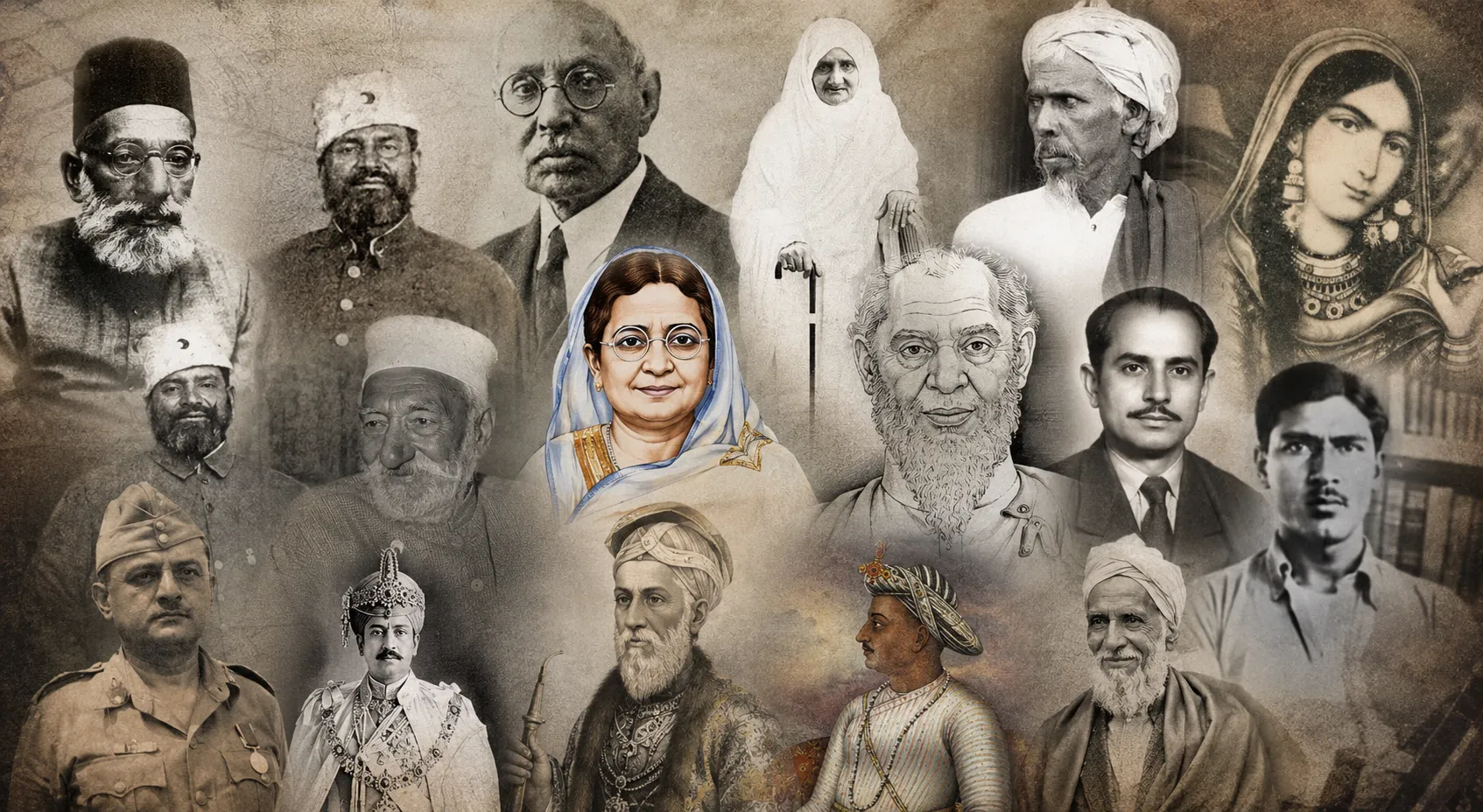
Stroll through the pages of India’s history, because academia has failed to acknowledge some names and contributions in the Indian freedom struggle. From the Taj Mahal, Red Fort, Qutub Minar, Humayun’s Tomb, Gol Gumbaz, Charminar, to Fatehpur Sikri and the bustling lanes of Chandni Chowk, they all speak volumes louder. But the cultural pattern of ‘selectively remembering’ and ‘selectively forgetting’ has downplayed nation’s history into one-dimensional narratives , while external sources of learning like cinemas, textbooks, public places re-branding, etc, are getting colored with contemporary political dynamics, to legitimize their plans and policies.
To fathom India’s past sincerely, we must be willing not only to learn but also to unlearn. Learning involves discovering forgotten contributions, while unlearning requires shedding inherited biases, political narratives, and simplified versions of history. Because, as eminent historians have speculated, the past is constantly reinterpreted in the light of new evidence and new questions. Consequently, the framing of our past will affect the present, which will further be read as a past in the future, thus entrusting us with sheer responsibility of weaving a lineage of conscience, not insidious storytelling.
The lost dots of the Indian freedom movements
Revisit in Indian history afresh because erasure never happens all at once, it happens slowly and systematically.
Independence Movements did not count from the very battles fought, but from the conditions laid down before and after to formulate and fixate Indian society and culture altogether. Resistance to the economization, politicisation, and, ultimately, colonization by the Britishers was confronted by the collective plurality which our country possessed with pride. Testifying that resistance was not always born on the battlefield, often it began with communities refusing to harbor animosity for one another.
Hindu sanyasis and Muslim fakirs whom the British Company wanted to fragmentalise, chose each other instead. Naga ascetics of the Dashnami order like Pandit Bhabani Charan Pathak stood beside Muslim fakirs of the Madari and Burhana sects, Majnu Shah Fakir, Chirag Ali, Musa Shah, and together resisted the oppressive taxation and economic exploitation the Company had imposed. It was one of the earliest organized rebellions against British rule in India, and yet how many of us have even heard these names?
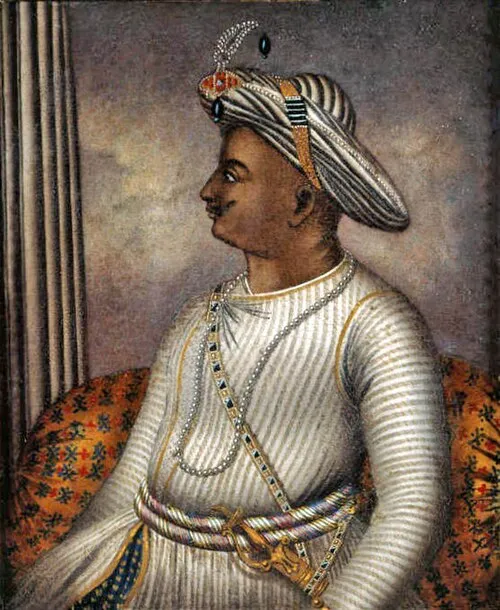
Tipu Sultan
That same defiance carried into Mysore, Tipu Sultan, a name antagonized in recent years that people even slipped away from the fact that he is the man who invented Missiles in India, a ruler who terrified the British. He built iron-cased rockets before most of the world imagined such a weapon, and fought the British across four wars, refusing again and again to let his kingdom bow. And what do we do with that legacy today?
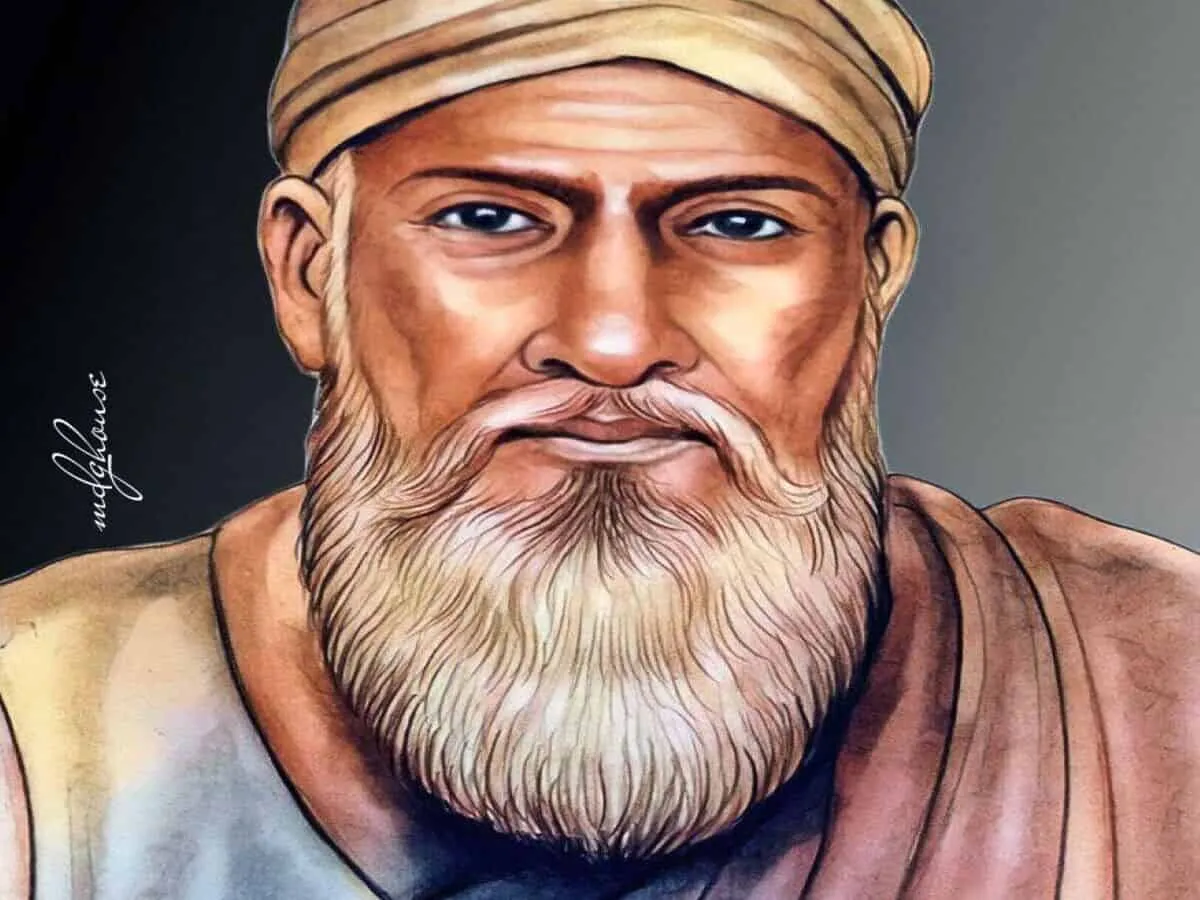
Islamic gallantry didn’t halt there. Moulvi Ahmadullah Shah, one of the key leaders of the First War of Indian Independence in 1857 was called the lighthouse of rebellion in Awadh, an epitome of the Ganga-Jamuna culture of Faizabad. The rebel army of Awadh was led by Barkat Ahmad and Maulvi Ahmadullah Shah, with Barkat Ahmad declared Chief Army Officer of the rebels after the Battle of Chinhat.
Moulvi Ahmadullah Shah
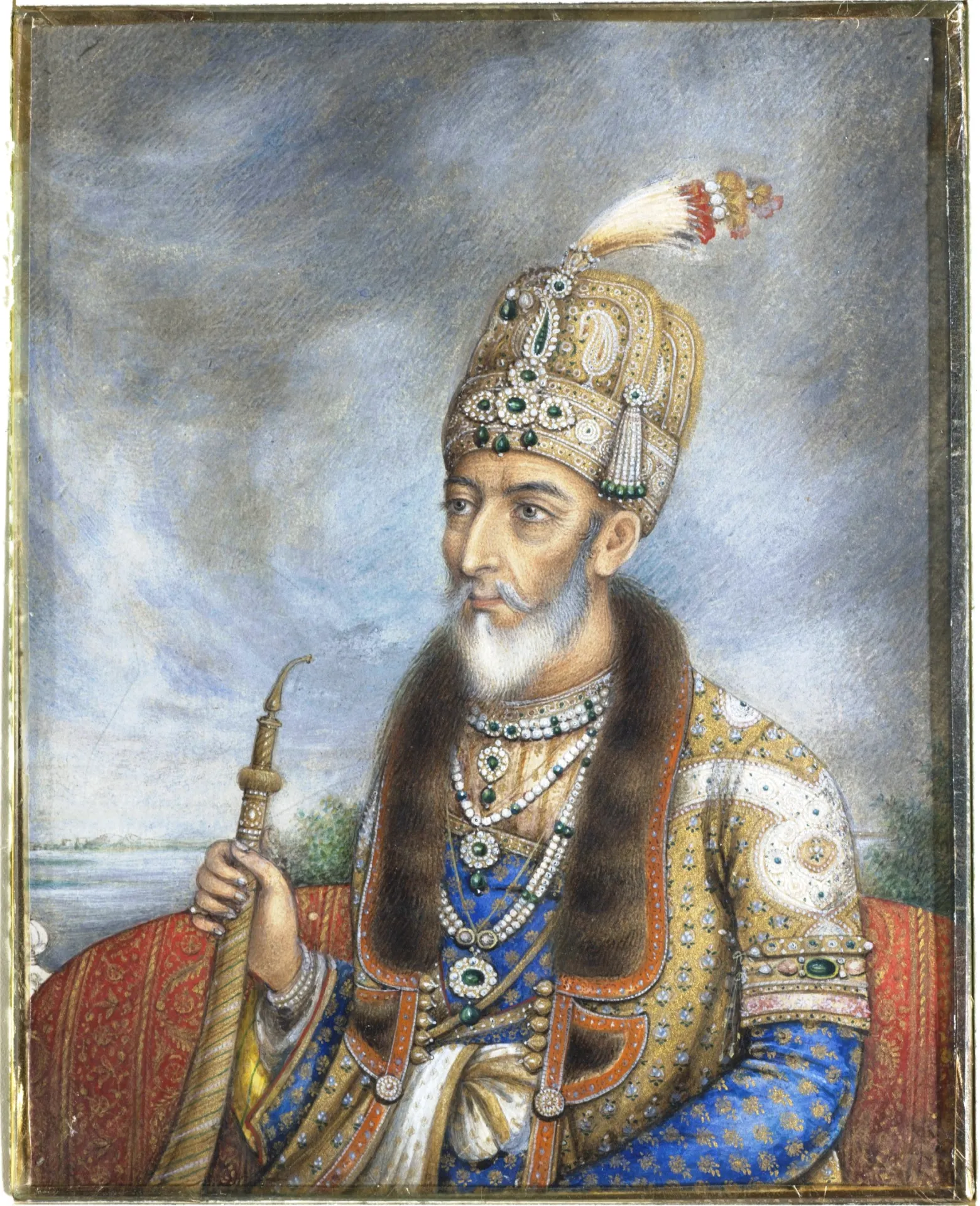
At the head of that same uprising stood Bahadur Shah Zafar, lending his name and his throne to the rebellion we call the Sepoy Mutiny. He gave everything a king could give, and the British broke him in the cruelest way. After his surrender, his sons Mirza Mughal and Mirza Khizr Sultan, and his grandson Mirza Abu Bakr, were stripped and shot in cold blood by Major William Hodson at what is now called Khooni Darwaza, and their severed heads were brought before their own father as a trophy. So many lives were lost in that struggle, so many families broken, and it is widely said that nearly 5 lakh Muslims were martyred, close to 50,000 of them ullema who chose the battlefield over silence. After rotating around 79 years of India’s independence, we are still cynical over the contributions carved by Indian Muslims.
Bahadur Shah Zafar
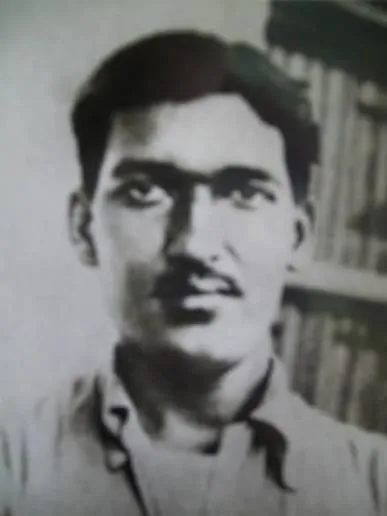
Another buried name is of, Ashfaquallah Khan, was hanged on 19th December 1927, at just 27 years old, along with other Kakori comrades who were sent to the gallows. This Kakori robbery was to pull back the wealth of Indian soil to channelize it for the national struggle. Khan revolutionized nationalist movement with his participation in Hindustan Republican Association (HRA), founded by Ram Prasad Bismil along with two others. Like Kakori robbery, many other raids were rolled out to confront with required force rather than abstracting the notion of peace towards the gruesome tortures. Have we ever lent an ear to these lines of Khan’s ‘Hasrat’ poem- “Kuch aarzoo naheen hai, hai aarzoo to yeh hai, Rakh de koi zara si Khaak-e-watan kafan men” who as his last whim, recited this poem soaked in patriotism. Are we made to remember these lines by a Muslim freedom fighter when we are reminded about the terrified misapplication of the divine slogan “Allah-u-Akbar” to polarize the Islam?
Ashfaqullah Khan
Walking further, Abdul Habeeb Yusuf Marfani, gave away his entire estate for a freedom he’d never see honoured. His courage was never separate from the cause, it was central to it, and it’s long overdue we remember it that way.
Abdul Habeeb Yusuf Marfani
Muslim participation in India’s freedom struggle was not boxed in a specific time or way, it encompassed armed resistance, societal reforms, mass mobilization, revolutionary events, and non-violent protests. The hurls on the invasions done by Muslims are widely made, but onlookers of the contributions by very same people, are tactfully airbrushed.
Sacrifices for the Indian motherland were proven on silent or loud battlefields, not by the mere recital of ‘Patriotic Songs’ such as Vande Mataram as a contemporary reference. That is turned down by Indian Muslims lyrically, not soulfully, because of the religiosity which the Indian Constitution guarantees them. When did the recital of patriotic songs begin to outweigh the very acts of sacrifice they were meant to spring up?
Freedom fighters such as Maulvi Ahmadullah Shah, Begum Hazrat Mahal, Fazl-e-Haq Khairabadi (clarified the Jihad term through his war against the British), and Azimullah Khan were also important in the 1857 uprising. Barely, we learn or are made to learn about them? While vilifying other names of this very same community.
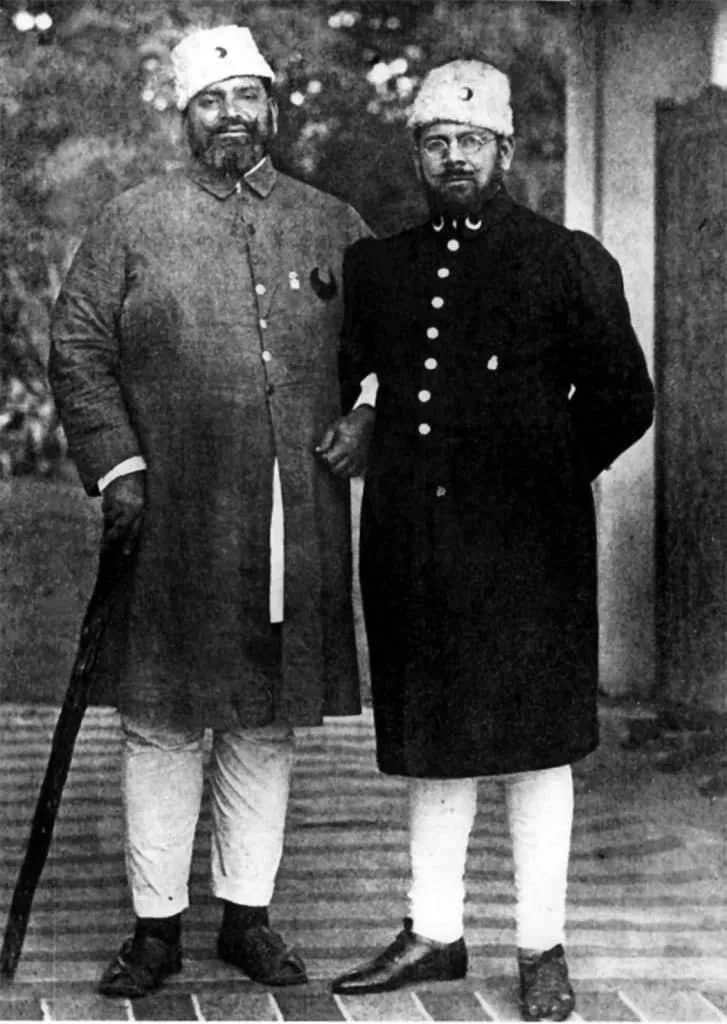
The Ali brothers, Shaukat Ali (1873-1938) and Mohamed Ali Jauhar (1878-1931)
Even the popular moments like the non-cooperation movement and the Khilafat Movement were helmed by some unheeded names: Mohammad Ali Jauhar and Shaukat Ali. Erected on the former’s name, there stands a university in Rampur, U.P. which recently has fallen prey to the communal politics, staking Indian youth’s future at darker stage, thus disregarding the blood of these freedom fighters.
Khan Abdul Ghaffar Khan
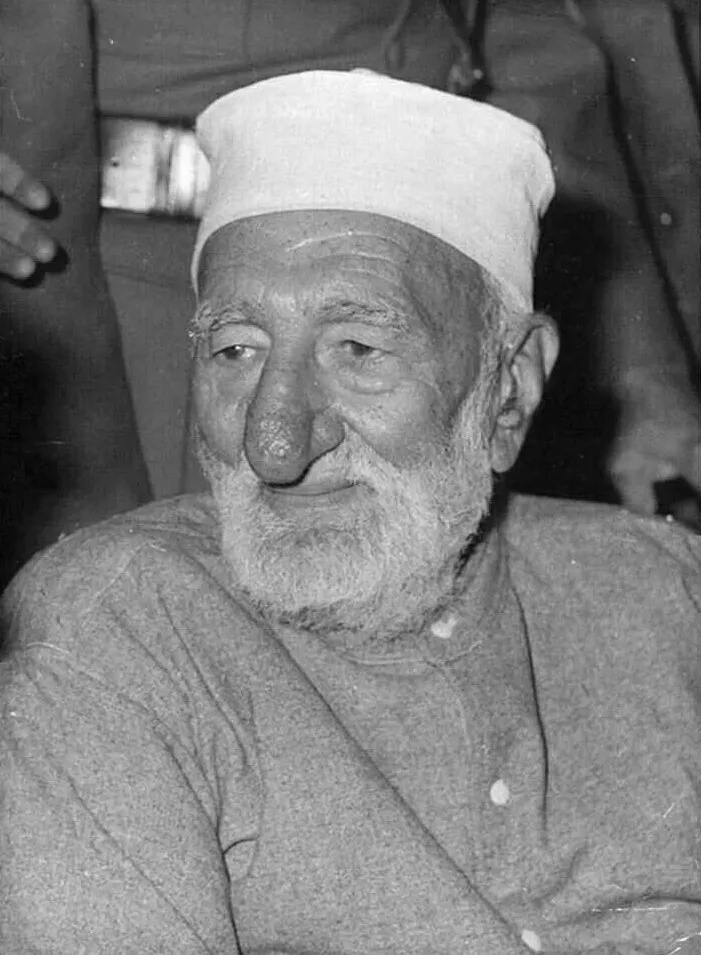
Khan Abdul Ghaffar Khan who spent three decades in prison and headed the non-violent Khudai Khidmatgar Movement among Pashtuns against British rule, wherein he combined social reform, service, and discipline. His demise took place during his house arrest in Peshawar.
Abid Hasan Safrani
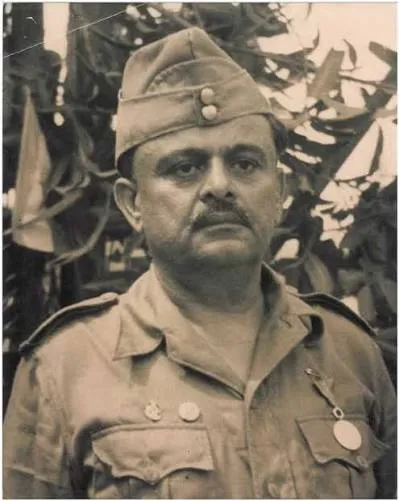
Without a single community-led leader, ideologies often find a loose hand to wrestle for their individual existence rather than collective results. Abid Hasan Safrani, prominent INA member, mobilized the Muslim youth and committed to Subhas Chandra Bose’s movement (Azad Hind Fauj), which underpinned armed resistance in the Indian Freedom Struggle rather than non-violent means, brewing the unity for winning back the motherland.
Having said that, the famous Ghadar Party, founded in 1913, was pioneered by one more buried name- Maulana Barkatullah Bhopali. He was the first Prime Minister of the Provisional Government of India (Government-in-Exile), which was established in Kabul in 1915. He traversed across Europe, Asia, and North America to usher in the momentum for the Indian freedom struggle. His death took place in the US, leaving him deprived of bidding adieu to his motherland one last time.
Maulana Barkatullah Bhopali
Then, “Inquilab Zindabad”, the popular hymn echoed at Jantar Mantar very recently, was originally coined by Urdu poet-politician Hasrat Mohani at the Congress’ Ahmedabad session, while Bhagat Singh solely made it popularized. Mohani had been a soulful Krishna Bhakt, leaving him writing eulogies for ‘Hazrat Krishna’ (Hazrat is not a religious tag; it is an honorary title). He, being the co-prisoner of Gandhi ji, presented him with the USSR idea of federalism for empowering the localized and regional pockets of the agglomerate India. His courage and values proved his patriotism in the debates of the Constituent Assembly and confrontations with the Britishers.
Hasrat Mohani
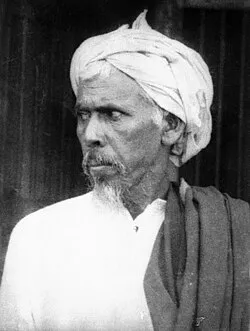
We remember Mahatma Gandhi more than any other freedom fighter, but are we mindful of the fact that the man who saved him was Batak Mian Ansari during the Champaran Satyagraha in 1917? He was the cook deployed by the Britishers, who then ordered Batak Mian Ansari to serve venomous milk to Gandhi ji. His integrity made him stake his life to save Gandhi ji. He sneakily warned Gandhi ji, and, as anticipated, he was kicked out of his job by the Britishers, further leaving him battered by the villagers and ousting him and his family from his residence. To date, his family couldn’t receive what was promised for his courage by India’s first president, Rajendra Prasad. Questioning how much we have honoured the honorable personalities on the ground?
Batak Mian Ansari
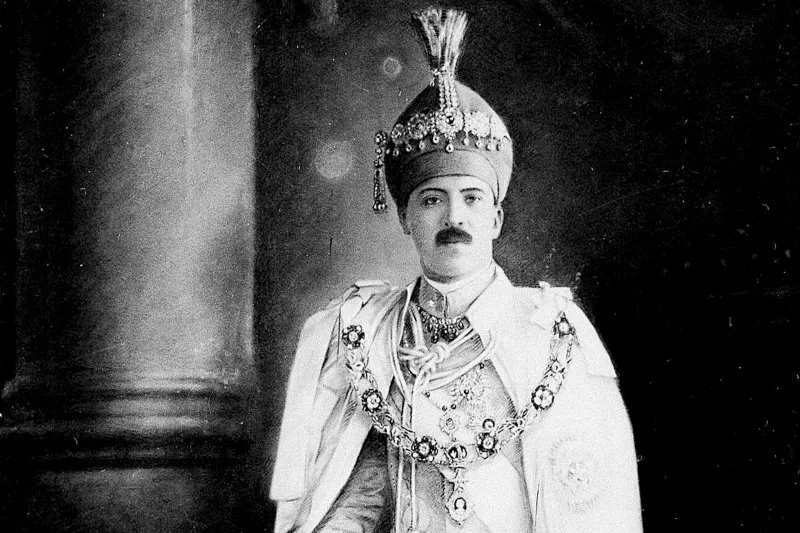
The last Nizam of Hyderabad, Mir Osman Ali Khan, is also in this queue of the buried names. Independence movement is not merely the swing between direct confrontation with colonial regime, it too laps over the pre and post period that either nudged the movements or repaired the damages caused to India. He has reportedly granted mammoth donations across educational and religious institutions. From BHU, AMU, IISc, publication of critical editions of Mahabharata, Golden Temple, Amritsar and many more places . We rewind through cruel rulers who demolished Indian structures, to attack their community and make them accountable in the present, but are we awakened with these submerged realities as well? One-sided history or evolving history, rationality comes with the choices citizens make to discern their roots.
Mir Osman Ali Khan
The history of Muslim resistance to British colonial rule also travelled deep into Malabar in Kerala, where Variyankunnath Kunjahammad Haji, Ali Musliyar , and Sayyid Fazal Pookoya Thangal emerged as formidable names in a long tradition of anti-colonial mobilisation. Fazal Pookoya Thangal, the 19th-century Mappila spiritual leader of Malabar, became an influential voice against British authority and the oppressive agrarian order sustained under colonial rule, eventually being forced into exile in 1852. Decades later, that inheritance of resistance found powerful expression in the 1921 Malabar uprising, with Ali Musliyar, a religious scholar and Khilafat leader, and Variyankunnath Kunjahammad Haji becoming among its most prominent leaders. Haji challenged British authority in parts of Malabar and established a parallel administration in areas under rebel control, while Ali Musliyar mobilised people against colonial rule before being captured and executed by the British. Haji, too, was eventually captured and executed by firing squad in January 1922.
Ali Musliyar
Culture can marginalise women, but religion pours courage
“Khoob Ladi Mardani thi, Wo Jhansi Wali Rani thi”, Whenever we speak of women who took up arms for this land, Rani Lakshmibai of Jhansi is the name that comes to every tongue, and she deserves every bit of that memory. But here’s what gnaws: she was not alone. There were other women just as fearless, standing in the same fire, and history simply didn’t bother to write their names down.
Begum Hazrat Mahal
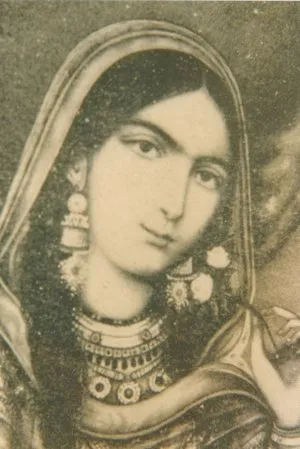
Begum Hazrat Mahal was one of them, and she wasn’t a side character, she was one of the rebellion’s most formidable forces. Even William Howard Russell, a British correspondent writing for his own side, couldn’t deny her fire. In his My Indian Mutiny Dairy, describing her as a woman of remarkable energy who had stirred all of Oudh into rising for her son’s cause and had herself declared undying war against the British. At Musa Bagh in Lucknow, she didn’t issue orders from a distance, she personally fought alongside and rallied nearly 9,000 rebel soldiers, moving from camp to camp, lifting morale with speeches that set entire camps on fire.
Abadi Bano Begum
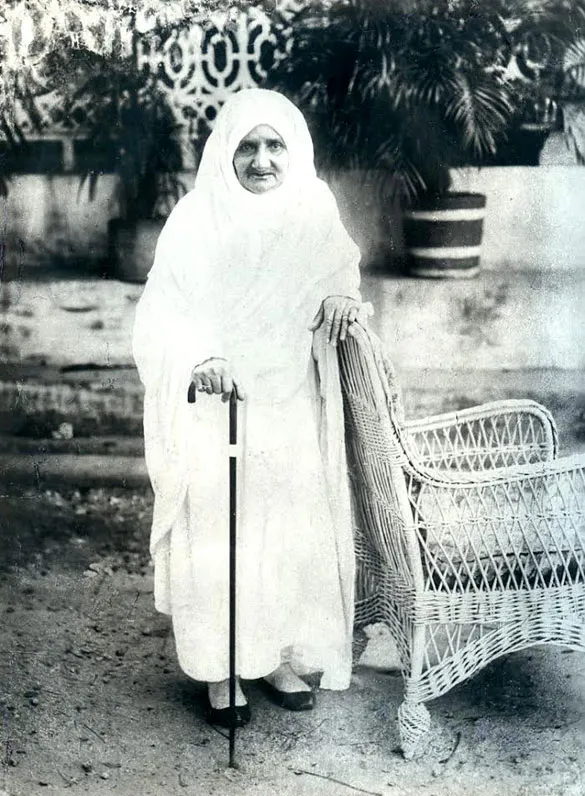
And then there’s Abadi Bano Begum- the woman history remembers, if at all, only as “Bi Amma.” A widow with six children, one of the sons Maulana Shaukat Ali, and the other Mohammad Ali Jauhar, above-mentioned together known as the Ali Brothers. She could have used every excuse the world hands a woman to stay silent. widowhood, motherhood, the weight of raising children alone. She used none of them. When the country needed people brave enough to stand up to the British, she stood up too. She became the first woman to address a political rally while wearing a burqa and let that sink in for a moment. She didn’t have to remove a part of her identity to be taken seriously in public life; she broke the idea that a veiled woman couldn’t also be a fighter, a leader, or a voice loud enough to move a crowd. She urged women to stop hiding at home and join the struggle, organizing funds and meetings where they were addressed as political beings for the first time, and taught why boycotting foreign goods mattered. She convinced them to donate to the Tilak Swaraj Fund, set up by Bal Gangadhar Tilak to finance India’s freedom struggle.
Kulsum Sayani
Not every battle was fought with a sword, some were fought with pen and paper. Kulsum Sayani, awarded the Padma Shri in 1960, waged her own war against illiteracy through the Jan Jagran movement, teaching under “each one, teach one” and leading centres for Muslim women that grew from 50 to 600 by sheer will. Begum Rokeya, a fiercely prolific feminist writer at a time when a woman dreaming was seen as rebellion, imagined a world turned upside down in Sultana’s Dream, then built that vision into reality, founding a girls’ school in 1909 and the Muslim Women’s Association in 1916, giving women space to learn and speak.
Begum Rokeya
80th Indian Independence Day’s call to unwind the narratives
As the author of ‘Sare Jahan Sai Achcha, Hindustan Humara’– Allama Iqbal penned- “The freedom lovers of the nation stepped forward with such dignity that even those long imprisoned by deprivation watched in admiration.” It has been shouldered on the present generations to soak in the evolving history to sanitize the present from groans of hatred, rotting the Indian society.
These lost chapters from Indian history wouldn’t have been possible to muster without the effulgent works of Salim Khan, Romila Thapar, Ramachandra Guha, S. Irfan Habib, Mushirul Hasan, A. G. Noorani, Rana Safvi, etc. Grinning us with the fact that the pluralistic framework of India is not only designed by the constituent makers, but it is also originally earned by all the freedom fighters, from pre- to post-independence.
Adeena Navaid is a law student and writer covering legal, social, and feminist issues, with work published in Maktoob, Bar & Bench, The Quint, Siasat, SheThePeople, and other platforms. Aiman Tabassum is a final-year LL.B. student at the University of Mumbai who writes on constitutional law, legal history, and socio-political issues, with work published in Bar & Bench.
source: http://www.maktoobmedia.com / Maktoob Media / Home> Opinion / by Adeena Navaid & Aiman Tabassum / August 14th, 2026
The Faculty of Medicine, Aligarh Muslim University (AMU), condoled the demise of Dr. Syed Wajid Ali Naqvi, former faculty member of the Department of Biochemistry, Jawaharlal Nehru Medical College (JNMC), who passed away Sunday last.
Expressing a deep sense of grief at a condolence meeting of the staff and students of the Faculty of Medicine, the Dean, Prof. Mohammad Khalid conveyed heartfelt sympathies to the bereaved family. Faculty members and students also prayed for eternal peace for the departed soul and strength and patience to the bereaved family to bear the irreparable loss.
A proud Aligarian, Dr. Naqvi had a close association with AMU spanning several decades. He joined the University as an undergraduate student in 1954 and obtained his B.Sc. in Biochemistry and Ph.D. in Biochemistry from AMU. He joined JNMC as a faculty member in 1965 and served until his retirement in 1996.
During his long association with the University, Dr. Naqvi held several academic and administrative responsibilities, including membership of the Academic Council, and served as Warden of Sir Syed Hall and Habib Hall, Acting Provost, Member of the Sports Council and President of the Gymnasium Club.
After his retirement from JNMC, he continued his academic association with medical education, serving on the faculty of ERA’s Lucknow Medical College & Hospital and Al Fateh Medical University, Tripoli, Libya.
The faculty members recalled Dr. Naqvi as a link between generations of Aligarians, having himself been an Aligarian and later becoming the father of four Aligarians. His long association with the University, both as a student and teacher, and his contributions to academic and residential life will be remembered with respect and affection.
source: http://www.amu.ac.in / Aligarh Muslim University / Home / by Public Relations Office / August 11th, 2026