ACP Rehana Sheikh, who received nearly 150 awards and served across Maharashtra, says she will continue to serve the nation even after retirement
Mumbai/Sangli , MAHARASHTRA :
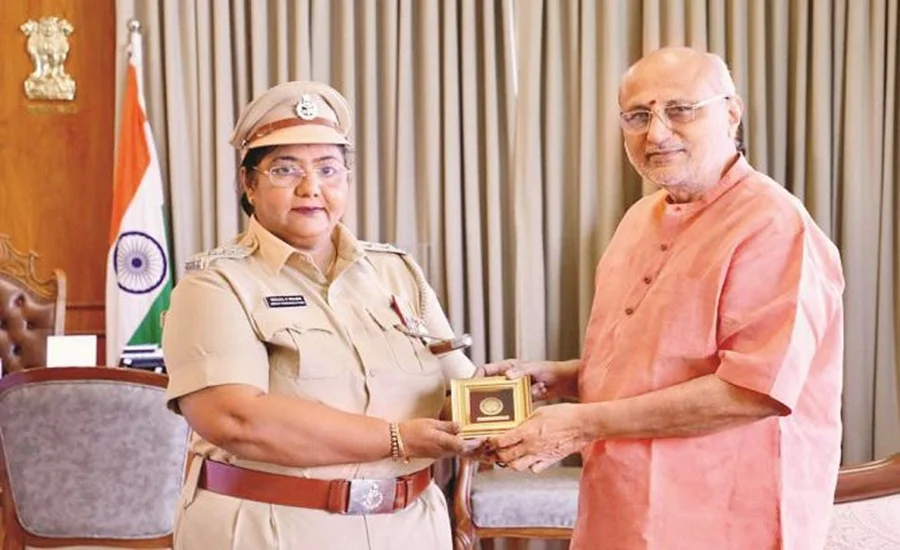
Rehana Sheikh, Maharashtra’s first Muslim woman police officer, has retired after nearly 36 years of dedicated service. She started her journey as a sub-inspector and retired on 31 May from the post of Assistant Commissioner of Police (ACP). At the time of retirement, she was working in the VIP security at Raj Bhavan in South Mumbai.
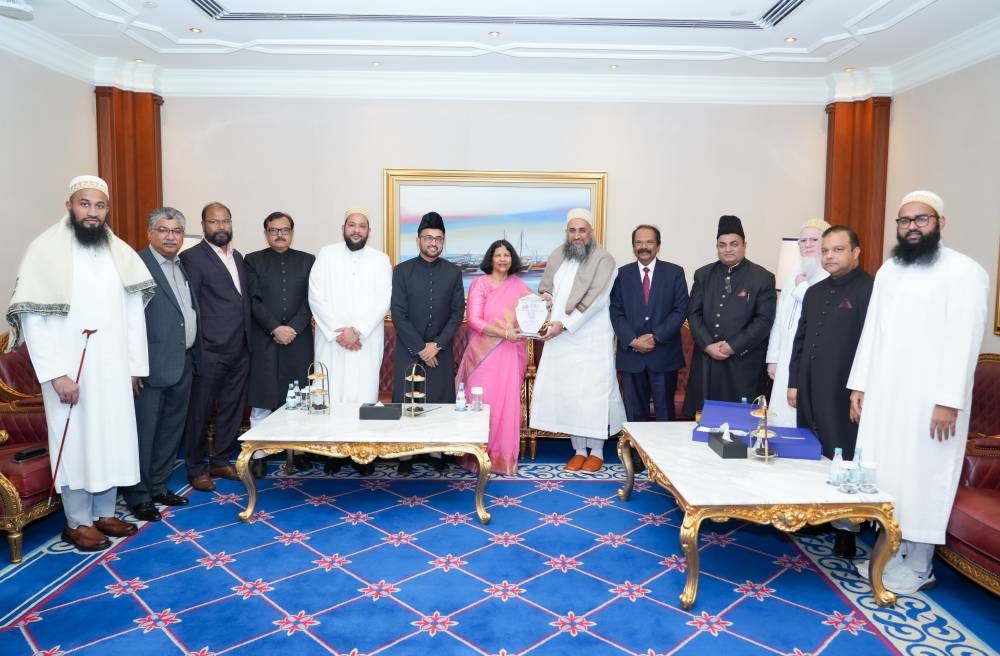
Governor of Maharashtra CP Radhakrishnan honoured ACP Rehana Sheikh on her retirement. She was recognised not just for her long career but also for her contribution to law enforcement and her trailblazing role as the first Muslim woman in the Maharashtra police force.
Speaking to Clarion India, Rehana Sheikh said, “I was the first Muslim woman to become a police officer in Sangli and Maharashtra. When I applied, 25,000 women took the police recruitment exam. Only 25 were selected and I was the only Muslim woman among them.”
Sheikh, who hails from Sangli, said her father served in the military, but no one in her family had worked in the police before. Her dream began when she was a national-level volleyball player. Watching the TV serial Udhan, which showed a woman police officer, inspired her to serve the country.
“A kabaddi player from our neighbourhood had become a sub-inspector. I had job offers from banks, but my volleyball coach asked me, ‘Do you want to be a clerk or an officer?’ That question changed my life,” she recalled.
Despite social challenges and the fact that a police job was not seen favourably at the time, her family stood by her. Rehana’s journey in the force was marked by both professional achievements and personal hardships.
“Shortly after I joined the force, my father passed away. I had to take care of my mother, younger sister and brothers. Then I got married in 1991, but my husband died in an accident in 1993. My son was very young at that time,” she said.
After her husband’s death, she was transferred to Solapur and later promoted and posted in Kolhapur. She remarried in 2004 and continued her service with dedication in various cities and districts of Maharashtra.
Rehana Sheikh worked during some of the most dangerous times in Mumbai’s history. “When I began my career, the underworld was very strong. Crimes were violent — beatings, murders. Now, the nature of crime has changed. We see more cybercrime and online fraud,” she explained.
She played an active role in many high-profile operations. “I was part of the police team during the Lokhandwala shootout. I was also involved in the search at Arun Gawli’s Dagdi Chawl, where we seized weapons. Those were difficult times, and I believe the new generation will find such work challenging.”
She also spoke about being among the first batch of women allowed to work at police stations. “Earlier, women officers were only posted at airports or less active places. We were the first to be allowed to work in police stations.”
Balancing home and duty has never been easy. “My husband and my colleagues supported me. I had the responsibility of my family and later my in-laws, too. But I managed both because of their support and Allah’s grace,” she said.
During her long career, Rehana Sheikh was honoured with nearly 150 awards. But for her, the real success lies in the lives she touched and the message she now wants to spread.
“My message to women is: be educated and join the police force. Serve the society, the nation and the country. Even after retirement, I want to continue working for the betterment of people,” she said with pride.
ACP Rehana Sheikh’s journey from Sangli to the top ranks of Mumbai’s police force is not only inspiring but also a symbol of determination, courage, and service.
source: http://www.clarionindia.net / Clarion India / Home> India> Indian Muslim / by Team Clarion / June 03rd, 2025
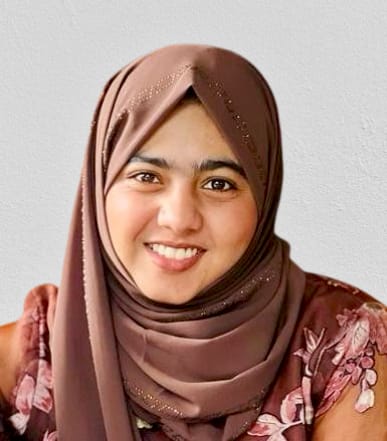
“This Too Shall Pass,” a debut poetry collection by Muskan Sufi, a young Kodagu student studying in Mysuru, has earned international recognition after being nominated for the prestigious Indie Authors Award 2025, held in memory of American poet Emily Dickinson. The book is now available for purchase online on Amazon.
Muskan Sufi, a student of English Literature and Psychology at St. Philomena’s College, Mysuru, hails from Virajpet in Kodagu and belongs to the Kodava Muslim community. Her literary achievement has drawn attention not only for its quality but also for the quiet determination that brought her recognition at a young age.
Published by the internationally acclaimed Bookleaf Publication, This Too Shall Pass was born out of Muskan’s participation in the publisher’s “21 Poems in 21 Days” challenge. She surpassed expectations by writing more than 28 poems, which resulted in a 50-page collection of emotionally rich, thought-provoking verse.
Her poems explore themes of pain, healing, nature, death, and the complexities of human emotion. With modern and socially conscious subjects, Muskan’s writing brings to life the inner turbulence of individuals and the beauty of life’s fleeting moments. She uses simple yet powerful language, aiming to connect souls and provide hope to those facing life’s darkest times.
Thousands of poets participate in Bookleaf’s global poetry initiatives, and the top entries are selected for book publication and nomination to the Indie Authors Award. Muskan’s nomination has created a ripple in the English literary community, marking a proud moment for the Kodava Muslim community.
Expressing her joy, Muskan said, “I joined the challenge after coming across the campaign on social media. I’ve always loved writing English poetry, but I never imagined my poems would be published or nominated for such a prestigious award. It’s given me great motivation to pursue more literary work.”
Muskan is the daughter of Duddiyanda H. Sufi and Masuda Sufi, who head the DHS Group of Companies in Virajpet. Her father also serves as the president of the Kodava Muslim Association (KMA).
Muskan’s poetry book, This Too Shall Pass, is now available for purchase on Amazon.
source: http://www.hindustangazette.com / The Hindustan Gazette / Home> News> Latest News / by The Hindustan Gazette / pix:kannada.hindustangazette.com / July 21st, 2025
18 Muslim Women Made It To Lok Sabha Since Independence; 13 Of Them Dynasts: Book
New Delhi :
That women were always under-represented in the Lok Sabha is a known fact, but Muslim women members have been a greater rarity with only 18 making it to the Lower House since independence, according to a new book.
And while dynastic politics may not be conducive for democracy to deepen its roots, it has played a positive part in giving chances to Muslim women, with 13 out of the 18 being from political families.
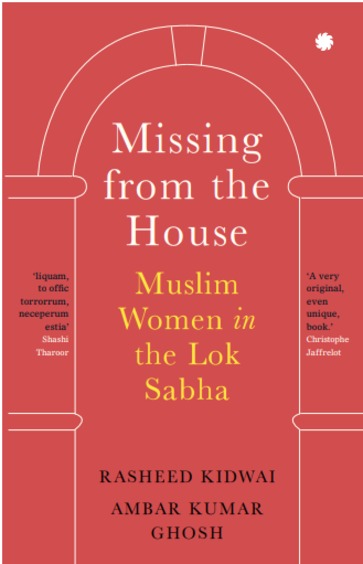
pix: sapnaonline.com
From royalty to a tea vendor-turned-politician’s wife and from a first lady to a Bengali actress, the 18 Muslim women who treaded the hallowed corridors of power in the Lok Sabha are an eclectic mix, with each of them having an interesting backstory, but one common thread — their path to power was always strewn with struggle and hurdles.
The story of these 18 Muslim women has been chronicled in an upcoming book– ‘Missing from the House — Muslim women in the Lok Sabha’ by Rasheed Kidwai and Ambar Kumar Ghosh. Kidwai says he wanted to document the profile of 20 Muslim women who made it to the Lower House, but two of them — Subhasini Ali and Afrin Ali — had openly proclaimed that they did not follow Islam.
“Only eighteen Muslim women have made it to the Lok Sabha since the first parliamentary polls in 1951-52. It is a shockingly abysmal figure, considering Muslim women are about 7.1 per cent of India’s 146 crore population. Out of the 18 Lok Sabhas constituted till 2025, five times the Lok Sabha did not have a single Muslim woman member,” Kidwai and Ghosh write in their book, published by Juggernaut and will be released next month.
Equally shocking is the fact that the number of Muslim women elected to Parliament in one tenure never crossed the mark of four in the 543-seat lower house of Parliament, the book points out. The book also notes that none of the five southern states — Kerala, Tamil Nadu, Karnataka, Andhra Pradesh and Telangana — otherwise known for better political representation than the North and with better literary levels and other socio-economic indicators, have not yet sent a single Muslim woman MP to the Lok Sabha.
The 18 Muslim women who made it to the Lok Sabha include Mofida Ahmed (1957, Congress); Zohraben Akbarbhai Chavda (Congress, 1962-67); Maimoona Sultan (Congress, 1957-67); Begum Akbar Jehan Abdullah (National Conference, 1977-79, 1984-89); Rashida Haque (Congress 1977-79); Mohsina Kidwai (Congress, 1977-89); Abida Ahmed (Congress, 1981-89); Noor Bano (Congress, 1996, 1999-2004); Rubab Sayda (Samajwadi Party, 2004-09); and Mehbooba Mufti (People’s Democratic Party, 2004-09, 2014-19).
The other Muslim women who entered the Lower House are Tabassum Hasan (Samajwadi Party, Lok Dal, Bahujan Samaj Party 2009-14); Mausam Noor (Trinamool Congress 2009-19); Kaisar Jahan (Bahujan Samaj Party, 2009-14); Mamtaz Sanghamita (Trinamool Congress 2014-19); Sajda Ahmed (Trinamool Congress 2014-24); Ranee Narah (Congress, 1998-2004, 2009-14); Nusrat Jahan Ruhi (Trinamool Congress, 2019-24); and Iqra Hasan (Samajwadi Party, 2024-present).
A dominant political figure who made an indelible mark on Indian politics was Mohsina Kidwai. She not only entered the Lok Sabha but also went on to join the council of ministers and hold several portfolios, including labour, health and family welfare, rural development, transport and urban development.
Another fascinating personality that the book talks about is the wife of Mohammad Jasmir Ansari, a tea vendor-turned-politician. In 2009, Kaisar Jahan, wife of Ansari, won a fiercely fought four-corner contest even though she had barely thirty-five days to prepare and campaign. As 2009 Lok Sabha polls neared, Mayawati summoned MLA Jasmir and Kaisar Jahan to Lucknow. “Jasmir and Kaisar stopped at ‘Sharmaji ki Chai’ in Hazratganj before heading to the chief minister’s residence. Jasmir was anticipating a ministerial position, but instead, Mayawati came straight to the point by asking him to contest the polls. The lingering taste of chai vanished quickly as Jasmir struggled, looking tentatively at his wife for an answer. Mayawati, a politician among politicians, sensed his unease. She directly asked Kaisar: ‘Tu ladegi? The answer came immediately and spontaneously from both Jasmir and Kaisar-yes,” the book narrates.
There is also a first lady among the 18 Muslim women – Begum Abida Ahmed, wife of the country’s fifth president, Fakhruddin Ali Ahmed.
Over four years after Ahmed passed away in 1977, Abida Ahmed agreed to fight a Lok Sabha by-election from Bareilly, Uttar Pradesh, in 1981 and won, becoming the first and only First Lady of India to have entered the competitive arena of politics. She won again in 1984, making it two in a row from Bareilly.
Begum Noor Bano, originally Mahatab Zamani and the widow of the former ruler of Rampur, was royalty who was a key figure in the political landscape of that area and fought many battles with Azam Khan of the Samajwadi Party and Jaya Prada, who also contested on an SP ticket. Her husband, Nawab Syed Zulfikar Ali Khan Bahadur, belonged to the Rohilla dynasty and was popularly addressed as ‘Mickey Mian’. He was killed in a freak road accident in 1992 while returning from New Delhi to Rampur.
Noor Bano won the 1996 and 1999 Lok Sabha polls, but her electoral battles with Jaya Prada in 2004 and 2009 ended in defeats.
Among the 18 Muslim women, Bengali actress Nusrat Jahan Ruhi also broke a number of glass ceilings as she went on to win the Lok Sabha polls on a TMC ticket in 2019.
In the current Lok Sabha, there is just one Muslim woman MP, and that is SP’s Iqra Hasan Choudhury. From earning the distinction of being one of the youngest MPs after defeating a veteran leader from the BJP to becoming the centre of social media discussion as a young, London-educated Muslim woman leader, Iqra Hasan has appeared to have carved out a space for herself in the public imagination.
In his foreword to the book, Congress MP Shashi Tharoor writes, “Nearly seventy-eight years have passed since that portentous stroke of midnight on 15 August 1947, when Pandit Jawaharlal Nehru proclaimed a ‘tryst with destiny’ and India awakened to ‘life and freedom.’ …Yet even after almost eight decades, a shameful reality, which should deflate our self-congratulatory fervour over our democratic track record, still haunts us.”
“Not everyone has found ‘utterance’ in the world’s largest democracy, many of whose towering leaders eulogize it as the ‘Mother of Democracy.’ This self-serving description is enabled, in part, by a too-pliant news media, an ineffectual civil society and a menaced academic class, so that no one dares point out the irony inherent in the claim,” Tharoor says.
“Although we depict India as a doting mother nurturing and nourishing a clamorous, combative and chaotic republic, corrupt and inefficient, perhaps, but nonetheless flourishing, the truth is that throughout our democratic history, we have consistently failed our women citizens: failed to afford them, in the thoroughfares of our country, a life of dignity and decency,” he says. (Agencies)
source: http://www.dailyexcelsior.com / Daily Excelsior.com / Home> Latest News / by DailyExcelsior.com / book pix edited: sapnaonline.com / July 20th, 2025
The Muslim girl from a modest middle-class family in the village’s Waja Mohalla tops Mumbai University with 87% in LLB
New Delhi :
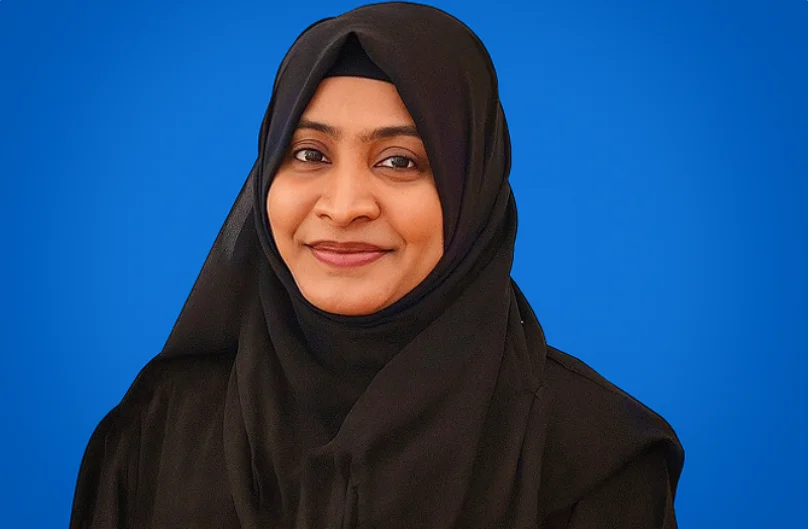
In a proud moment for the Muslim community of Sopara, the ancient port and trade centre of Maharashtra, Benji Mehwish Abdul Rehman has etched her name in the annals of history as the first Muslim woman lawyer from the village. Her remarkable achievement includes topping Mumbai University with an outstanding 87% in the LLB examination is a testament to her relentless hard work and dedication.
Mehwish’s journey is not just about academic success but also about breaking social barriers. Coming from a modest middle-class family — her father, Abdul Rehman, works as an electrician — Mehwish’s path was filled with financial challenges. Yet, these hardships never dimmed her spirit or determination to succeed.
“I belong to the middle class. My father is an electrician, and I was aware of this from the beginning, so I always focused on studying hard. To make a unique identity in the society by working hard, that was my motto,” Mehwish told Clarion India over the phone. She recalled how financial struggles made her educational journey tough, but the unwavering support from her family helped her overcome every obstacle. During this time, many problems came up, but with the help of my family, I faced these problems with a smile. In this journey, my grandfather, grandmother and parents always stood by me like a rock. I secured the first position in every class.”
Her academic record speaks for itself: after passing her SSC in 2015 from Anjuman Khairul Islam Urdu High School, with 84%, she continued to shine with 80% in HSC from RB Harris Junior College and 84% in BCom from AE Kalsekar College in 2021. Clearing the bar examination from Viva College, Virar, with 87% (CGPA 9.2), she secured first position in both Mumbai University and Viva College.
Mehwish’s success carries extra significance as it comes from a community often overlooked and sidelined in mainstream narratives. Sopara, a village with deep historical roots, now celebrates this milestone that challenges the stereotypes around Muslim women and their place in education and professional fields.
Mehwish’s grandfather, Benji Rizwan Muhammad, a respected social activist in the region, played a vital role in guiding and encouraging her career choice. “The decision of which field to choose after graduation was difficult for me because all the courses were very expensive. In such a situation, by the grace of Allah Almighty, my grandfather guided me and encouraged me to become a lawyer,” she said.
She also credits the financial help from the Waja Mohalla Juma Masjid Trust and the Sidha Educational, Social and Cultural Organisation. “If these two trusts had not supported me financially by providing scholarships, this success would have been difficult,” she said gratefully.
Abdul Rehman, Mehwish’s father, expressed his pride: “My daughter is committed to discipline in her studies. We always encouraged her and provided her with whatever we could.” The support from the family, often the backbone for Muslim girls pursuing education, is a reminder that strong family encouragement can overcome societal pressures and economic difficulties.
Local social worker Zubair Ahmed Butke praised Mehwish’s achievement. “Mehwish has increased the glory of Sopara village and our Waja Mohalla by passing the bar exam. She is a role model for our community and shows that with hard work and determination, Muslim girls can reach great heights,” he said.
Mehwish now plans to practice law at Vasai Court and is preparing for her LLM. She also aspires to practice in the Bombay High Court, showing ambition that goes beyond personal success, reflecting a commitment to serve and uplift her community through the legal system.
Her story comes at a time when Indian Muslims, especially women, face various challenges related to education, economic opportunities, and social acceptance. Mehwish’s success is a beacon of hope, breaking through the barriers set by a society where many still hold biases and misunderstandings about Muslims, particularly Muslim women.
Her rise is a clear rebuttal to those who underestimate Indian Muslims or limit their potential by social or religious stereotypes. This achievement demands recognition and respect for the many silent struggles Muslim families endure in supporting their daughters’ education and professional dreams.
Community leaders and activists hope Mehwish’s story will inspire more families in Sopara and beyond to invest in girls’ education and help dismantle the barriers that have held back many Muslim girls. It also raises a call for greater institutional support to provide scholarships and opportunities to deserving students from minority communities.
Mehwish’s journey highlights a broader issue: while India prides itself on secularism and equal opportunity, the lived reality for many Muslims is often marked by discrimination and neglect. Success stories like hers push against this narrative and remind the nation of the rich talent and determination within Muslim communities waiting to be nurtured.
In contrast, some sections of the Hindu majority, especially in surrounding areas, have often failed to create an environment conducive to the educational and professional growth of Muslims. Many Muslim students face discrimination and a lack of resources, making achievements like Mehwish’s even more remarkable.
In conclusion, Mehwish’s story is not just her personal victory but a triumph for the entire Indian Muslim community. It sends a strong message that Muslim girls from modest backgrounds can break social barriers, excel academically, and contribute meaningfully to society when given support and opportunity.
Her rise deserves to be celebrated widely — as a beacon of hope and a clear example that when families and community come together to support girls’ education, the results can be extraordinary.
source: http://www.clarionindia.net / Clarion India / Home>Editor’s Pick> Indian Muslims> Women / by Mohammad bin Ismail / July 14th, 2025
CM Naim’s translation of 19th-century reformer Ashrafunnisa Begum’s biography was published in 2021. Naim, a translator and scholar of Urdu, died on July 9.
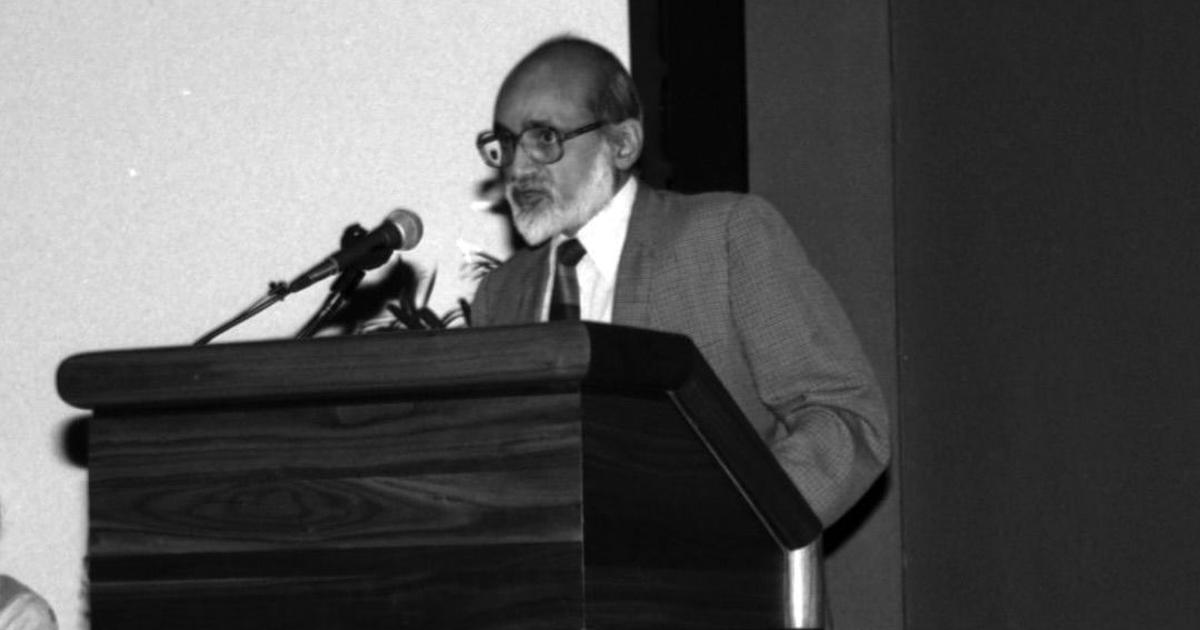
Choudhri Mohammed Naim, aka CM Naim, a prominent scholar of Urdu language and literature, died on July 9 at the age of 89. He was a professor emeritus at the University of Chicago.
Naim was also the founding editor of the Annual of Urdu Studies and Mahfil (now Journal of South Asian Literature), as well as the author of the definitive textbook for Urdu pedagogy in English.
He was born on June 3, 1936, in Barabanki, Uttar Pradesh and educated at Lucknow University, Lucknow, Deccan College, Poona, and the University of California, Berkeley. In 1961, he joined the faculty of the Department of South Asian Languages and Civilizations at the University of Chicago, which he chaired from 1985 to 1991. He retired in 2001. He was a national fellow at the Indian Institute of Advanced Study, Shimla, in 2009, and a visiting professor at the Jamia Millia Islamia, New Delhi, in 2003.
Some of his best-known works are Ambiguities of Heritage (1999), Urdu Texts and Contexts (2004), and The Muslim League in Barabanki (2013). He also translated Urdu writings into English some of which are Ghalib’s Lighter Verse (1972), Inspector Matadeen on the Moon: Selected Satires (1994), Curfew in the City (1998), and A Most Noble Life: The Biography of Ashrafunnisa Begum (1840–1903) (2021).
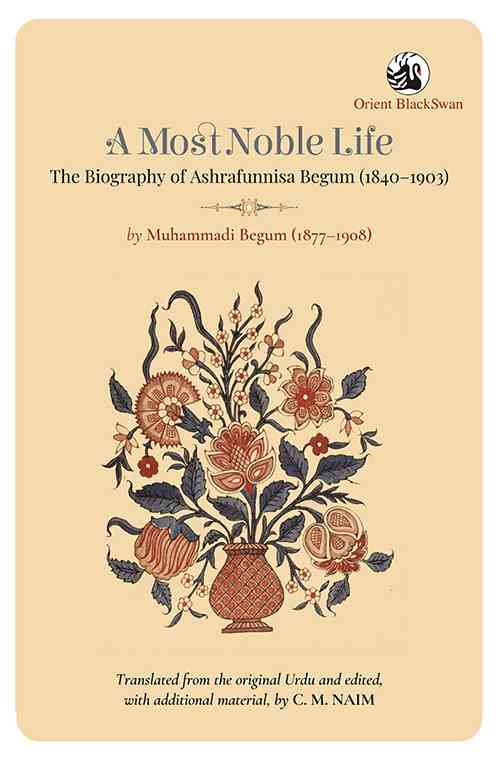
A Most Noble Life: The Biography of Ashrafunnisa Begum (1840–1903)by Muhammadi Begum (1877–1908) is the first complete English translation of Hayat-e Ashraf (1904), the extraordinary story of Ashrafunnisa Begum. Ashrafunnisa, born in a village in Bijnor, Uttar Pradesh, taught herself to read and write in secret, against the wishes of her elders and prevailing norms. She went on to teach and inspire generations of young girls at the Victoria Girls’ School – the first school for girls in Lahore. Her unusual life was written about with great poignancy by Muhammadi Begum – the first woman to edit a journal in Urdu, the weekly Tahzib-i-Niswan. Muhammadi Begum was a prolific writer of fiction and poetry for adults and children, and instructional books for women during her brief life. She aptly titled the biography Hayat-e Ashraf: it echoes the name of her subject, but also means “the noblest life”. Indeed, both biographer and subject may be described, says Professor CM Naim, as “noble lives”.
The two women, who met by chance at a wedding, instantly developed a strong mutual affinity, which grew into a lifelong bond. In Ashrafunnisa Begum, Muhammadi Begum saw not only the mother she had lost as a child, but also an inspiring role model who had led a principled life of her own making, and shown amazing grace and strength against grave odds.
This annotated translation by CM Naim, an eminent scholar of Urdu literature and culture, also provides the first detailed study of the life and works of its author, Muhammadi Begum, and highlights, in an “Afterword”, two key social issues of the time, women’s literacy and widow remarriage, which remain as relevant today.
In this conversation with writer Githa Hariharan (in 2022), CM Naim spoke of the lives and times of Muhammadi Begum and Ashrafunnisa Begum, their work, and the unique friendship that nurtured both of them.
Let me begin with asking you to comment on the ways in which this slim biography of Ashrafunnisa by Muhammadi Begum dispels the gloomy image of the silent and secluded Muslim woman of the 19th and possibly 20th century.
The trouble, as I see it, lies in the “totality” and “exclusivity” we allow to these claims. In the 19th century, a huge number of Muslim men were not literate, just as a huge number of Muslim women were not secluded, or not any more secluded than the non-Muslim women of the same class, occupation or region. The wives of Muslim weavers and barbers and food-sellers may have kept their faces covered while toiling alongside men but their lives were not secluded the way we assume them to be – rightly – for the women of the upper classes. Then there were the differences we see in Bibi Ashraf’s life. Her family was Shi’ah; the women of the household held weekly majlis where they read out texts from religious books. She lost her mother when she was only eight; otherwise, she would have learnt to read and write the way other girls in the family did. We also see a young Muslim widow, a Pathan, taking up employment with the family as a Qur’an instructress.
I found A Most Notable Life a fascinating entry point into the lives of two women I want to know more about. But I also want to know more about the context of their times and work. Ashrafunnisa’s account of how she learnt to read and write is, for me, the most moving section of the book. She encounters obstacles in learning how to read, but the challenges she faces in learning how to write seem far more severe. I am curious about this. Is it far-fetched to conclude that a writing woman presents a greater threat to the patriarchal establishment, because she assumes the power of an “inscriber” rather than merely being a body (or mind) to be inscribed upon?
The chief obstacles are the wilful grandfather and uncle. The grandfather holds the most authority, and the uncle is more immediately present in the lives of the women in the household. The grandfather is not against female literacy in principle. He willingly allows it until the widowed female teacher gets remarried. That is a worse “sin” in his eyes than reading and writing. But then he considers the fact of his son, Bibi Ashraf’s father, taking up a pesha, a profession – he moved to Gwalior and became a lawyer – an equal threat to his honour. The family’s attitude toward writing is complex. Her grandfather tolerated some girls in the family learning writing from their mothers; her father rejoiced when he learned that Bibi Ashraf could read and write so well, but her uncle became more furious and punitive. I feel writing in the upper classes, where seclusion was more closely observed, was seen as an instrument that could make it possible for women to break out of that seclusion. We should not assume that writing was then considered an integral element of education. Transmission of essential or requisite knowledge to a majority of males and females could be done orally. Or so, arguably, the society believed at the time.
I am amazed by the use of multiple genres by both women – poetry, essays, memoir, biography, novels, stories for children, “instruction” manuals. Was this characteristic of the “educated” of the times, or was it driven by the need to be useful to a range of readers? And would you say that in the case of women, or these two women at least, the autobiographical element links all the genres they make use of?
That’s a very interesting question, and I don’t have a clear answer. I can only assert with some confidence that before the 20th century, most prose writings also contained verses. Very often, these were original verses by the author of the text, alongside quoted verses by well-known or obscure poets. The purpose could have been to emphasise a point by reiteration in a more memorable form, or adding the authority of the past to the point being made. The same is done, for instance, by using proverbs. Nazir Ahmad, the reformist novelist, was a great versifier and public orator. His lectures and long poems at the annual sessions of the organisations he supported were hugely popular. So, anyone who learned to read in those days encountered poetry from day one. And if you had creative impulses, you trained yourself to write verses as well as sentences. In the case of Muhammadi Begum, she was indeed driven by a powerful urge to be useful to other women – her sisters, bahneñ – in particular her contemporaries, i.e. young wives, and girls, and wrote in several genres.
Since the education of women is so crucial in the context of the two women’s lives and work, the writing does a balancing act between the creative and the expression of the self on the one hand, and the didactic on the other. To what extent does such didactic literature – or “instructional books” – differ when authored by men (such as Nazir Ahmad, whose work took up women’s education as well as conduct), and women such as Ashrafunnisa and Muhammadi Begum? My friend, writer and critic Aamer Hussein, writes that “Muhammadi Begum reworks and amends, with affection and insight, the reforms suggested by Nazir Ahmad.” In what ways do the women, Muhammadi in particular, take the project forward, not only as writers, but as journalists, teachers and publishers?
What we now label “didactic fiction” was not thought of as merely instructional by its authors; they meant it to entertain too. It would have been Khel khel meñ kam ki bateñ, “useful words in playtime”. The authors simply called them novels. And this applies to female writers and readers too, until they began to learn English.
As for your core question, I can best answer it by exaggerating my response. Nazir Ahmad, Hali and other male reformists wanted to educate women so that they would be good mothers to their children and proficient in managing their homes. Bibi Ashraf and Muhammadi Begum prize these goals too, but they also prize education as a means of mental and spiritual self-improvement. For better self-expression, even. But the most important thing with Muhammadi Begum is that she lays great emphasis on a commonality of sorts, on a sisterhood of peers. She also wishes to make women proficient beyond her kinfolk, and even beyond the threshold of her own home. To that extent, it may be more the aspiration of an upper-class woman. But it also suggests that for her, female literacy was a given. As indeed it was by that time for the salaried middle-class.
It’s clear that propriety is the framework within which these two women, and others like them, have to work to reap some gains. Keeping this in mind, may I ask you to unpack the word “hayat” for us? The biography is called Hayat-e Ashraf, and you have translated it as A Most Noble Life. I am thinking of the difference in English between “respectable” and “noble” when I ask you to explain “hayat” for those of us who do not know Urdu.
“Unpacking” hayat would require explaining what “life” meant to Muhammadi Begum or to an Urdu writer in the 19th century – a tall order. I can only say that Muhammadi Begum seems to have chosen the most apt title for her book. It echoes the title of Altaf Husain Hali’s iconic biography of Sir Syed, Hayat-i-Javaid (An Everlasting Life), published only three years earlier. Hayat-i-Ashraf can be read as “The Life of Ashraf[unnisa Begum]” or as “An Ashraf Life,” i.e. “A Most Noble Life.” Ashraf is the superlative of sharif, and the latter, of course, is a marker of numerous presumed personal attributes, ranging from nobility of birth to modesty in speech and much more. Muhammadi Begum organised her book in a similar manner: first, a chronological account, followed by short sections on what she considered her subject’s exemplary traits or, as she put it, her “Disposition, Habits and Manners.” Throughout the text, she never fails to remind her readers – her “sisters” – to exert themselves and follow Bibi Ashraf’s example.
Pioneers have to be remembered not only for what they did – given their times – but also in connection with their descendants. Would you speculate on the ways in which Muhammadi opened doors for the Urdu women writers who came after her in the 20th century?
Muhammadi Begum was not the first woman poet in Urdu, nor the first fiction writer. She was, however, the first in several other ways. She was the first woman to edit an Urdu journal and to write on many of the issues that were of great concern to women of her community and class. She also wrote “manuals” for women – on writing letters, on managing the household, or on meeting their peers outside the kinship network. In everything she wrote, she made it clear there were no limits to women’s abilities. And most importantly, she made it clear that women can help each other in discovering and putting to use these abilities. I should emphasise one point here. It was her husband’s dream to publish a journal for sharif women that was also edited by a sharif woman – contra the two journals that had appeared earlier and failed. Mumtaz Ali was a champion of Muslim women’s causes, and he strongly believed in gender equality. No doubt he viewed himself as a wise guide, and never hesitated to publish in the journal his own views on some subjects of concern; but what impressed me was his readiness to give space to opposing views, never adopting a patronising or dismissive tone in his responses.
Coming back to your question, Muhammadi Begum’s journal, Tahzib-i-Niswan, gained wide circulation, though subscriptions were slow in coming. But it soon became the journal of choice for aspiring female writers. Hijab Imtiaz Ali, Qurratulain Hyder and Rasheed Jahan made their debut in its pages. And Ismat Chughtai made her first appearance in print as an excited reporter from Aligarh informing the “Tahzib Sisters” that Rasheed Jahan had completed her medical course. So I think it is not so much the matter of opening doors that makes Muhammadi Begum’s journal important; it is the spirit of confident sisterhood that she identified and fostered.
I don’t want the two women, Ashrafunnisa and Muhammadi, to get lost in the jungle of history though, whether it is the history of women’s education or journalism or literature. I want to pay a tribute to their friendship – which allowed them to have a rich relationship that encompasses a role model, a colleague and a surrogate family. And this despite their age difference, despite one being Sunni and the other, Shia. Would you say their friendship gives an edge to their interest in writing memoir and biography?
Their close friendship, their deep trust in each other, was to my mind the most thought-provoking and inspiring thing about them. No doubt, they both had very painful childhoods – having lost their mothers at a tender age. But they also seemed to see in each other a kind of partner-in-arms, joined in some cause. The much older Bibi Ashraf unhesitatingly treated Muhammadi Begum, barely out of her teens, almost as her leader in a cause that concerns all women.
We should also recall that the “seclusion” of sharif women in those days was stricter. It even meant seclusion from the company of a great many females within the extended families as well their neighbourhoods. Muhammadi Begum started her journal Tahzib-i-Niswan in 1898, and amazingly, from the very beginning, she thought of it as a gathering place where women, previously strangers to each other, could meet and become “sisters”. She coined the expression tahzibi bahnen, ‘Tahzibi Sisters’, to describe this coming together. Then, acutely aware of the larger issue, she quickly proceeded to write a manual on the art of Mulaqat, explaining how a sensible woman should behave in the company of other women outside her own family, complete strangers. It was, of course, the time when men in government jobs at all levels, including the salariat middle- and lower-middle class jobs, were liable to be transferred from one district to another, requiring their wives to also move from place to place with them. They led a very lonely life unless they made an effort to know their neighbours – strangers or peers – with no past experience to guide them.
Hamd Foods, a rising name in the natural food products sector, inaugurated its fourth exclusive outlet in Kaup on Thursday, reinforcing its commitment to the brand’s vision, ‘Healthy Food, Healthy Life.’ The launch was spearheaded by Founder Shahida A, Co-founder Mariyam Shahira, and Branch Manager Khairunnisa.
Following the success of its earlier outlets in Falnir, Krishnapura, and Thokkottu, the Kaup branch marks a significant step in the company’s expansion journey. With over 150 natural food and personal care products on offer, the outlet provides customers with options ranging from spice blends, stone-ground pastes, and frozen snacks to flour varieties and skincare items, all free from artificial colours and chemical preservatives.
“In today’s fast-paced world, many people struggle to find time to prepare healthy meals. Through this outlet, we aim to make wholesome, ready-to-use natural products easily accessible to everyone,” said Shahida A, addressing the gathering.
The launch event was attended by several prominent women including Reshma Thota, Prameela Jatanna, Alia Sayyed, and Nilofer Parveen, who expressed their appreciation for the brand’s consistent growth.
“Your consistency and hard work over the past seven years has led you to launch your fourth store today,” noted Reshma Thota. “For working women like us, Hamd’s products are a real support. In a market full of choices, it’s rare to find ones that are both hygienic and chemical-free — Hamd is a brand we truly trust.”
source: http://www.english.varthabharati.in / Vartha Bharati / Home> Karavali / by Vartha Bharati / July 13th, 2025
Prof. Bilqis Bano to receive Lifetime Achievement Award, Dr. Raouf Khair to be honoured with Allama Iqbal Award.
New Delhi:
An important meeting of the Global Urdu Day Awards Committee (organised by the Global Urdu Day Organising Committee) was held under the chairmanship of senior journalist Jalaluddin at Daryaganj here.
The awards jury included Dr. Syed Ahmed Khan, Ashraf Ali Bastavi (Chief Editor, Asia Times, New Delhi), Suhail Anjum (former correspondent, Voice of America), and Javed Akhtar (Editor, D.W. Urdu, Germany, Delhi Bureau).
As per tradition, the awardees for the upcoming Global Urdu Day on 9 November 2025 have been selected.
The recipients are Prof. Bilqis Bano (Department of Biochemistry, Faculty of Life Sciences, Aligarh Muslim University) – Lifetime Achievement Award; Dr. Raouf Khair (Hyderabad) – Allama Muhammad Iqbal Award for Literature; Prof. Kauser Mazhari (Jamia Millia Islamia, New Delhi) – Mirza Ghalib Award for Poetry; Prof. Zehra Khatoon (Jamia Millia Islamia, New Delhi) – Maulana Ali Mian Award for Urdu-Persian Language; Dr. Aqeel Ahmad (Secretary, Ghalib Academy, New Delhi) – Maulana Abdul Majid Daryabadi Award for Language and Literature; K.L. Narang Saqi (New Delhi) – Kunwar Mahendra Singh Bedi Award for Literature; Yaseen Momin (Mumbai) – Qazi Mohammad Adeel Abbasi Award for Promotion of Urdu Language; Syeda Talat Nasreen (TN Bharti, New Delhi) – Noor Jahan Sarwat Award for Journalism; Syed Zubair (Muslim Mirror, New Delhi) – Maulana Usman Farqaleet Award for Journalism; Maulana Abdul Hameed Numani (New Delhi) – Maulana Sanaullah Amritsari Award for Column Writing; Abdul Mannan (Editor, Yojana Urdu, New Delhi) – Maulana Mohammad Muslim Award for Journalism; Jamshed Khan (Aaj Tak, New Delhi) – Ameen Sayani Award for Electronic Media; Saurabh Shukla (Red Manak, New Delhi) – Pandit Devnarayan Pandey Award for Journalism; Abid Anwar (UNI Urdu, New Delhi) – Mahfuzur Rahman Award for Journalism; Shohrat Ansari (Khalilabad, U.P.) – Imdad Sabri Award for Journalism; Hafeezur Rahman (Sharq Adeel, Marahra, Etah District, U.P.) – Ismail Merathi Award for Poetry; Mohammad Yamin Zaki (Editor, Hilal, Rampur) – Dr. Zakir Hussain Award for Children’s Literature; Farooq Ahmad (Doordarshan, Delhi) – Ilmat Yasin Award for Promotion of Urdu; Prof. Dr. Ziaur Rahman Siddiqui (Aligarh) – Mazharuddin Khan Award for Teaching; Master Iqbal Ahmad (Former Headmaster, Jamia Middle School, New Delhi) – Maqbool Ahmad Siddiqui Award for Best Teacher; Prof. Abdul Majid Mohammad Siddiq Siddiqui (Malegaon) – Maulana Azad Award for National Integration; Prof. Khalid Mubashshir (Jamia Millia Islamia, New Delhi) – Hafeez Merathi Award for Naat Poetry; Dr. Ibrahim Afsar (Meerut) – Naseeruddin Hashmi Award for Urdu Research; Dr. Azeer Ahmad (Islampur, West Bengal) – Maulvi Abdul Haq Award for Literature; Dr. Nihal Nazim (Moradabad) – Dr. Abul Faiz Usmani Award for Promotion of Literature; Dr. Abu Saad Asari (Jhanda Nagar, Nepal) – Indo-Nepal Friendship Award; and Hidayat Publications, New Delhi (Syed Abul A’la Subhani) – Munshi Naval Kishore Award for Publishing.
Dr. Syed Ahmed Khan, the convener of the Global Urdu Day Organising Committee, expressed hope that the selected awardees will continue to play a significant role in the promotion of the Urdu language.
source: http://www.radiancenews.com / Radiance News / Home> Pride of the Nation> Awards> Latest News / by Radiance News Bureau / July 15th, 2025
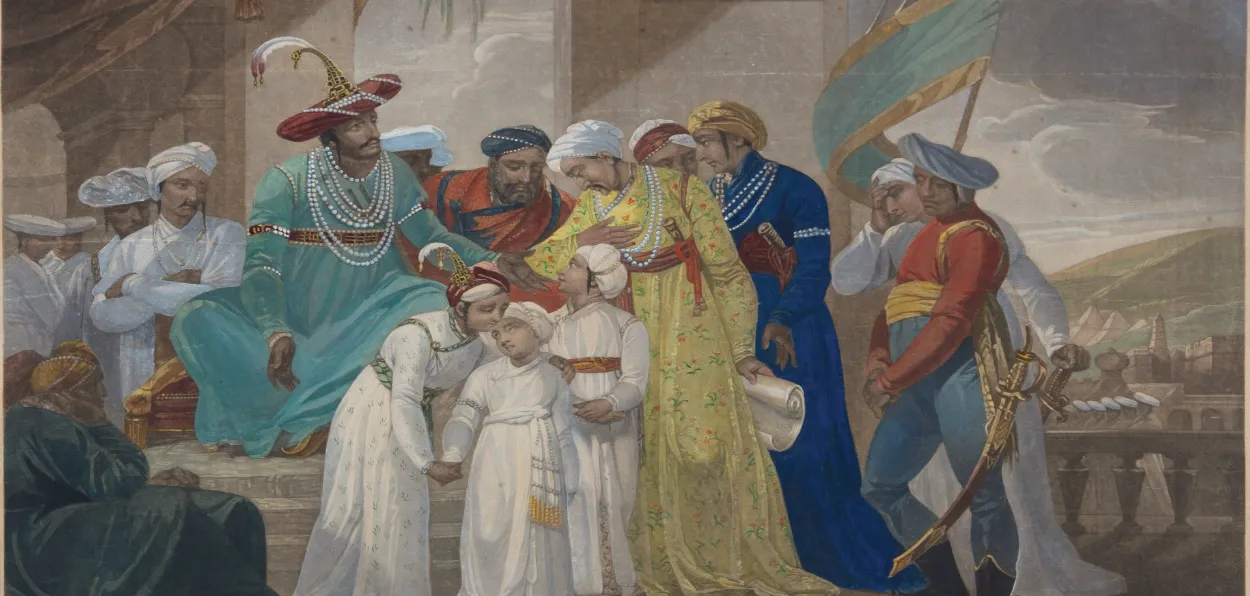
Tippoo Sultaun delivering to Gullum Alli Beg the Vakeel his sons who are taking leave of their brother previous to their departure from Seringapatam (1793) Painting by Henry Singleton
“The Christian drummers were seized, taken to the palace where Tippu’s sons were confined, and made to beat the “general” ; lights flashed in the palace, refreshments were brought out; a mob of sepoys called on the princes to place themselves at their head; Tippu’s own flag, green stripes on a red field, was nailed to the flagstaff. Prince Muizuddin (son of Tipu Sultan) ordered his horse to be saddled, and told off a party of sepoys to go and seize the principal hill fort; when that was captured and the dead body of Colonel Marriott, paymaster of stipends, brought before him, he promised he would mount his horse and ride through the native town proclaiming the restoration of the Mahommedan power.”
A Slice of History
This is the account by Colonel Alfred Keene of the night of 10 July 1806 at Vellore. The rising, popularly known as the Vellore mutiny, was a dress rehearsal of a sort of what would happen in May 1857 at Meerut.
Keene pointed out, “In the mutinies of Vellore and the greater one of 1857, two points of similarity stand out prominently. In each is the unreasoning fear of an attack on the institutions of religion and of caste; for the greased cartridges in the latter mutiny had as much to do with the outbreak as had the new head-dress in 1806, and the presence of the remnants of the Moghul Dynasty at Delhi acted in 1857 precisely as had the presence of Tippu’s family at Vellore in 1806.”
After the fall of Tipu Sultan in 1799, the English East India Company shifted his children to Vellore. In early 1806, the Commander-in-Chief ordered a new headgear and, the removal of beards, tilaks, earrings, or any mark of caste identity.
The Indian sepoys of the 2nd Battalion 4th regiment showed dissatisfaction in May 1806 and disobeyed the orders. These sepoys were tried in army court and 21 of them were found ‘guilty’. Of them, one Hindu leader and other Muslims were discharged from the duty and sentenced to receive 900 lashes each. The other 19 were not discharged but ordered 500 lashes each. The order was passed on 29 June and published to the army on 2 July 1806.
The wife of a serving English officer at Vellore, F. W. Blunt, wrote in a letter to her family in England, “Nine of the ringleaders, as they were called, were brought down to Madras and here passed publicly through the streets in irons, destined to receive the most dreadful military punishment…… The nine men in irons awaiting a most severe punishment was made use of by the sons of Tippoo, who have been kept prisoners in the Palace at Vellore since the taking of Seringapatam and served to ripen a design that had been long formed. A conspiracy was formed by the Sepoys to murder all the Europeans and take possession of that Fort.”
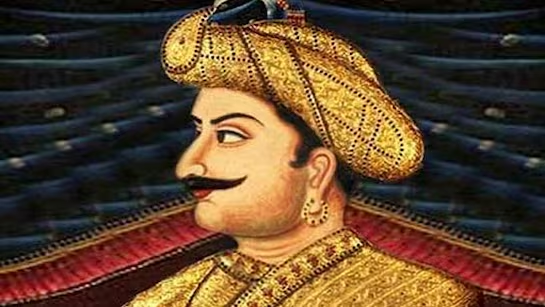
Tipu Sultan
On the night of 10 July 1806, Shaikh Kasim, a sepoy, led the English East India Company sepoys in starting a general massacre of the English troops.
Lt. Col. W. J. Wilson in ‘History of the Madras Army’ wrote, “The sepoys went away shortly afterward, and were heard to call out “Come out, Nawab, come out, Nawab, there is no fear.” This was supposed to be addressed to Futteh Hyder, the eldest of the four Mysore Princes.”
Of the 372 Englishmen present at Vellore, 128 were killed that night by the Indian sepoys. The English flag was replaced with the flag of Tipu Sultan, which was handed over by Moizuddin, the eldest son of Tipu. He was proclaimed the leader of the revolutionaries.
Though the immediate cause was the headgear and other orders, the revolt had been planned for a long time. Charles Macfarlane wrote, “The splendour which the sons of Tippoo were enabled, by the liberality of the Company, to keep up, attracted a continual influx of visitors, including all that came to Vellore from the countries which had once belonged to their father. Among these men were very many who had lost by the change which had taken place in Mysore, who hated the tranquillity which we had introduced into their country, and who longed for the old days of rapine and violence. It is believed that these desperadoes contributed to a regular conspiracy and facilitated the execution of the daring design.
It is said that the confederates intended that all who were brought to join in the insurrection should act upon a preconcerted plan, which had been digested and privately circulated by some of the turbulent Marawa chiefs; and that in connection with these desperadoes were some few Frenchmen, disguised as fakeers or dervishes, who went about the country inveighing everywhere against the English as robbers and tyrants. It is also stated that placards were fixed up within the mosques and Hindu temples, where Europeans never entered, to excite a general spirit of revolt among the whole native population of Madras.”
The English Government set up an enquiry commission headed by Major General Pater which submitted its report on 9 August 1806. The report said, “There are two principal causes which appear to us to have led to the mutiny. The late innovations in the dress and appearance of the sepoys, and the residence of the family of the late Tippoo Sultan at Vellore.”
Sir J. F. Cradock, the Commander-in-Chief, disagreed with these findings and argued in his submission that change in dress was a pretext and the real objective was to restore the rule of Tipu Sultan’s family.
The Court of Directors after the investigation declared that the “immediate cause of the discontent among the sepoys was the introduction of certain innovations in their dress, which were offensive, and, as they held, degrading to them; and that the captive sons of the late Tippoo Sultan, with their adherents and abettors, took occasion, from the dissatisfaction of the sepoys, to instigate them to insurrection and revolt, with the view of effecting their liberation, and the restoration of the Mahomedan power.”
The mutiny was suppressed by noon on 10 July. Colonel Gillispie stationed at Arcot came to rescue the Englishmen at Vellore before 7 am. His forces, which also included Indian sepoys, killed more than 500 Indians in the fort within a few hours.
At least 15 English officers including, Colonel Fancourt, H.M.’s 34th regiment, commanding the garrison, Lieutenant-Colonel McKerras, Captain Willison and Lieutenants Winchip and Jolly of the 23rd, Captain Miller, Lieutenants O’Reilly, Smart, and Tichbourne of the 1st, and Lieutenants Eley and Popham of the 69th, Mr. Mann Deputy Commissary of Stores, Mr. Gill Conductor of Ordnance, Mr. Smith the Military Paymaster and Major Armstrong of the 16th N.I. were killed.
Among the captured sepoys, six were blown away with cannon guns, five were shot by firing squads, eight were hanged, and several others were transported for life. Out of the retainers of Mysore Princes, one was sentenced to death, two to transportation for life, one to imprisonment for life, and one to imprisonment for ten years. The sons of Tipu Sultan were sent to Kolkata with stricter vigilance.
Lord William Bentinck, Governor, and Sir J. F. Cradock, C-in-C, were removed from their respective offices by the Court of Directors.
source: http://www.awazthevoice.in / Awaz, The Voice / Home> Stories / by Saquib Salim / July 10th, 2025
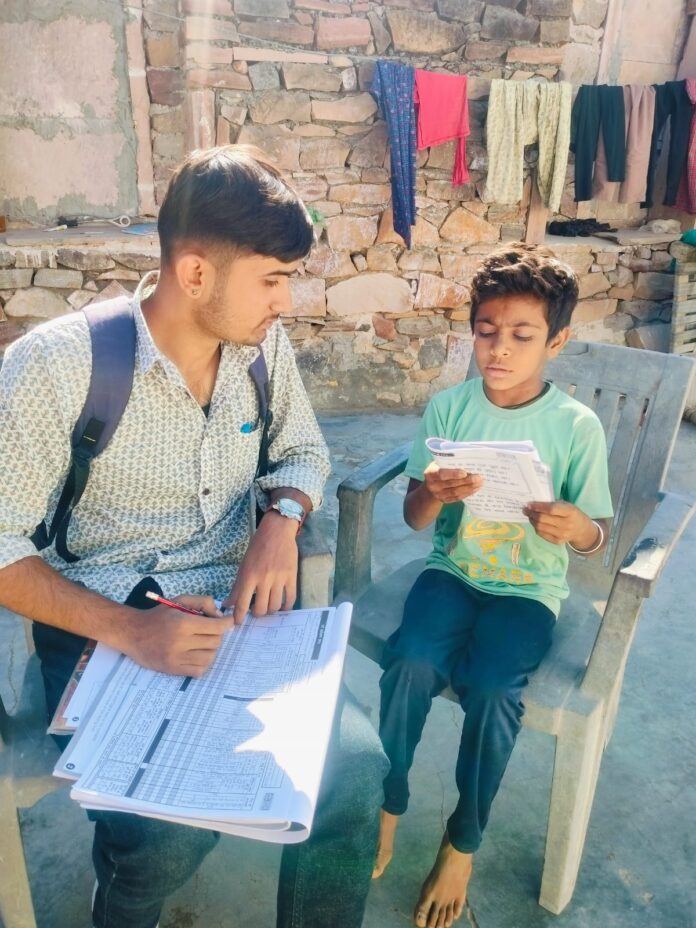
Maulana Azad University’s extensive survey of basic education and students’ enrolment in 30 villages of Jodhpur district as part of the Annual Status of Education Report (ASER)-2024 has found a notable increase in private school enrolment, and a sharp decline of children at age 3 who do not attend pre-school or early childhood education programmes.
However, the survey has found a continued challenge with learning outcomes, particularly in basic reading and arithmetic, meaning that while more children are going to school, many of them are still not learning at the expected level for their age and grade. The survey shows that children in primary classes often cannot solve basic arithmetic problems such as simple addition, subtraction, multiplication, or division.
Maulana Azad University, Jodhpur, is the first and the largest Muslim-run private higher educational institution in Rajasthan.
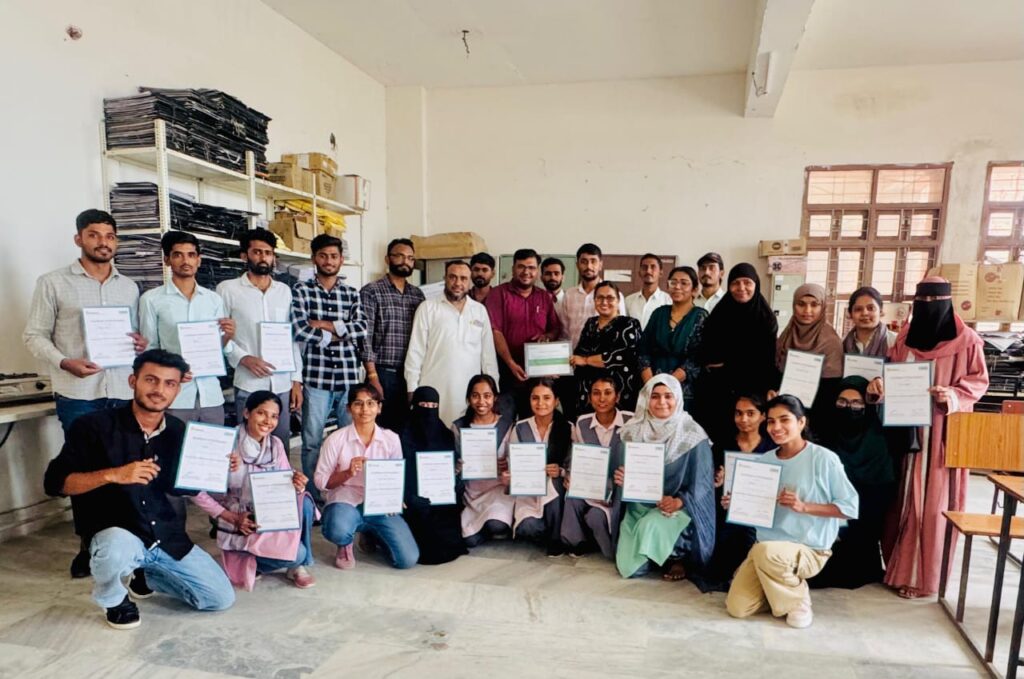
The survey was conducted by a total of 60 students of the university. The survey report was released by a non-governmental organisation, Pratham. The students who took part were drawn from the sixth semester and were felicitated at a function in the university here in the first week of July.
The Jodhpur-based university has already set up a Minorities Research Chair for conducting targeted studies and research on the issues, problems and challenges confronting the minority communities in Rajasthan, as part of its initiatives to generate new avenues. The research chair will make important recommendations after its studies.
Maulana Azad University was established by the Marwar Muslim Educational & Welfare Society (MMEWS) at Bujhawar village on the outskirts of Jodhpur in 2013. The institution of higher education is now imparting education to more than 15,000 students belonging to Muslim and other less privileged communities in multiple disciplines of study.
ASER Team Convener Raju Ram Bishnoi said the main points of conclusion of ASER-2024 were an increase in student and teacher attendance, use of smartphones among the youth, focus on pre-school enrolment, learning level challenges and gender gaps in enrolments for the subjects of science, technology, engineering and mathematics.
Bishnoi said the ASER-2024 survey in Jodhpur district assessed enrolment and basic reading and arithmetic abilities of children aged 3 to 16 years in the rural areas. The digital access and skills of children aged 14-16 years were also tested time, with smartphone-based tasks. At the national level, the survey was conducted in 17,997 villages in 605 districts and a total of 6.49 lakh children were reached.
The proportion of older children, in the age group of 15 to 16 years, not enrolled in school has been steadily declining in recent years. About 7% boys and girls of this age group are not enrolled in schools at present. Nationally, more than 90% of rural adolescents have access to a smartphone. About 70% of adolescents in this age group can perform basic digital tasks such as setting alarms, searching for information on the Internet, finding specific online content and sharing with others.
Dean of the university’s Education Department, Dr. Samina, said the ASER survey was switched in 2016 to an alternate year model, as part of which a “basic survey” is conducted every two years in the rural areas of all districts, with smaller surveys focusing on other age groups and regions in the intervening years.
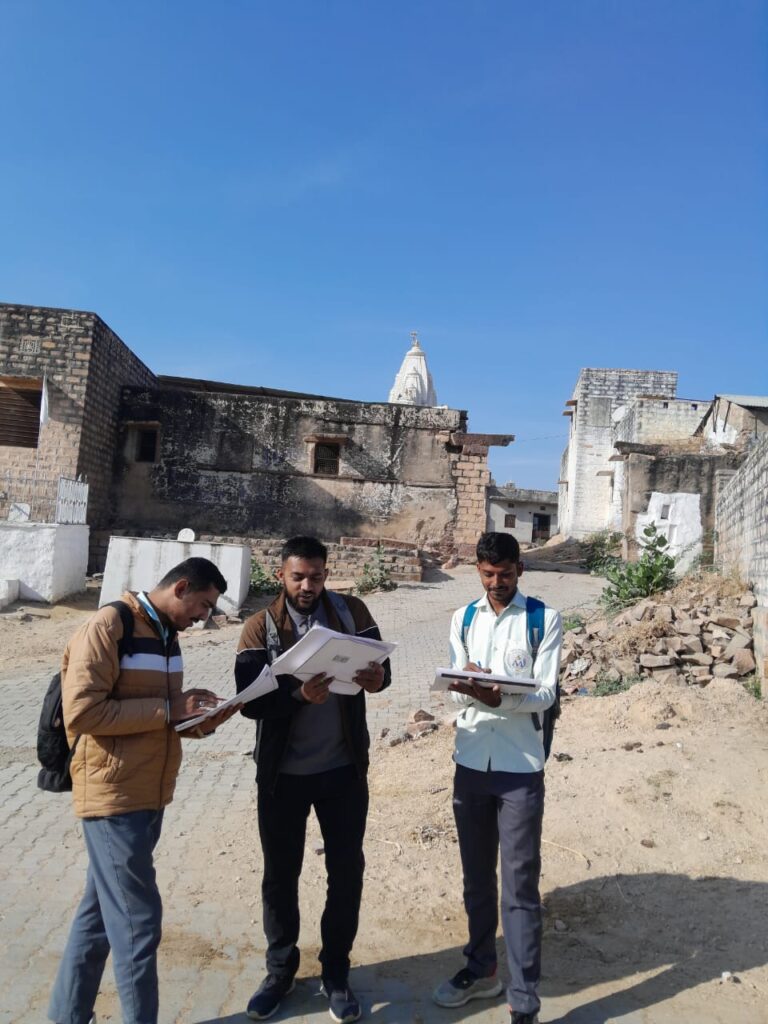
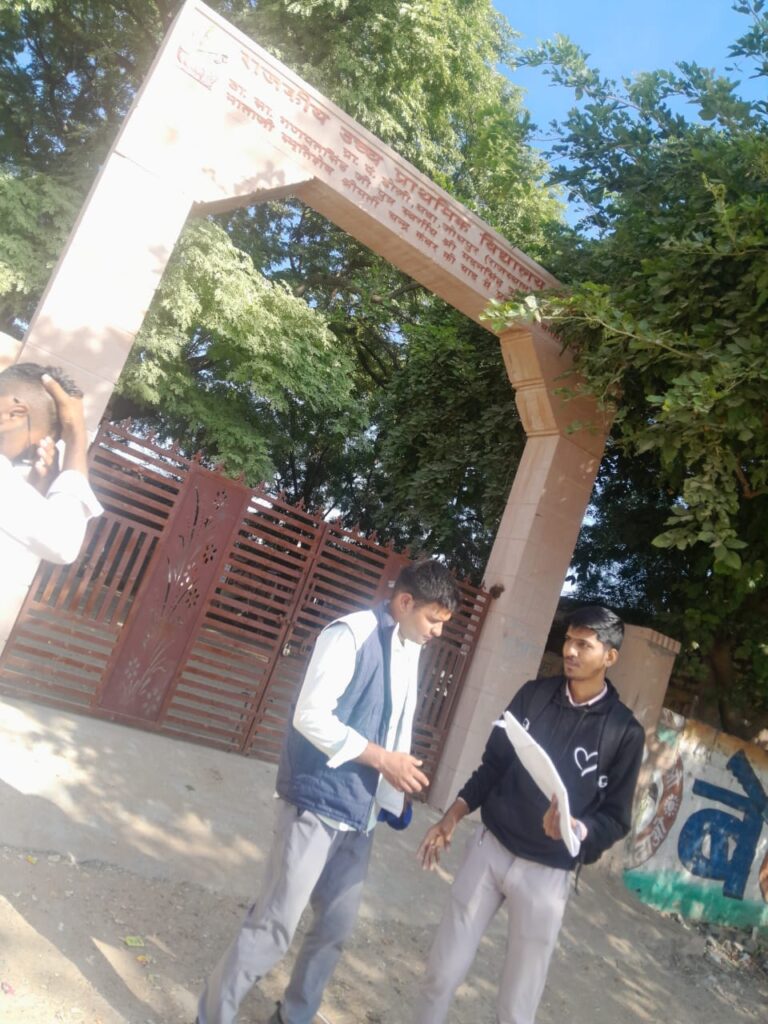
The villages covered in the extensive survey were situated in Bawari, Bhopalgarh, Bilara, Mandor, Luni, Osian, Bap, Phalodi, Balesar and Shergarh blocks of Jodhpur district.
Misbah Noor, a III year student of B.Sc., B.Ed. (combined) at Maulana Azad University, told India Tomorrow that she spent two days at Uchiyarda village in Mandor block to study the educational scenario. Misbah was given a certificate of participation for the survey report submitted by her.
Another student, Afzal Khan, said he went to Bilara block’s Pichiyak village for the survey, in which he recorded the efficiency levels of young children after interacting with them. Afzal is studying for B.Ed. (Urdu) in the university. The surveyors selected 20 houses in each village and tested the basic reading and arithmetic abilities of children aged between 5 and 16 years, besides testing digital literacy skills of adolescents between 14 and 16 years.
Mauala Azad University’s Chairperson and noted educationist Mohammed Atique said the university was willing to work with the government agencies and non-government organisations for works at the grassroots level for the benefit of future generations. Atique said all kinds of support, including financial, would be extended for such works.
University’s officiating Registrar Mohammed Amin, who has earlier worked with several international NGOs, said the ASER surveys had helped out the government, which had incorporated their recommendations in its educational programmes. “I have had the experience of working with ASER since 2010. Our university has made a significant contribution to the exercise with the active participation of students,” he said.
The MMEWS, established in 1929 during the pre-Independence era, runs as many as 330 educational, health and social institutions. Atique, 77, has been instrumental in easing the lives of more than 45,000 youths through these institutions working in varied fields of education, health care, community development, rural development, waste-to-wealth initiatives and skill development programmes during the last four decades.
The then ruler of Jodhpur princely state, Maharaja Umaid Singh, was the patron of MMEWS and had gifted a school named ‘Durbar Muslim School’ to the Society in 1936. The Rajasthan government allotted five acres of land to the MMEWS in 1978, on which the Maulana Abul Kalam Azad Muslim Senior Secondary School was constructed.
Since then, the MMEWS has established several institutions, including the Industrial Training Institute, Nursing College, Pharmacy College, B.Ed. College, Mai Khadija Hospital, Rahmatul-Lil-Alameen Blood Bank, Marwar Adarsh Gaushala and Bujhawar Veterinary Hospital. The MMEWS established the university in 2013 with the intention of providing higher education to the most deprived and marginalised sections of society.
The first president (Vice-Chancellor) of Maulana Azad University was the noted Islamic scholar from New Delhi, Akhtarul Wasey. The current president, Jameel Kazmi, hailing from Jaipur, has taken steps for interdisciplinary studies while maintaining the indigenous ethos and the spirit of plurality in the university’s functioning.
About 50,000 students have so far passed out from the MMEWS group of institutions and become doctors, engineers and business people and entered other professions as well. Some of them have also established nursing homes and clinics in remote rural areas, which are often ignored in the government’s development plans. Maulana Azad University has set the motto, “Gain Knowledge and Serve Mankind”, for itself.
source: http://www.indiatomorrow.net / India Tomorrow.net / Home> Education / by India Tomorrow Correspondent / July 13th, 2025
Indian envoy and AMU vice chancellor grace the occasion
The Aligarh Muslim University (AMU) alumni in Qatar, under the banner of AMUAAQ, celebrated the annual Sir Syed Day on December 27, 2024 at the Sheraton Grand Doha Resort & Convention Hotel.
Prof Naima Khatoon, the first female Vice-Chancellor of AMU, graced the occasion as the chief guest, while the Indian Ambassador to Qatar HE Vipul presided over the gala ceremony.
Other guests of honour included former Vice-Chancellor of AMU Prof Mohammad Gulrez, Moez Wajihuddin and Patron of AMUAAQ Sophia Bukhari. Mustafa M Hariyanawala, Yashir Nainar, Haroon Sataj Khan and Anwar Karim were special guests.
The programme began with the recitation of the Holy Quran, followed by a two-minute silence to mourn the passing of the former prime minister of India Dr Manmohan Singh.
Ghazala Yasmeen welcomed the guests, while Dr Ashna Nusrat and Dr Nayeem Aman conducted the programme as Masters of Ceremony. Dr Ashna Nusrat read a message of appreciation from the former Chancellor of AMU, Syedna Mufaddal Saifuddin, addressed to the members of the AMU Alumni Association Qatar.
President of AMUAAQ Dr Nadeem Zafar Jilani, in his address, paid rich tributes to Sir Syed Ahmed Khan. He recalled how Sir Syed travelled to England to study the British education system and established the MAO College based on the models of Oxford and Cambridge universities.
Prof Naima Khatoon spoke on the selected theme of the event, ‘One Team, One Dream’. She praised the unwavering love of alumni worldwide for their alma mater and its founder, Sir Syed Ahmed Khan.
Former Vice-Chancellor Prof Mohammad Gulrez delivered the keynote address on ‘Jobs and Career Opportunities in the 21st Century’.
HE Vipul congratulated Aligarians on the Founder’s Day celebrations and acknowledged the contribution of great visionary Sir Syed Ahmed Khan in nation building.
Other dignitaries who spoke on the occasion included Sophia Bukhari and Anwar Karim.
As in previous years, AMUAAQ presented five achievement awards to eminent personalities. The first award, for lifetime achievement in the field of education, was presented to Prof Naima Khatoon. The award for outstanding community service was given to Safeerurahman, while Haroon Sartaj Khan, President of the AMU Alumni Association Oman, was named Aligarian of the Year. The Media Personality of the Year award was presented to RJ Aafrin of Radio Mirchi. Additionally, Akhtar Mehdi of the renowned Mehdi Hasan Tailors received a lifetime achievement award for his sartorial excellence in crafting traditional sherwanis, which have attracted many celebrities and former heads of state to his shop in Aligarh.
Er Jawed Ahmad, chairman of AMUAAQ, announced the formation of a pan-GCC Federation of AMU Alumni Associations to unite and bring together all Aligarians residing in the GCC countries—Bahrain, Kuwait, Oman, Qatar, Saudi Arabia and the UAE.
Vice-President of AMUAAQ Faisal Naseem presented a vote of thanks to the sponsors, as well as the executive and advisory committee members of AMUAAQ.
Jawed Ahmad, chairman of AMUAAQ, proposed that the Vice-Chancellor Prof Naima Khatoon become the ex-officio patron of AMU alumni to strengthen AMUAAQ.
Another proposal regarding the establishment of an offshore AMU campus in Doha was also revisited. He further informed the audience that the AMUAAQ will sign MoUs with several companies to provide students with training and job opportunities.
AMU alumni from all walks of life attended the function with their families in large numbers. Many prominent residents of Doha were also present, including literary personalities such as Ateeq Anzer, Aziz Nabeel, Ahmad Ashfaq, Ashfaq Deshmukh, Wasi ul Haq Wasi, and Obaid Tahir, to name a few.
A raffle draw, sponsored by Malabar Gold, was held and won by Farhana, Imran, Kainat and Shoyeb.
An MoU was signed between AMUAAQ and Hind Guru Academy to support and guide NRI students during their stay in India.
In addition to thought-provoking speeches, the programme also featured an interactive ‘Kahoot Quiz’ on AMU and the Aligarh Movement.
Prizes were awarded to the top three winners, with Faisal Abdullah securing first place, Ayan as the first runner-up, and Ashfaque Deshmukh as the second runner-up. The quiz and IT support were expertly managed by Almas Ahmad.
Mementos and certificates were presented on behalf of AMUAAQ to the guests and notable achievers.
source: http://www.qatar-tribune.com / Qatar Tribune / Home> Nation / by Tribune News Network, Doha / January 02nd, 2025